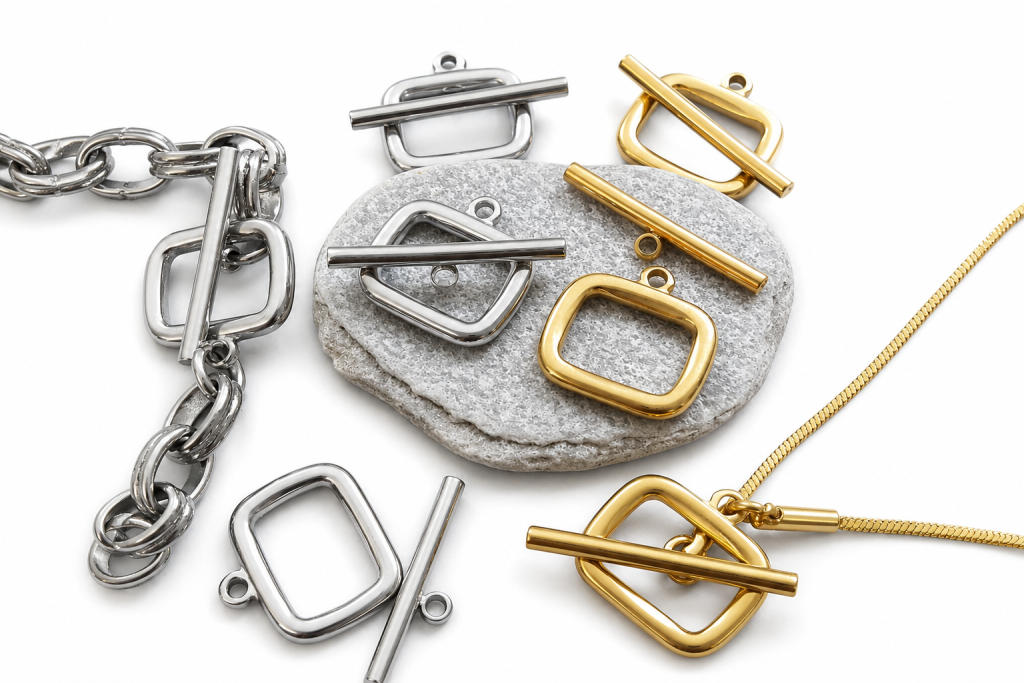
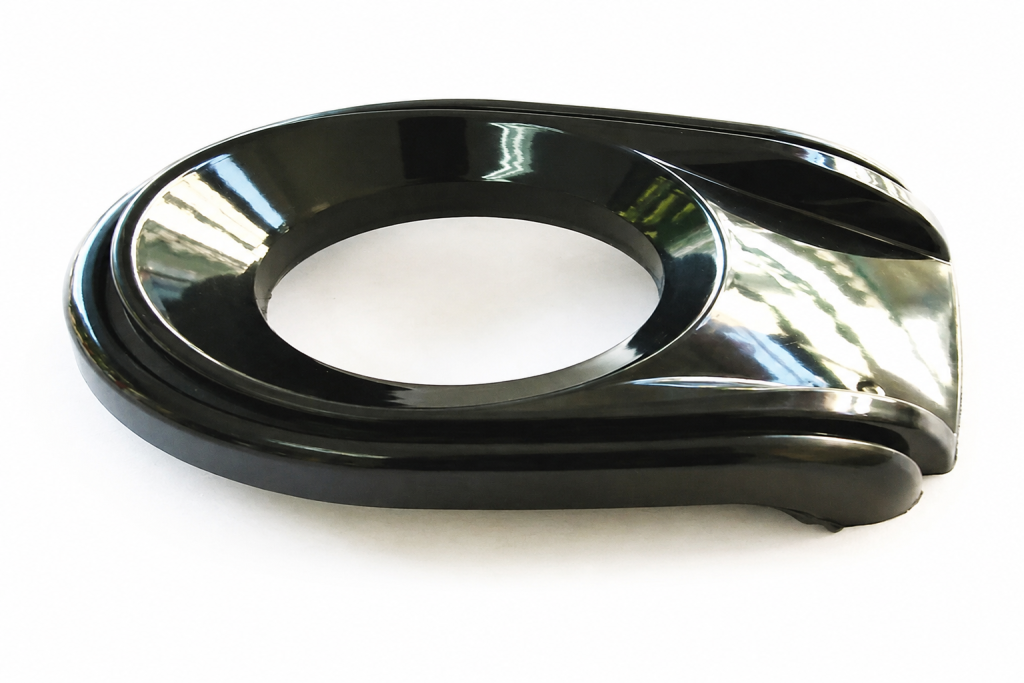
Precision Sheet Laser Cutting Solutions
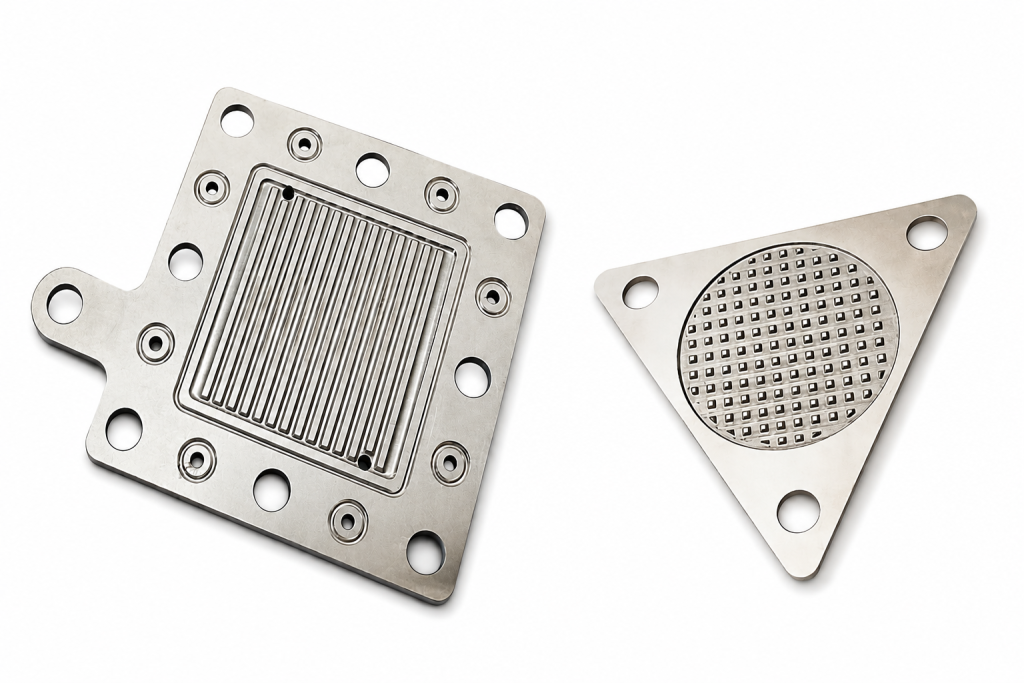
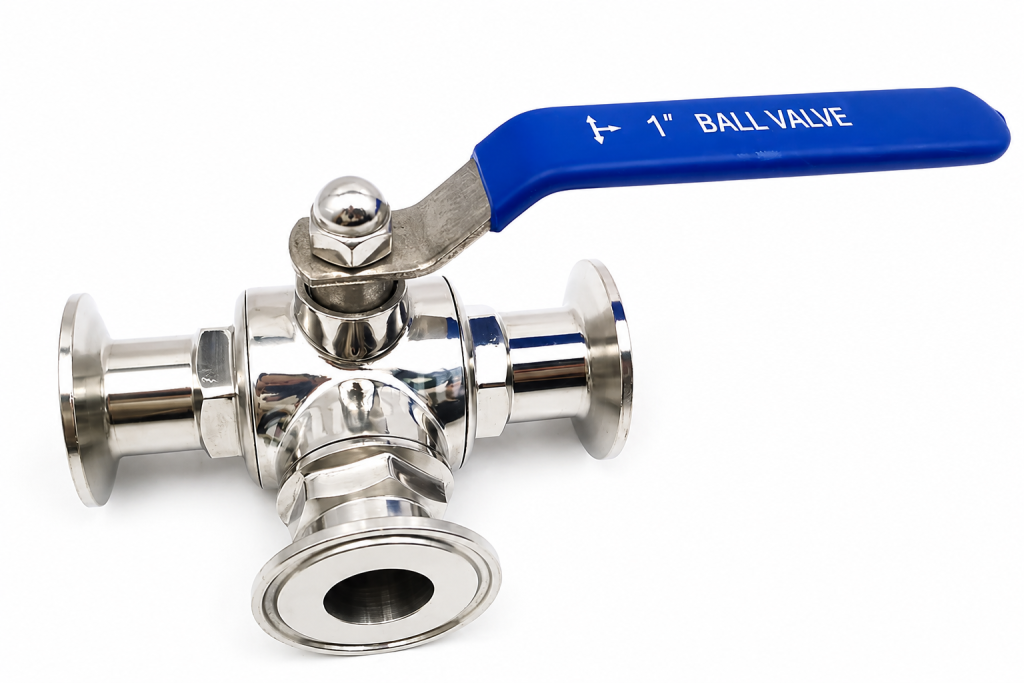
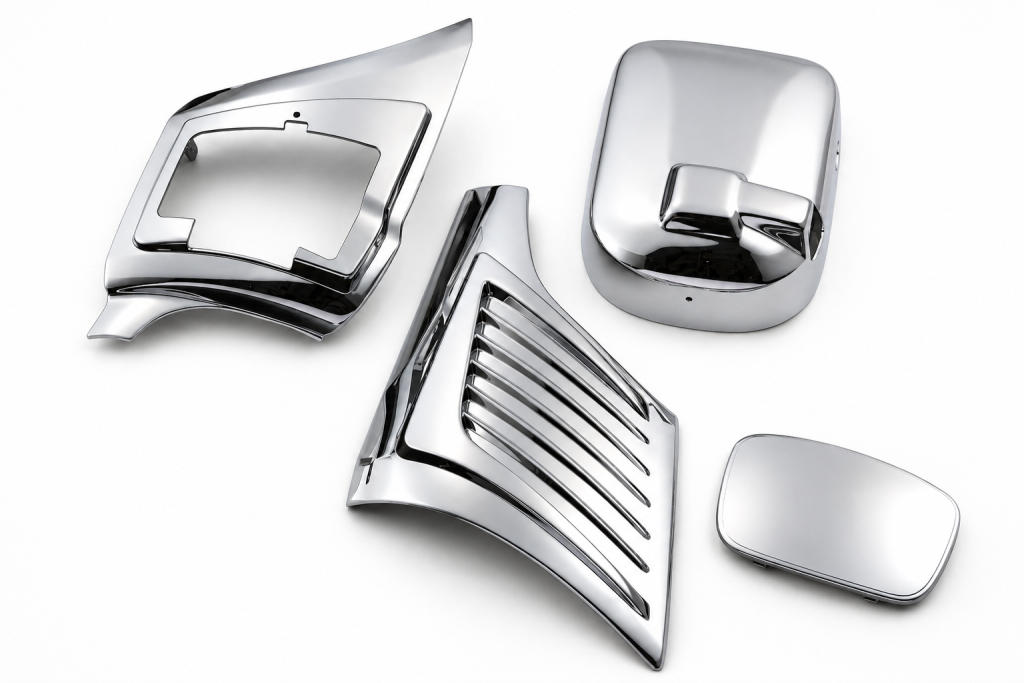
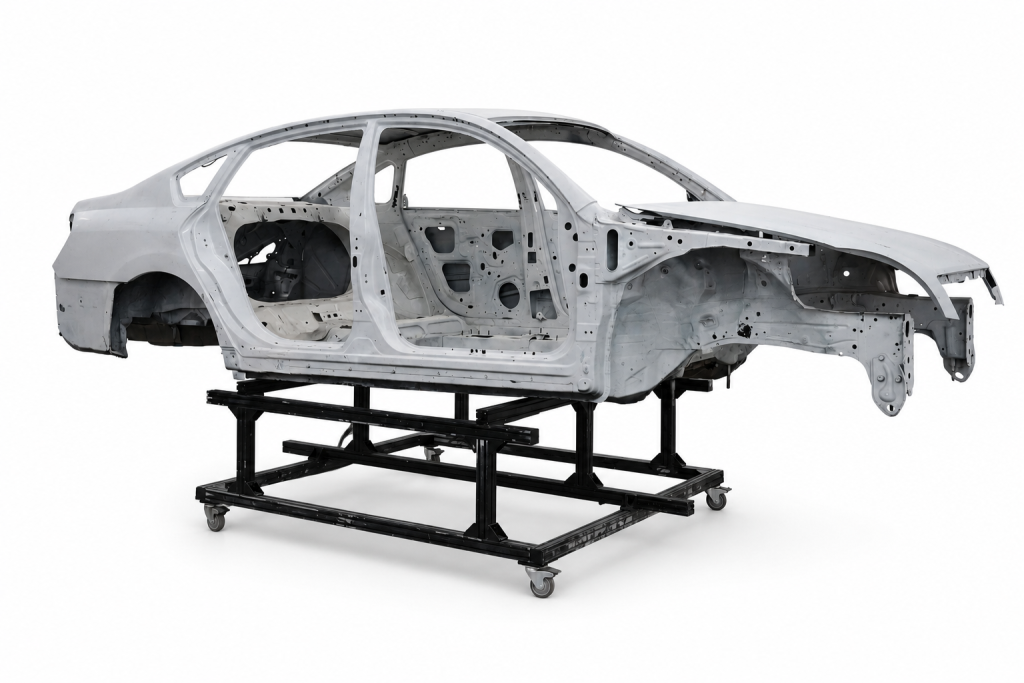
Laser Cutting serves automotive, energy, and medical sectors requiring intricate contours. Common applications:
- Vehicle chassis components
- Solar panel mounting frames
- Electronic device housings
- Precision medical instruments
- Decorative metal artwork
- Aerospace structural components
Start A New Laser Cutting Quote
STEP | STP I SLDPRT I IPT I PRT I SAT FLES
Advanced Manufacturing Capabilities
Integrating Engineering Expertise, Advanced Manufacturing Processes, and Flexible Production Capabilities to Support Product Development from Initial Prototypes to Scalable Production.
Laser Cutting Service
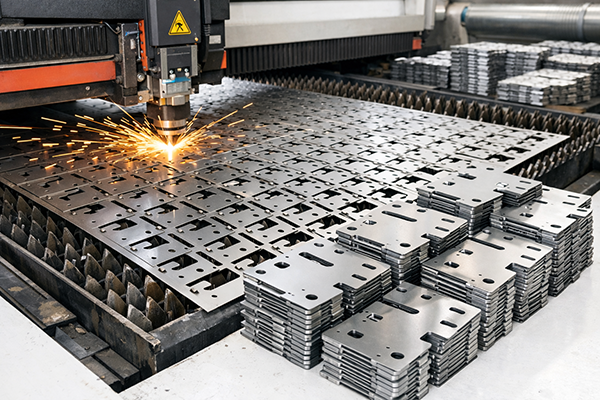
High-power laser cutting achieves ±0.1mm precision for complex shapes (Th:0.5-20mm). Produces burr-free edges (Ra1.6μm) for rapid prototyping/mass production. Ideal for automotive and electronics applications, ensuring reliable quality and repeatable performance.
Plasma Cutting Service
Cost-effective solution for heavy plates (3-50mm) with ±0.5mm accuracy. High-speed cutting (up to 8m/min) for shipbuilding and structural steel. HD plasma technology minimizes bevel angle to 3° for structural components, delivering repeatable precision and production efficiency.
Water Cutting Service
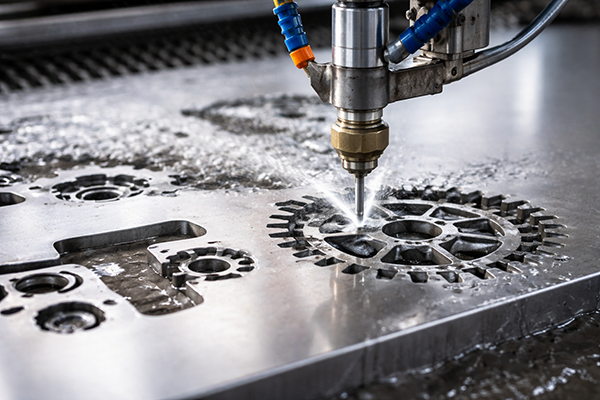
Cold-cutting technology for sensitive materials with 0.1-200mm range. Garnet-abrasive jets achieve ±0.1mm precision without HAZ. Specializes in multi-layer stacks (5-layer titanium) and fragile glass panels. Environmentally friendly with 90% water recycling.
Mass Production Service
Scalable high-volume sheet metal fabrication with automated production, strict quality control, and consistent precision. Supports fast lead times, stable batch consistency, cost-efficient manufacturing, and full production traceability for industrial applications.
Our Powerful Metal Cutting Part
Delivering precision laser cutting solutions with 0.05mm tolerance, we process stainless steel, aluminum, carbon steel (0.1-25mm thickness) and plastics using 6kW fiber lasers. Our ISO 9001-certified facility provides clean-cut edges (Ra 1.6μm) for complex geometries, perforated panels, and architectural metalwork with optional deburring/powder coating. Request instant quoting for your laser-cut prototypes or production runs.
Carbon Steel Laser Cutting
- 10+ Years of Laser Cutting Services
- Tolerances as tight as ±0.0002 in.(0.005mm)
- Part size: ≤3000MM*1500MM
- Lead times as fast as 3 working days
Stainless Steel Laser Cutting
- 10+ Years of Laser Cutting Services
- Tolerances as tight as ±0.0002 in.(0.005mm)
- Part size: ≤3000MM*1500MM
- Lead times as fast as 3 working days
Aluminum Laser Cutting
- 10+ Years of Laser Cutting Services
- Tolerances as tight as ±0.0002 in.(0.005mm)
- Part size: ≤3000MM*1500MM
- Lead times as fast as 3 working days
Laser Cutting Materials
Metals
Lightweight, high thermal conductivity, Excellent Machinability, Superior Dimensional Stability, Tight-Tolerance Capable, Perfect for Complex CNC Milling and Turning.
Price: $0
Lead Time: < 5 days
Tolerances: ±0.005″ (±0.125mm)
Max part size: 200 cm x 80 cm x 100 cm
Extremely lightweight (67% aluminum density), good vibration damping, requires surface treatment.
Price: $0
Lead Time: < 10 days
Tolerances: ±0.005″ (±0.125mm)
Max part size: 200 cm x 80 cm x 100 cm
Excellent malleability, corrosion-resistant, decorative finishes, suitable for intricate stamped panels.
Price: $0
Lead Time:
Tolerances:
Max part size:
High electrical conductivity, soft yet work-hardening, requires annealing during multi-stage forming.
Price: $0
Lead Time:
Tolerances:
Max part size:

Cost-effective formability, high strength-to-weight ratio, requires anti-rust coating for exposed edges.
Price: $0
Lead Time:
Tolerances:
Max part size:
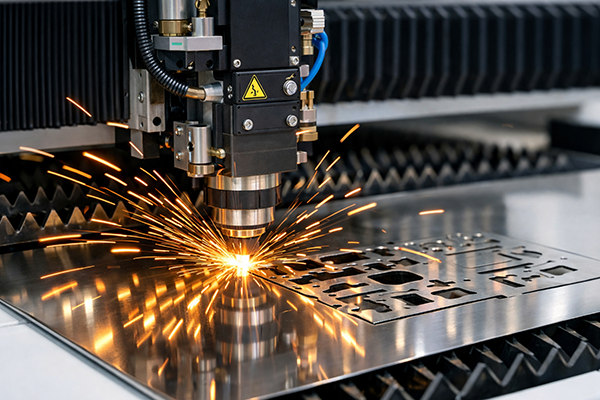
Corrosion-resistant, retains strength after welding, maintains integrity in harsh environments.
Price: $0
Lead Time:
Tolerances:
Max part size:
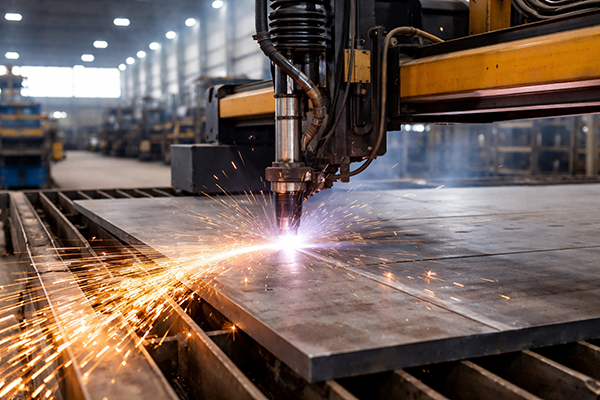
Aerospace-grade strength, biocompatible, seawater corrosion resistance, difficult to machine.
Price: $0
Lead Time: < 10 days
Tolerances: ±0.005″ (±0.125mm)
Max part size: 200 cm x 80 cm x 100 cm
Lightweight, high thermal conductivity, Excellent Machinability, Superior Dimensional Stability, Tight-Tolerance Capable, Perfect for Complex CNC Milling and Turning.
Price: $0
Lead Time: < 5 days
Tolerances: ±0.005″ (±0.125mm)
Max part size: 200 cm x 80 cm x 100 cm
Plastics
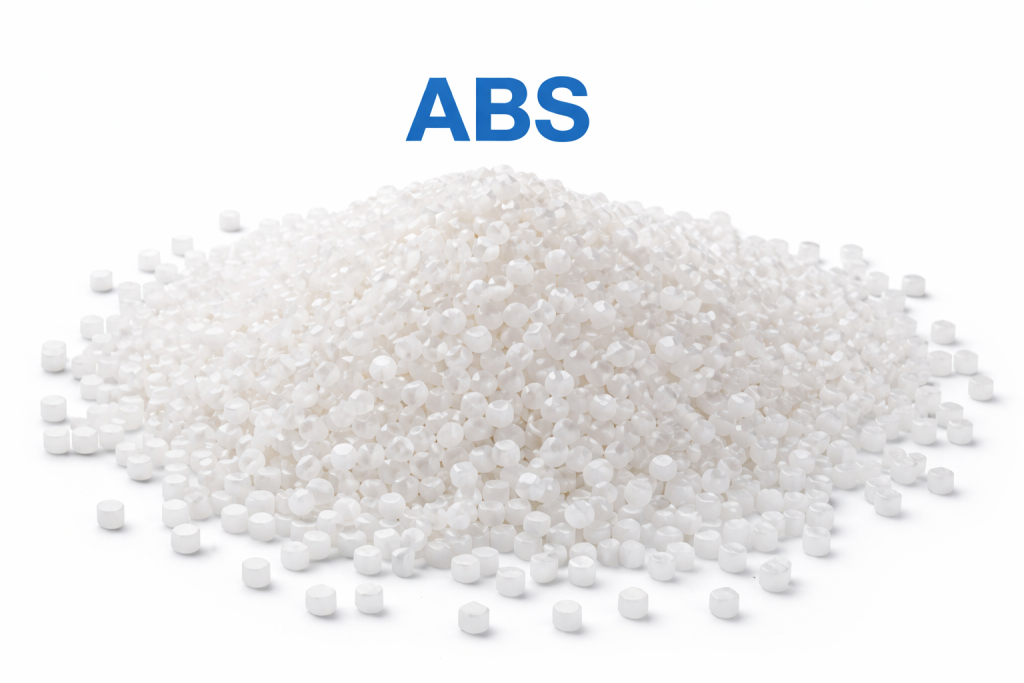
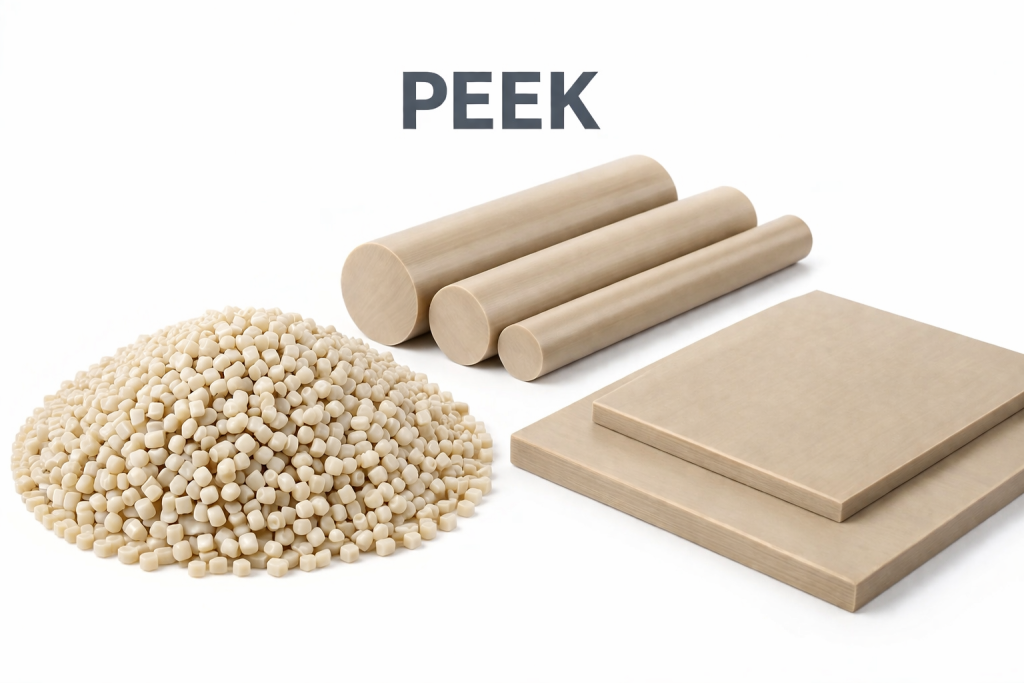
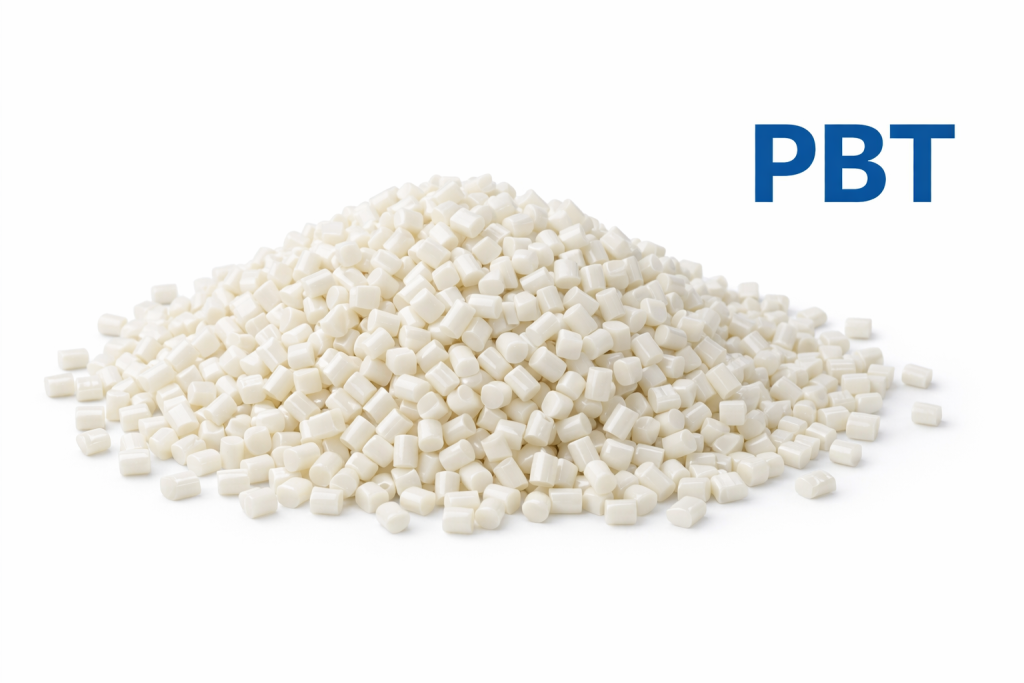
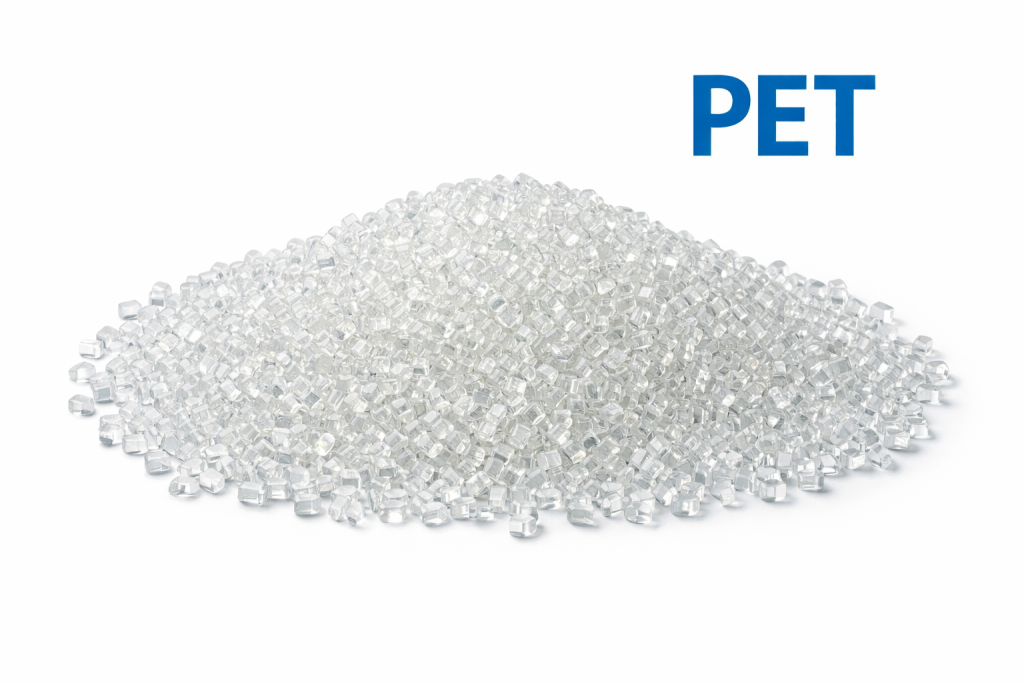
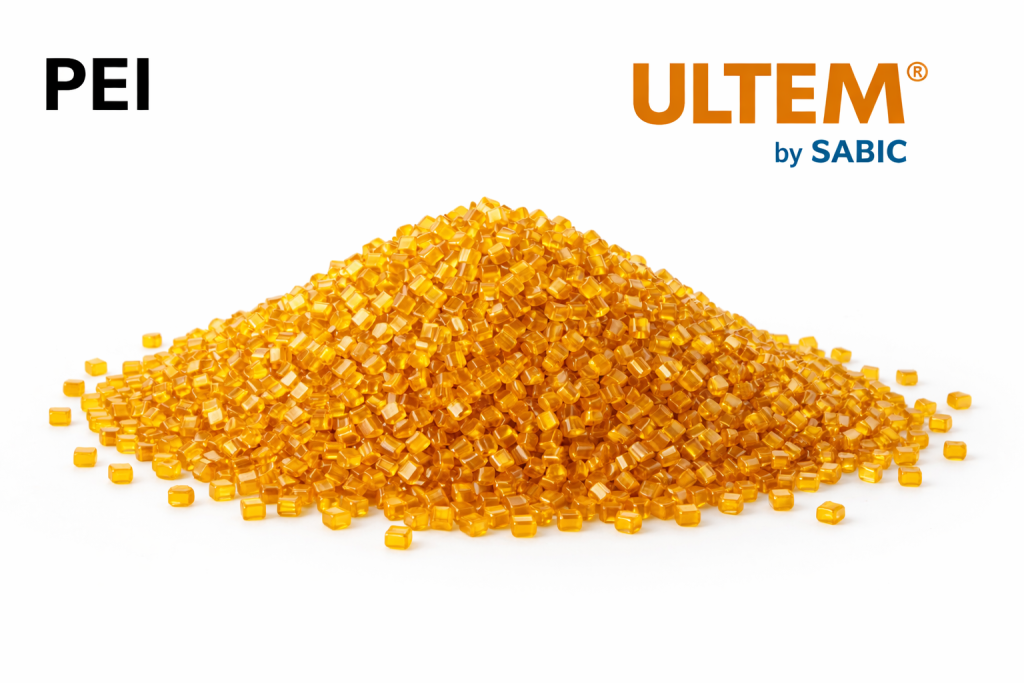
Fast-flowing melt, low shrinkage (0.4-0.7%), requires pre-drying (80°C/4h), ideal for automotive dashboards and consumer electronics housings.
Price: $0
Lead Time:
Tolerances:
Max part size:
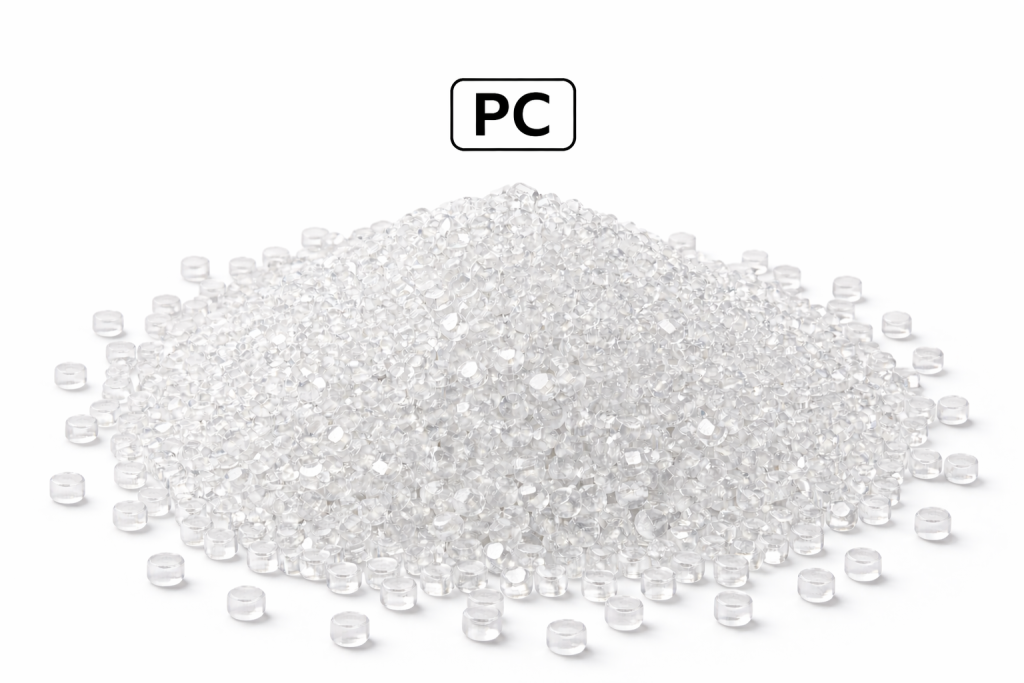
High melt viscosity (300-350°C processing), moisture-sensitive (0.02% max), optical-grade clarity for LED lenses and medical device components.
Price: $0
Lead Time:
Tolerances:
Max part size:
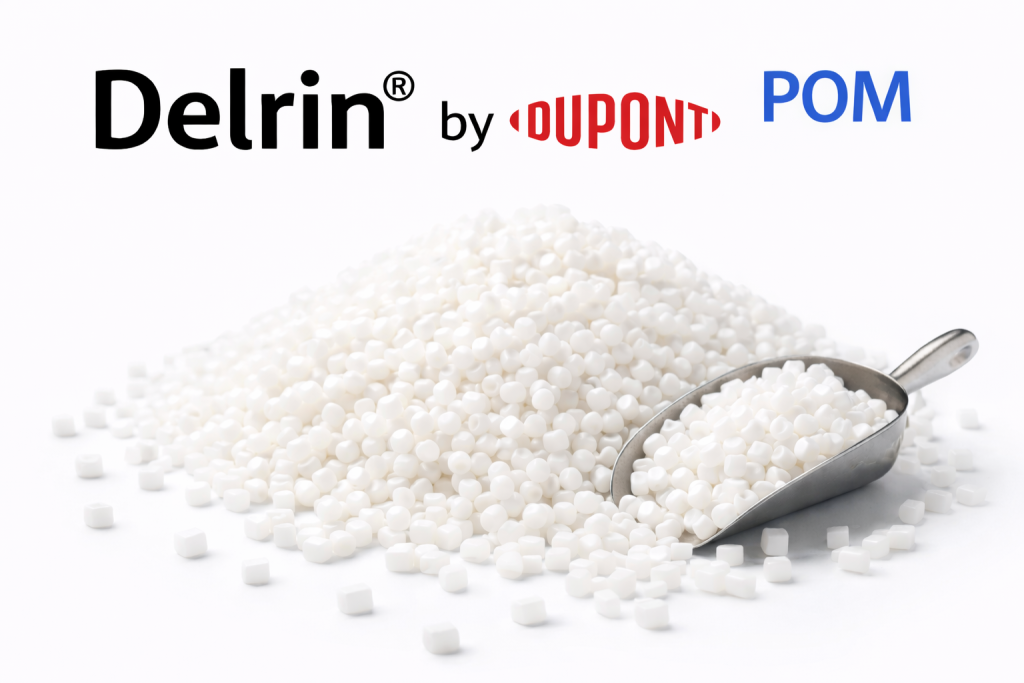
Crystallization-sensitive cooling (80-120°C mold), high dimensional stability, precision gears and fuel system valves.
Price: $0
Lead Time:
Tolerances:
Max part size:
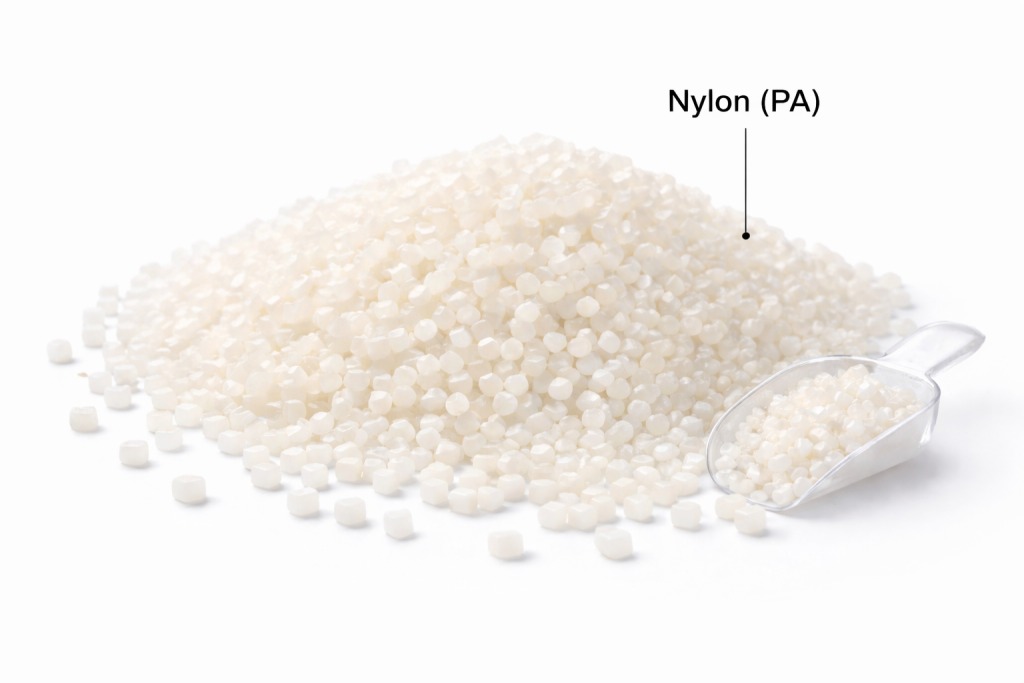
Moisture absorption (2.5-3.5%) requires post-molding annealing, self-lubricating bushings and automotive cable ties.
Price: $0
Lead Time:
Tolerances:
Max part size:
Extreme processing temps (380-400°C), low shrinkage (0.1-0.3%), aerospace bushings and surgical sterilization trays.
Price: $0
Lead Time:
Tolerances:
Max part size:
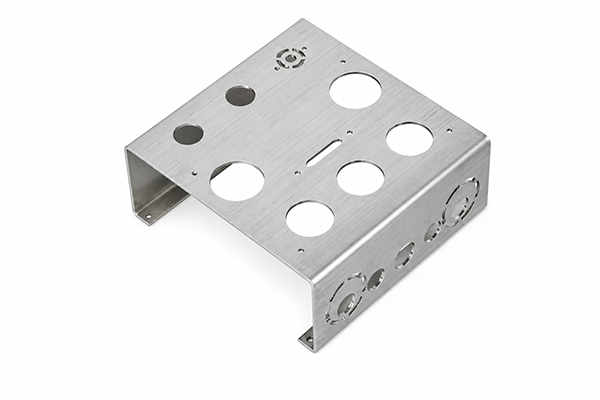
Heat distortion resistance (150°C), electrical insulation, glass-fiber reinforced automotive connectors.
Price: $0
Lead Time:
Tolerances:
Max part size:
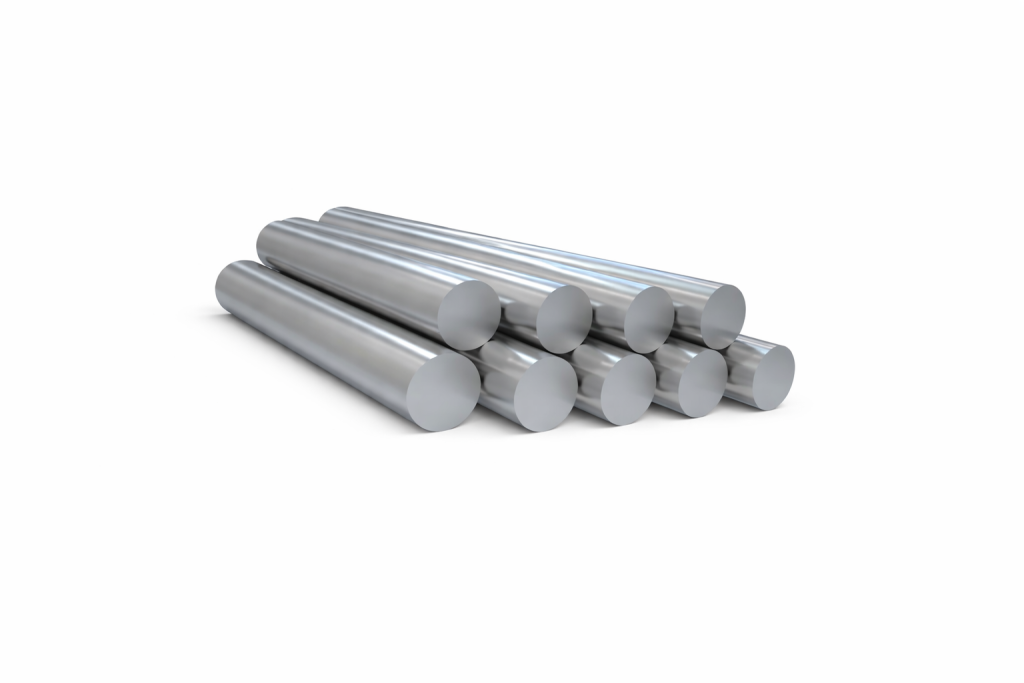
Aerospace-grade strength, biocompatible, seawater corrosion resistance, difficult to machine.
Price: $0
Lead Time: < 10 days
Tolerances: ±0.005″ (±0.125mm)
Max part size: 200 cm x 80 cm x 100 cm
Lightweight, high thermal conductivity, Excellent Machinability, Superior Dimensional Stability, Tight-Tolerance Capable, Perfect for Complex CNC Milling and Turning.
Price: $0
Lead Time: < 5 days
Tolerances: ±0.005″ (±0.125mm)
Max part size: 200 cm x 80 cm x 100 cm
Low melt strength (LDPE: 160-240°C), high flow rate for thin-wall containers and chemical-resistant pipeline fittings.
Price: $0
Lead Time:
Tolerances:
Max part size:
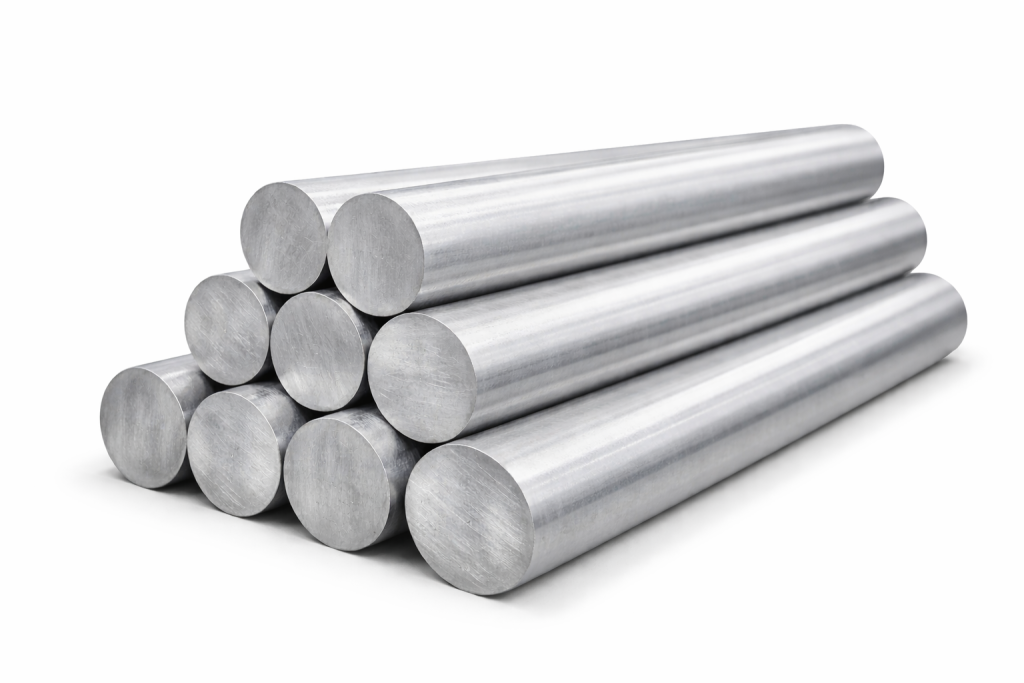
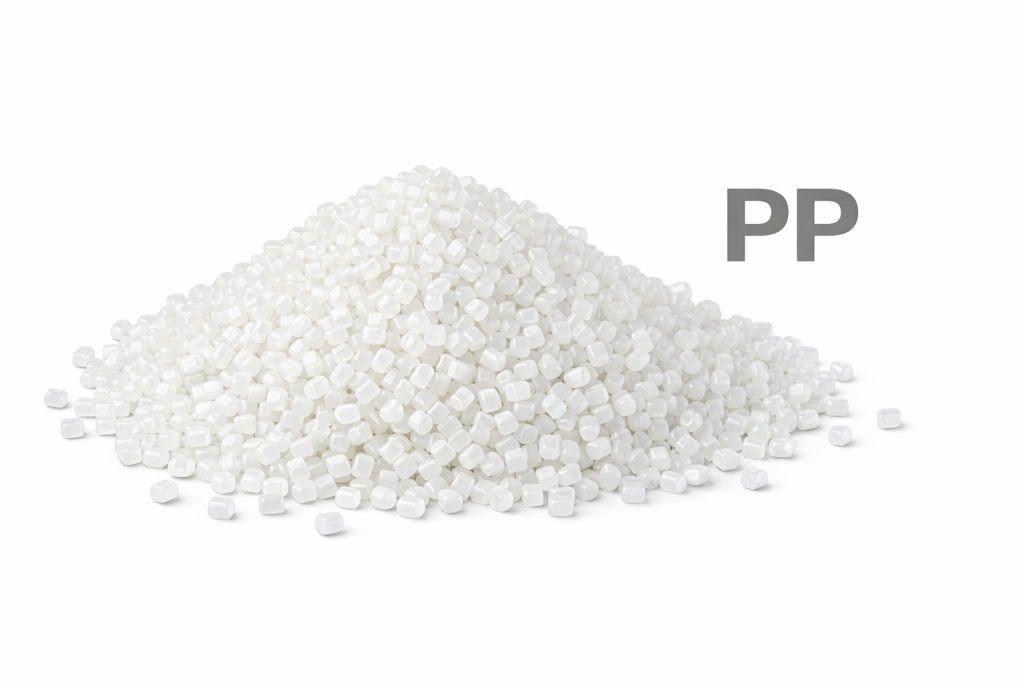
Low density (0.9g/cm³), living hinge capability, disposable syringes and automotive HVAC ducts.
Price: $0
Lead Time:
Tolerances:
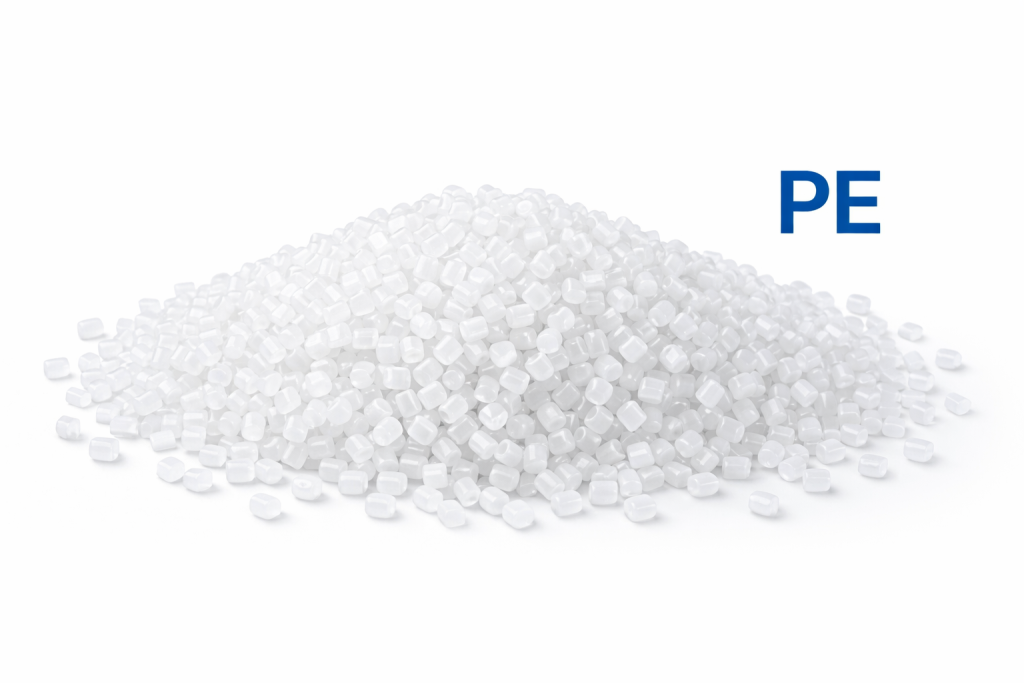
Max part size:
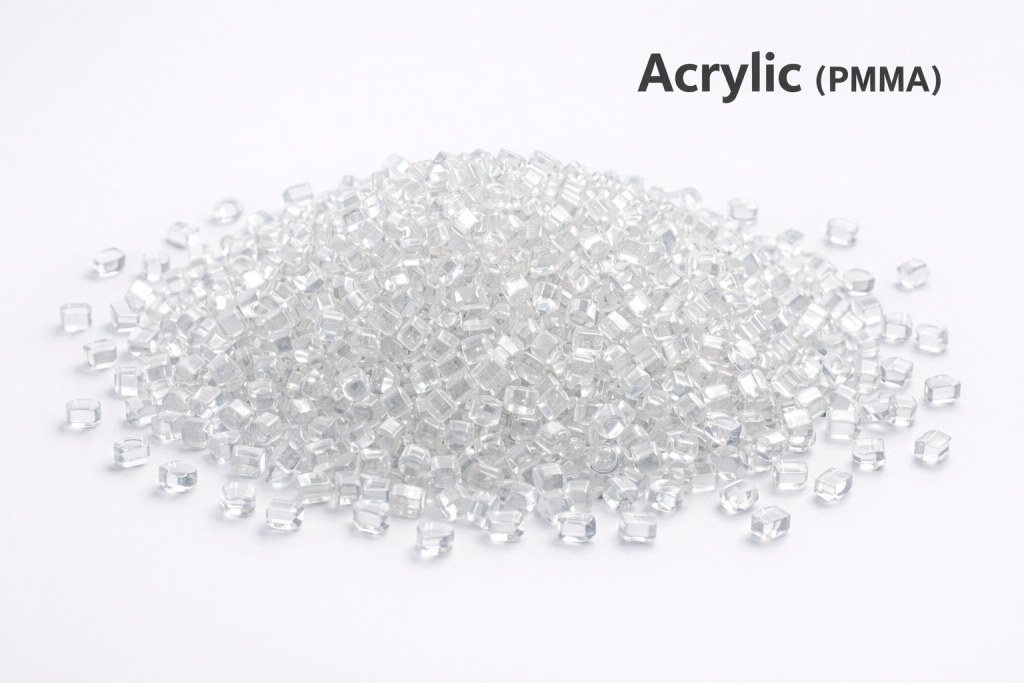
High mold temperature (60-80°C) reduces internal stress, low warpage, replaces glass in automotive taillights and cosmetic packaging.
Price: $0
Lead Time:
Tolerances:
Max part size:
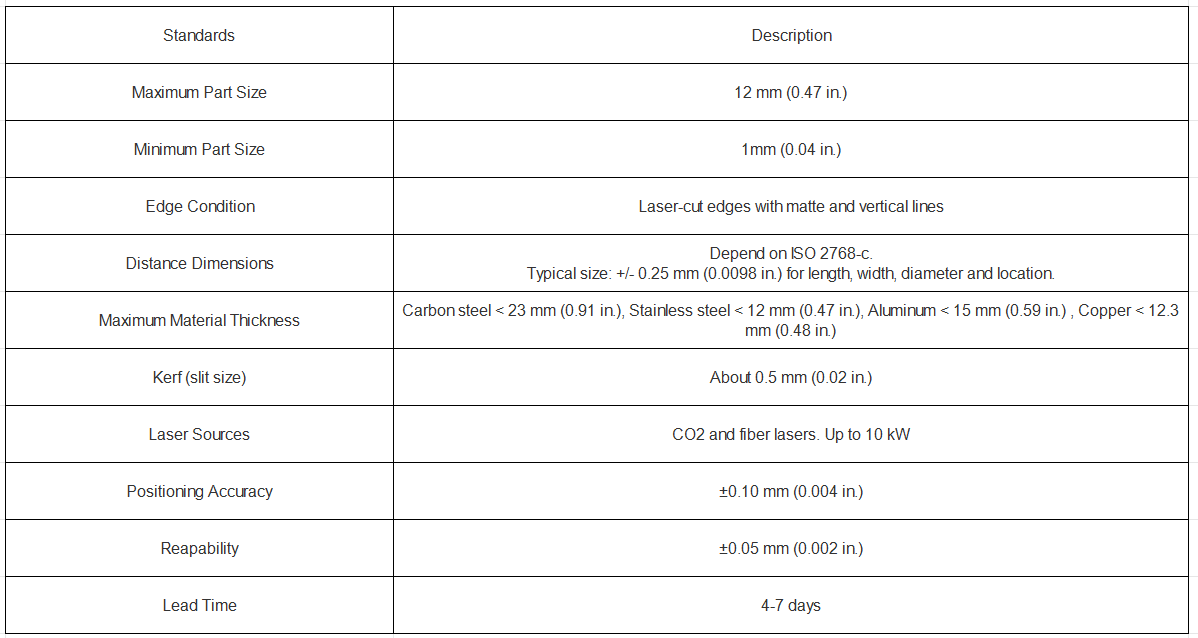
Sheet Metal Laser Cutting Standards
Surface Finishes by Material
Different materials require different finishing processes. Explore the most suitable surface finishes for aluminum, stainless steel, titanium, brass, copper, engineering plastics, and more to achieve the ideal balance of protection, appearance, and performance.
What is Laser Cutting?How Does Laser Cutting Work?
- Design & Programming:A CAD file defines the part geometry, which is converted into machine-readable code (e.g., G-code).Parameters like laser power, speed, and focal length are set based on material type and thickness.
- Material Preparation:Sheets or plates are cleaned and secured flat on the cutting bed to prevent movement.
- Laser Cutting Process:A laser generator (CO₂, fiber, or Nd) emits a high-intensity beam directed through mirrors or fiber optics.The focused beam (spot size as small as 0.1 mm) melts, burns, or vaporizes material along the programmed path.Assist gases (oxygen, nitrogen, or compressed air) blow away molten debris, ensuring clean edges.
- Post-Processing:Parts may undergo deburring, polishing, or surface treatments (e.g., powder coating) to meet specifications.
Success Stories of Laser Cutting Projects
FAQs
What are the two different ways of metal cutting?
Industrial metal cutting primarily employs two advanced systems: CNC laser cutters (thermal-based precision cutting) and waterjet cutters
(mechanical erosion process). Each technology offers unique advantages – lasers provide exceptional edge quality while waterjets enable cold-cutting
of sensitive materials.
What are the three cutting procedures?
Modern manufacturing utilizes three primary metal cutting techniques: laser cutting (thermal process), mechanical blade cutting (shearing force),
and abrasive waterjet cutting (erosion mechanism). These methods involve distinct physical interactions including localized melting, plastic
deformation, and particle erosion phenomena.
Which cutting method is better?
Plasma cutting offers superior efficiency and speed for most applications. However, laser cutting demonstrates faster processing speeds for materials
exceeding 0.25″ (6.35mm) thickness, while plasma maintains a speed advantage over oxy-fuel cutting for materials under 2″ (50mm).