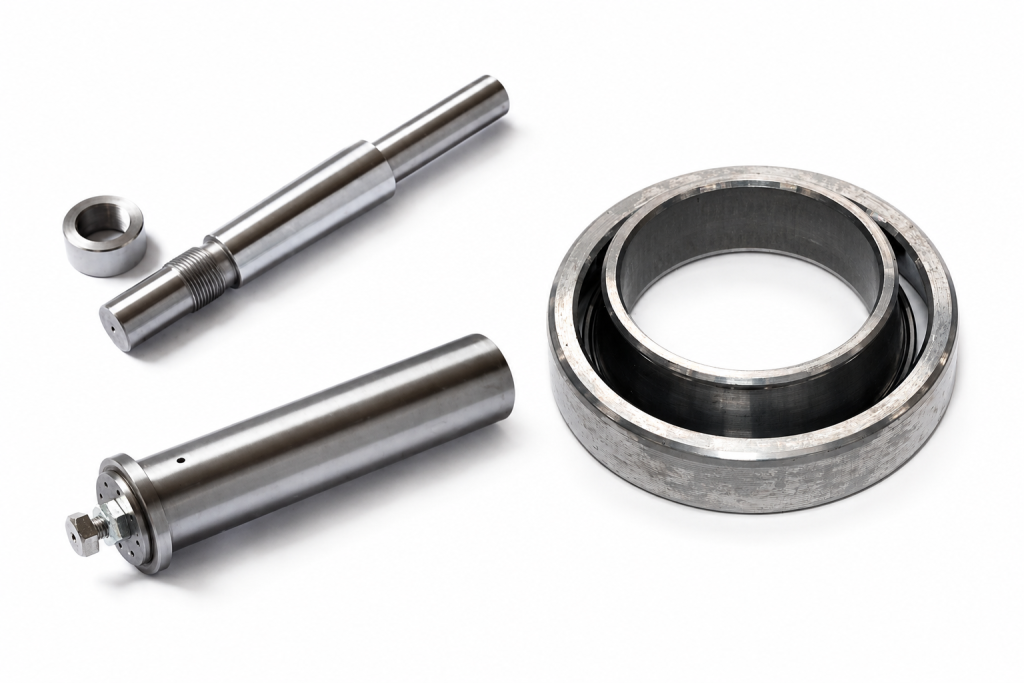
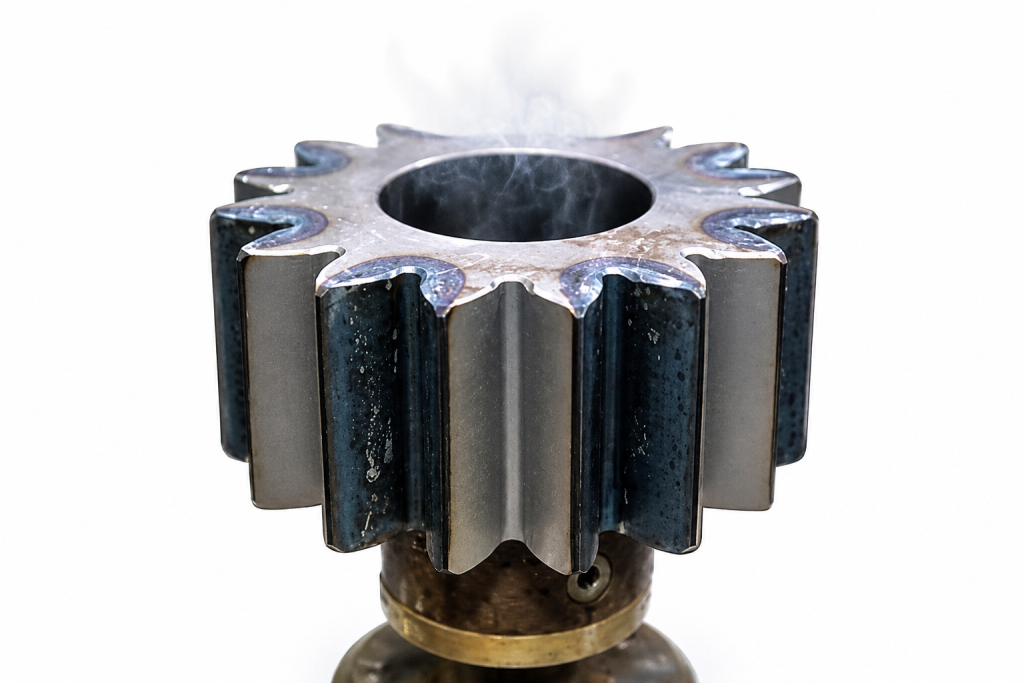
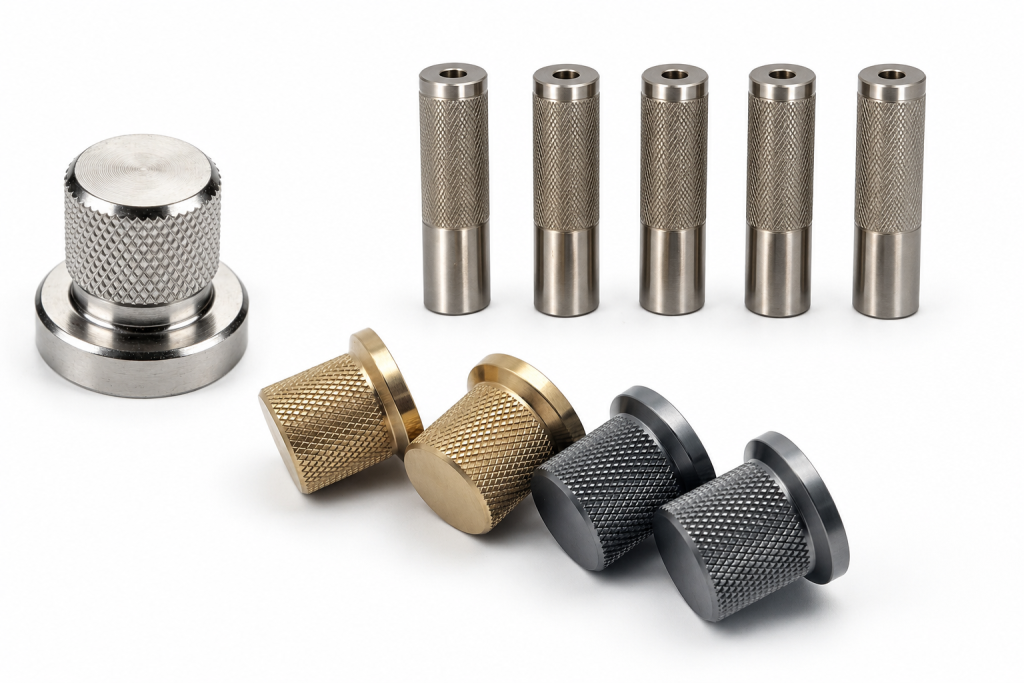
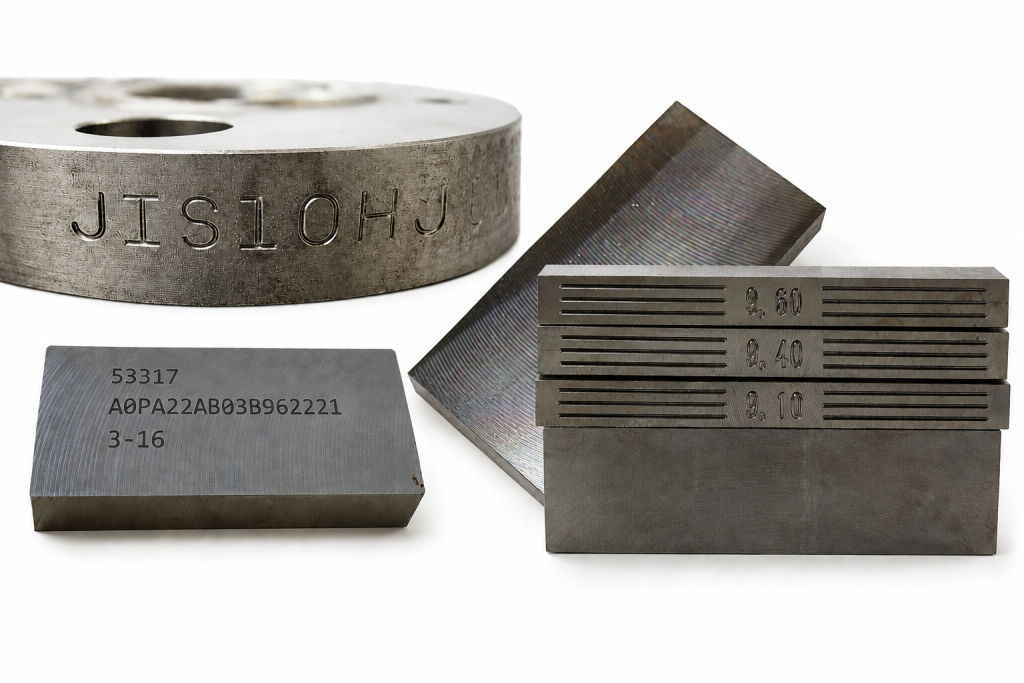
High-Pressure Die Casting Solutions
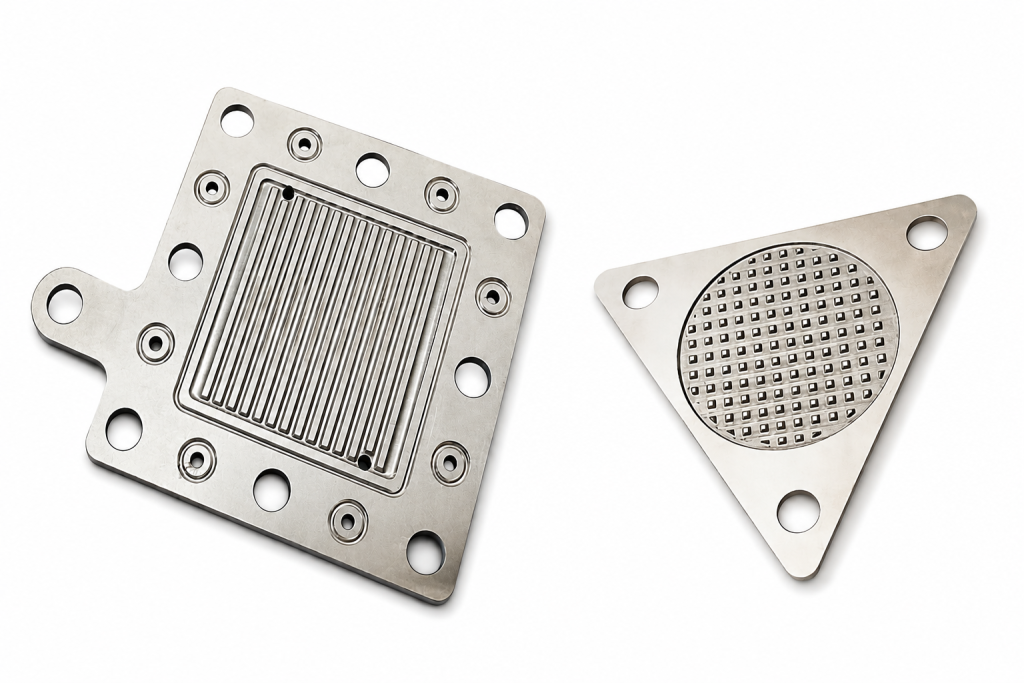
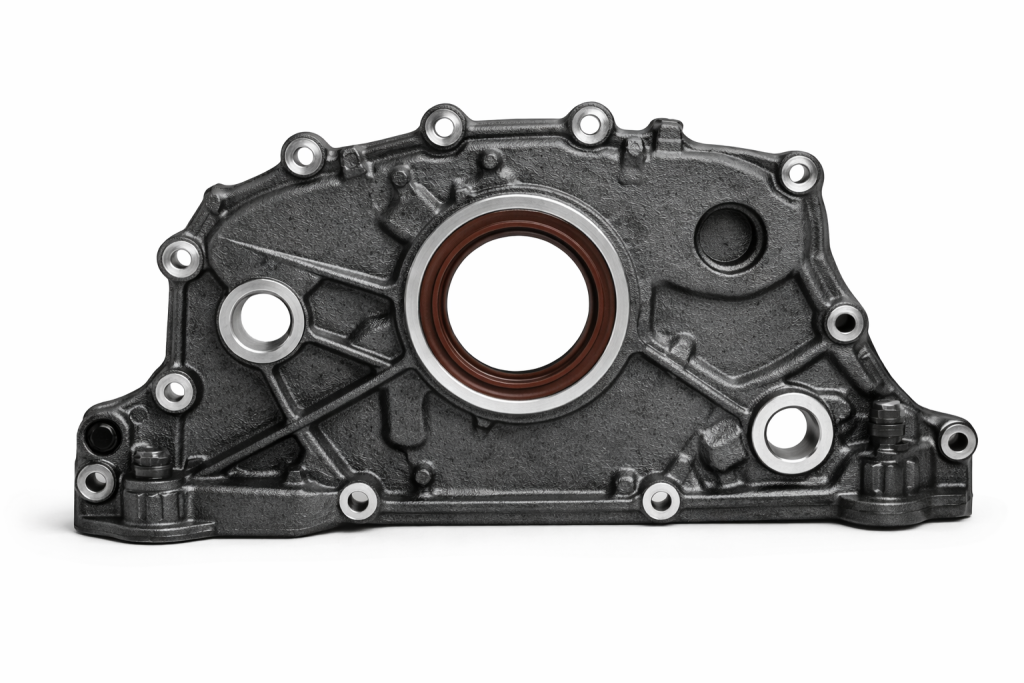
- Engine transmission housings
- Heat sink assemblies
- Power tool body frames
- LED lighting enclosures
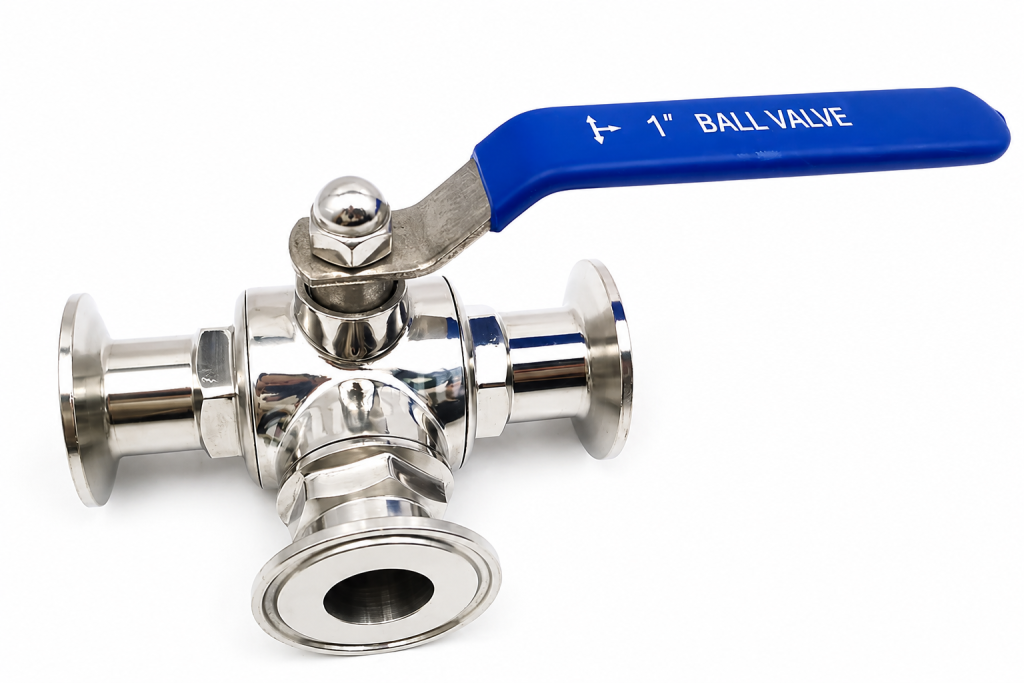
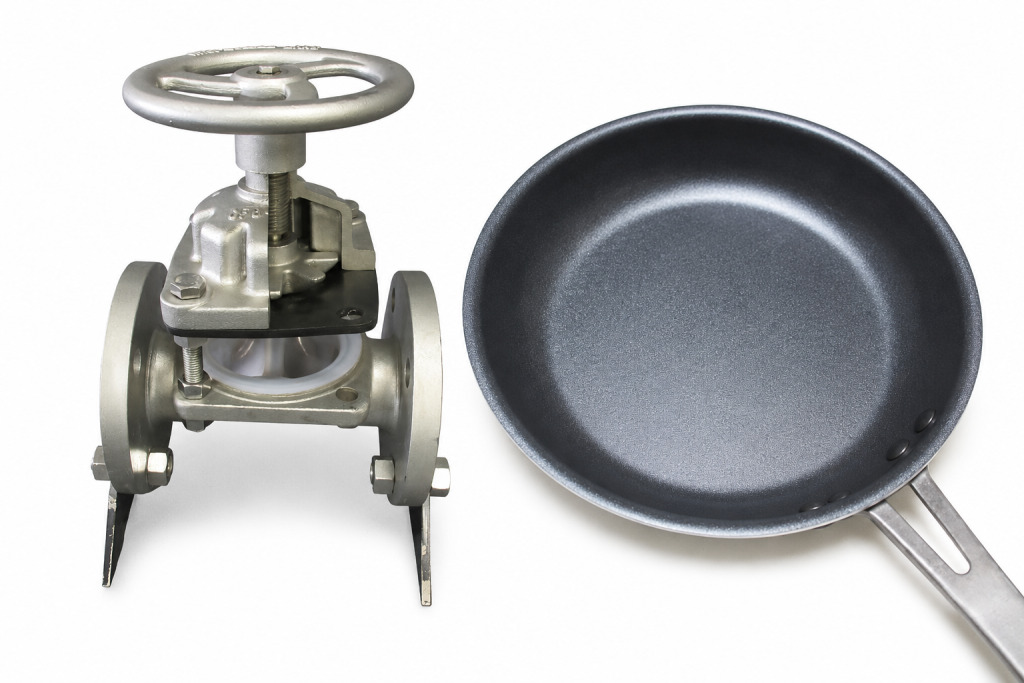
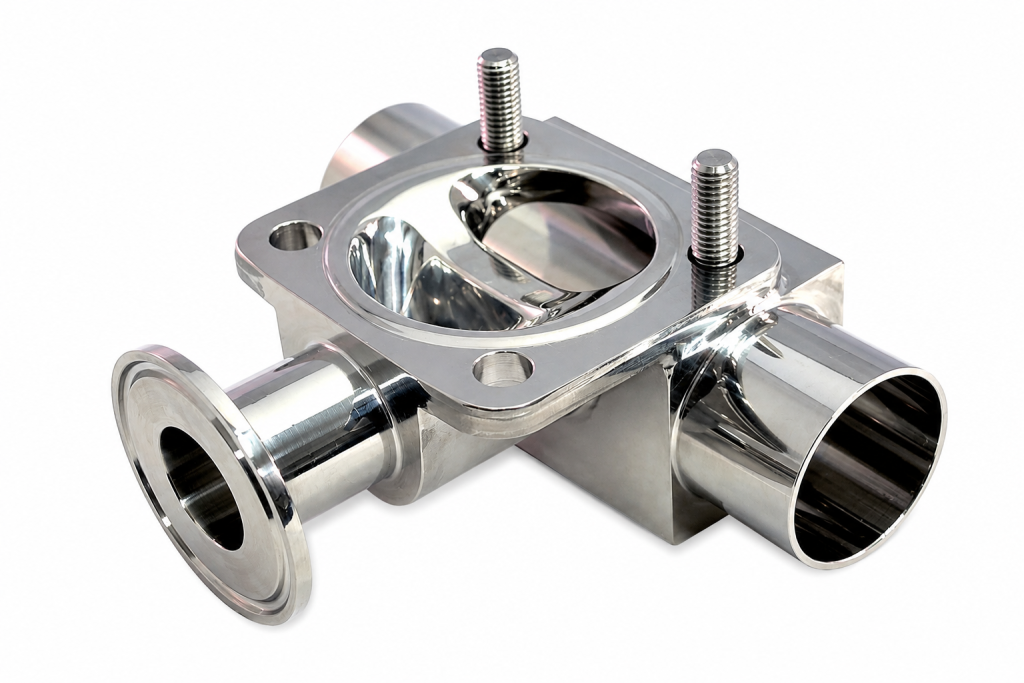
- Pump and valve bodies
- Aerospace sensor casings
Start A New Die Casting Quote
STEP | STP I SLDPRT I IPT I PRT I SAT FLES
Advanced Manufacturing Capabilities
Integrating Engineering Expertise, Advanced Manufacturing Processes, and Flexible Production Capabilities to Support Product Development from Initial Prototypes to Scalable Production.
High-Pressure Die Casting
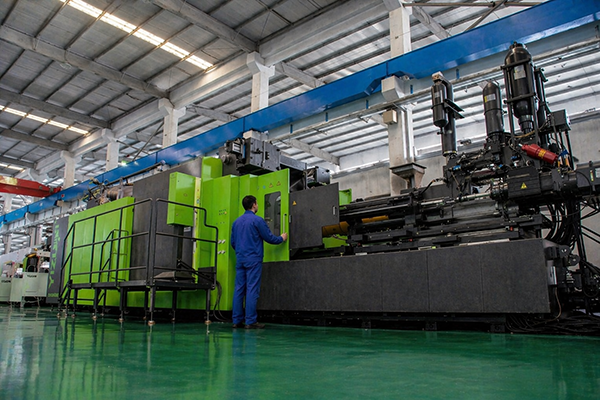
Produces thin-walled complex parts (e.g., engine housings) with rapid high-pressure injection. Achieves high precision but may cause porosity, requiring process control.
Vacuum Die Casting
Removes mold air pre-injection to minimize porosity, enhancing part integrity. Ideal for critical EV battery enclosures requiring durability, though tooling costs exceed standard methods.
Semi-Solid Die Casting
Uses partially solidified slurry (30-60% solid) to minimize shrinkage and improve structural integrity. Perfect for aerospace valves but needs precise temperature control.
Squeeze Casting
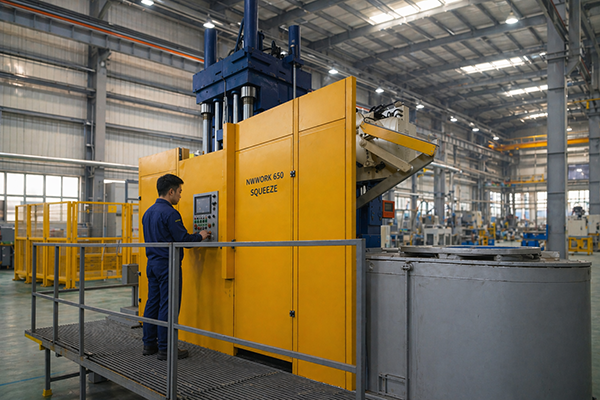
Applies extreme pressure (1,000+ MPa) post-filling to eliminate voids and boost material density. Produces dense parts like wheel hubs but requires strong molds.
Our Precision Die Casting Parts
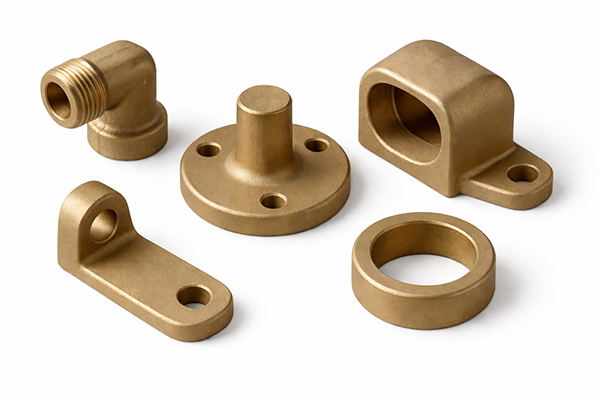
Brass Casting
- 10+ Years of Die Casting Services
- Tolerances as tight as ±0.0004 in.(0.01mm)
- MOQ:100 PCS
- Lead times as fast as 15 working days
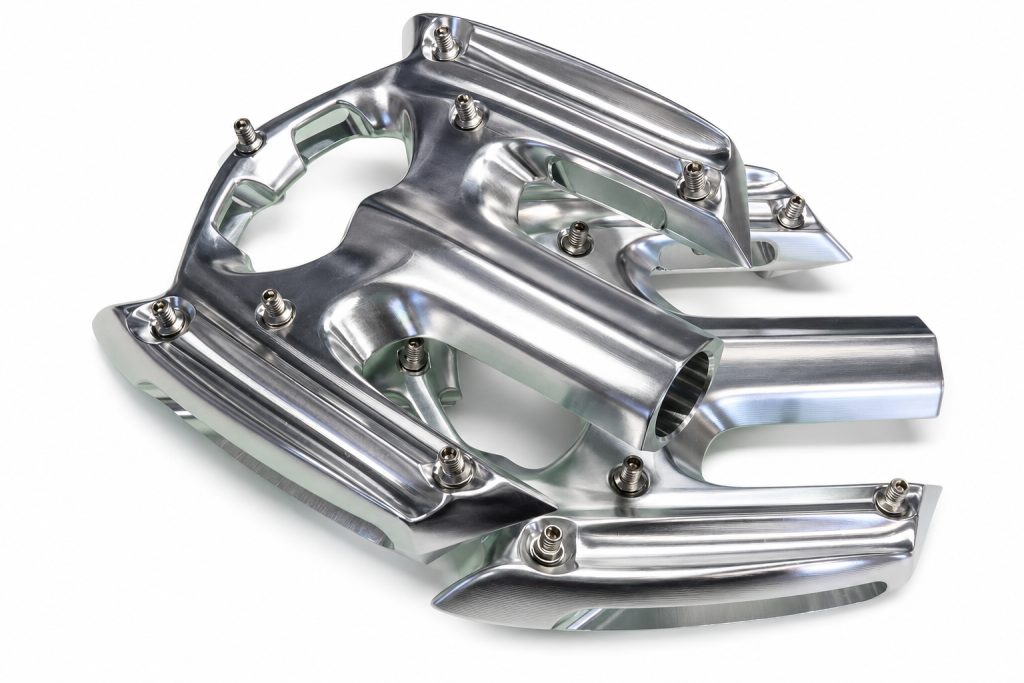
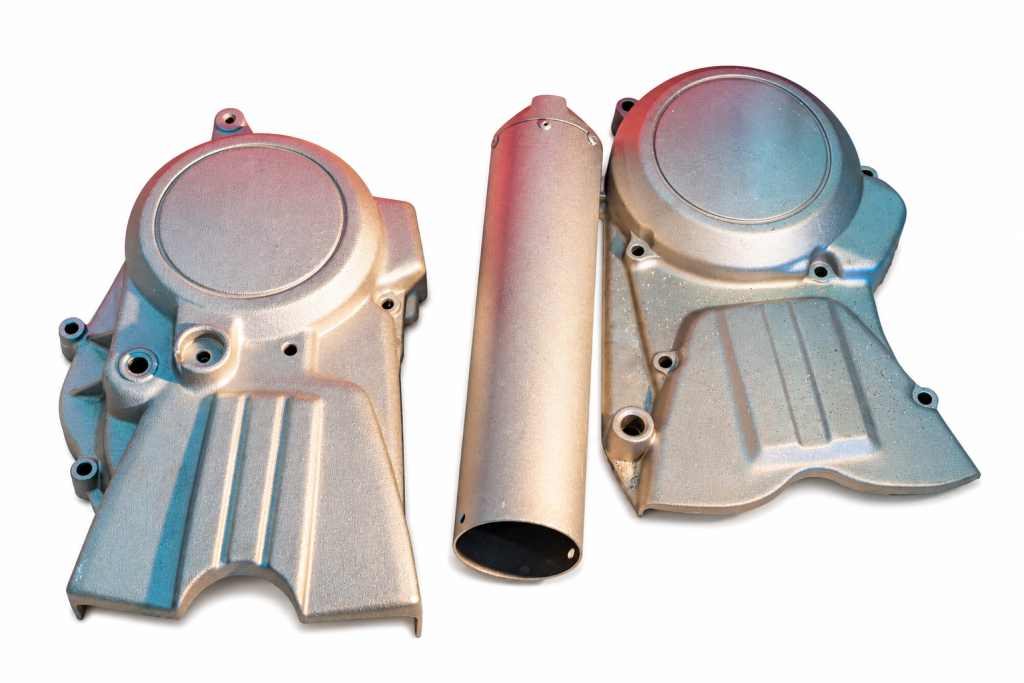
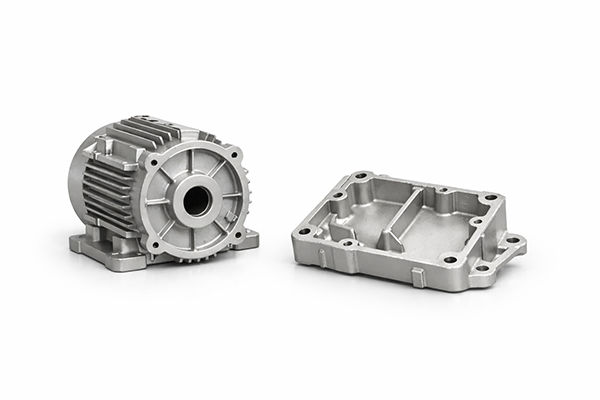
High Pressure Die Casting Al Motor Housing & End Cover
- 10+ Years of Die Casting Services
- Tolerances as tight as ±0.0004 in.(0.01mm)
- MOQ:100 PCS
- Lead times as fast as 15 working days
Customized Water Pump Housing
- 10+ Years of Die Casting Services
- Tolerances as tight as ±0.0004 in.(0.01mm)
- MOQ:100 PCS
- Lead times as fast as 15 working days
Die Casting Materials
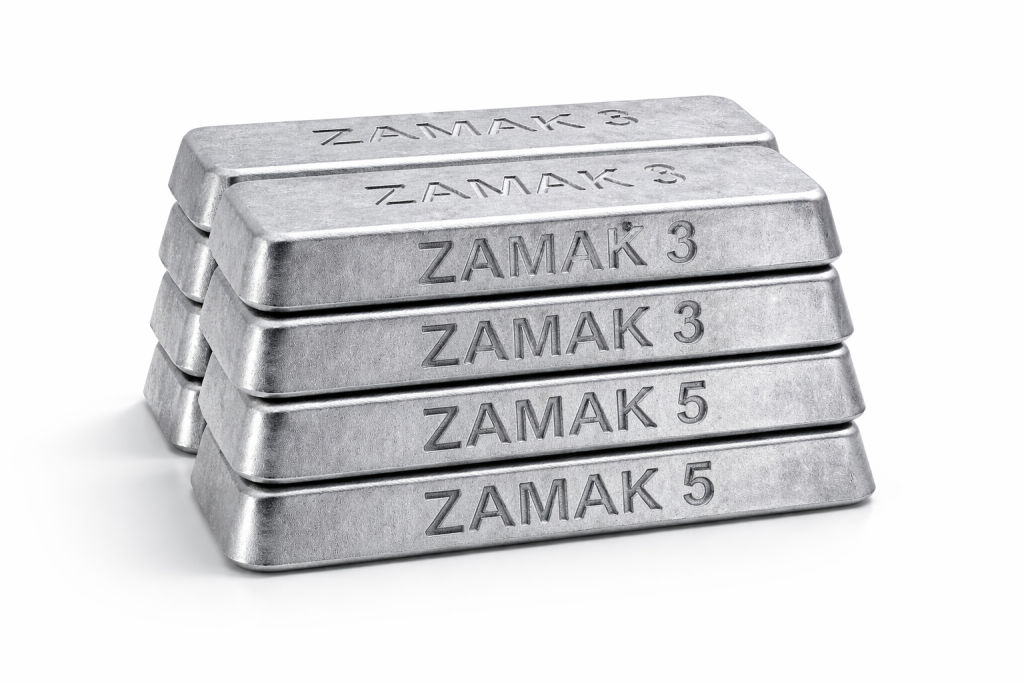
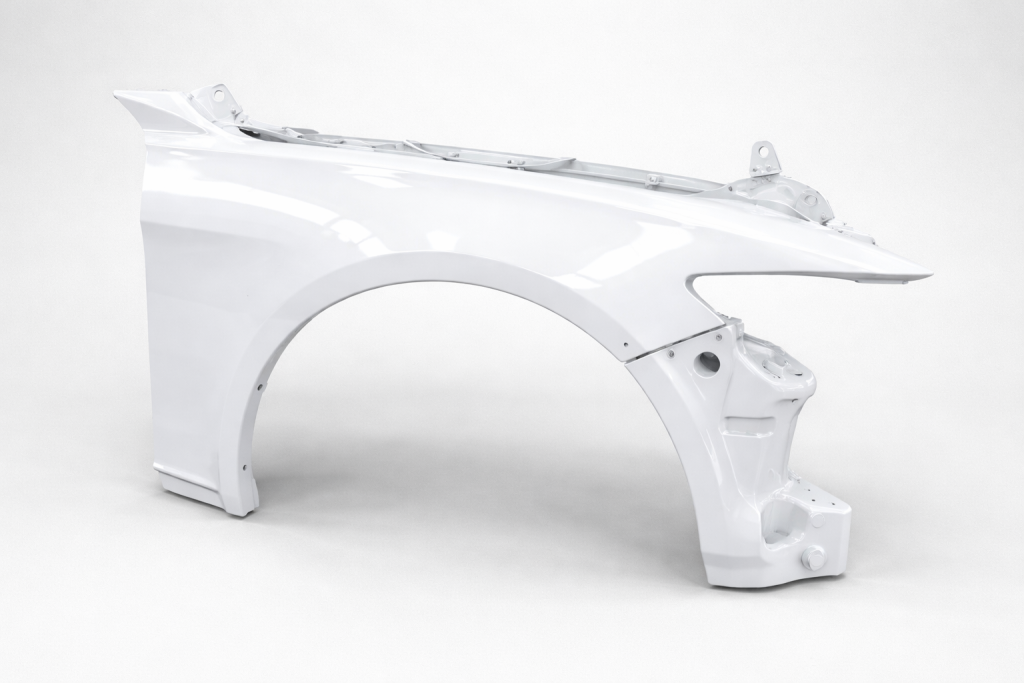
High-pressure casting of aluminum A380, zinc ZAMAK 3, and magnesium AZ91D with ±0.25mm tolerances. Multi-slide machines produce thin-wall (1.2mm) components for automotive and IoT housings with Class A surface finishes.
Metals
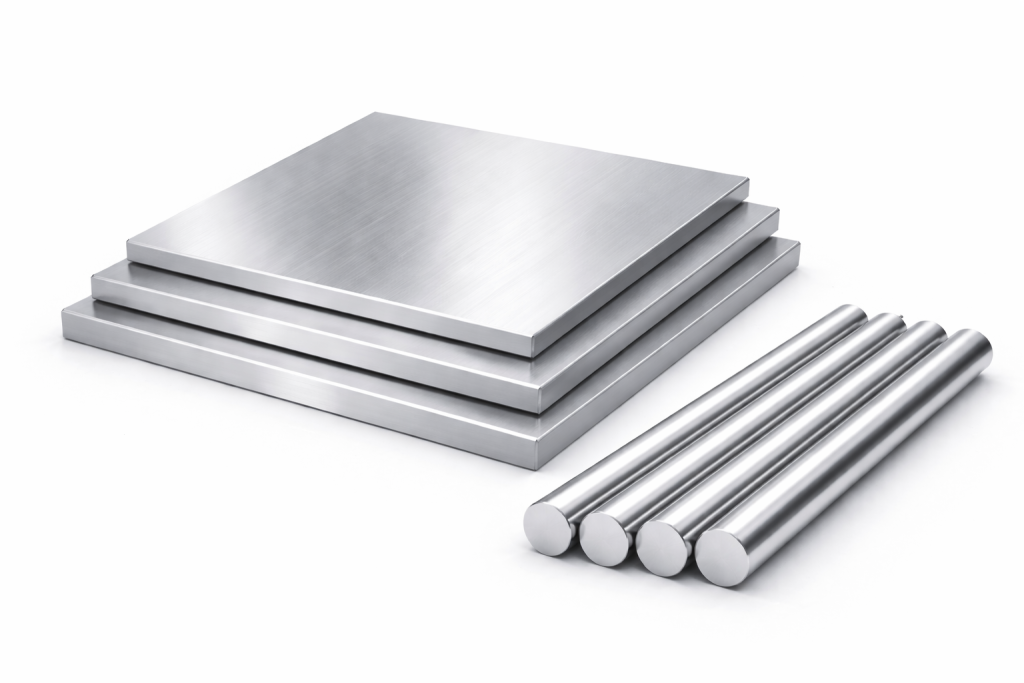
Lightweight, high thermal conductivity, Excellent Machinability, Superior Dimensional Stability, Tight-Tolerance Capable, Perfect for Complex CNC Milling and Turning.
Price: $0
Lead Time: < 5 days
Tolerances: ±0.005″ (±0.125mm)
Max part size: 200 cm x 80 cm x 100 cm
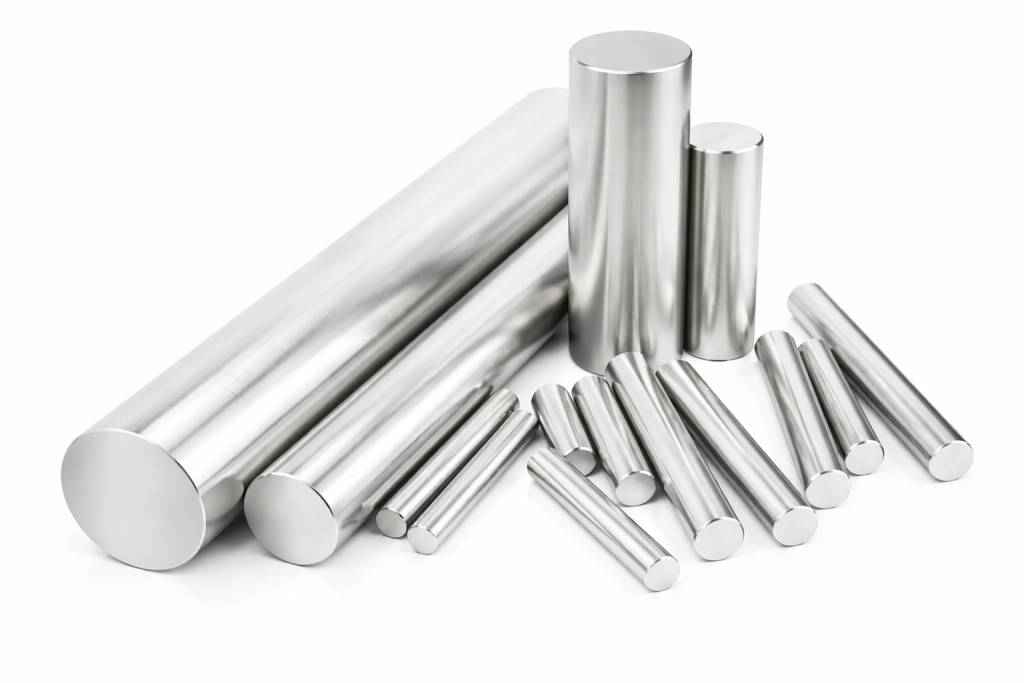
Extremely lightweight (67% aluminum density), good vibration damping, requires surface treatment.
Price: $0
Lead Time: < 10 days
Tolerances: ±0.005″ (±0.125mm)
Max part size: 200 cm x 80 cm x 100 cm
Excellent malleability, corrosion-resistant, decorative finishes, suitable for intricate stamped panels.
Price: $0
Lead Time:
Tolerances:
Max part size:
High electrical conductivity, soft yet work-hardening, requires annealing during multi-stage forming.
Price: $0
Lead Time:
Tolerances:
Max part size:

Cost-effective formability, high strength-to-weight ratio, requires anti-rust coating for exposed edges.
Price: $0
Lead Time:
Tolerances:
Max part size:
Corrosion-resistant, retains strength after welding, maintains integrity in harsh environments.
Price: $0
Lead Time:
Tolerances:
Max part size:
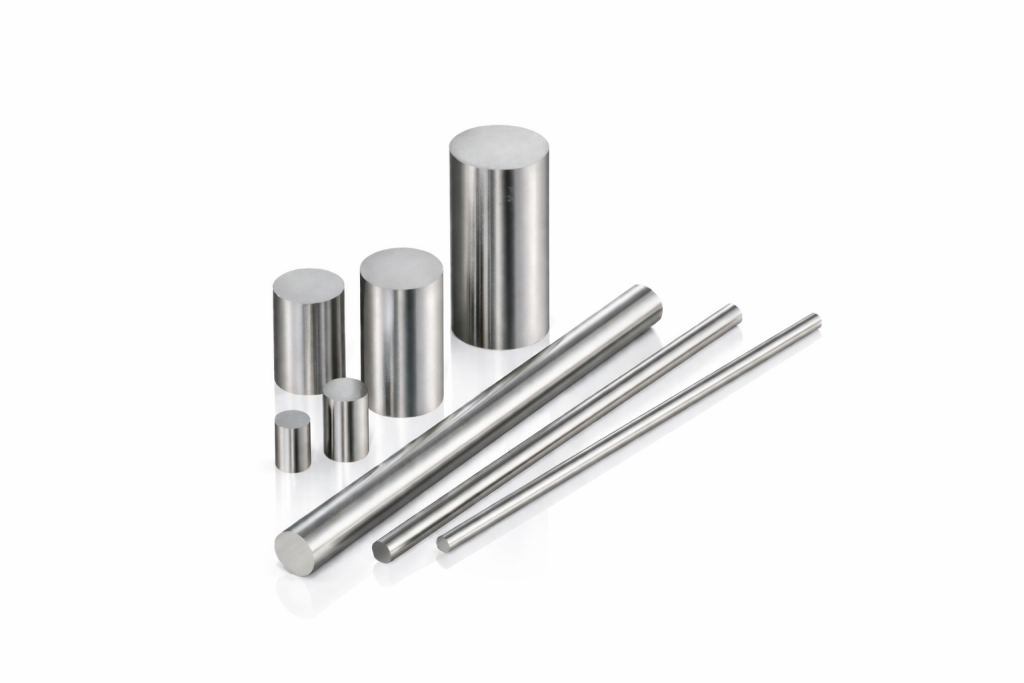
Aerospace-grade strength, biocompatible, seawater corrosion resistance, difficult to machine.
Price: $0
Lead Time: < 10 days
Tolerances: ±0.005″ (±0.125mm)
Max part size: 200 cm x 80 cm x 100 cm
Lightweight, high thermal conductivity, Excellent Machinability, Superior Dimensional Stability, Tight-Tolerance Capable, Perfect for Complex CNC Milling and Turning.
Price: $0
Lead Time: < 5 days
Tolerances: ±0.005″ (±0.125mm)
Max part size: 200 cm x 80 cm x 100 cm
Plastics
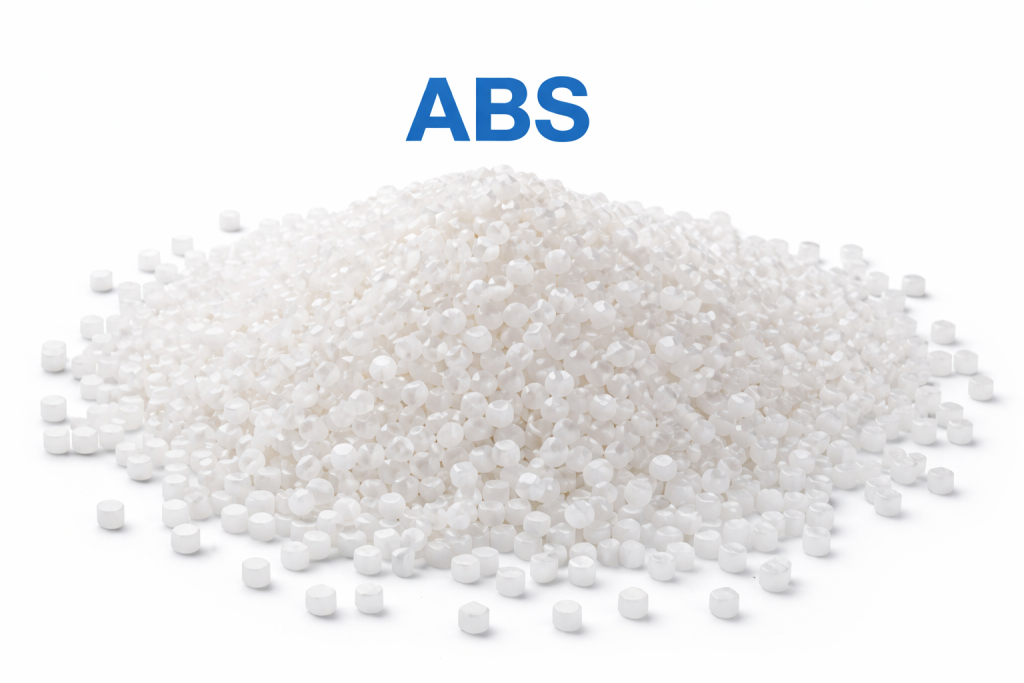
Fast-flowing melt, low shrinkage (0.4-0.7%), requires pre-drying (80°C/4h), ideal for automotive dashboards and consumer electronics housings.
Price: $0
Lead Time:
Tolerances:
Max part size:
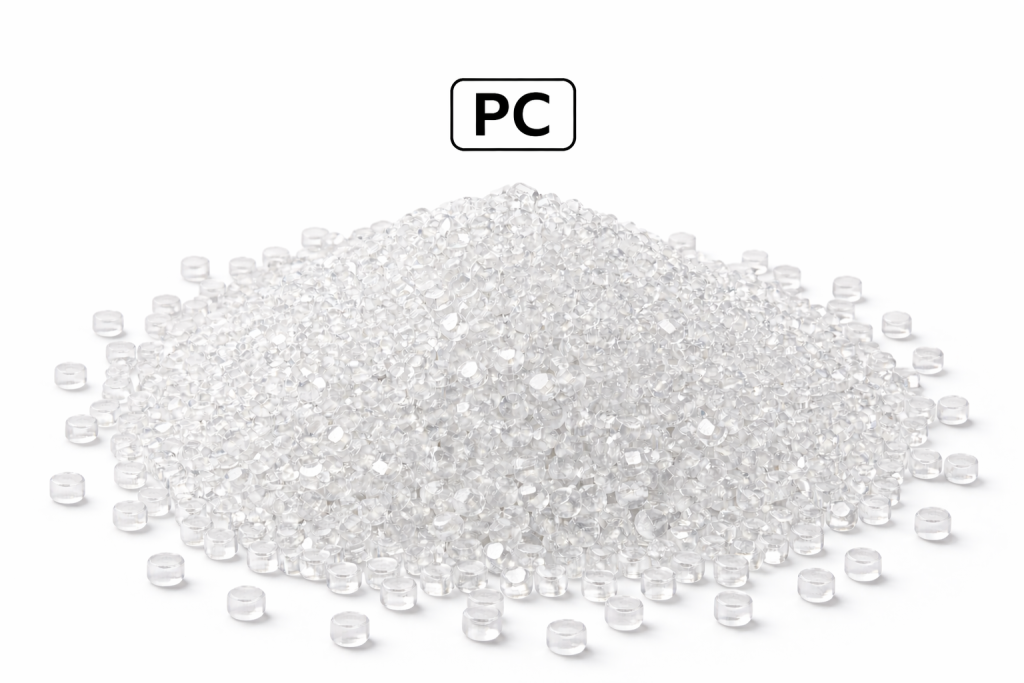
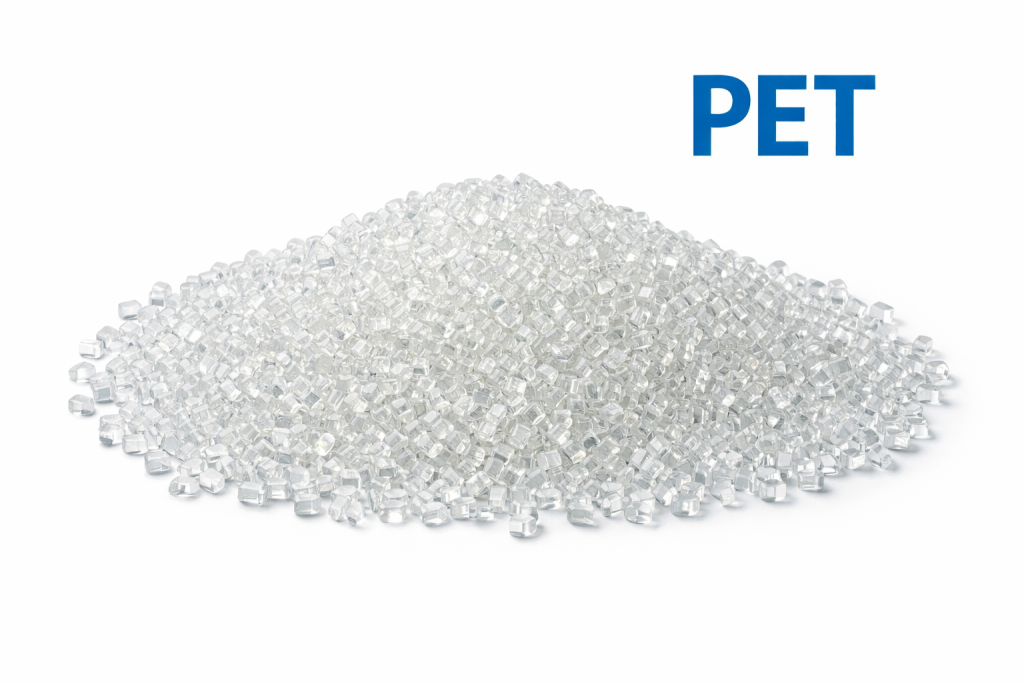
High melt viscosity (300-350°C processing), moisture-sensitive (0.02% max), optical-grade clarity for LED lenses and medical device components.
Price: $0
Lead Time:
Tolerances:
Max part size:
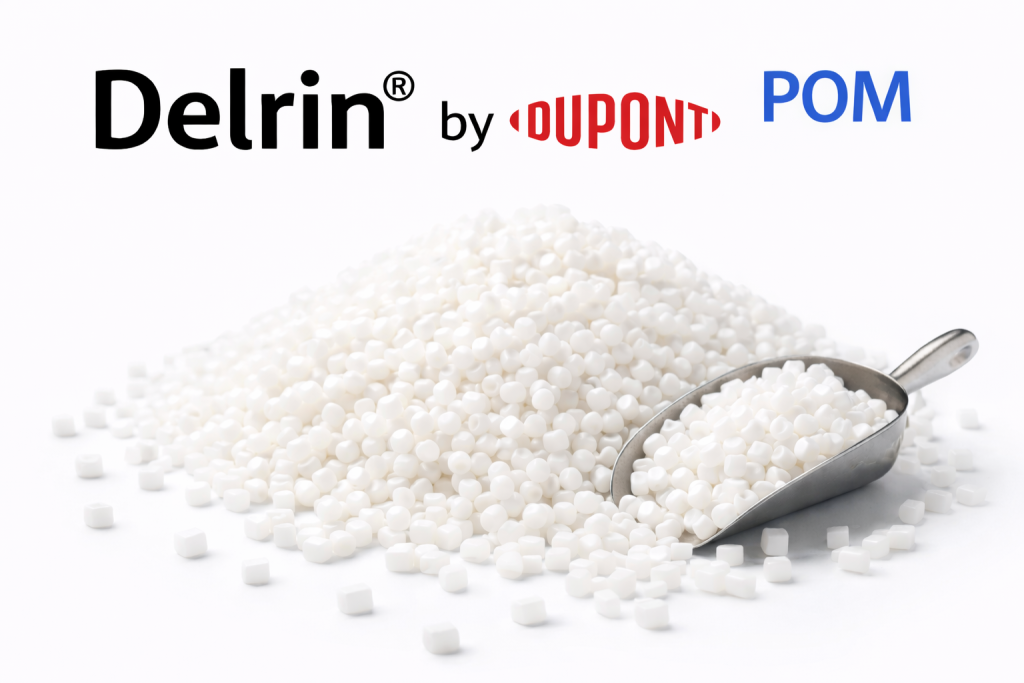
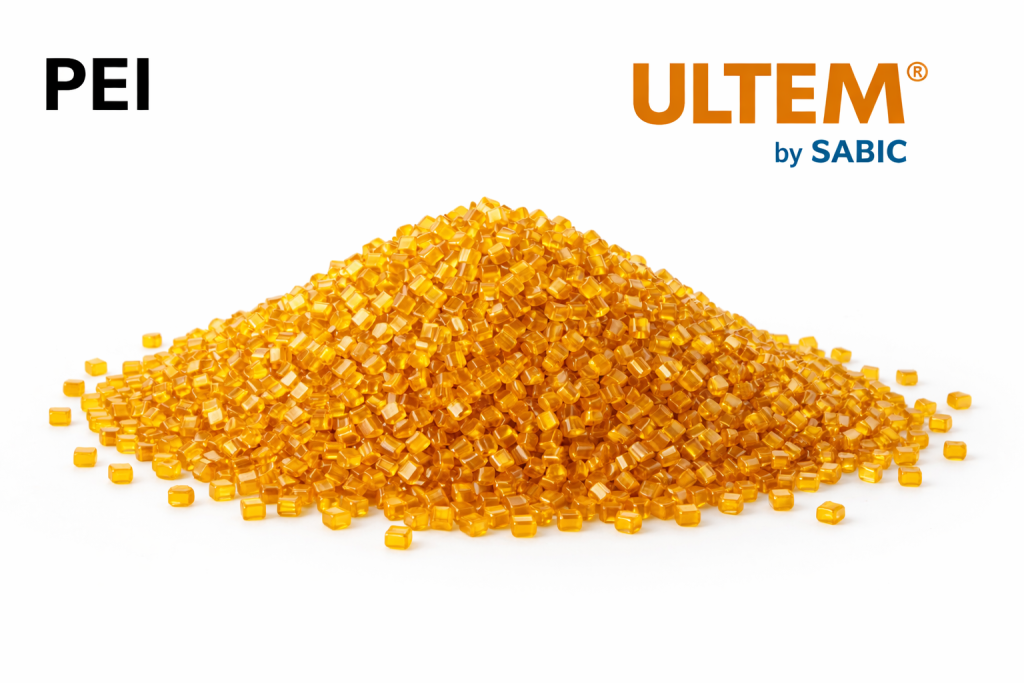
Crystallization-sensitive cooling (80-120°C mold), high dimensional stability, precision gears and fuel system valves.
Price: $0
Lead Time:
Tolerances:
Max part size:
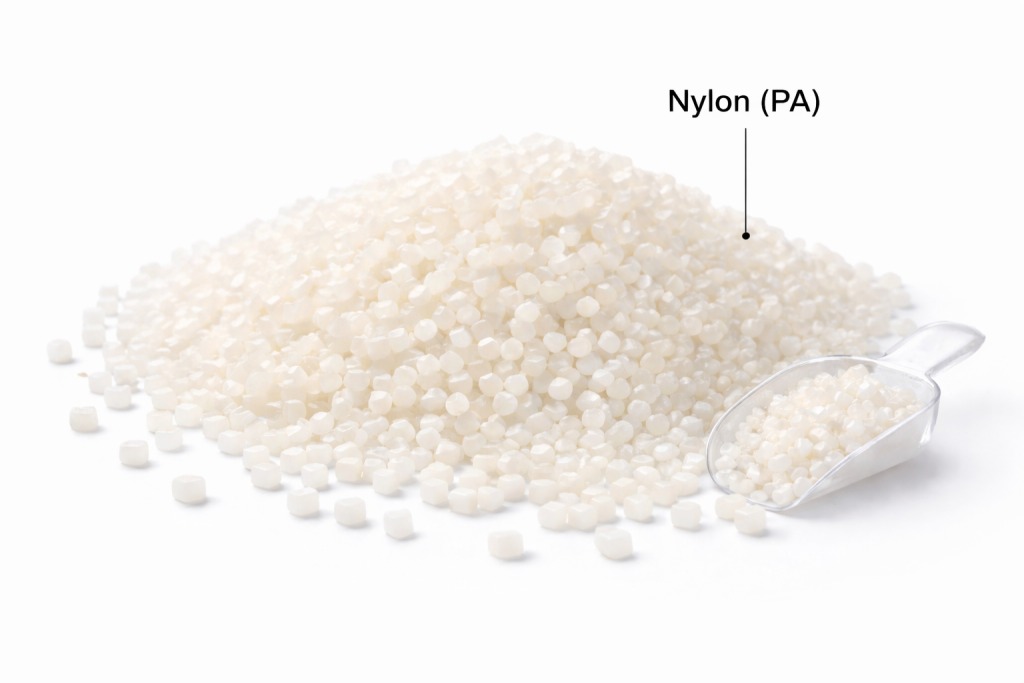
Moisture absorption (2.5-3.5%) requires post-molding annealing, self-lubricating bushings and automotive cable ties.
Price: $0
Lead Time:
Tolerances:
Max part size:
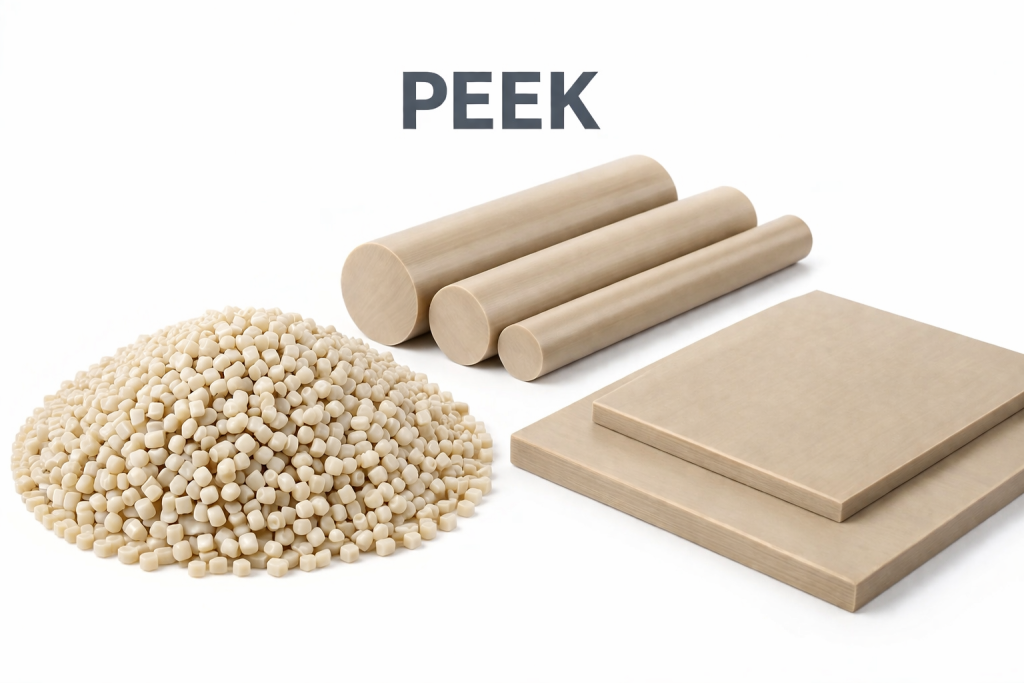
Extreme processing temps (380-400°C), low shrinkage (0.1-0.3%), aerospace bushings and surgical sterilization trays.
Price: $0
Lead Time:
Tolerances:
Max part size:
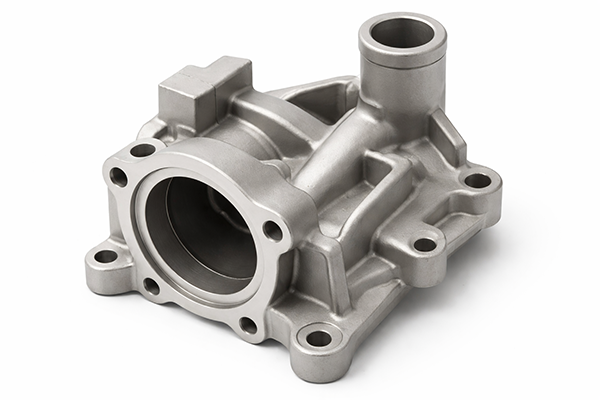
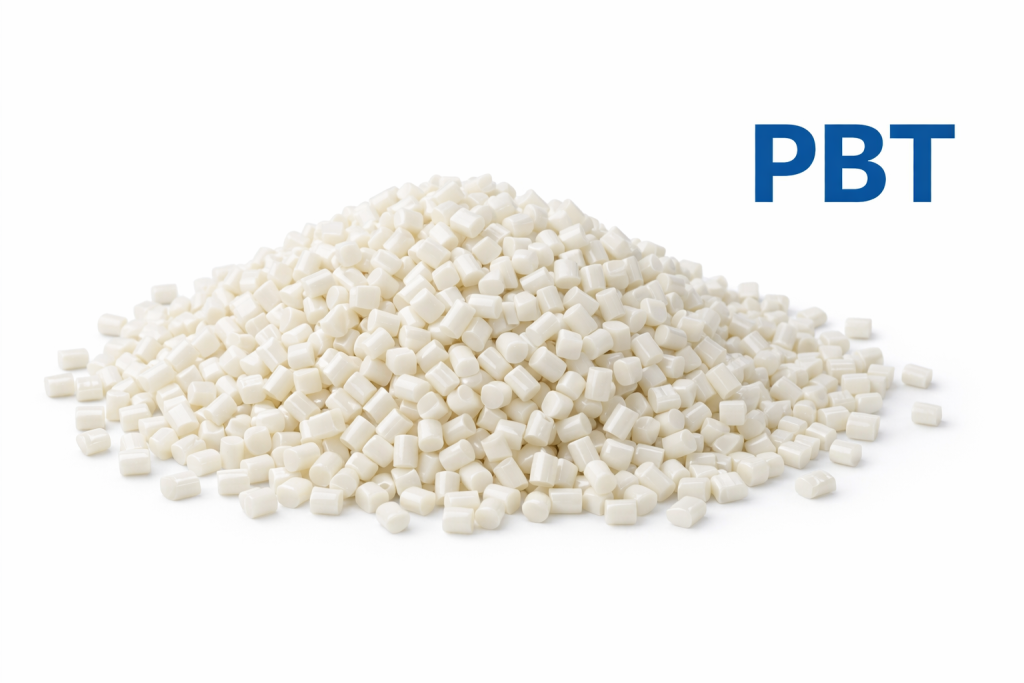
Heat distortion resistance (150°C), electrical insulation, glass-fiber reinforced automotive connectors.
Price: $0
Lead Time:
Tolerances:
Max part size:
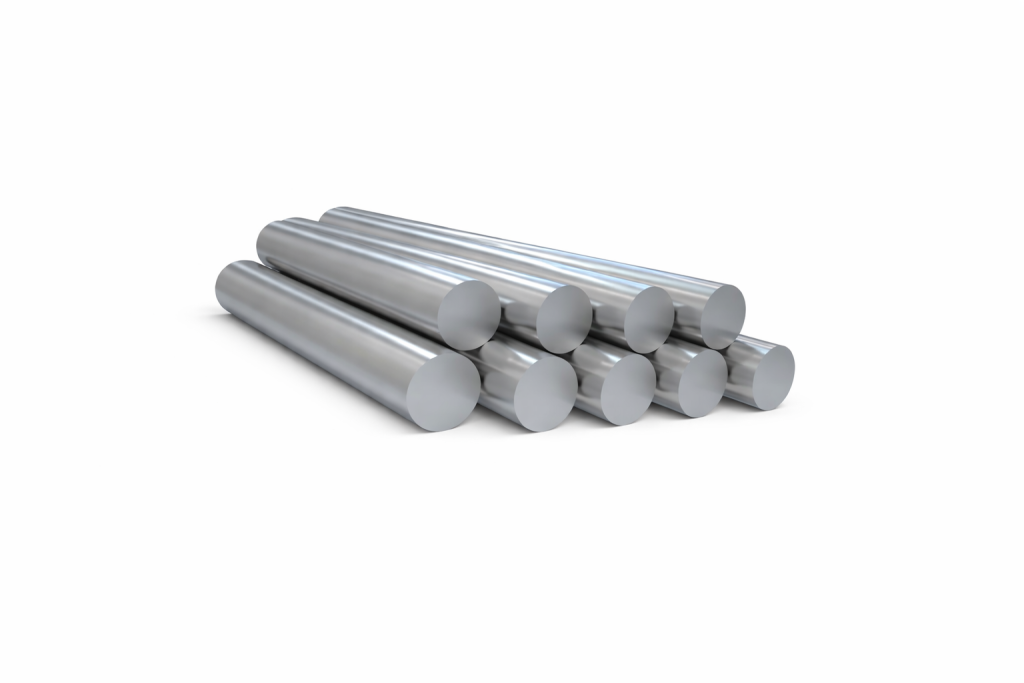
Aerospace-grade strength, biocompatible, seawater corrosion resistance, difficult to machine.
Price: $0
Lead Time: < 10 days
Tolerances: ±0.005″ (±0.125mm)
Max part size: 200 cm x 80 cm x 100 cm
Lightweight, high thermal conductivity, Excellent Machinability, Superior Dimensional Stability, Tight-Tolerance Capable, Perfect for Complex CNC Milling and Turning.
Price: $0
Lead Time: < 5 days
Tolerances: ±0.005″ (±0.125mm)
Max part size: 200 cm x 80 cm x 100 cm
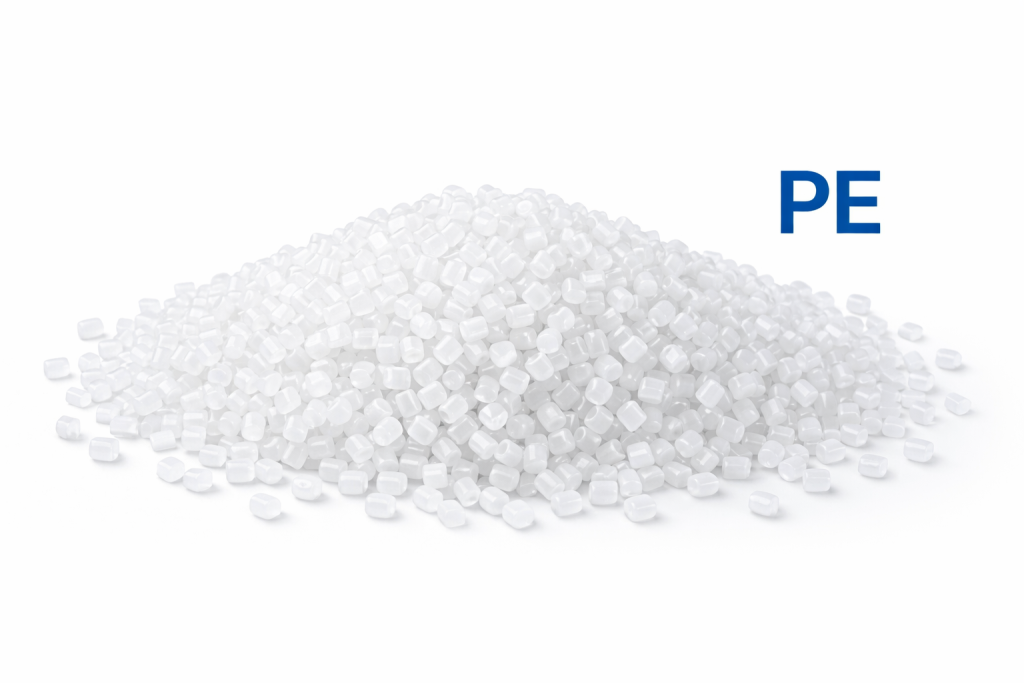
Low melt strength (LDPE: 160-240°C), high flow rate for thin-wall containers and chemical-resistant pipeline fittings.
Price: $0
Lead Time:
Tolerances:
Max part size:
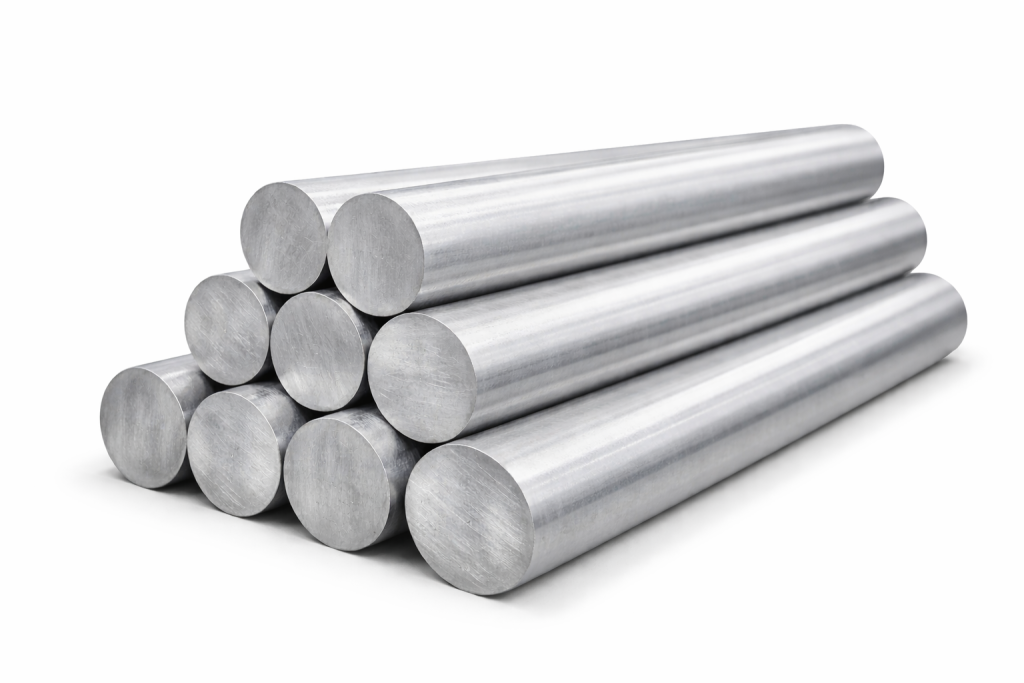
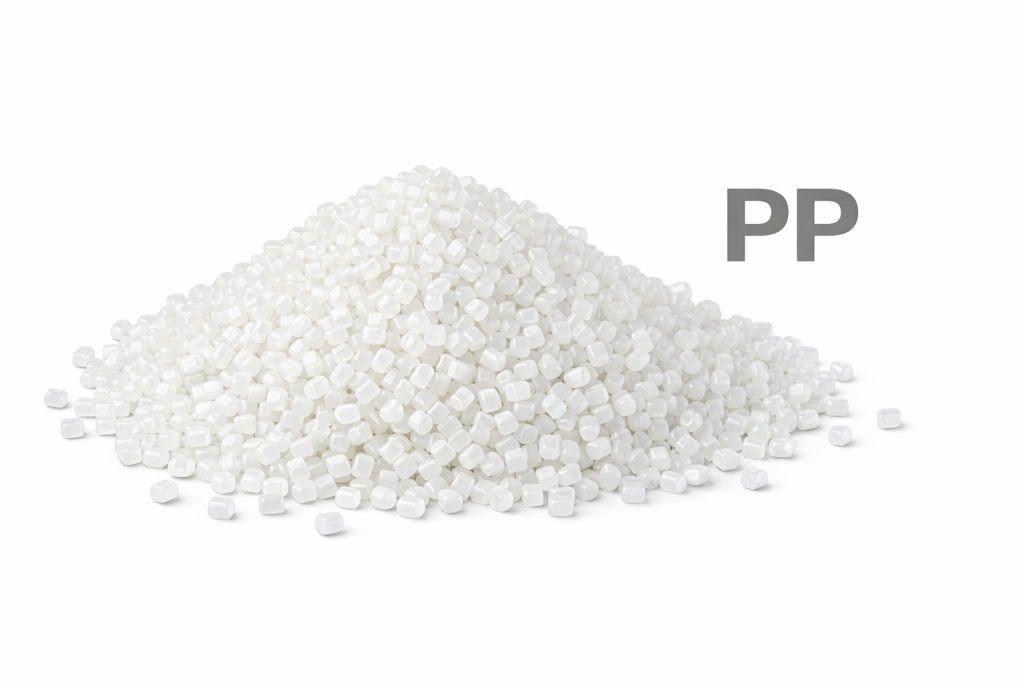
Low density (0.9g/cm³), living hinge capability, disposable syringes and automotive HVAC ducts.
Price: $0
Lead Time:
Tolerances:
Max part size:
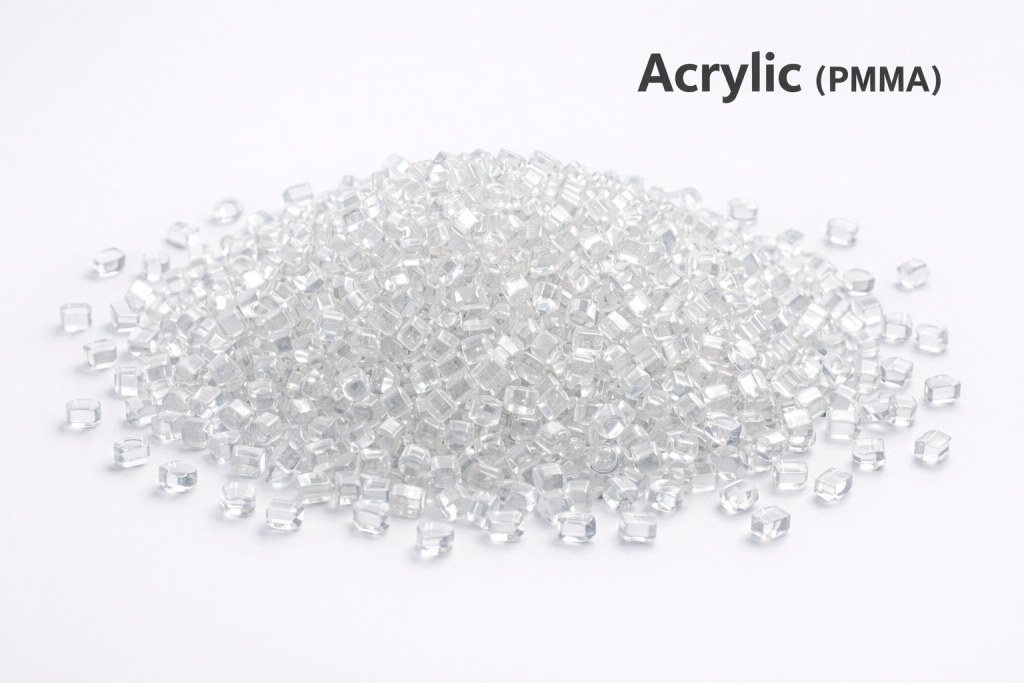
High mold temperature (60-80°C) reduces internal stress, low warpage, replaces glass in automotive taillights and cosmetic packaging.
Price: $0
Lead Time:
Tolerances:
Max part size:
Die Casting Tolerances and Standards
Surface Finishes by Material
Different materials require different finishing processes. Explore the most suitable surface finishes for aluminum, stainless steel, titanium, brass, copper, engineering plastics, and more to achieve the ideal balance of protection, appearance, and performance.
What is Die Casting?How Does Die Casting Work?
Die Casting is a high-pressure metal casting process that forces molten metal (e.g., aluminum, zinc, or magnesium alloys) into a reusable steel mold (die) to produce precise, complex-shaped parts. Known for its efficiency and repeatability, it creates components with excellent surface finish, dimensional accuracy, and structural integrity. Common applications include automotive parts, electronic housings, and industrial machinery components.
- Die Preparation:A two-part steel mold (die) is preheated and coated with lubricant to facilitate part release and cooling. The die is clamped under high pressure to withstand molten metal injection.
- Metal Injection:Molten metal is melted in a furnace (e.g., aluminum at 600–700°C) and injected into the die cavity at high pressure (10–210 MPa).In hot-chamber die casting (for low-melting-point metals like zinc), the injection system is submerged in molten metal. Cold-chamber die casting (for aluminum/magnesium) uses a separate chamber.
- Cooling & Solidification:The metal rapidly cools and solidifies within the die, retaining the mold’s intricate details. Cooling channels in the die regulate temperature to minimize defects like porosity.
- Ejection & Finishing:The die opens, and ejector pins release the solidified part.Excess material (flash, sprues) is trimmed, and surfaces are polished, painted, or plated for enhanced aesthetics and functionality.
Success Stories of Die Casting Projects
FAQs
What is the difference between die casting and Mould casting?
Die casting injects molten metal at 10-175MPa pressure into steel molds, achieving ±0.05mm tolerances and 1.6-12.5μm surface finishes. Gravity
casting relies on atmospheric pressure, resulting in ±0.5mm tolerances and 25-50μm finishes. Die casting suits high-volume production (500-1000
shots/day) of complex geometries, while mold casting is preferred for low-volume, large components with simpler designs.
How do you make a die cast Mould?
Die cast mold manufacturing follows a rigorous 5-stage process:
CAD design validation (DFM analysis)
CNC machining of hardened steel blocks (±0.01mm accuracy)
Cooling channel integration (conformal or baffle designs)
Surface enhancement (nitriding, polishing to Ra 0.2μm)
Trial runs with thermal imaging for hotspot detection.
This ensures dimensional stability under cyclic thermal stress (ΔT 300-700°C).
What Mould are used in die casting?
Die casting utilizes high-grade tool steel molds (H13, P20) consisting of fixed and movable halves. The stationary fixed half aligns with the injection
system, while the movable half integrates with the ejector mechanism. These precision-machined dies withstand 500-1200°C molten metal
temperatures and 10,000-100,000+ cycles. Material selection depends on production volume (prototype vs. mass production), alloy type
(Aluminum/Zinc/Magnesium), and part complexity (thin walls, tight tolerances).