Advanced Overmolding Services
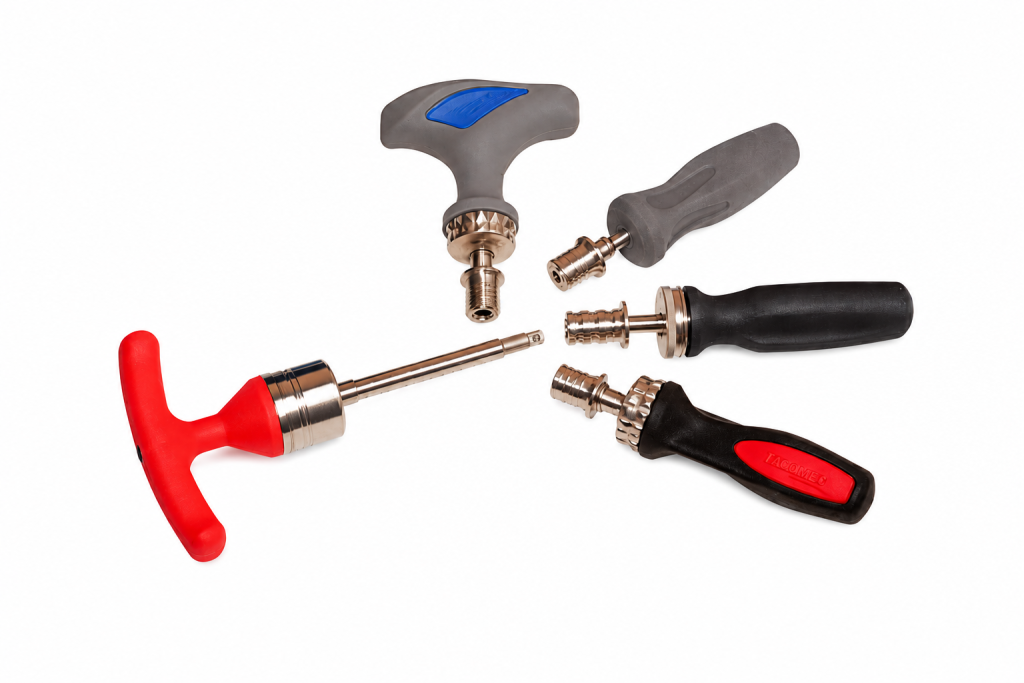
- Soft-grip tool handles
- Sealed electronic connectors
- Medical device grips
- Dual-material automotive buttons
- Wear-resistant gear covers
- Consumer product ergonomic interfaces
Start A New Overmolding Quote
STEP | STP I SLDPRT I IPT I PRT I SAT FLES
Advanced Manufacturing Capabilities
Integrating Engineering Expertise, Advanced Manufacturing Processes, and Flexible Production Capabilities to Support Product Development from Initial Prototypes to Scalable Production.
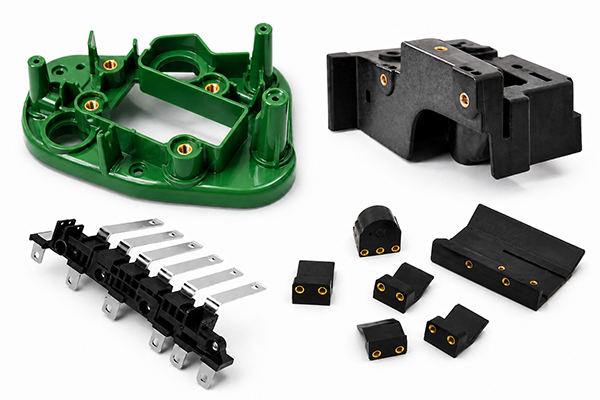
Insert Overmolding
Precisely encapsulates metal/plastic inserts via secondary injection (±0.2mm tolerance). Essential for automotive bushings and waterproof connectors.
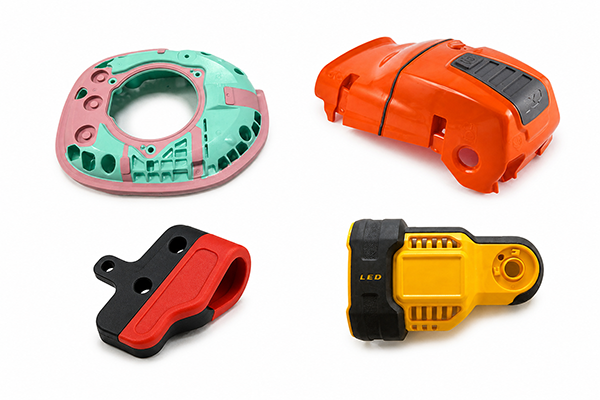
Double Shot Molding
Combines two materials in one cycle (e.g., ABS+TPE) with <0.05mm layer precision. Standard for ergonomic tool handles and electronics, enabling enhanced design flexibility.
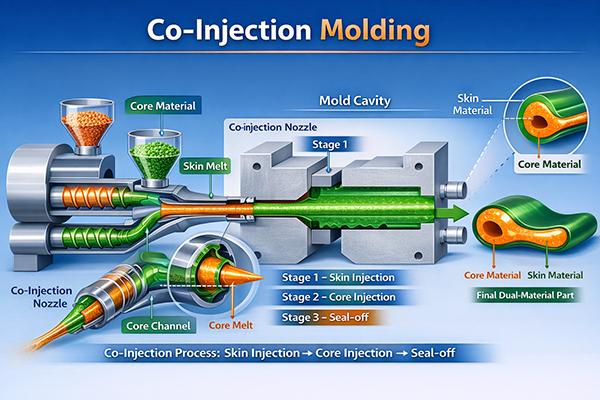
Co-Injection Molding
Simultaneously molds core/skin layers (e.g., recycled PP core + virgin ABS skin), reducing weight by 15-30%. Critical for food packaging and automotive parts.
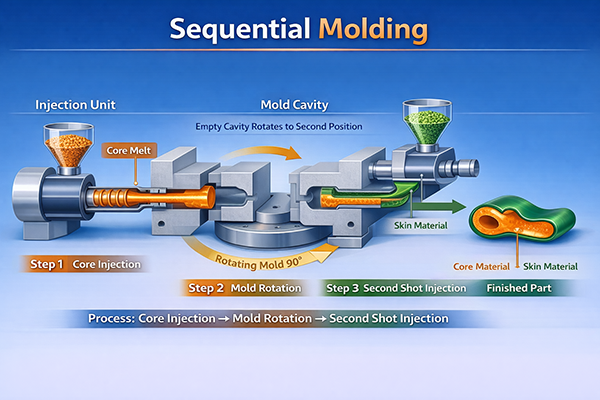
Sequential Molding
Multi-stage process for complex geometries (e.g., rigid-to-flexible transitions). Cycle times increase 20-40% versus standard methods, enabling advanced material combinations.
Our Advanced Overmolding Parts
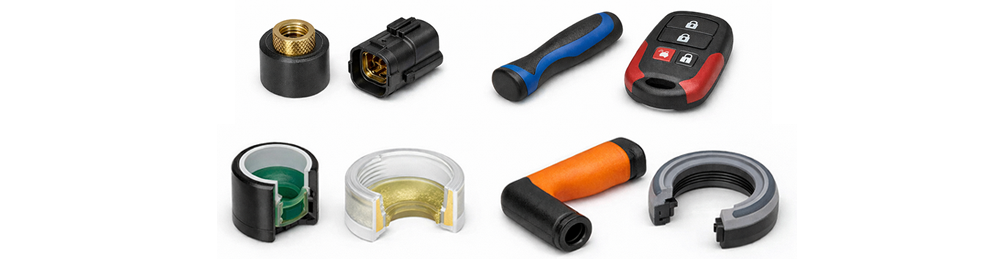
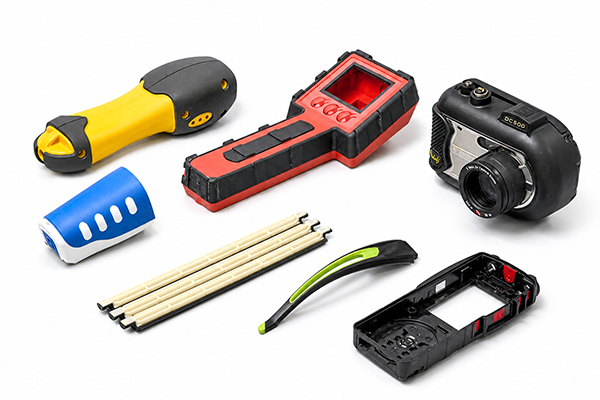
Combining TPE/TPU with rigid substrates through multi-shot molding, we create ergonomic grips, seals, and vibration-damping components. Our robotic cells maintain 0.05mm bonding accuracy for medical devices and industrial controls.
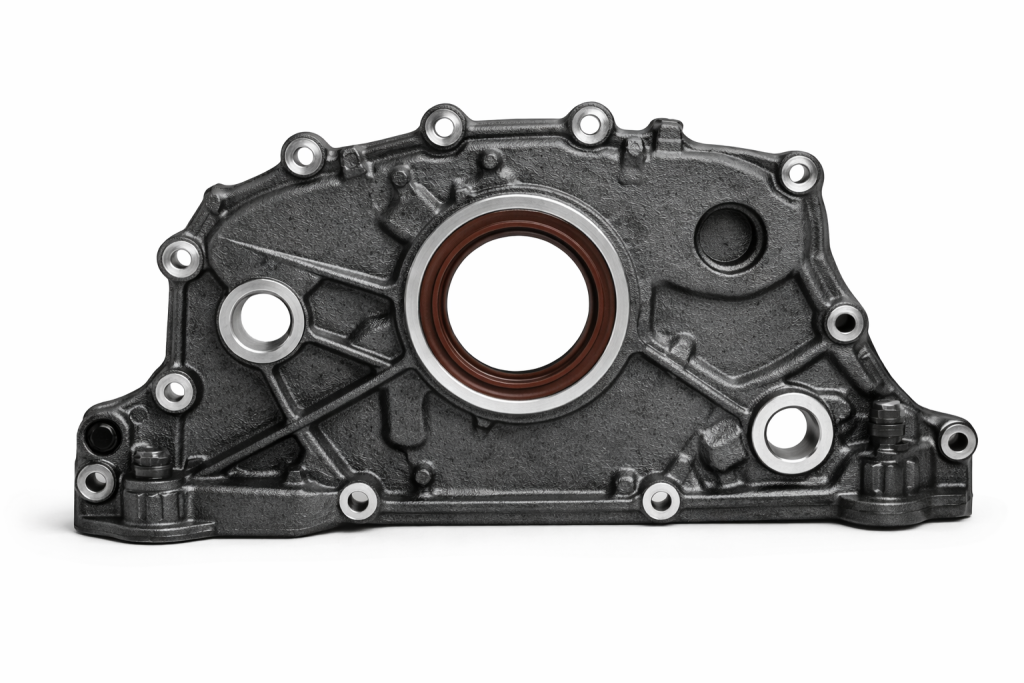
Insert Overmolding Parts
- 10+ Years of Overmolding Services
- Tolerances as tight as ±0.0004 in.(0.01mm)
- MOQ as low as only 1 pc.
- Lead time:T1 samples as fast as 2 weeks
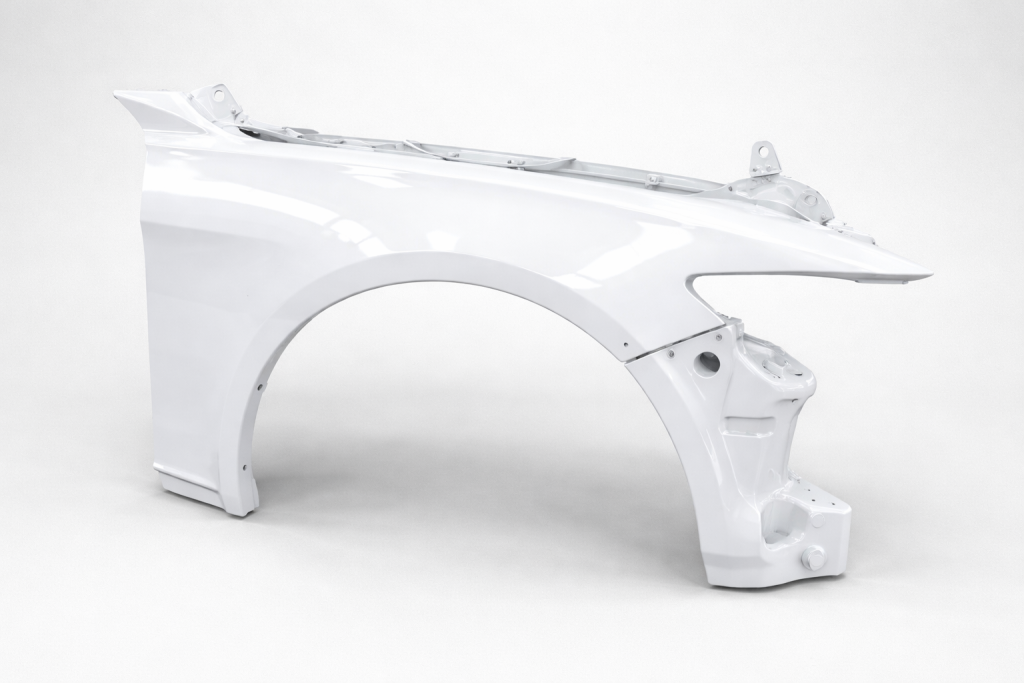
Double Shot Molding Parts
- 10+ Years of Overmolding Services
- Tolerances as tight as ±0.0004 in.(0.01mm)
- MOQ as low as only 1 pc.
- Lead time:T1 samples as fast as 2 weeks
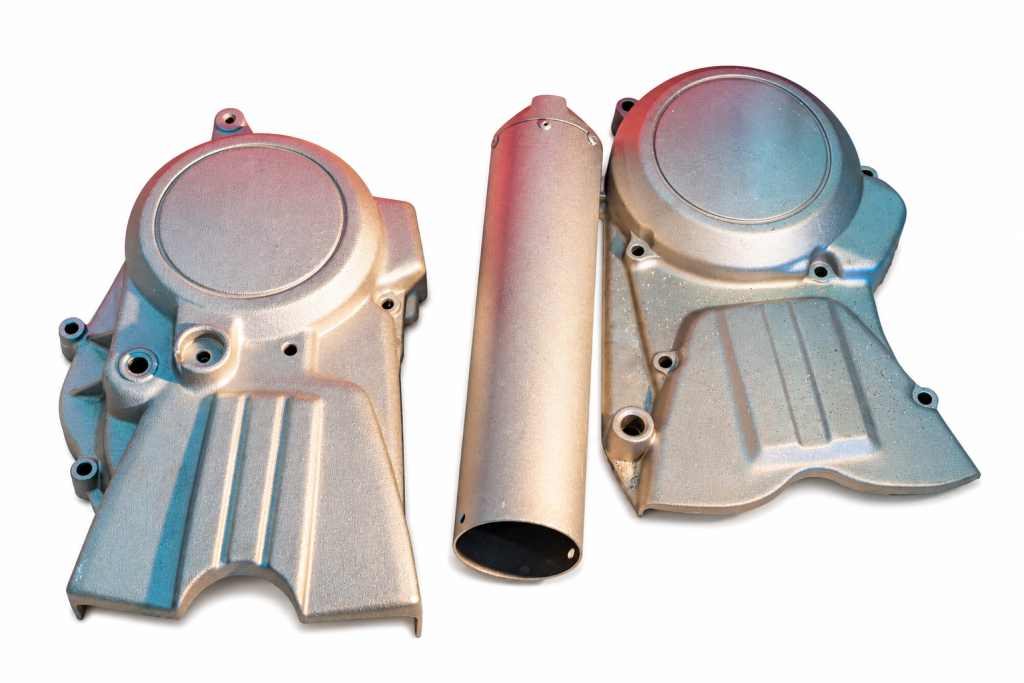
Functional Overmolding Parts
- 10+ Years of Overmolding Services
- Tolerances as tight as ±0.0004 in.(0.01mm)
- MOQ as low as only 1 pc.
- Lead time:T1 samples as fast as 2 weeks
Overmolding Materials
Bonding TPE/TPU (Shore 30A-90A) to PC/ABS substrates with chemical/mechanical adhesion solutions. Medical-grade silicone overmolding available for soft-touch surfaces compliant with FDA 21 CFR and ISO 13485 standards.
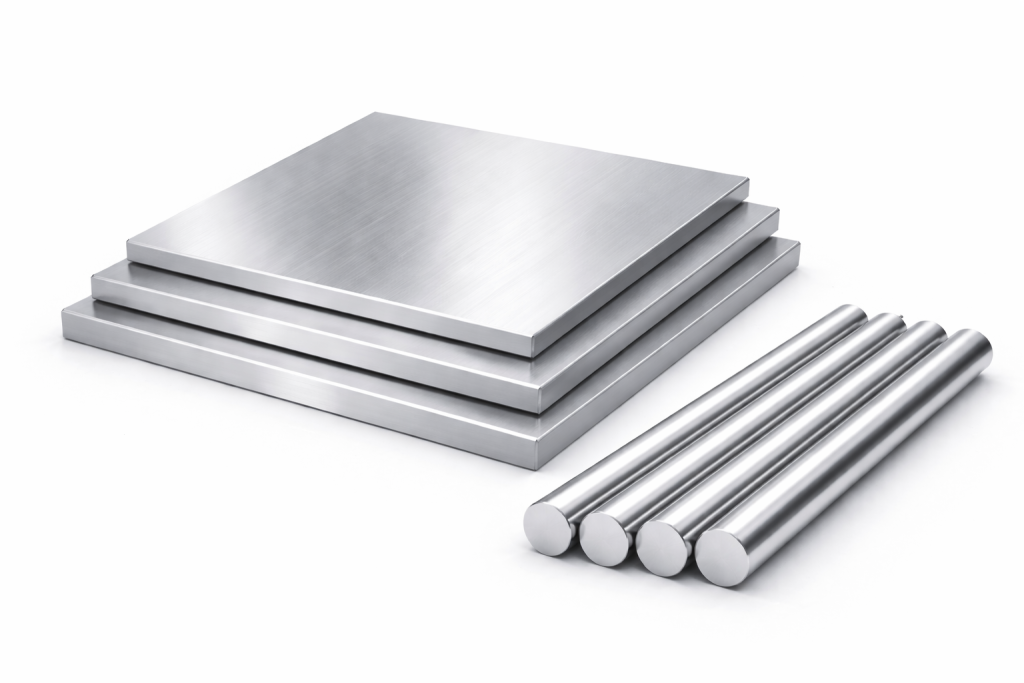
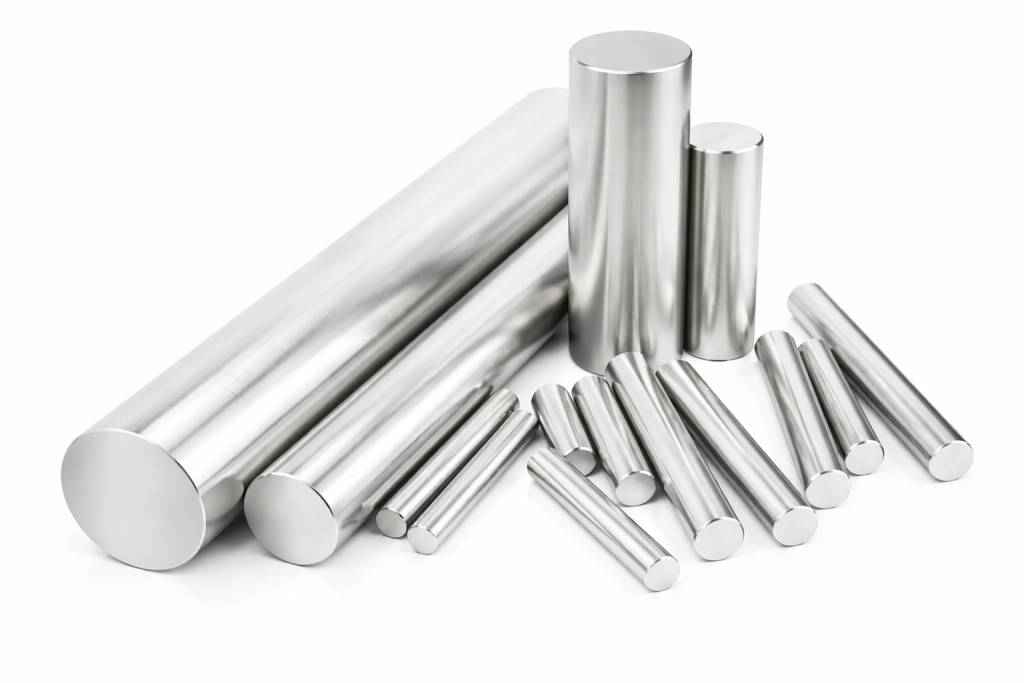
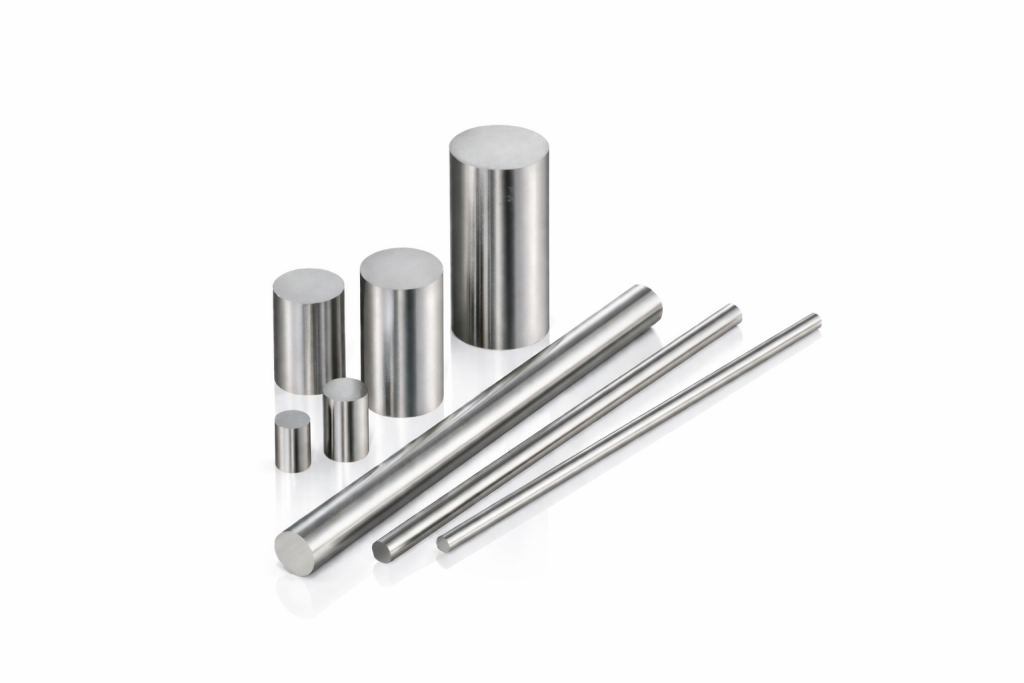
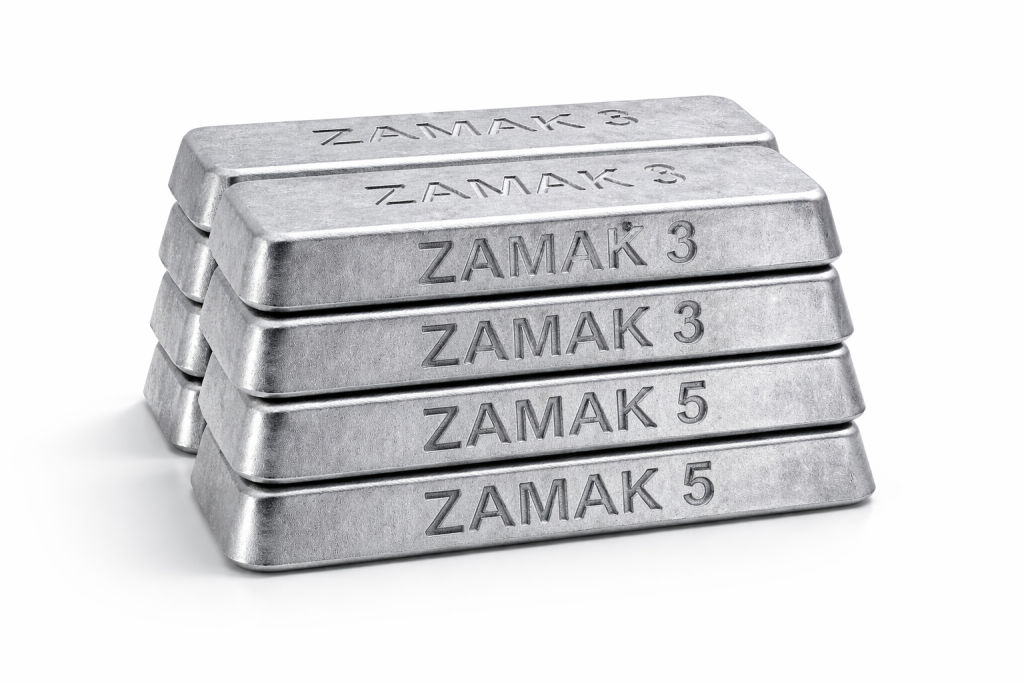
Metals
Lightweight, high thermal conductivity, Excellent Machinability, Superior Dimensional Stability, Tight-Tolerance Capable, Perfect for Complex CNC Milling and Turning.
Price: $0
Lead Time: < 5 days
Tolerances: ±0.005″ (±0.125mm)
Max part size: 200 cm x 80 cm x 100 cm
Extremely lightweight (67% aluminum density), good vibration damping, requires surface treatment.
Price: $0
Lead Time: < 10 days
Tolerances: ±0.005″ (±0.125mm)
Max part size: 200 cm x 80 cm x 100 cm
Excellent malleability, corrosion-resistant, decorative finishes, suitable for intricate stamped panels.
Price: $0
Lead Time:
Tolerances:
Max part size:
High electrical conductivity, soft yet work-hardening, requires annealing during multi-stage forming.
Price: $0
Lead Time:
Tolerances:
Max part size:
Cost-effective formability, high strength-to-weight ratio, requires anti-rust coating for exposed edges.
Price: $0
Lead Time:
Tolerances:
Max part size:
Corrosion-resistant, retains strength after welding, maintains integrity in harsh environments.
Price: $0
Lead Time:
Tolerances:
Max part size:
Aerospace-grade strength, biocompatible, seawater corrosion resistance, difficult to machine.
Price: $0
Lead Time: < 10 days
Tolerances: ±0.005″ (±0.125mm)
Max part size: 200 cm x 80 cm x 100 cm
Lightweight, high thermal conductivity, Excellent Machinability, Superior Dimensional Stability, Tight-Tolerance Capable, Perfect for Complex CNC Milling and Turning.
Price: $0
Lead Time: < 5 days
Tolerances: ±0.005″ (±0.125mm)
Max part size: 200 cm x 80 cm x 100 cm
Plastics
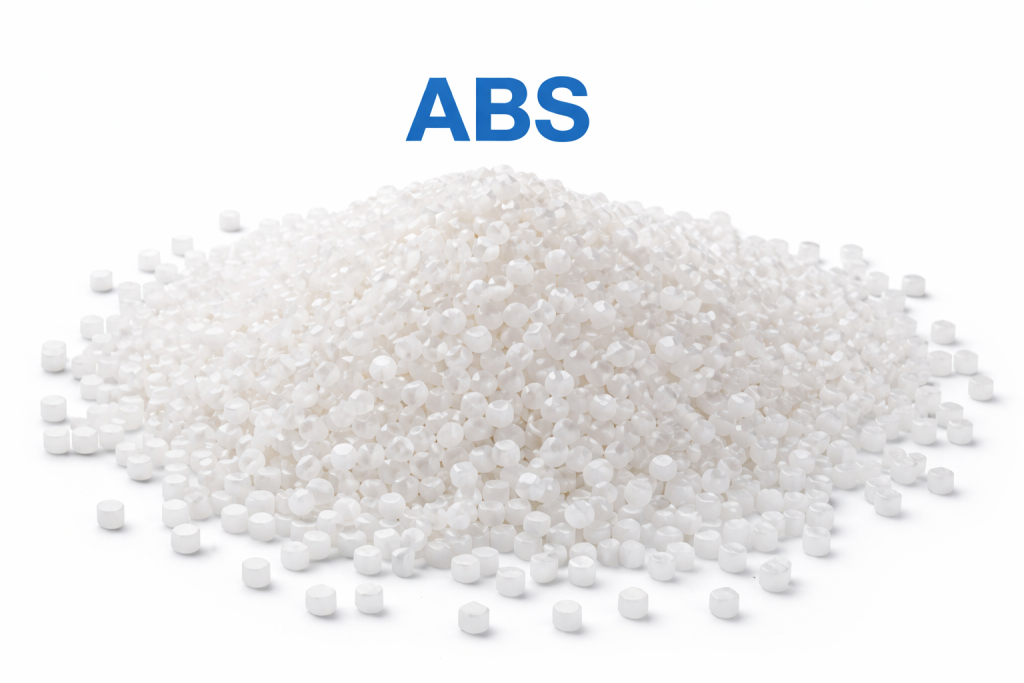
Fast-flowing melt, low shrinkage (0.4-0.7%), requires pre-drying (80°C/4h), ideal for automotive dashboards and consumer electronics housings.
Price: $0
Lead Time:
Tolerances:
Max part size:
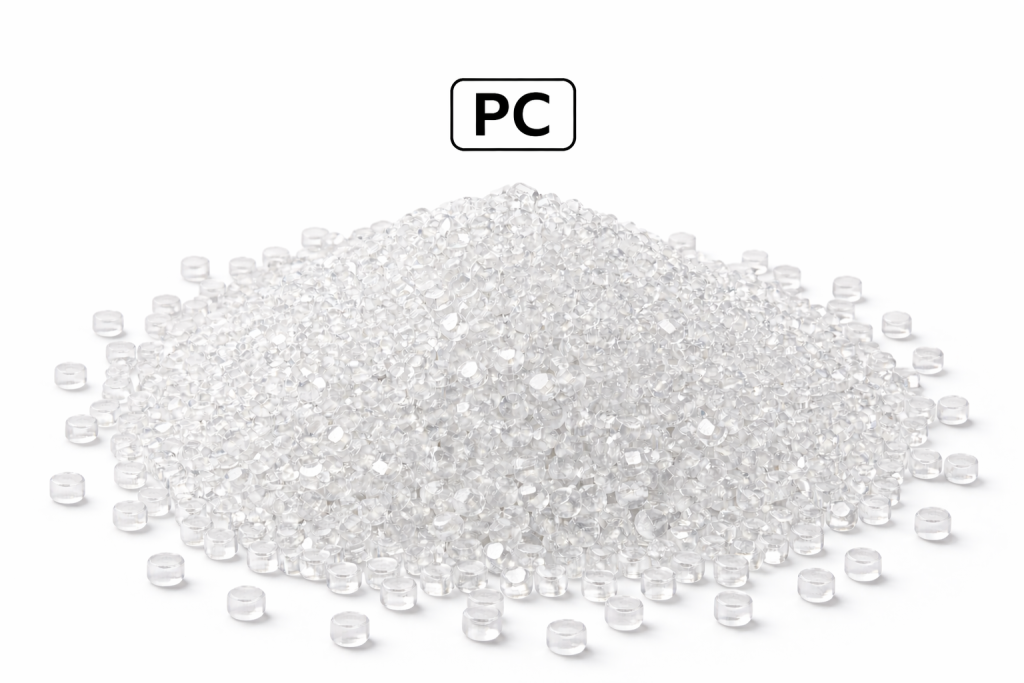
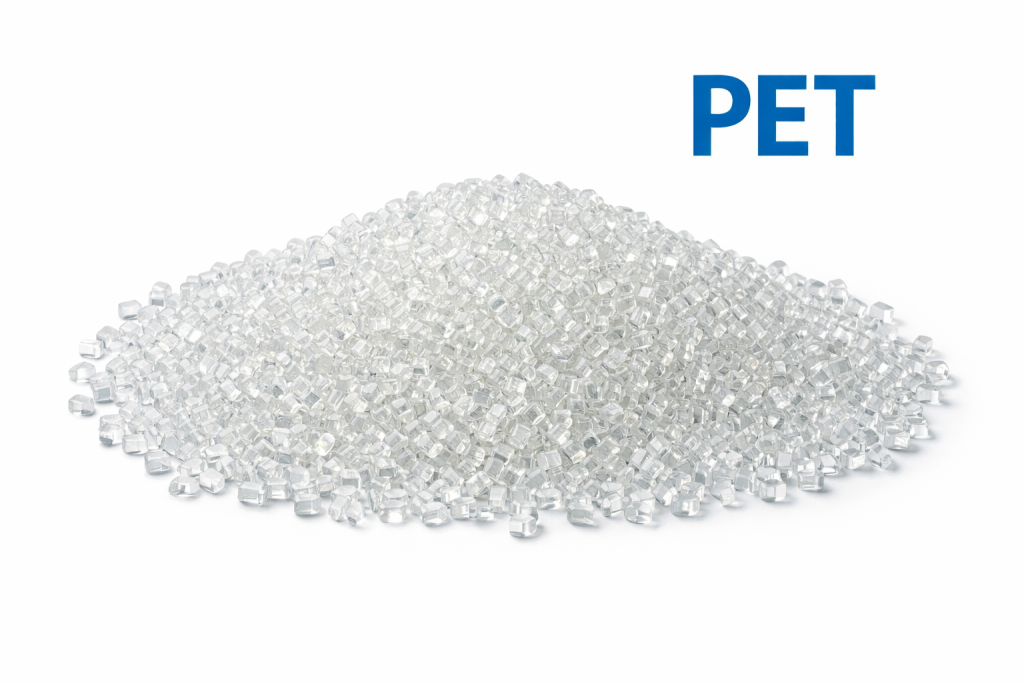
High melt viscosity (300-350°C processing), moisture-sensitive (0.02% max), optical-grade clarity for LED lenses and medical device components.
Price: $0
Lead Time:
Tolerances:
Max part size:
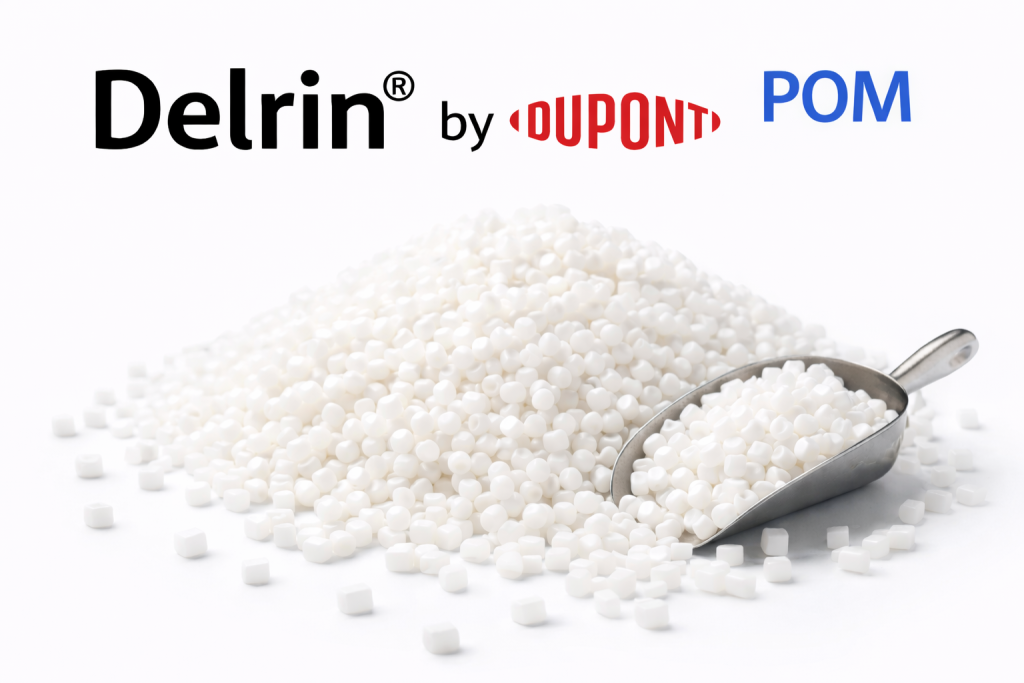
Crystallization-sensitive cooling (80-120°C mold), high dimensional stability, precision gears and fuel system valves.
Price: $0
Lead Time:
Tolerances:
Max part size:
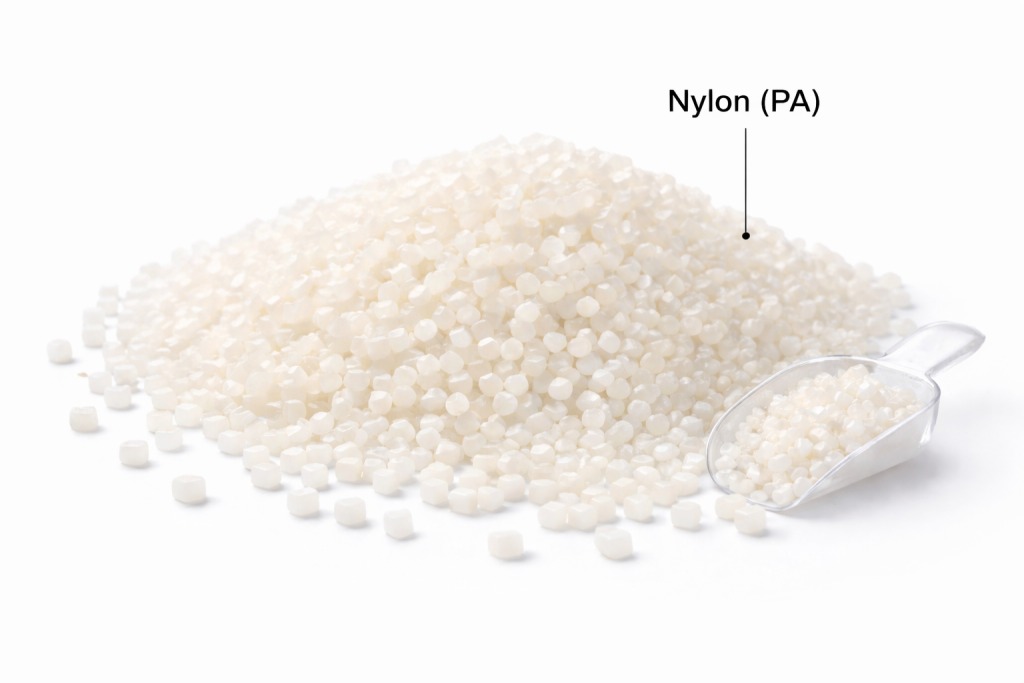
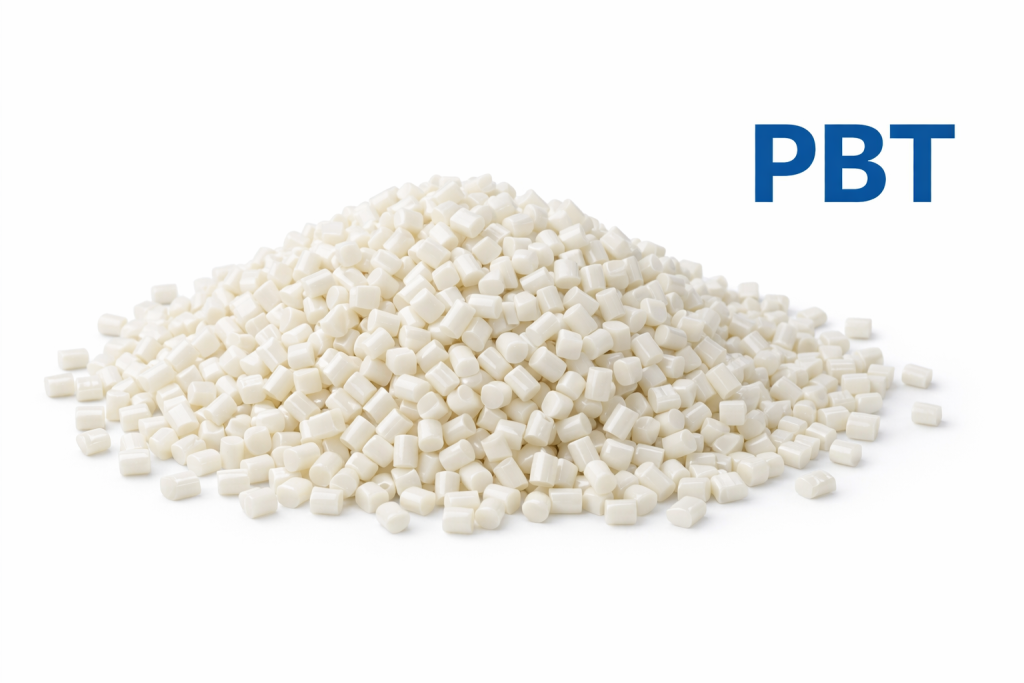
Moisture absorption (2.5-3.5%) requires post-molding annealing, self-lubricating bushings and automotive cable ties.
Price: $0
Lead Time:
Tolerances:
Max part size:
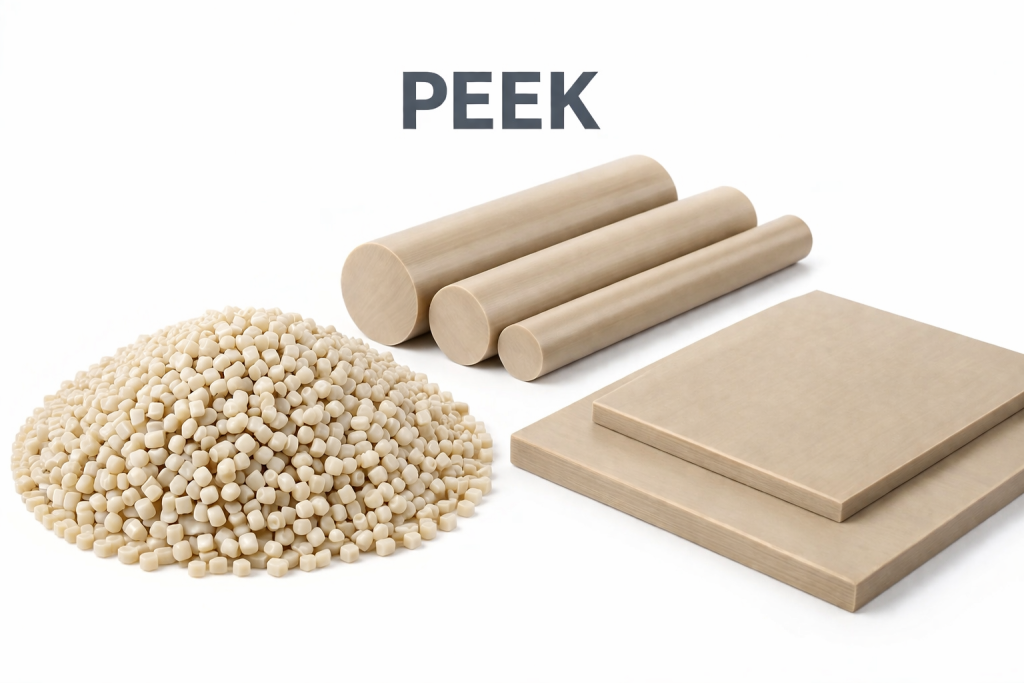
Extreme processing temps (380-400°C), low shrinkage (0.1-0.3%), aerospace bushings and surgical sterilization trays.
Price: $0
Lead Time:
Tolerances:
Max part size:
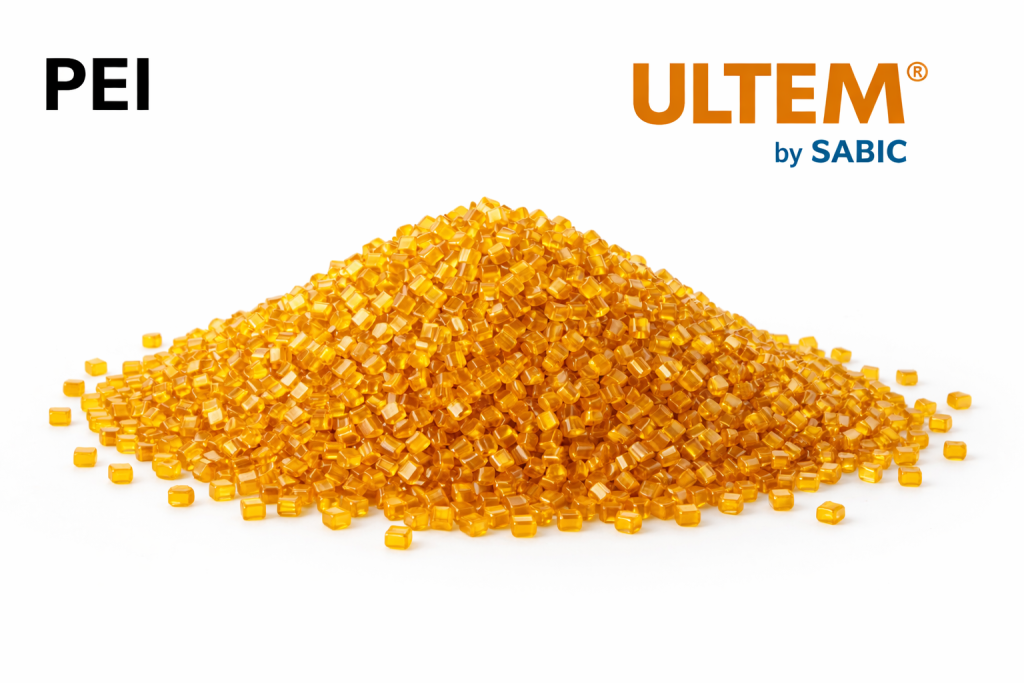
Heat distortion resistance (150°C), electrical insulation, glass-fiber reinforced automotive connectors.
Price: $0
Lead Time:
Tolerances:
Max part size:
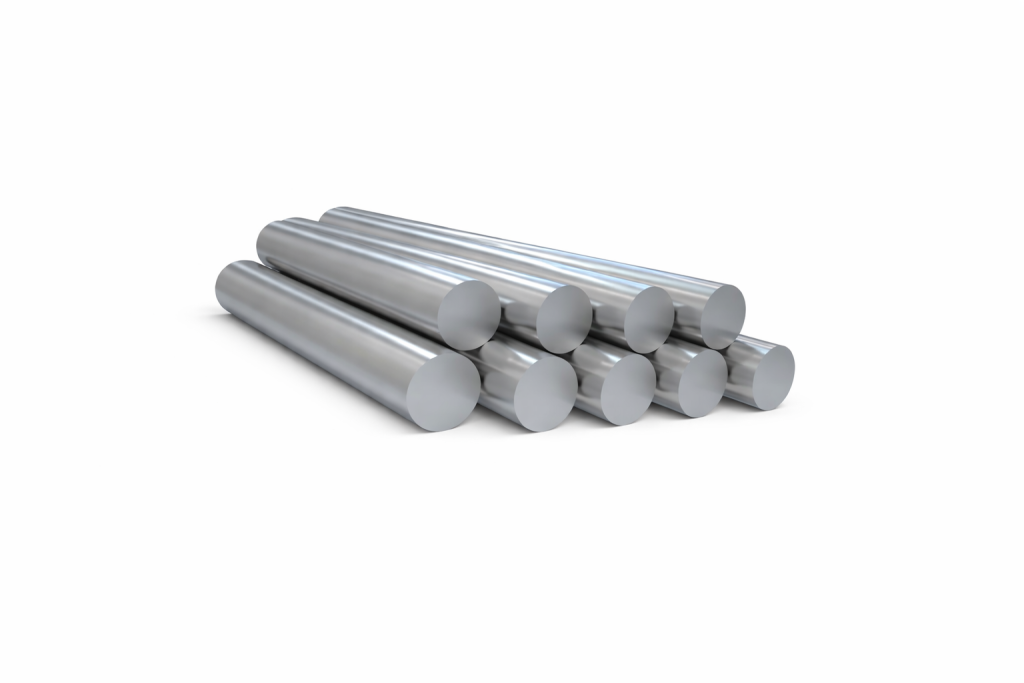
Aerospace-grade strength, biocompatible, seawater corrosion resistance, difficult to machine.
Price: $0
Lead Time: < 10 days
Tolerances: ±0.005″ (±0.125mm)
Max part size: 200 cm x 80 cm x 100 cm
Lightweight, high thermal conductivity, Excellent Machinability, Superior Dimensional Stability, Tight-Tolerance Capable, Perfect for Complex CNC Milling and Turning.
Price: $0
Lead Time: < 5 days
Tolerances: ±0.005″ (±0.125mm)
Max part size: 200 cm x 80 cm x 100 cm
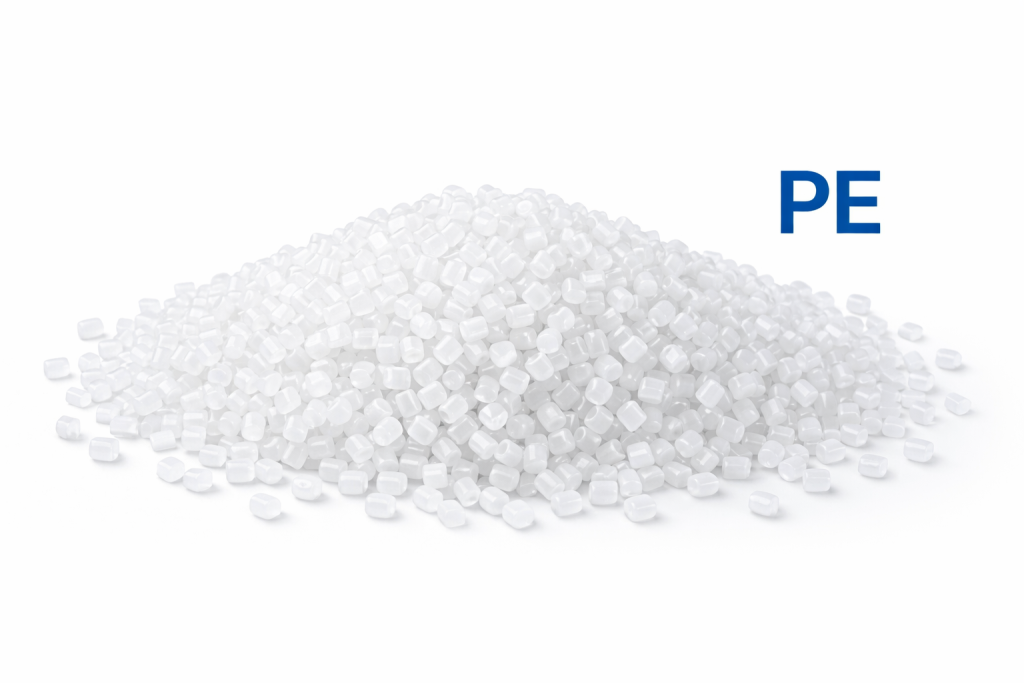
Low melt strength (LDPE: 160-240°C), high flow rate for thin-wall containers and chemical-resistant pipeline fittings.
Price: $0
Lead Time:
Tolerances:
Max part size:
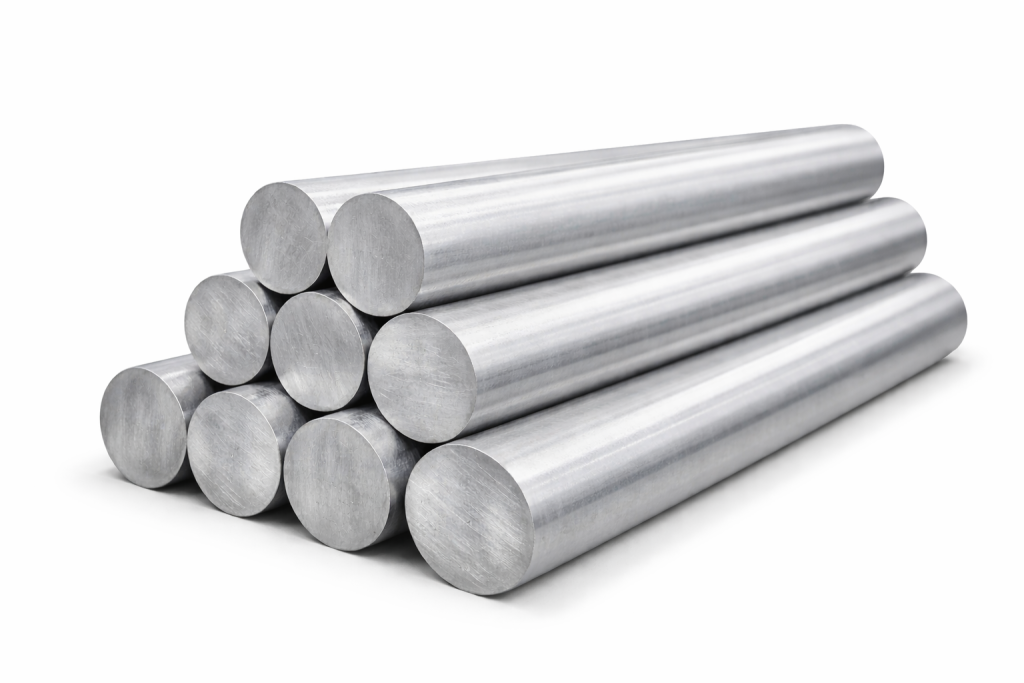
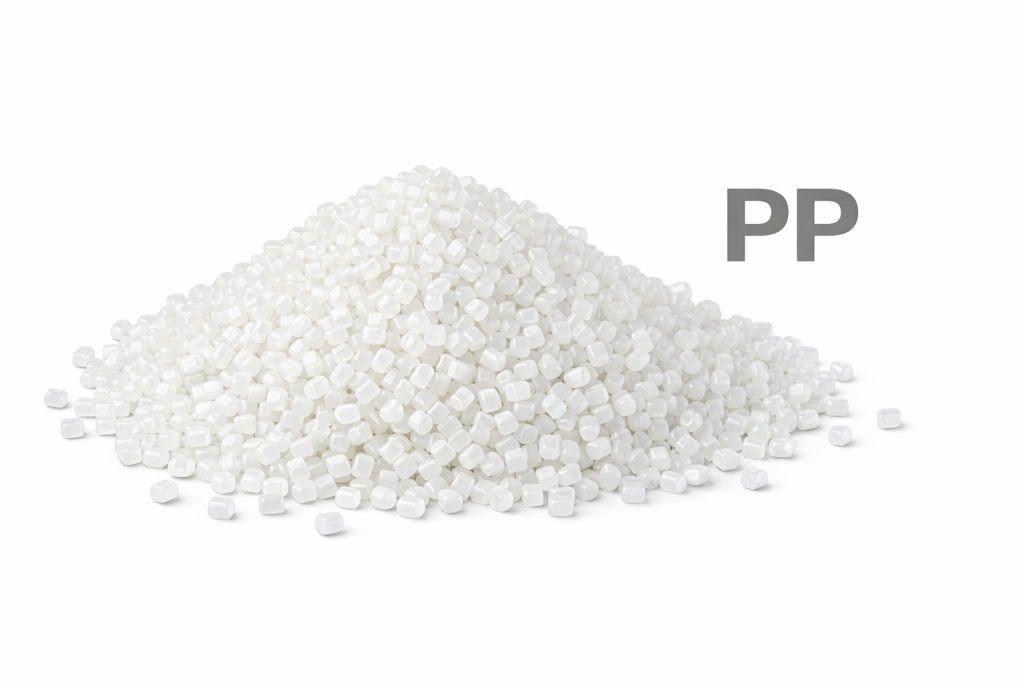
Low density (0.9g/cm³), living hinge capability, disposable syringes and automotive HVAC ducts.
Price: $0
Lead Time:
Tolerances:
Max part size:
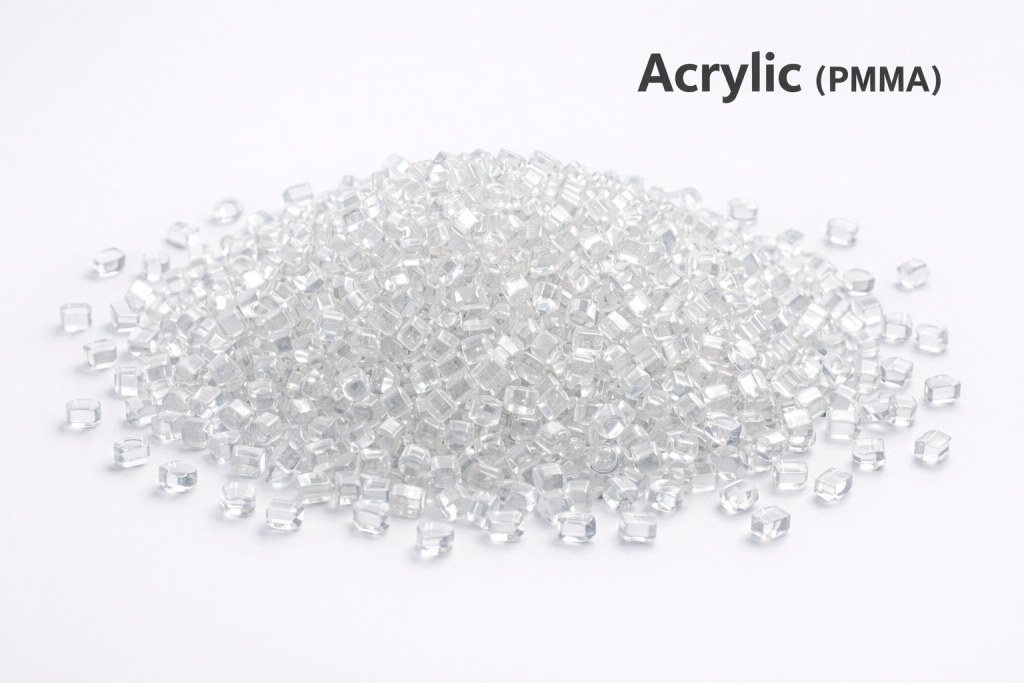
High mold temperature (60-80°C) reduces internal stress, low warpage, replaces glass in automotive taillights and cosmetic packaging.
Price: $0
Lead Time:
Tolerances:
Max part size:
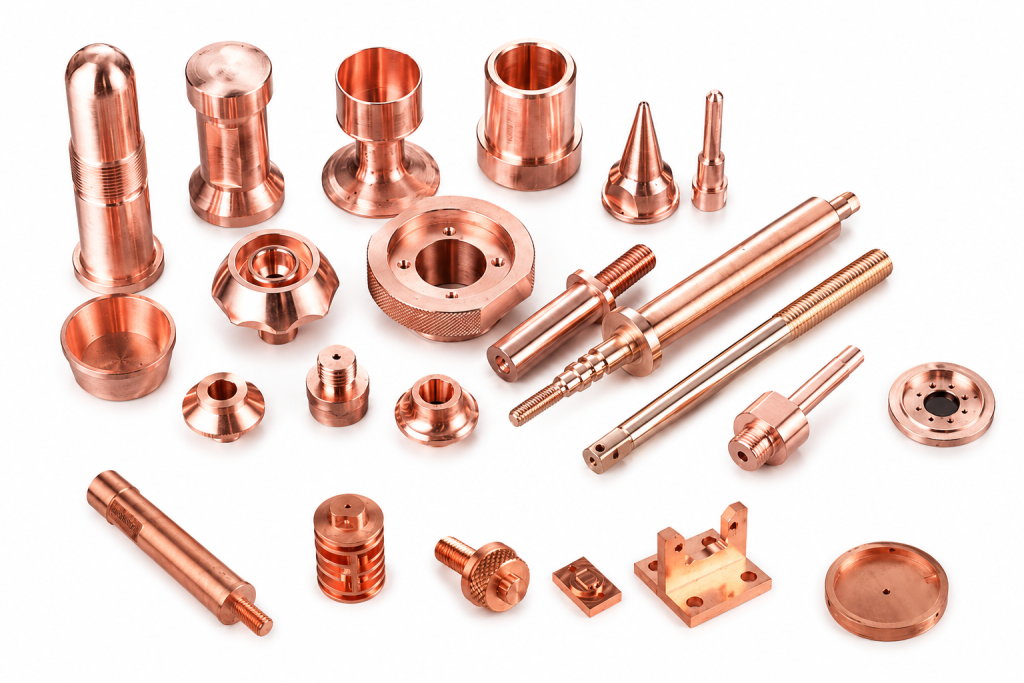
Overmolding Services Tolerances and Standards
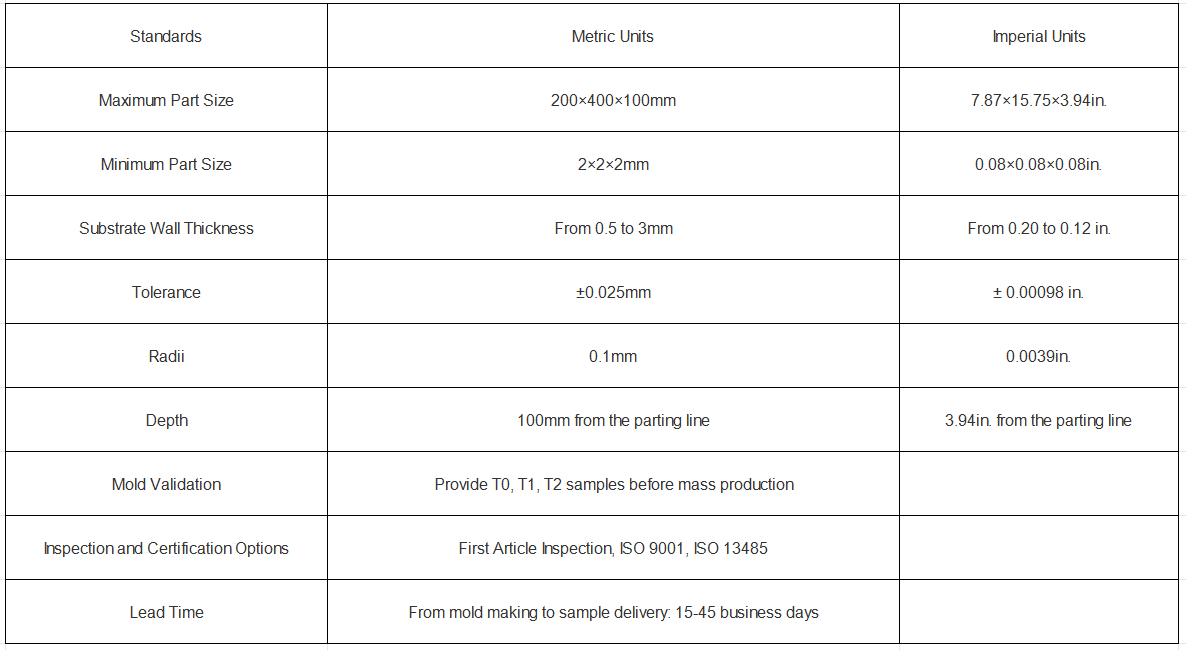
With professional project managers and engineers in overmolding, we help to make your project come true from design to production. Our’s overmolding service is dedicated to ensuring your product’s better performance.
Surface Finishes by Material
Different materials require different finishing processes. Explore the most suitable surface finishes for aluminum, stainless steel, titanium, brass, copper, engineering plastics, and more to achieve the ideal balance of protection, appearance, and performance.
What is Overmolding?How Does Overmolding Work?
Overmolding is a multi-material injection molding process where a substrate (typically rigid plastic or metal) is encapsulated or coated with a second material (often soft elastomer or thermoplastic) to create a single, integrated component. This technique enhances functionality by combining properties like grip, shock absorption, and waterproofing, commonly used in tool handles, medical devices, and consumer electronics.
- Substrate Preparation:A base part (e.g., rigid plastic or metal insert) is produced via injection molding, machining, or stamping. The substrate may undergo surface treatment (e.g., plasma etching) to improve adhesion.
- Mold Setup:The substrate is placed into an overmolding mold, which is precision-aligned to ensure proper material flow and bonding.
- Material Injection:A secondary material (e.g., TPE, silicone, or urethane) is injected into the mold, enveloping the substrate.Temperature and pressure are tightly controlled to bond materials chemically or mechanically.
- Cooling & Ejection:The combined part cools within the mold to solidify the overmolded layer.Ejector pins release the finished component, ready for post-processing.
Success Stories of Overmolding Projects
FAQs
What is the thickness of the overmolding?
We standards recommend maintaining uniform wall thickness (0.711-3.81mm optimal range) across both substrate and
overmold. This ensures: 1) consistent cycle times by balancing cooling rates, and 2) reliable adhesion through controlled material flow and
shrinkage characteristics in production.
What are the rules for overmolding?
Our decade of injection molding expertise dictates critical overmolding parameters: The overmold thickness must not exceed the substrate’s,
and its melt temperature should be 20-30°C lower than the base material. Chemical adhesion is generally ineffective – mechanical interlocking and thermal
compatibility drive successful bonding.
What is the difference between overmolding and 2K molding?
Overmolding traditionally requires transferring a pre-formed substrate to a secondary mold for material encapsulation, creating a mechanical bond.
2K molding (two-shot) accomplishes this in a single cycle using a rotary mold, offering superior efficiency and bond strength. While often used
interchangeably, 2K represents the advanced, single-machine version of overmolding technology.