Advanced Wire EDM Machining Solutions
- Mold base insert fabrication
- Surgical instrument blanks
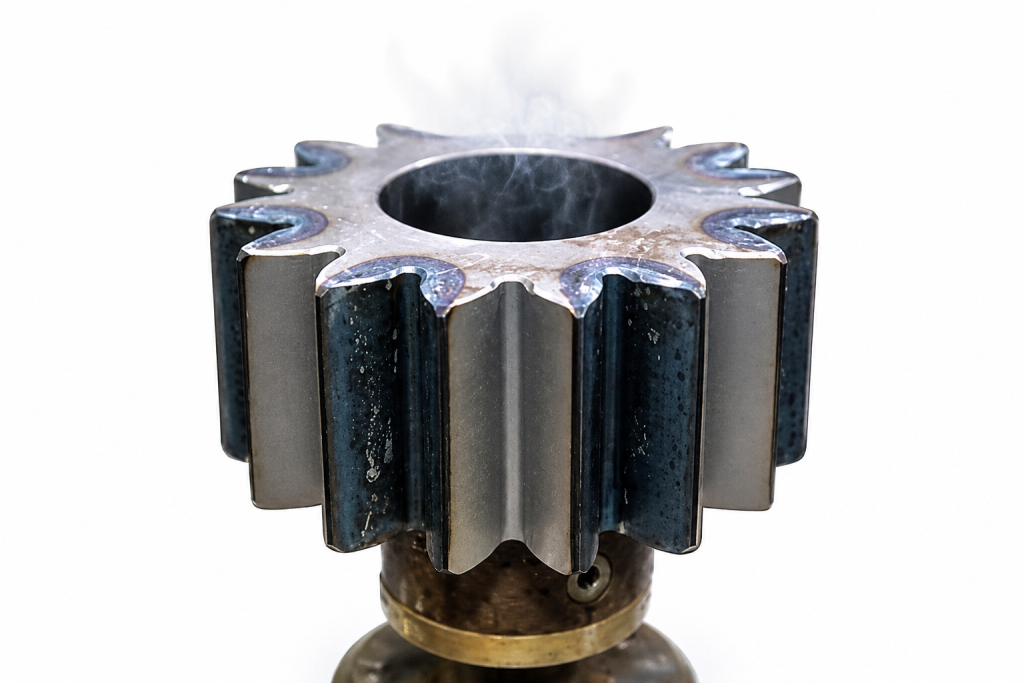
- Gear cutting electrode tools
- Turbine blade slot cutting
- Automotive stamping dies
- Semiconductor wafer guides
Start A New Wire EDM Quote
STEP | STP I SLDPRT I IPT I PRT I SAT FLES
Advanced Manufacturing Capabilities
Integrating Engineering Expertise, Advanced Manufacturing Processes, and Flexible Production Capabilities to Support Product Development from Initial Prototypes to Scalable Production.
High-Speed Wire EDM
Features reciprocating wire movement at 8–10 m/s. The wire can be reused, offering high efficiency but lower accuracy (±0.02 mm). Commonly used for mid-to-low-end mold machining.
Mid-Speed Wire EDM
Combines high-speed roughing (strong discharge) with low-speed finishing (weak currents) in multi-pass cutting, achieving balanced efficiency and surface quality (Ra 1.6–0.8 μm) for complex geometries.
Low-Speed Wire EDM
Precision Wire EDM Service
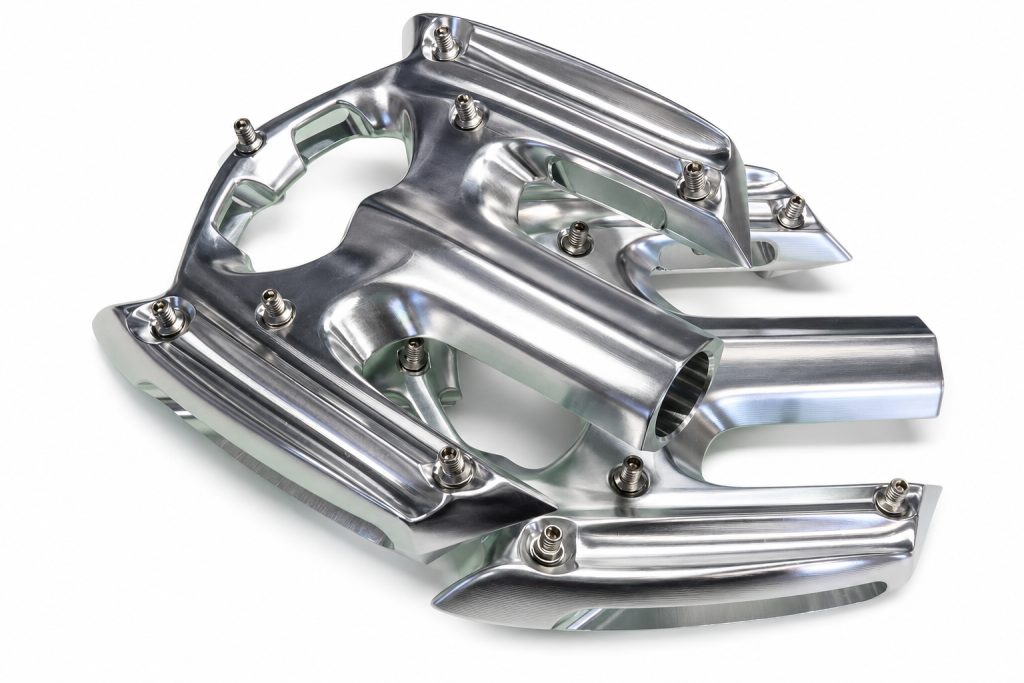
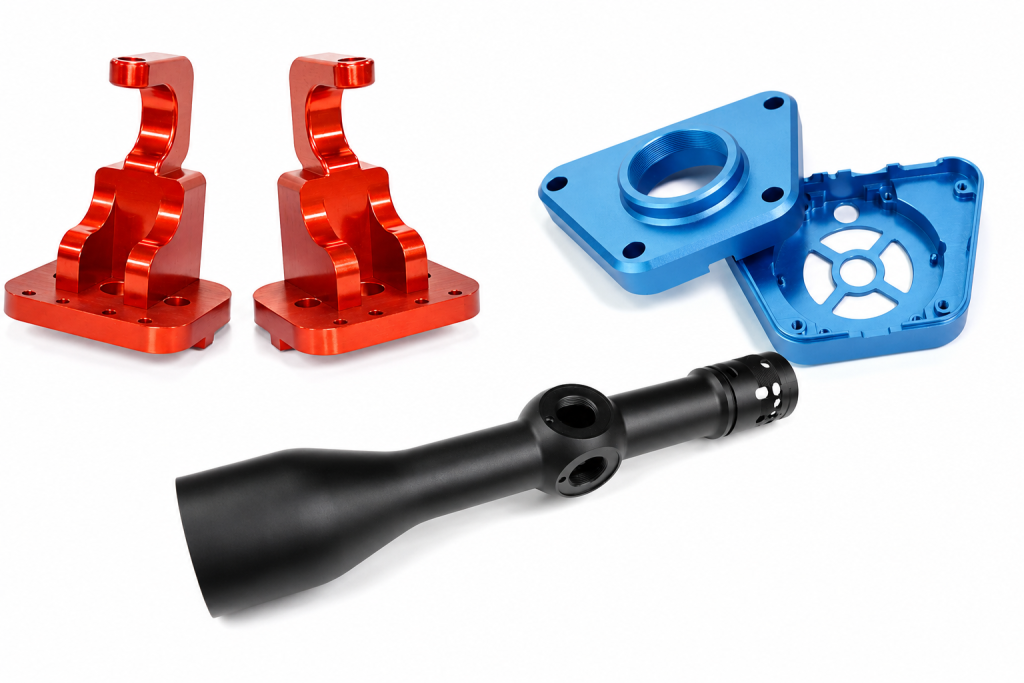
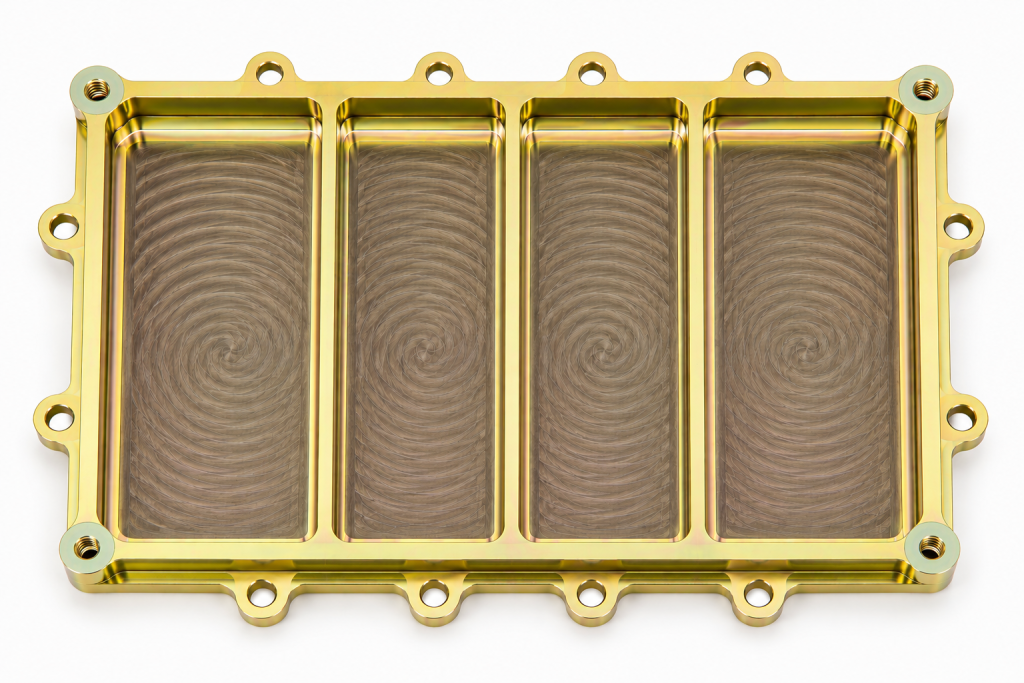
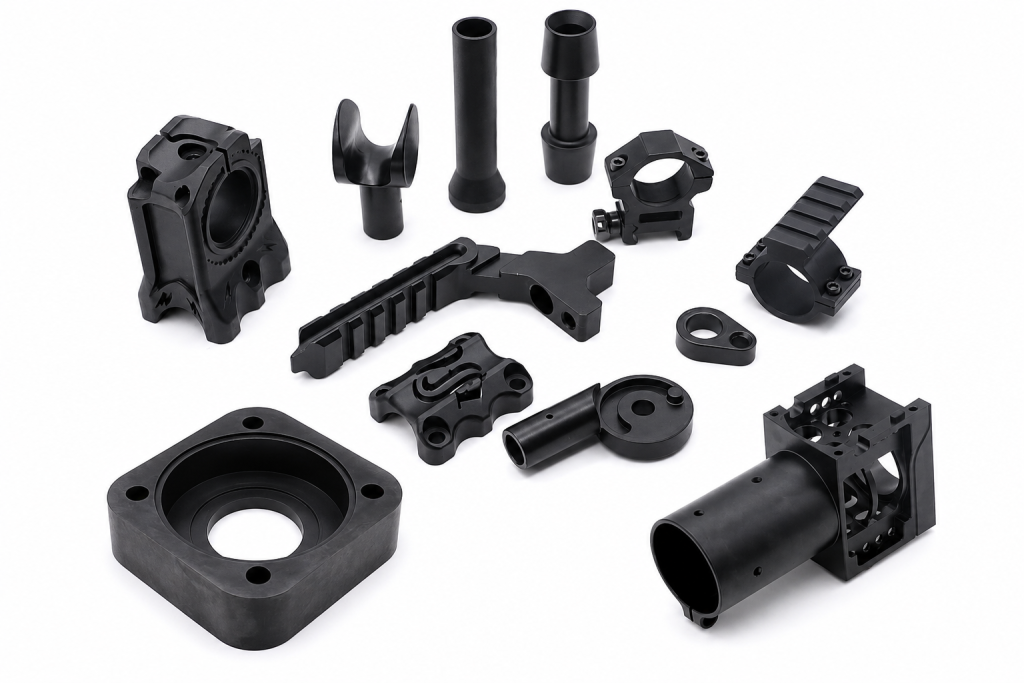
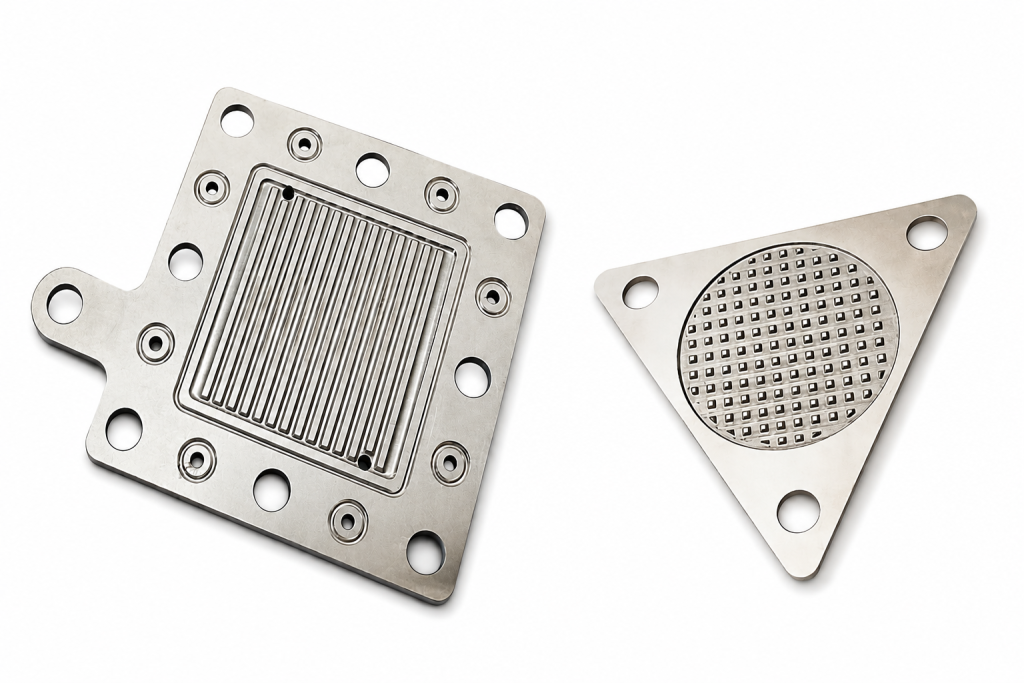
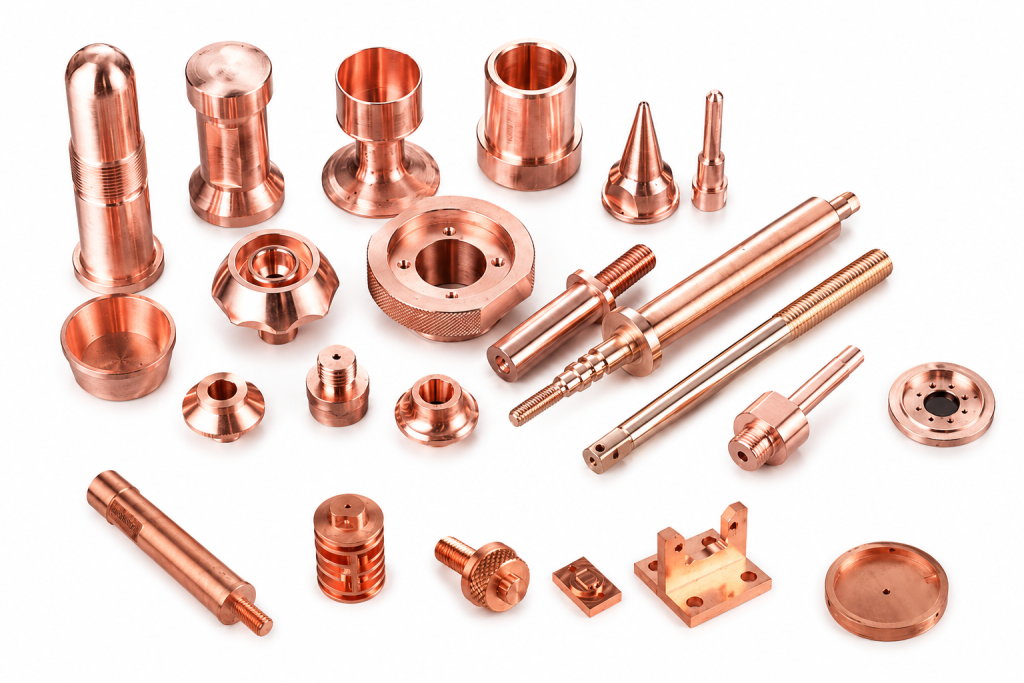
Our High-Precision Wire EDM Parts
Wire EDM Materials
Metals
Lightweight, high thermal conductivity, Excellent Machinability, Superior Dimensional Stability, Tight-Tolerance Capable, Perfect for Complex CNC Milling and Turning.
Price: $0
Lead Time: < 5 days
Tolerances: ±0.005″ (±0.125mm)
Max part size: 200 cm x 80 cm x 100 cm
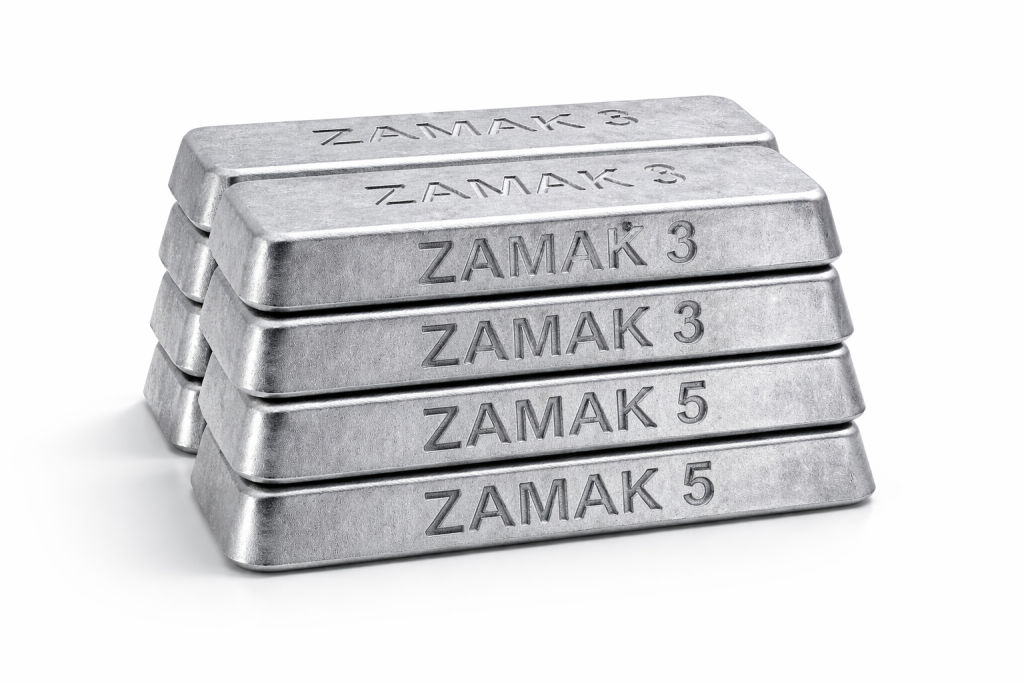
Extremely lightweight (67% aluminum density), good vibration damping, requires surface treatment.
Price: $0
Lead Time: < 10 days
Tolerances: ±0.005″ (±0.125mm)
Max part size: 200 cm x 80 cm x 100 cm
Excellent malleability, corrosion-resistant, decorative finishes, suitable for intricate stamped panels.
Price: $0
Lead Time:
Tolerances:
Max part size:
High electrical conductivity, soft yet work-hardening, requires annealing during multi-stage forming.
Price: $0
Lead Time:
Tolerances:
Max part size:

Cost-effective formability, high strength-to-weight ratio, requires anti-rust coating for exposed edges.
Price: $0
Lead Time:
Tolerances:
Max part size:
Corrosion-resistant, retains strength after welding, maintains integrity in harsh environments.
Price: $0
Lead Time:
Tolerances:
Max part size:
Aerospace-grade strength, biocompatible, seawater corrosion resistance, difficult to machine.
Price: $0
Lead Time: < 10 days
Tolerances: ±0.005″ (±0.125mm)
Max part size: 200 cm x 80 cm x 100 cm
Lightweight, high thermal conductivity, Excellent Machinability, Superior Dimensional Stability, Tight-Tolerance Capable, Perfect for Complex CNC Milling and Turning.
Price: $0
Lead Time: < 5 days
Tolerances: ±0.005″ (±0.125mm)
Max part size: 200 cm x 80 cm x 100 cm
Plastics
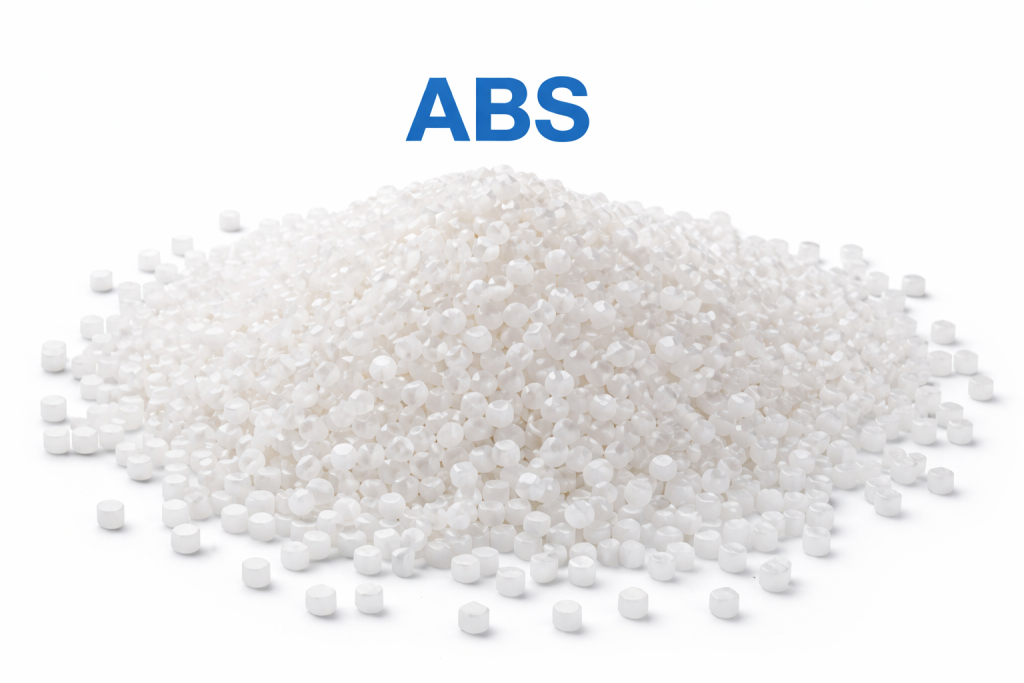
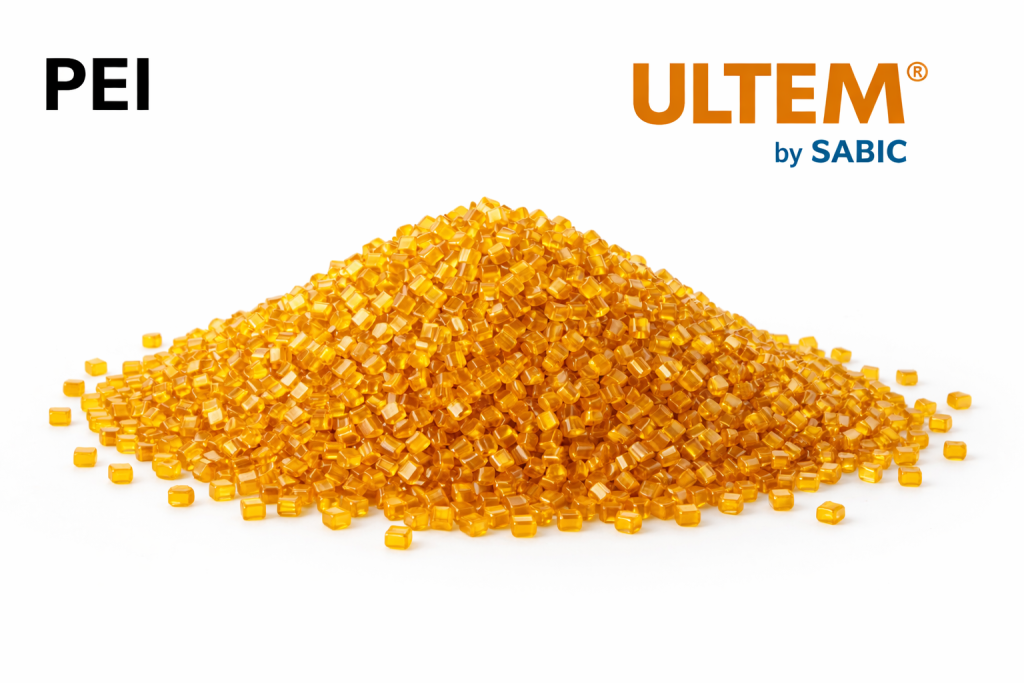
Fast-flowing melt, low shrinkage (0.4-0.7%), requires pre-drying (80°C/4h), ideal for automotive dashboards and consumer electronics housings.
Price: $0
Lead Time:
Tolerances:
Max part size:
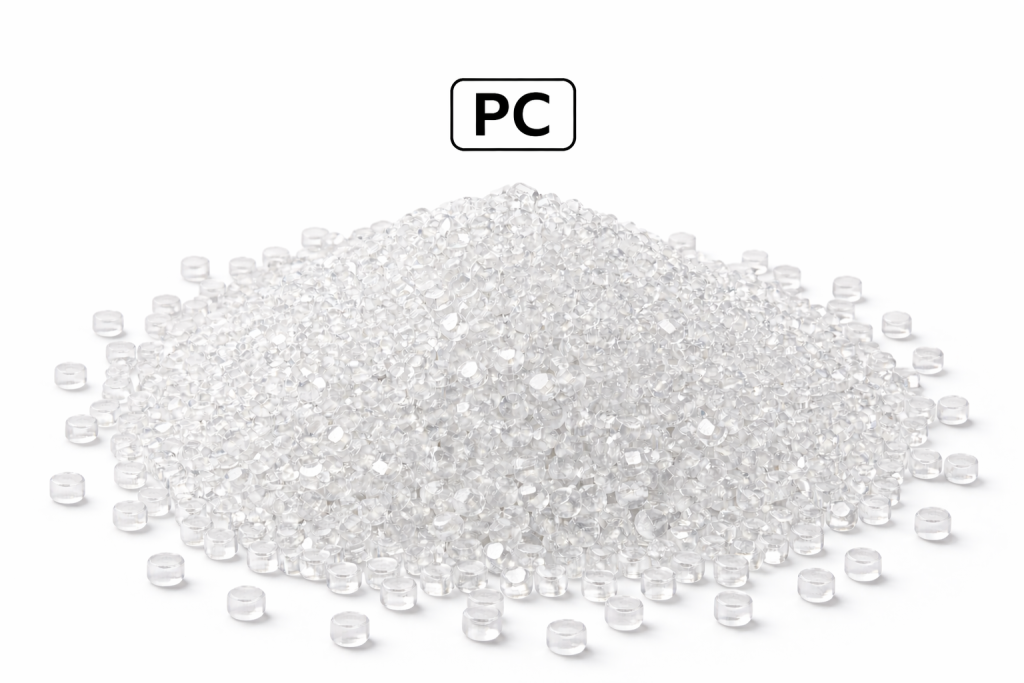
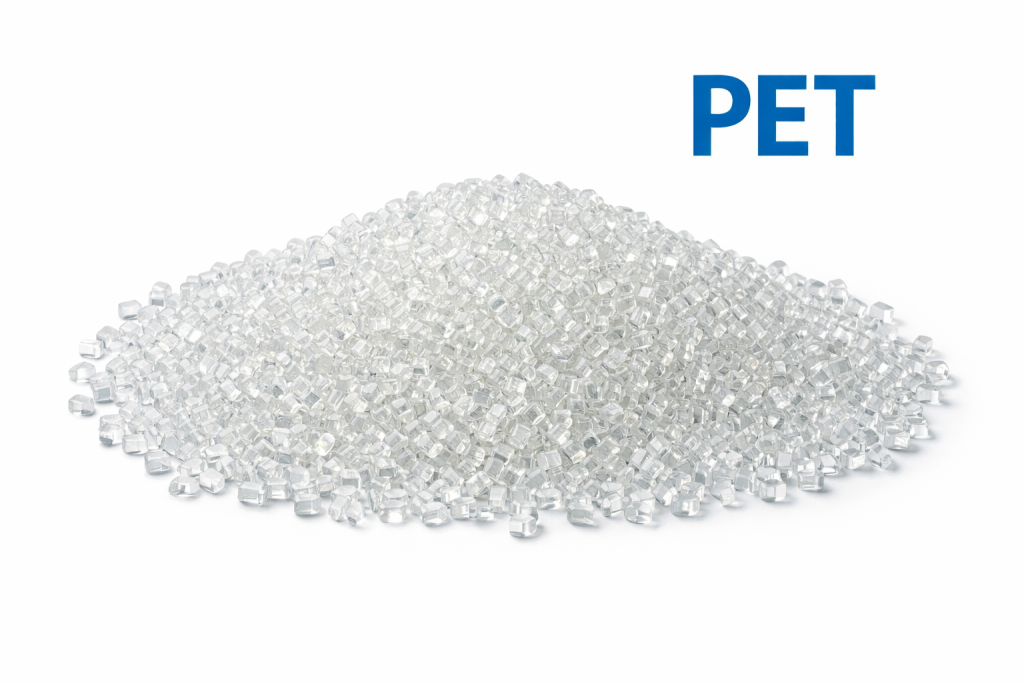
High melt viscosity (300-350°C processing), moisture-sensitive (0.02% max), optical-grade clarity for LED lenses and medical device components.
Price: $0
Lead Time:
Tolerances:
Max part size:
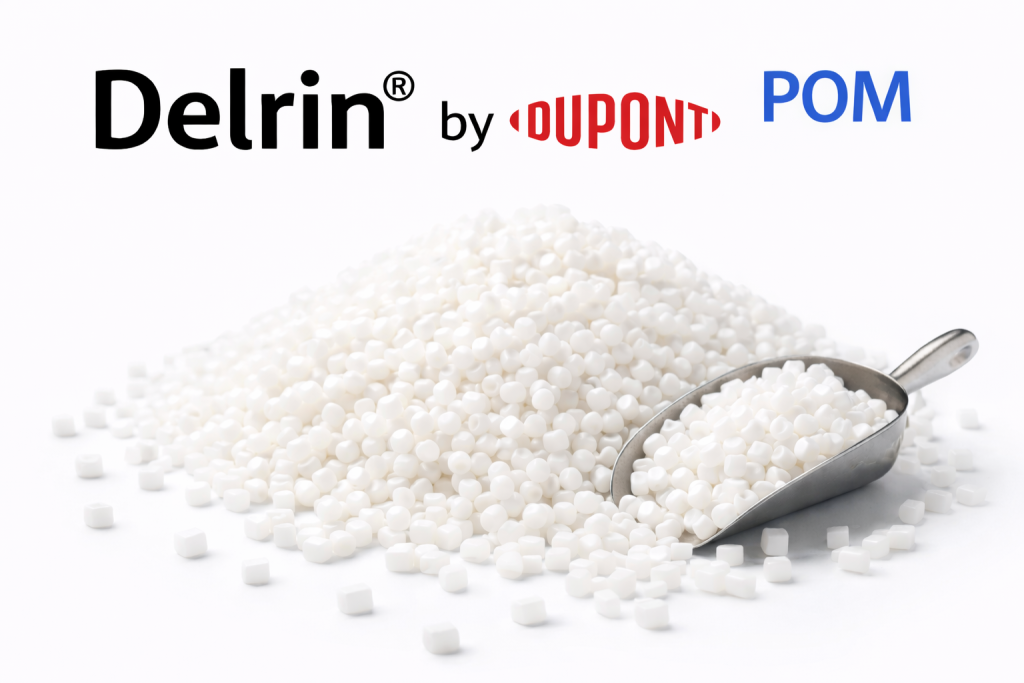
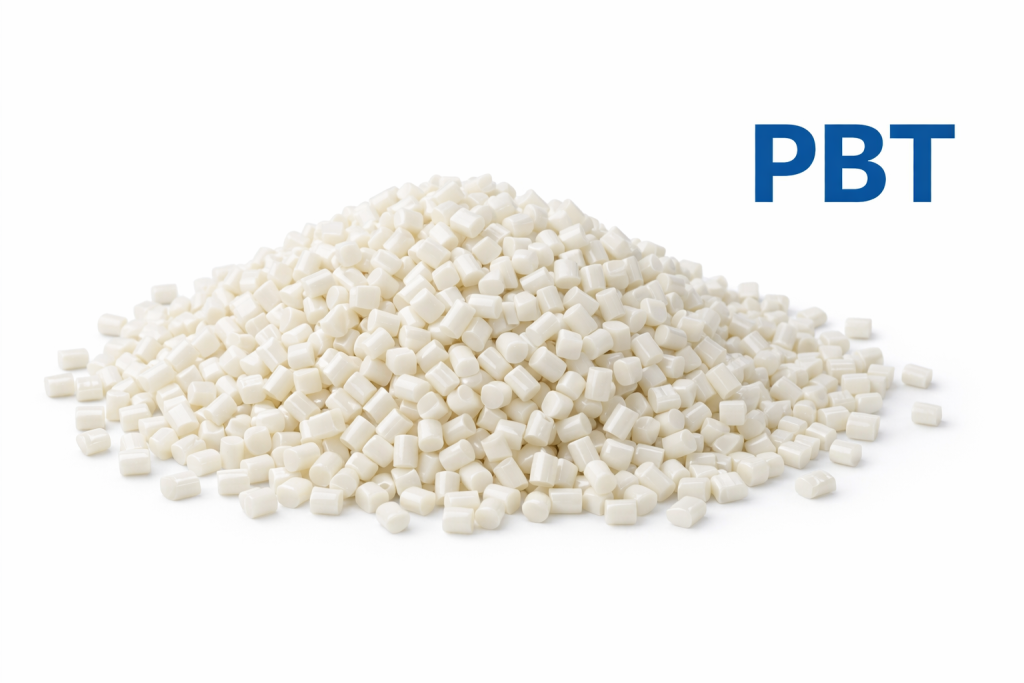
Crystallization-sensitive cooling (80-120°C mold), high dimensional stability, precision gears and fuel system valves.
Price: $0
Lead Time:
Tolerances:
Max part size:
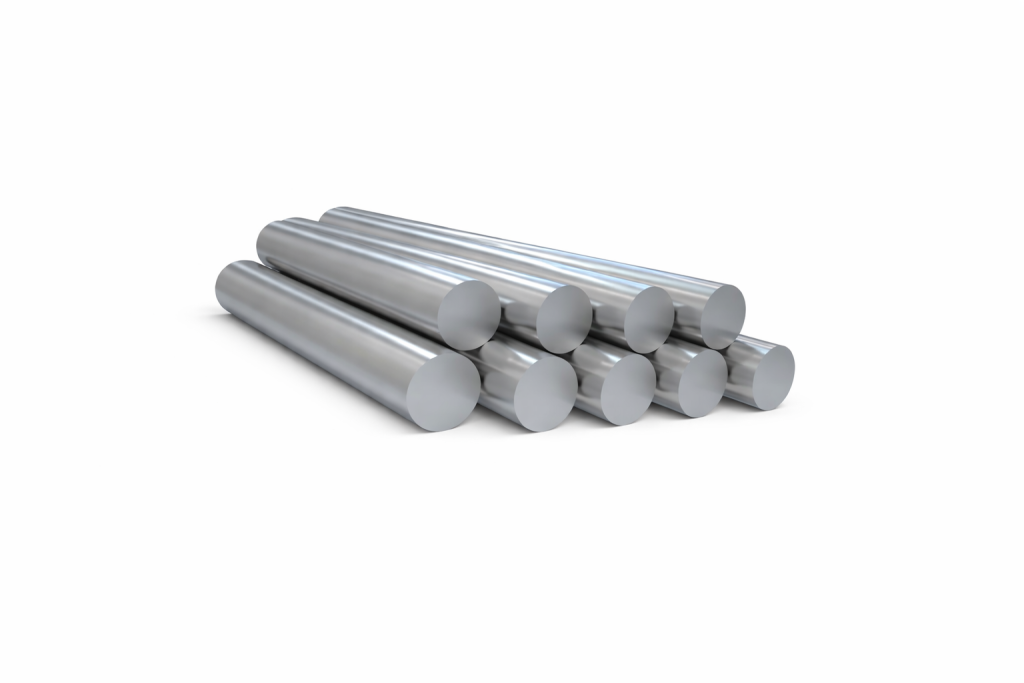
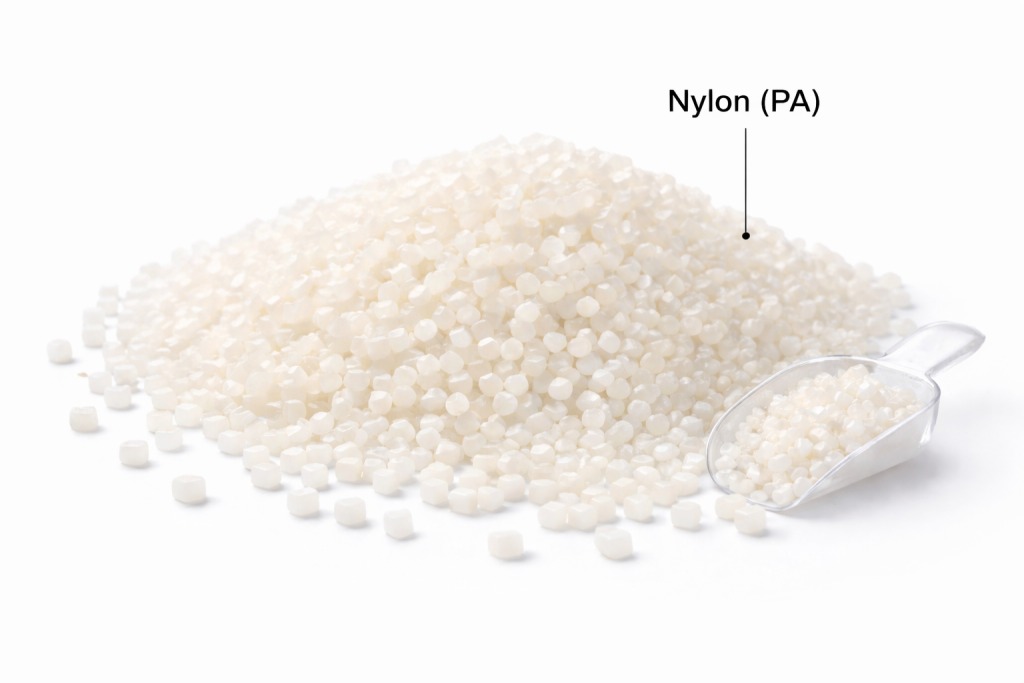
Moisture absorption (2.5-3.5%) requires post-molding annealing, self-lubricating bushings and automotive cable ties.
Price: $0
Lead Time:
Tolerances:
Max part size:
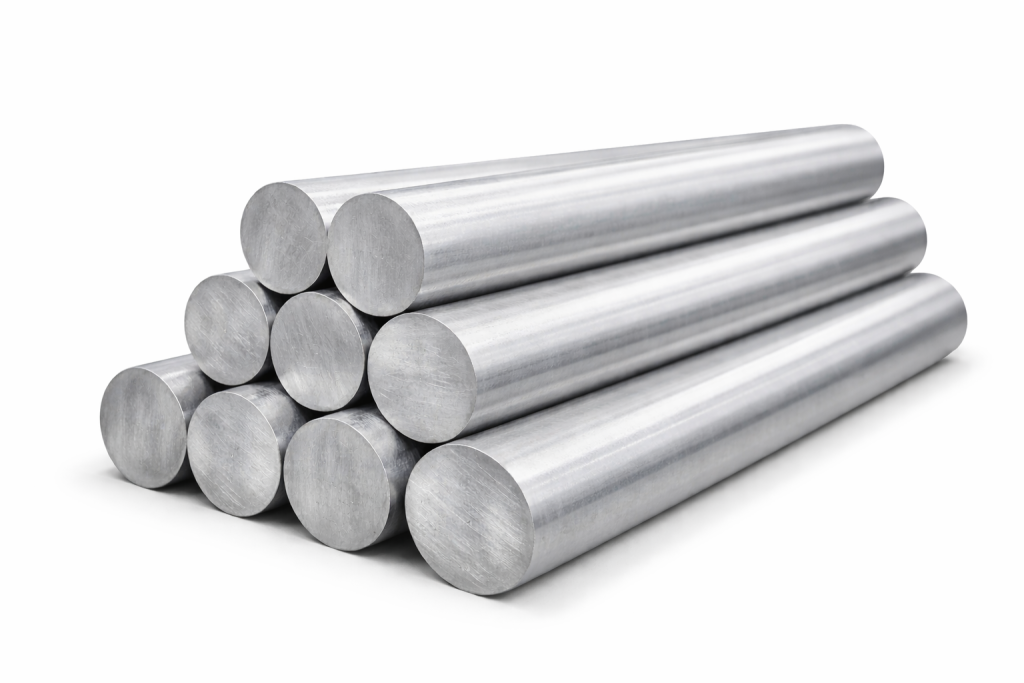
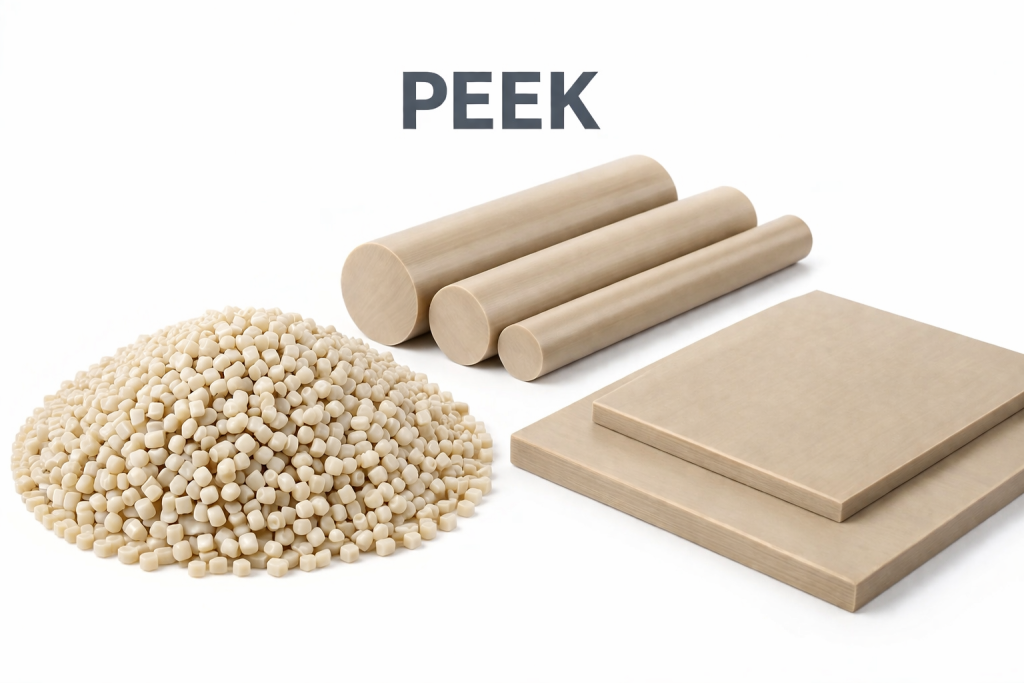
Extreme processing temps (380-400°C), low shrinkage (0.1-0.3%), aerospace bushings and surgical sterilization trays.
Price: $0
Lead Time:
Tolerances:
Max part size:
Heat distortion resistance (150°C), electrical insulation, glass-fiber reinforced automotive connectors.
Price: $0
Lead Time:
Tolerances:
Max part size:
Aerospace-grade strength, biocompatible, seawater corrosion resistance, difficult to machine.
Price: $0
Lead Time: < 10 days
Tolerances: ±0.005″ (±0.125mm)
Max part size: 200 cm x 80 cm x 100 cm
Lightweight, high thermal conductivity, Excellent Machinability, Superior Dimensional Stability, Tight-Tolerance Capable, Perfect for Complex CNC Milling and Turning.
Price: $0
Lead Time: < 5 days
Tolerances: ±0.005″ (±0.125mm)
Max part size: 200 cm x 80 cm x 100 cm
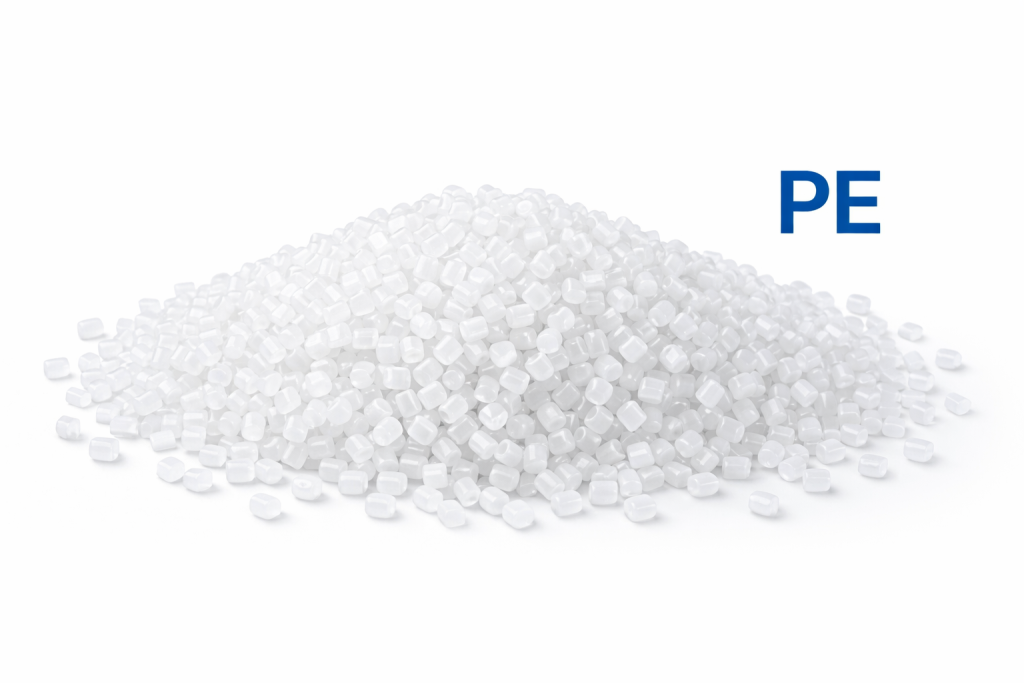
Low melt strength (LDPE: 160-240°C), high flow rate for thin-wall containers and chemical-resistant pipeline fittings.
Price: $0
Lead Time:
Tolerances:
Max part size:
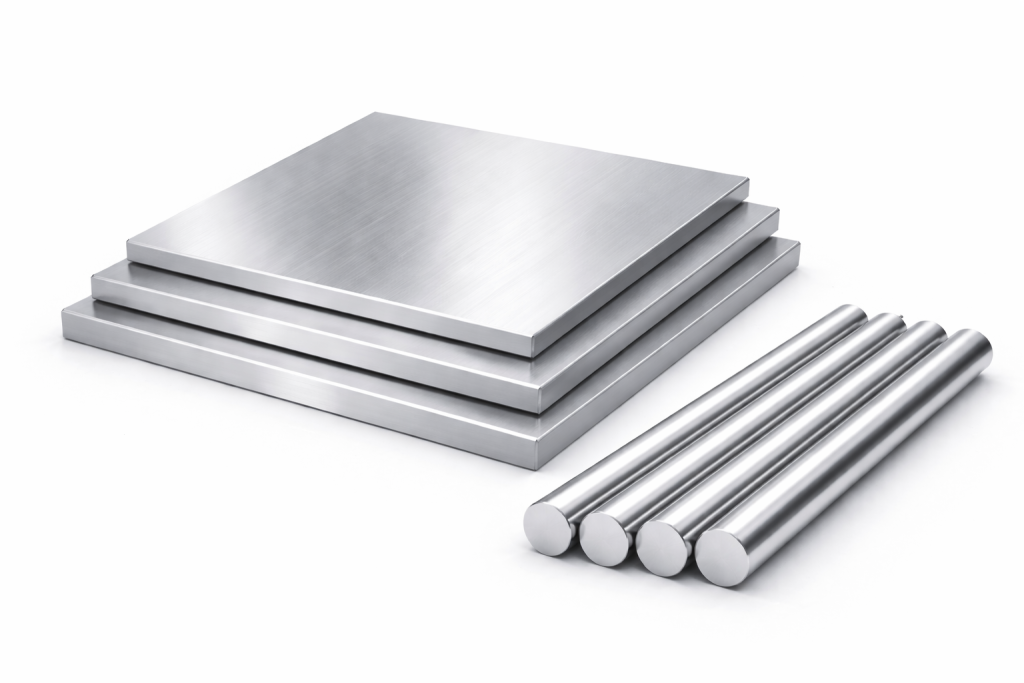
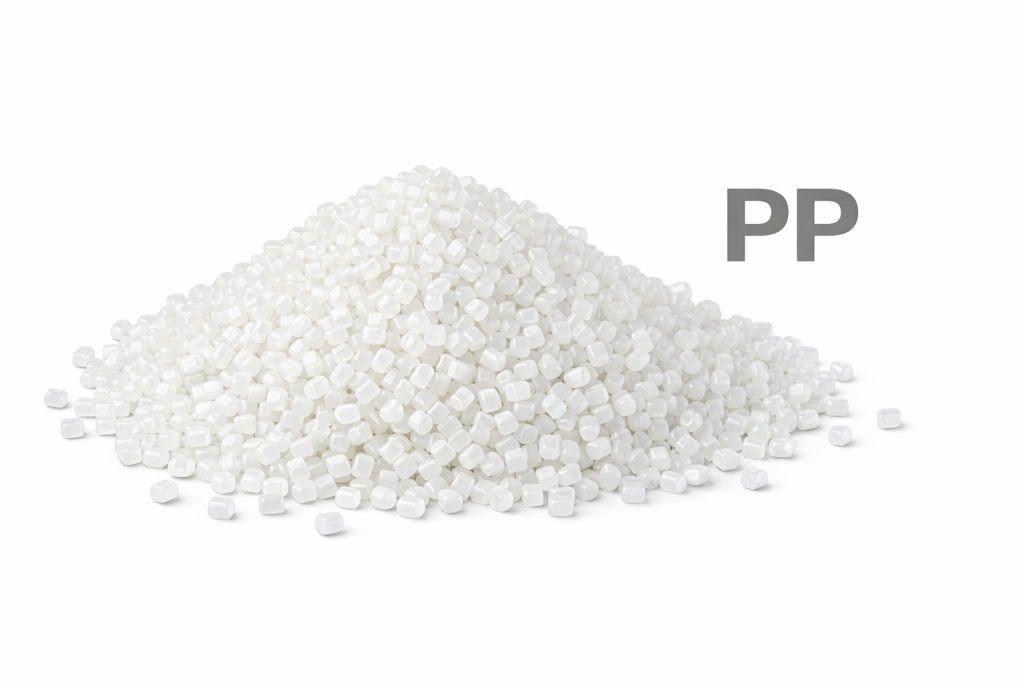
Low density (0.9g/cm³), living hinge capability, disposable syringes and automotive HVAC ducts.
Price: $0
Lead Time:
Tolerances:
Max part size:
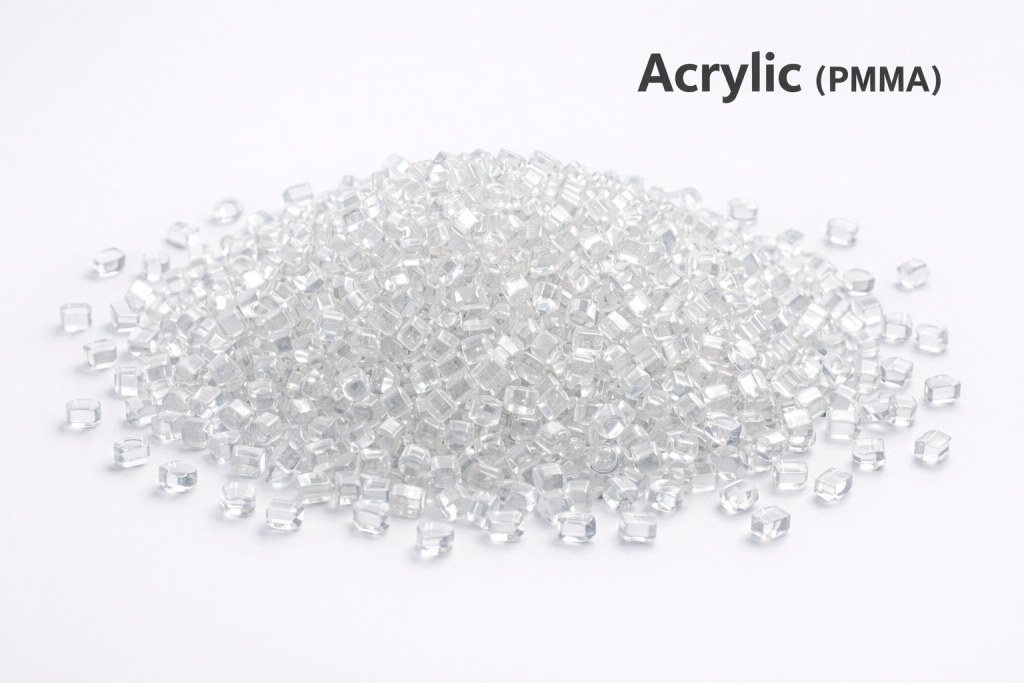
High mold temperature (60-80°C) reduces internal stress, low warpage, replaces glass in automotive taillights and cosmetic packaging.
Price: $0
Lead Time:
Tolerances:
Max part size:
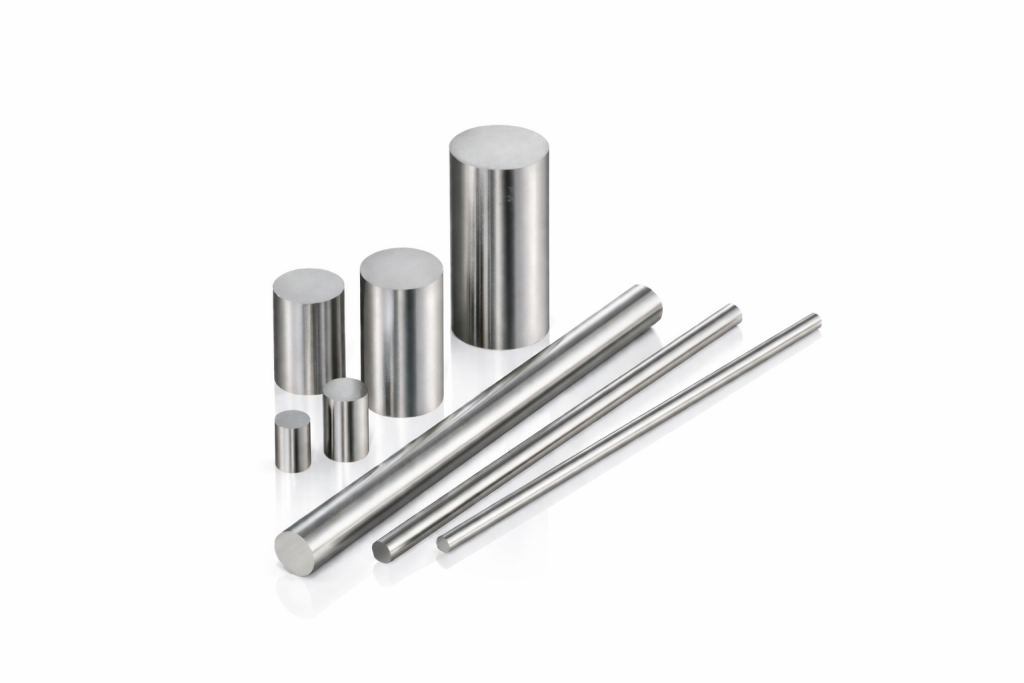
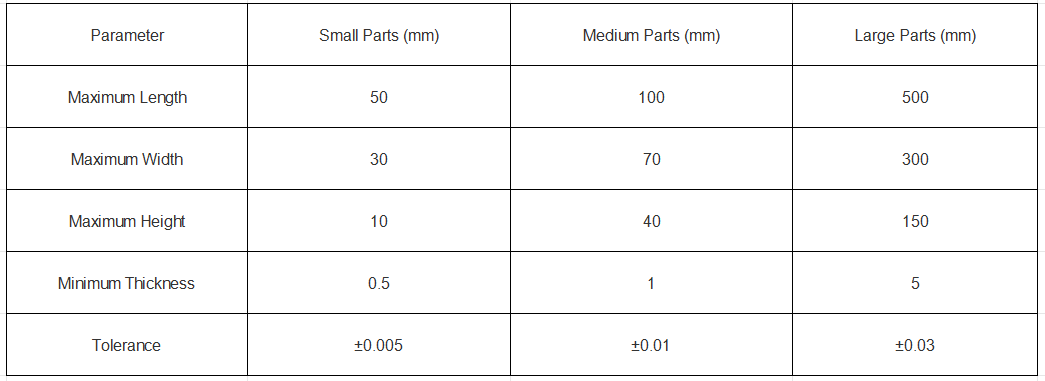
Wire EDM Part Size Standards
Surface Finishes by Material
Different materials require different finishing processes. Explore the most suitable surface finishes for aluminum, stainless steel, titanium, brass, copper, engineering plastics, and more to achieve the ideal balance of protection, appearance, and performance.
What is Wire EDM?How Does Wire EDM Work?
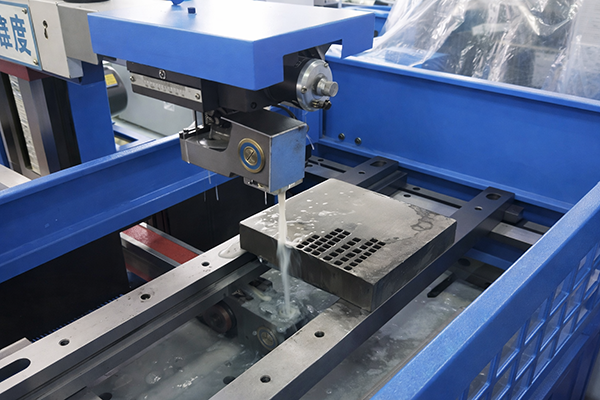
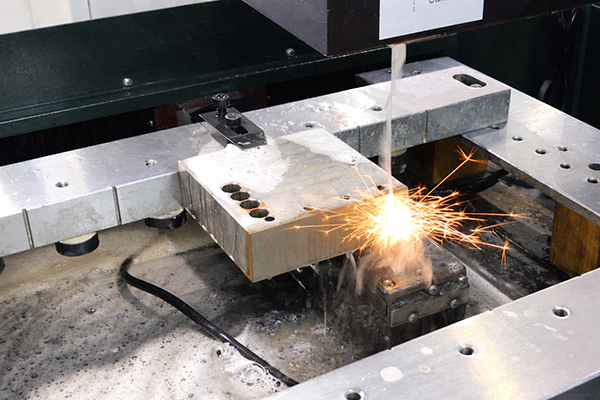
Wire EDM (Wire Electrical Discharge Machining) is a precision machining process that uses a thin, electrically charged wire to cut conductive materials with extreme accuracy. By generating controlled electrical sparks (discharges) between the wire and the workpiece, it erodes material to create complex shapes, sharp corners, and fine details without physical contact. Ideal for hard metals like titanium, tool steel, and carbides, it is widely used in mold-making, aerospace, and medical device manufacturing.
- Workpiece Setup:The conductive material is submerged in a dielectric fluid (usually deionized water) to cool the process and flush away debris.The wire (typically brass or copper) is threaded through the workpiece and connected to a power source.
- Spark Generation:A voltage difference between the wire and workpiece creates repeated electrical discharges, melting and vaporizing tiny portions of the material.The dielectric fluid cools the area and removes eroded particles.
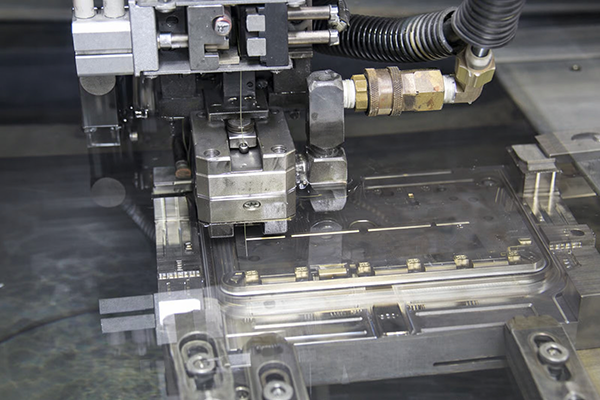
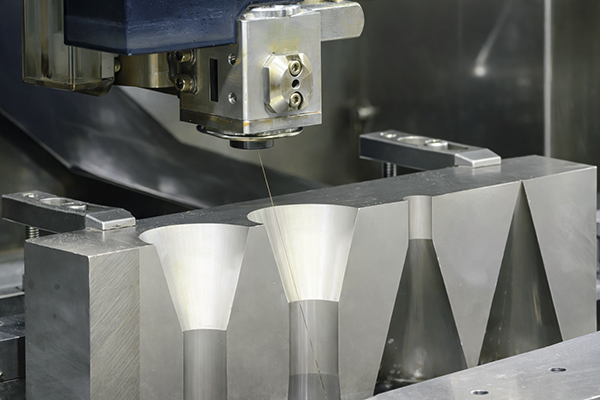
- Precision Cutting:The wire moves along a programmed CNC path, guided by computer-controlled axes (X-Y-U-V), to achieve intricate geometries.Wire tension and feed rate are optimized to maintain cutting accuracy and surface finish.
- Finishing:Multiple passes (roughing and finishing) may be used to achieve tight tolerances (±0.005 mm) and smooth surfaces (Ra < 0.2 µm).
Success Stories of Wire EDM Projects
FAQs
What materials can wire EDM cut?
Wire EDM processes all conductive materials including hardened steels (HRC 60+), superalloys (Inconel, Hastelloy), refractory metals (tungsten,
molybdenum), and conductive ceramics. Unlike conventional machining, it excels with heat-resistant (up to 1200°C) and ultra-hard (50-70 HRC)
materials critical for aerospace components, medical implants, and precision dies. Specialized techniques can machine semi-conductive materials
like PCD.
What is the difference between laser and wire EDM?
Laser cutting outperforms wire EDM in speed (3-5x faster for materials under 6.35mm thickness) due to non-contact thermal processing. However,
wire EDM provides superior accuracy (±0.002mm vs. ±0.1mm for lasers) and better edge finishes (Ra 0.2-0.8μm) without heat-affected zones,
making it ideal for hardened tool steels and precision tooling.
Why is wire EDM so accurate?
Wire EDM achieves micron-level precision through three key factors: 1) Ultra-fine brass/copper wires (0.1-0.3mm diameter) enable intricate cuts with
minimal kerf loss. 2) Advanced CNC systems control wire positioning within ±0.005mm tolerance. 3) Deionized dielectric fluid maintains optimal spark
gap consistency while removing microscopic debris. This combination delivers repeatable accuracy to ±0.002mm for complex geometries.