Precision Aluminum Extrusion Services
- Window/door structural profiles
- Vehicle chassis rails
- Solar panel mounting systems
- Heat exchanger fins
- Conveyor track components
- Electronic heatsink channels
Start A New Aluminum Extrusion Quote
STEP | STP I SLDPRT I IPT I PRT I SAT FLES
Advanced Manufacturing Capabilities
Integrating Engineering Expertise, Advanced Manufacturing Processes, and Flexible Production Capabilities to Support Product Development from Initial Prototypes to Scalable Production.
Hot Direct Extrusion
Hot Indirect Extrusion
Cold Direct Extrusion
Aluminum Extrusion Mass Production
Designed for high-volume aluminum profile production with consistent quality and tight dimensional control. Optimized for long-run manufacturing, it delivers lightweight structural parts, stable surface finish, and efficient scaling.
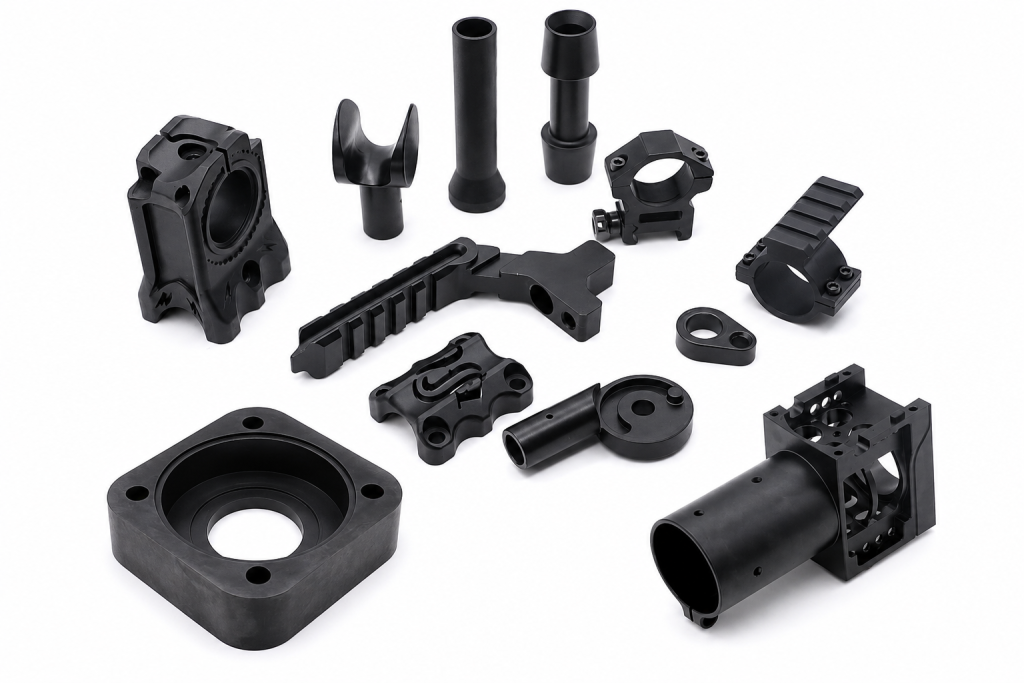
Our Advanced Aluminum Extrusion Parts
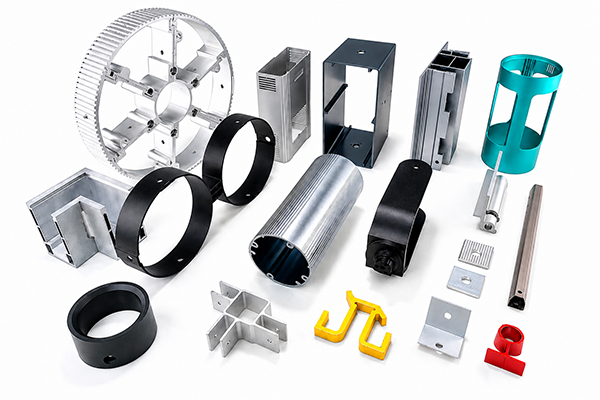
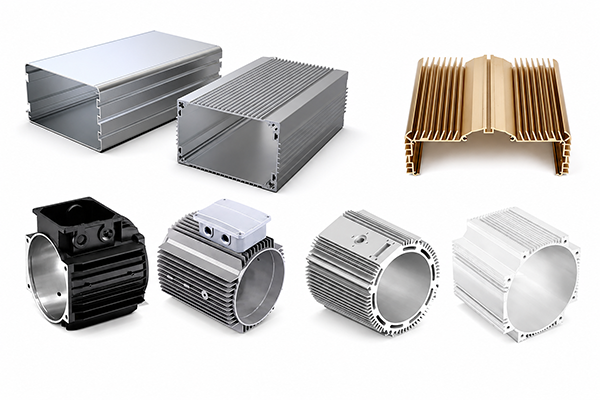
Manufacturing custom profiles (6-300mm diameter) with 6000/7000 series alloys, our direct/indirect extrusion presses handle complex cross-sections and tight ±0.05mm tolerances. Offering anodizing, powder coating, and CNC machining integration for architectural, automotive, and heat sink applications.
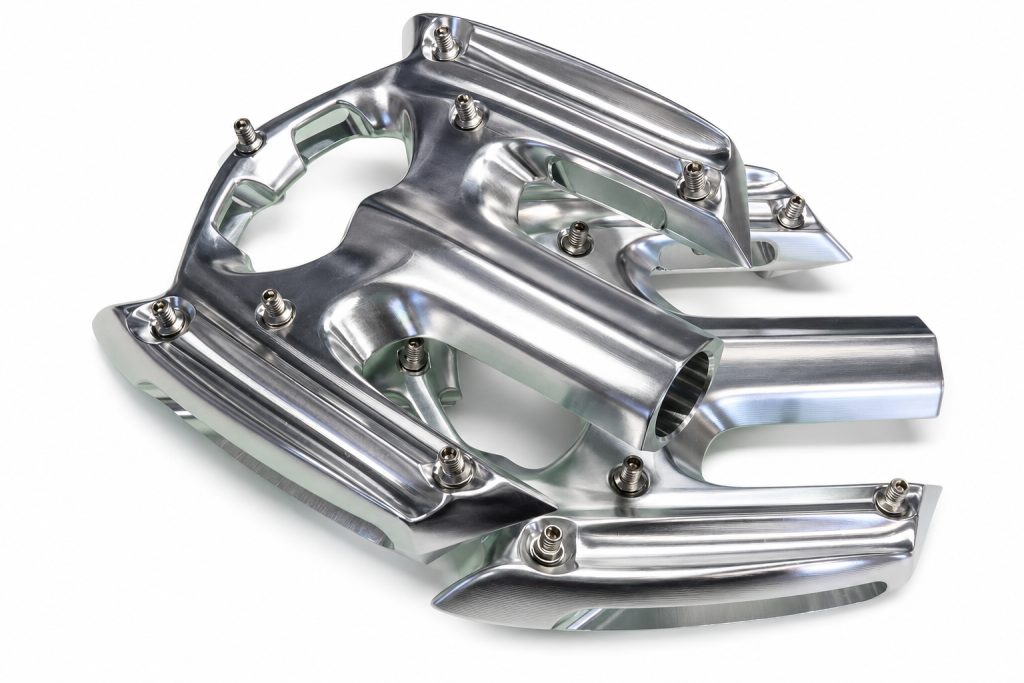
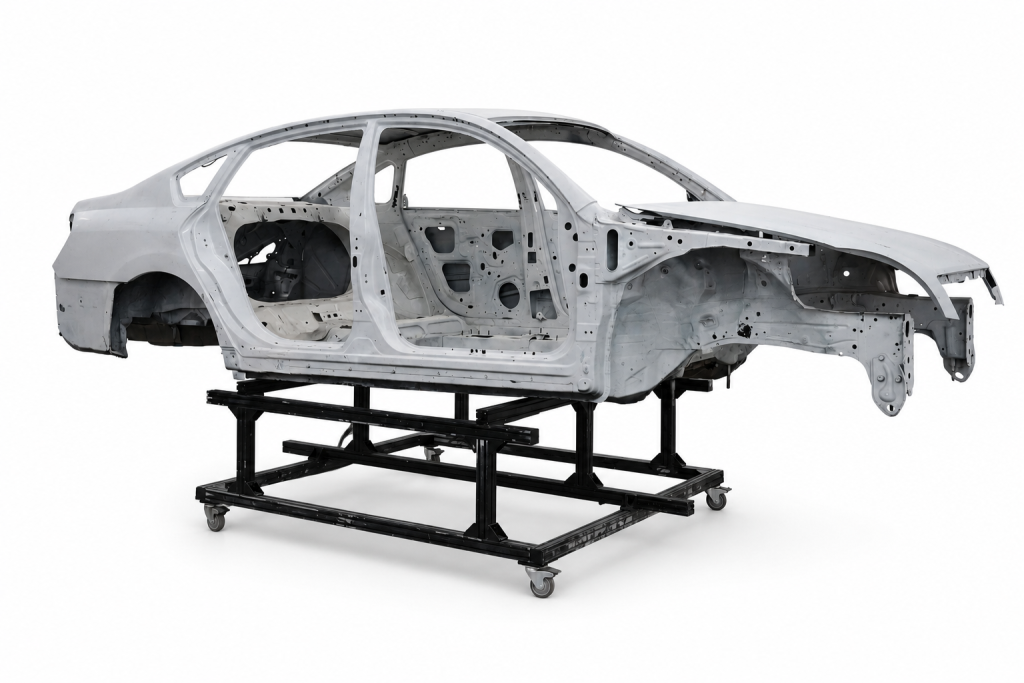
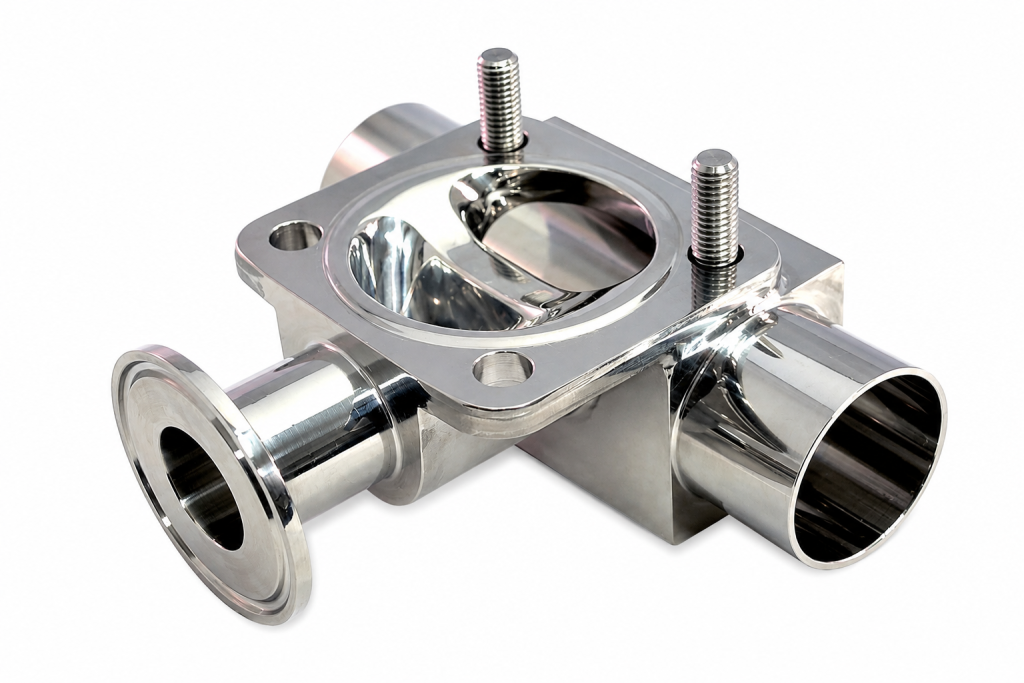
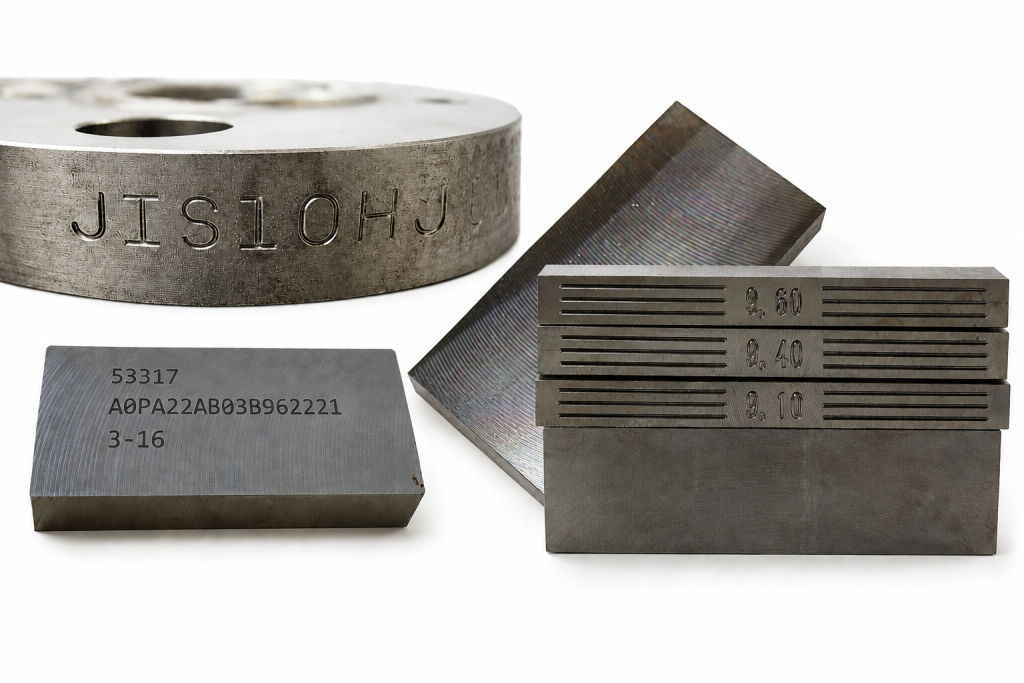
Large Structural Aluminum Parts
- 10+ Years of Aluminum Extrusion Services
- Tolerances as tight as ±0.0016 in.(0.04mm)
- MOQ:100 PCS
- Lead times as fast as 5 working days
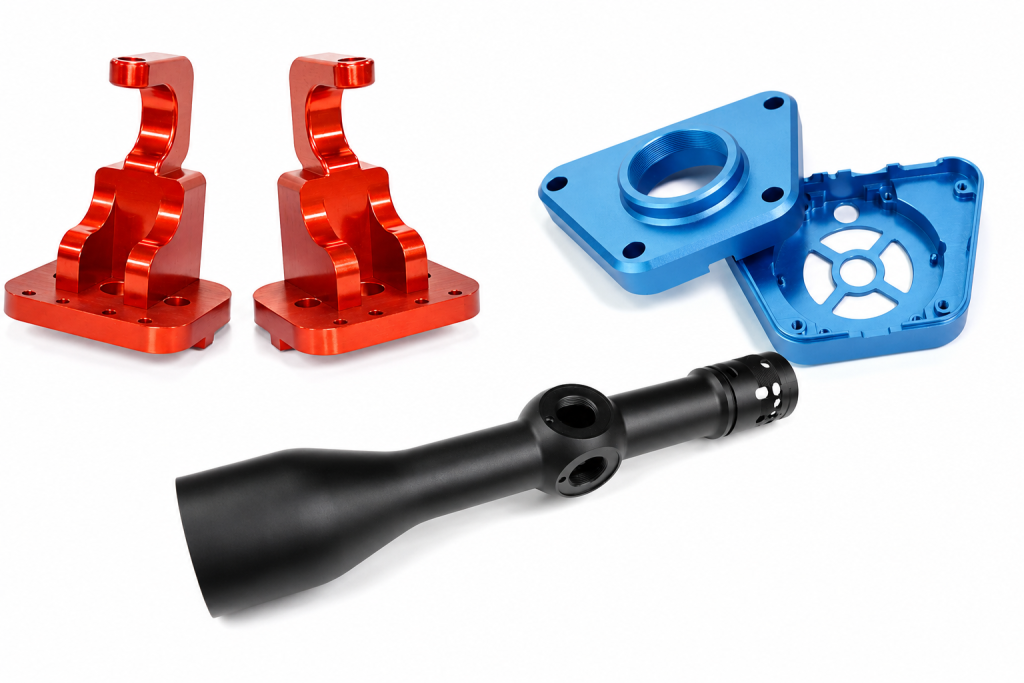
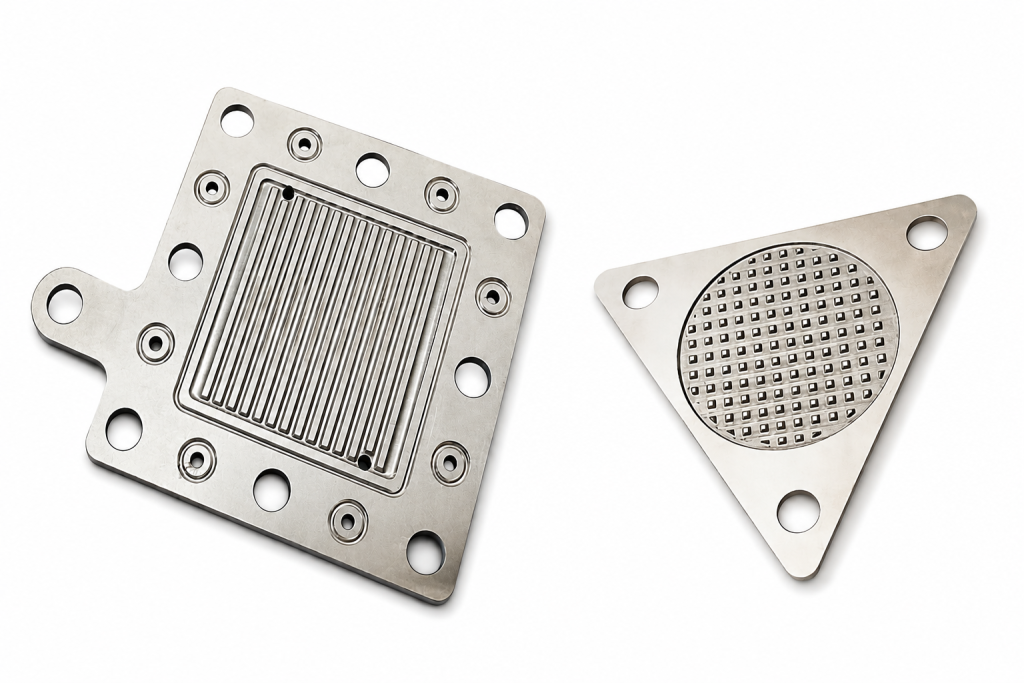
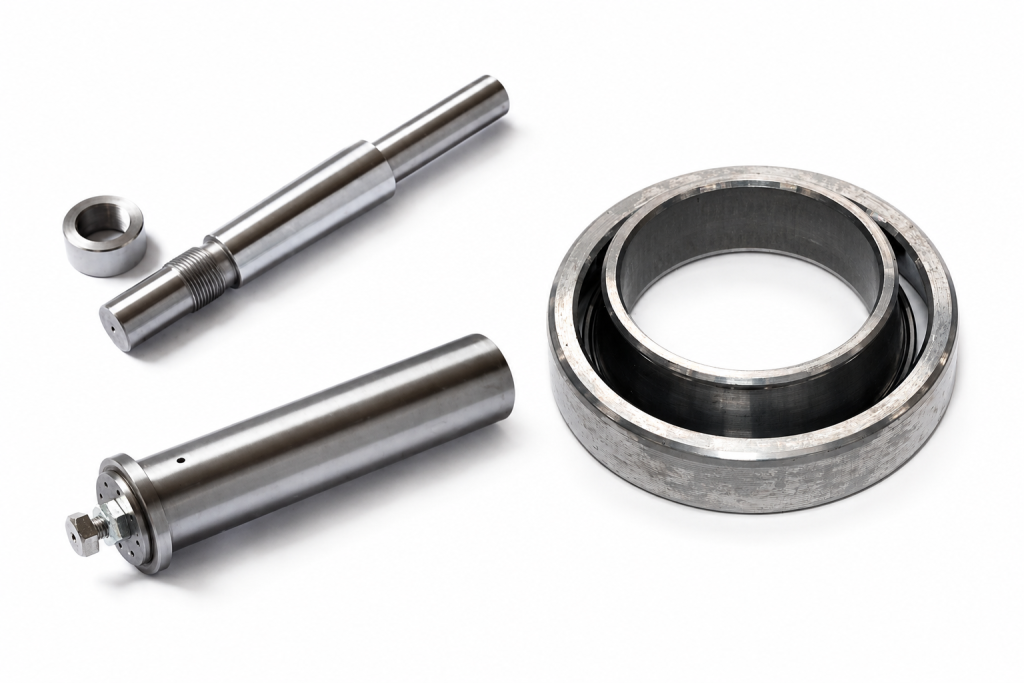
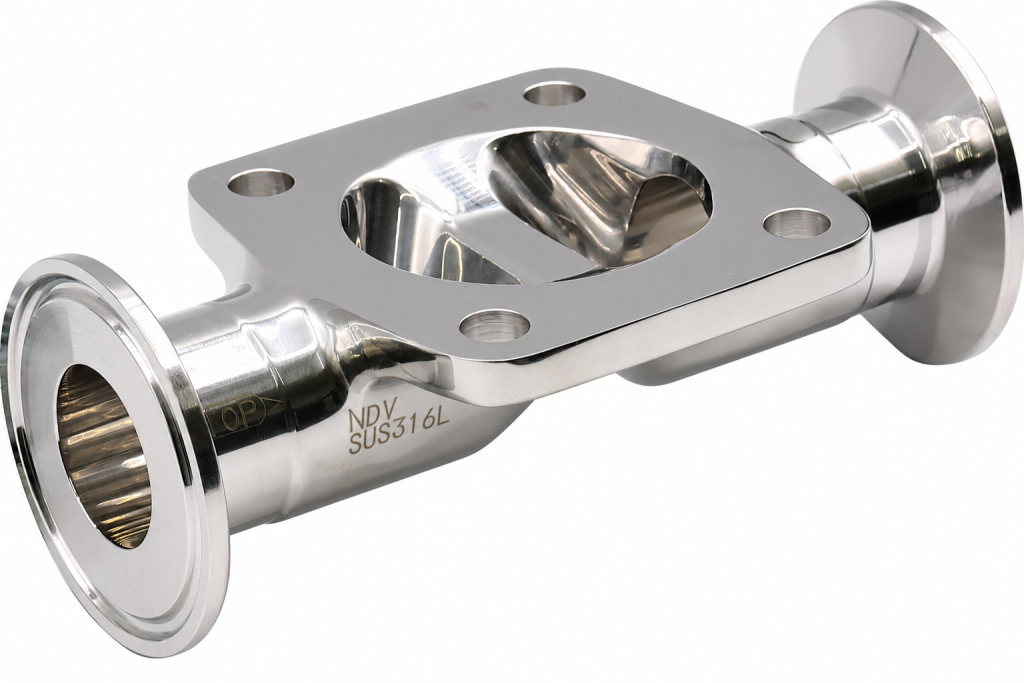
Precision Thin-Wall Aluminum Parts
- 10+ Years of Aluminum Extrusion Services
- Tolerances as tight as ±0.0016 in.(0.04mm)
- MOQ:100 PCS
- Lead times as fast as 5 working days
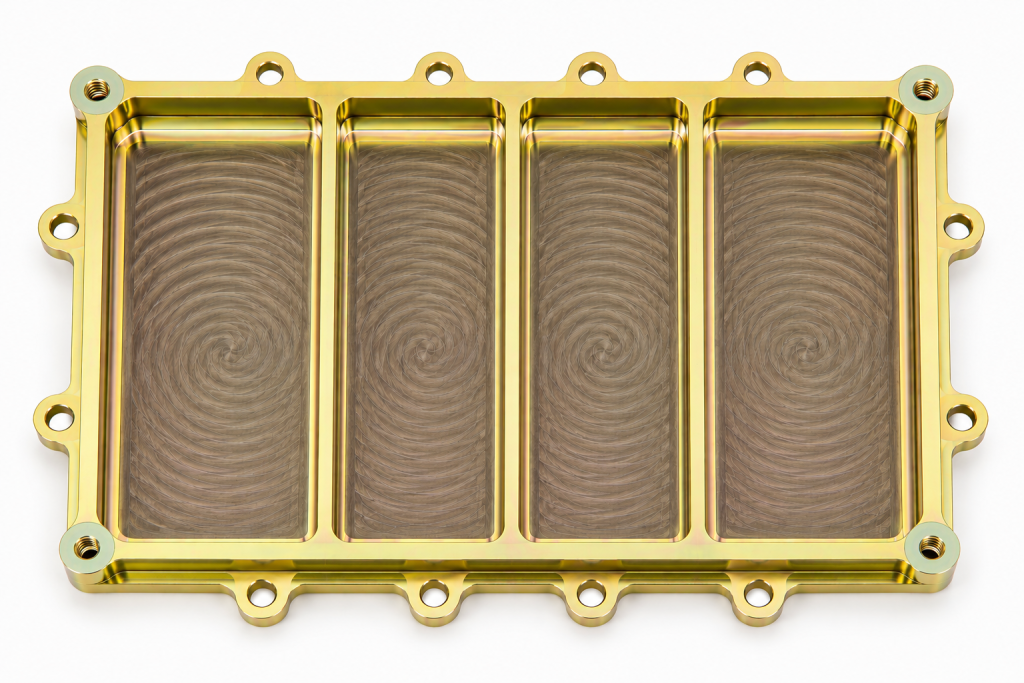
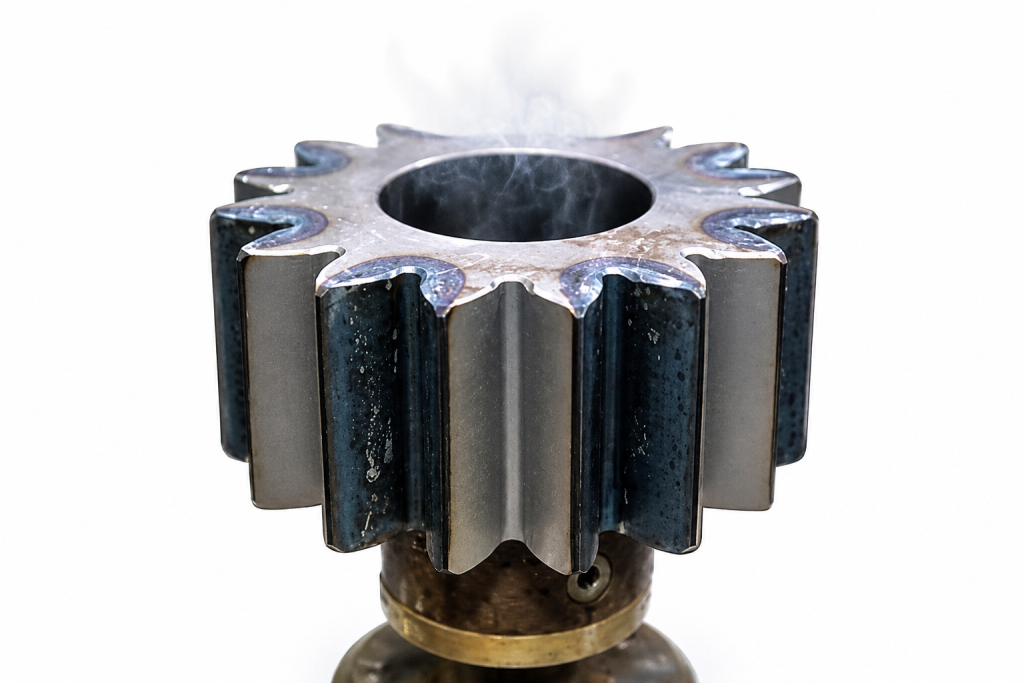
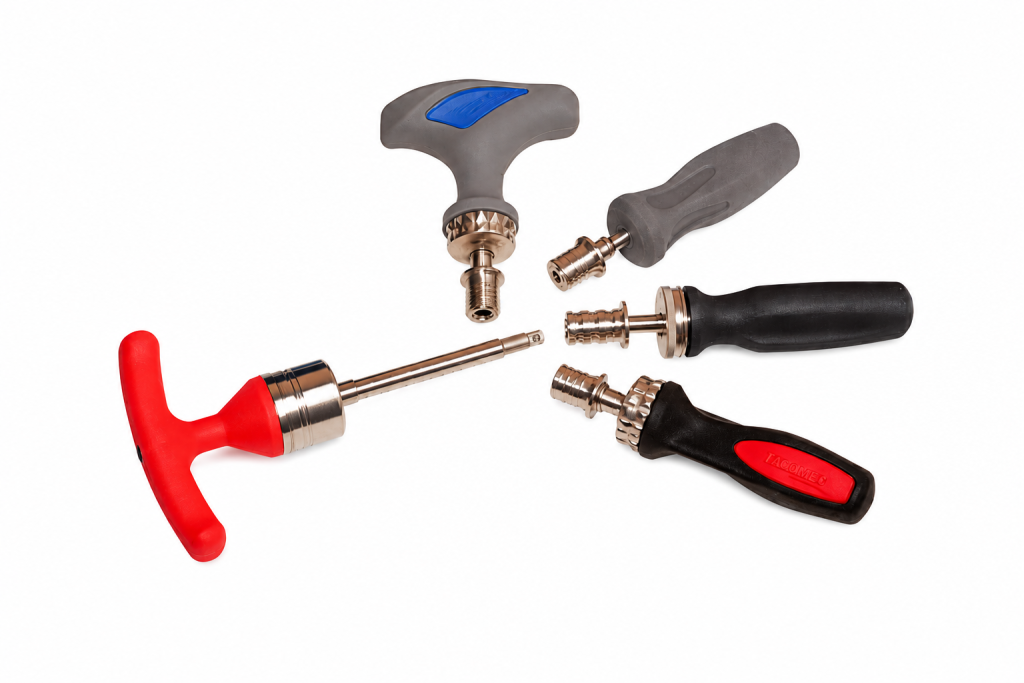
Cold Formed Precision Parts
- 10+ Years of Aluminum Extrusion Services
- Tolerances as tight as ±0.0016 in.(0.04mm)
- MOQ:100 PCS
- Lead times as fast as 5 working days
Aluminum Extrusion Materials
Metals
Lightweight, high thermal conductivity, Excellent Machinability, Superior Dimensional Stability, Tight-Tolerance Capable, Perfect for Complex CNC Milling and Turning.
Price: $0
Lead Time: < 5 days
Tolerances: ±0.005″ (±0.125mm)
Max part size: 200 cm x 80 cm x 100 cm
Extremely lightweight (67% aluminum density), good vibration damping, requires surface treatment.
Price: $0
Lead Time: < 10 days
Tolerances: ±0.005″ (±0.125mm)
Max part size: 200 cm x 80 cm x 100 cm
Excellent malleability, corrosion-resistant, decorative finishes, suitable for intricate stamped panels.
Price: $0
Lead Time:
Tolerances:
Max part size:
High electrical conductivity, soft yet work-hardening, requires annealing during multi-stage forming.
Price: $0
Lead Time:
Tolerances:
Max part size:

Cost-effective formability, high strength-to-weight ratio, requires anti-rust coating for exposed edges.
Price: $0
Lead Time:
Tolerances:
Max part size:
Corrosion-resistant, retains strength after welding, maintains integrity in harsh environments.
Price: $0
Lead Time:
Tolerances:
Max part size:
Aerospace-grade strength, biocompatible, seawater corrosion resistance, difficult to machine.
Price: $0
Lead Time: < 10 days
Tolerances: ±0.005″ (±0.125mm)
Max part size: 200 cm x 80 cm x 100 cm
Lightweight, high thermal conductivity, Excellent Machinability, Superior Dimensional Stability, Tight-Tolerance Capable, Perfect for Complex CNC Milling and Turning.
Price: $0
Lead Time: < 5 days
Tolerances: ±0.005″ (±0.125mm)
Max part size: 200 cm x 80 cm x 100 cm
Plastics
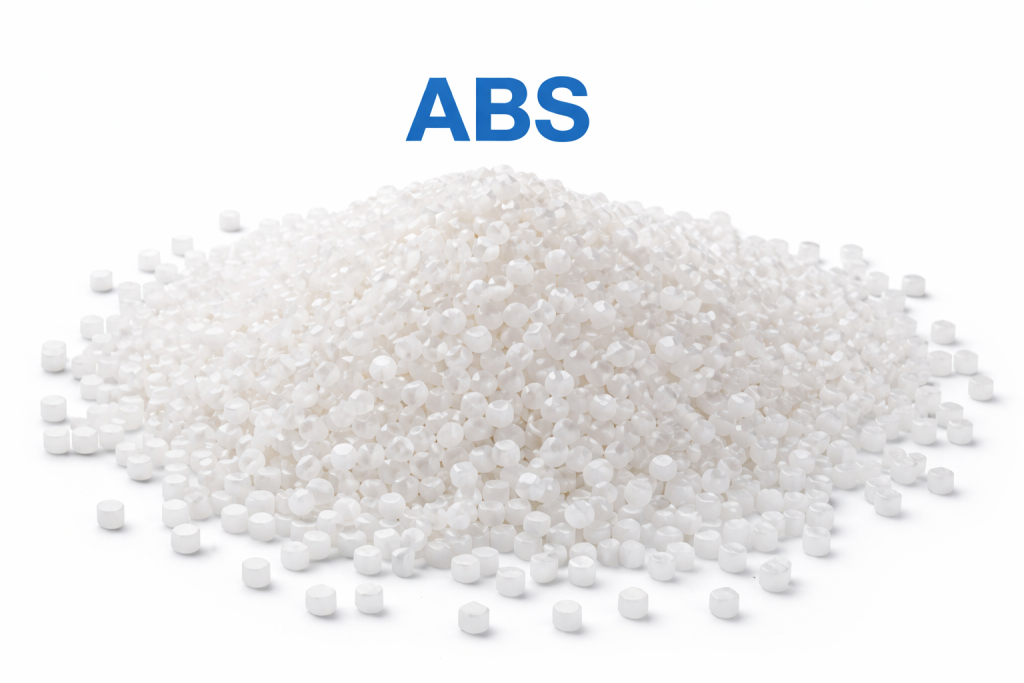
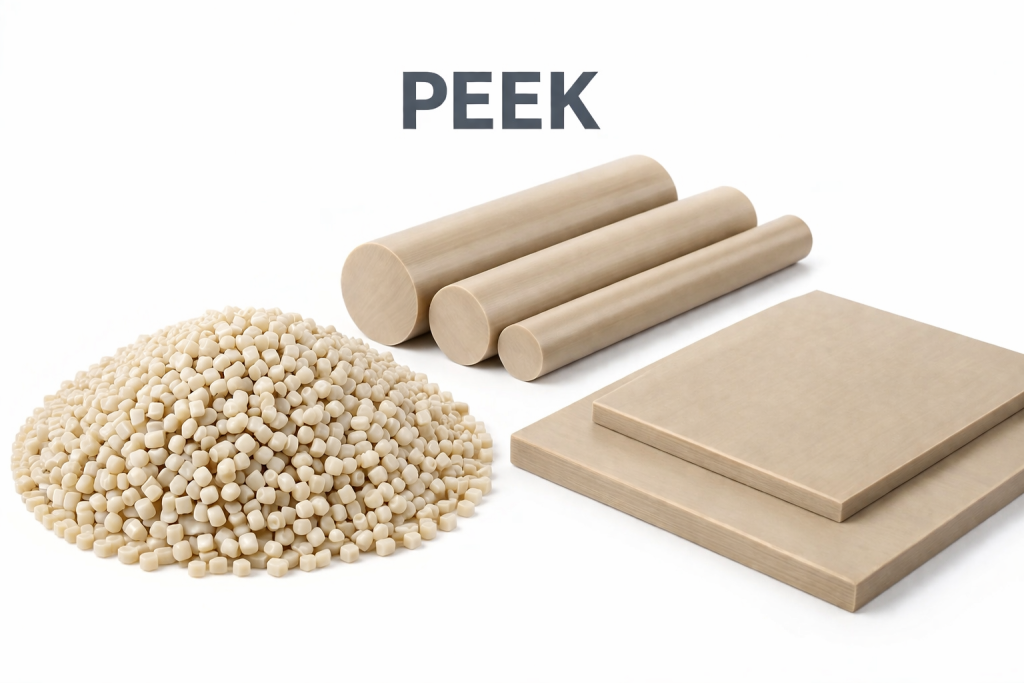
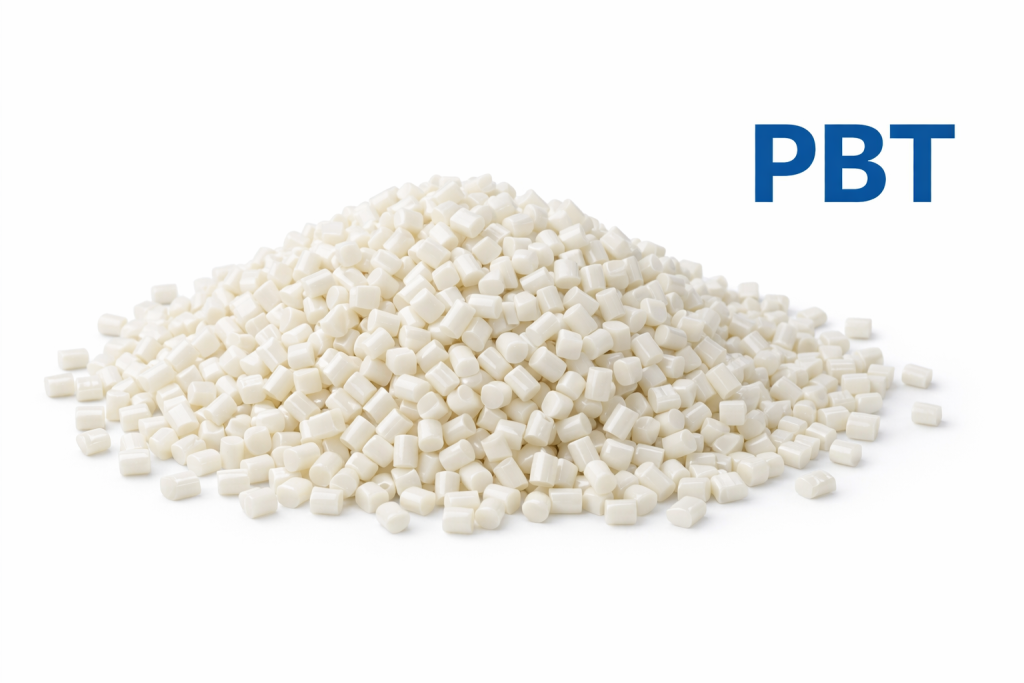
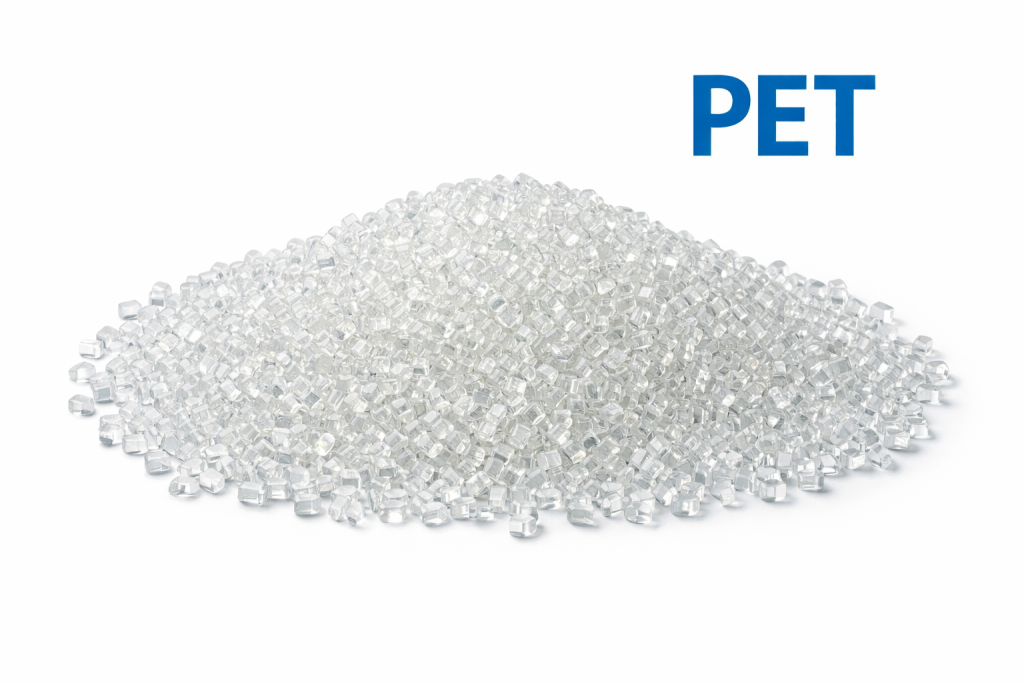
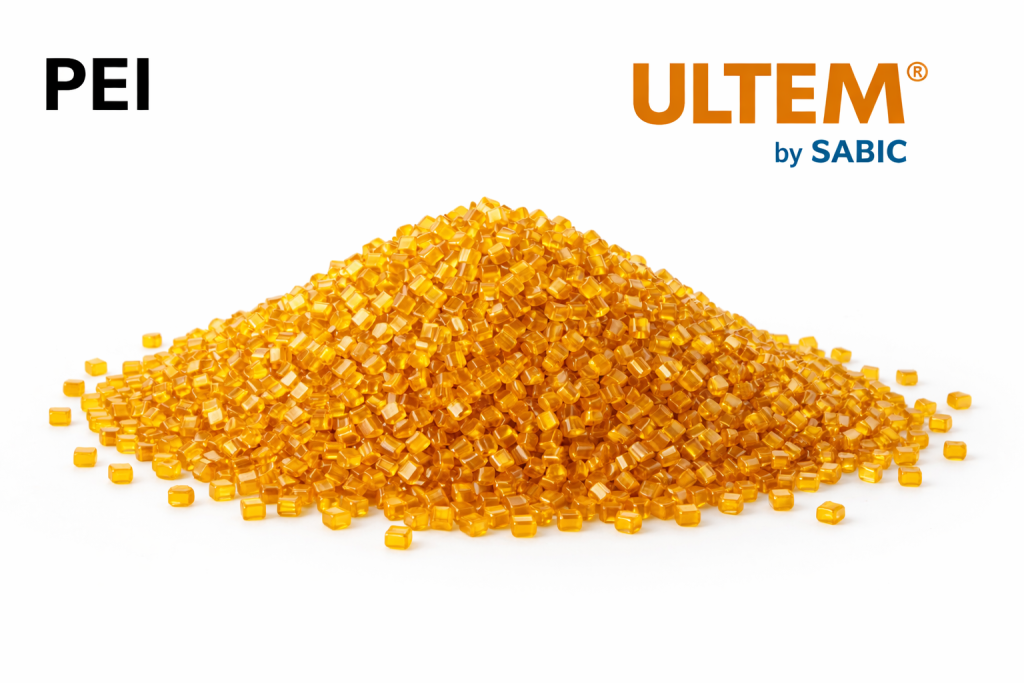
Fast-flowing melt, low shrinkage (0.4-0.7%), requires pre-drying (80°C/4h), ideal for automotive dashboards and consumer electronics housings.
Price: $0
Lead Time:
Tolerances:
Max part size:
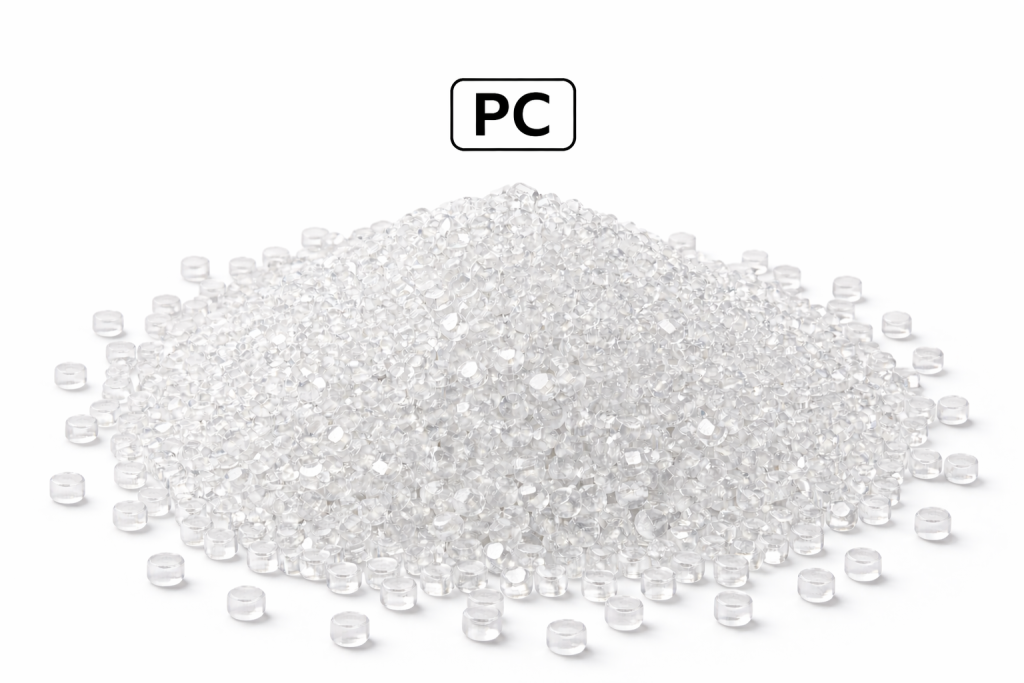
High melt viscosity (300-350°C processing), moisture-sensitive (0.02% max), optical-grade clarity for LED lenses and medical device components.
Price: $0
Lead Time:
Tolerances:
Max part size:
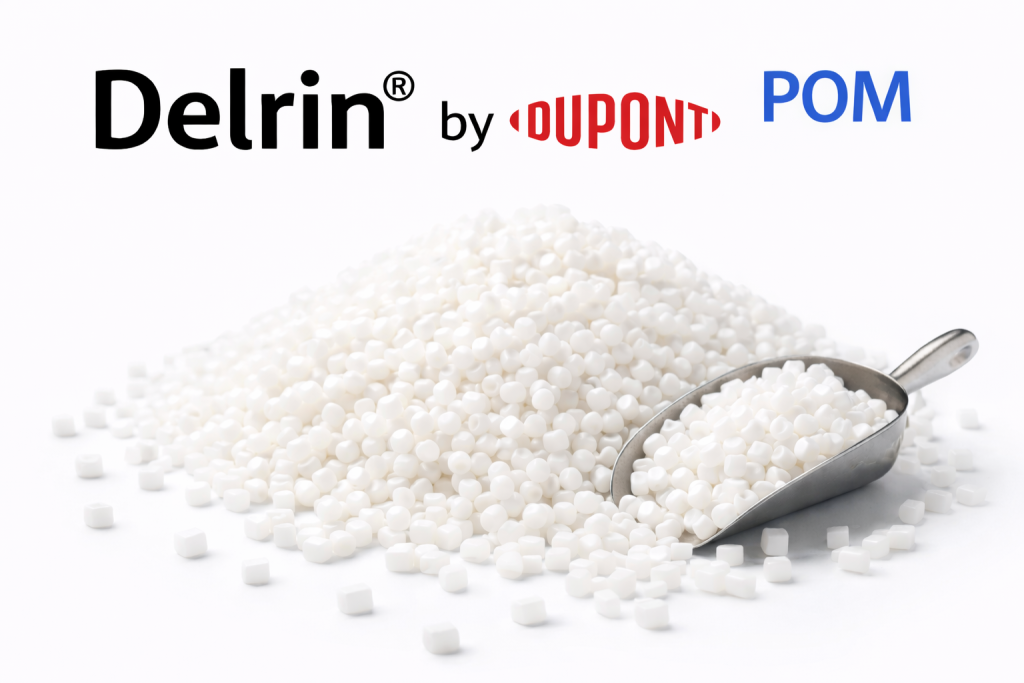
Crystallization-sensitive cooling (80-120°C mold), high dimensional stability, precision gears and fuel system valves.
Price: $0
Lead Time:
Tolerances:
Max part size:
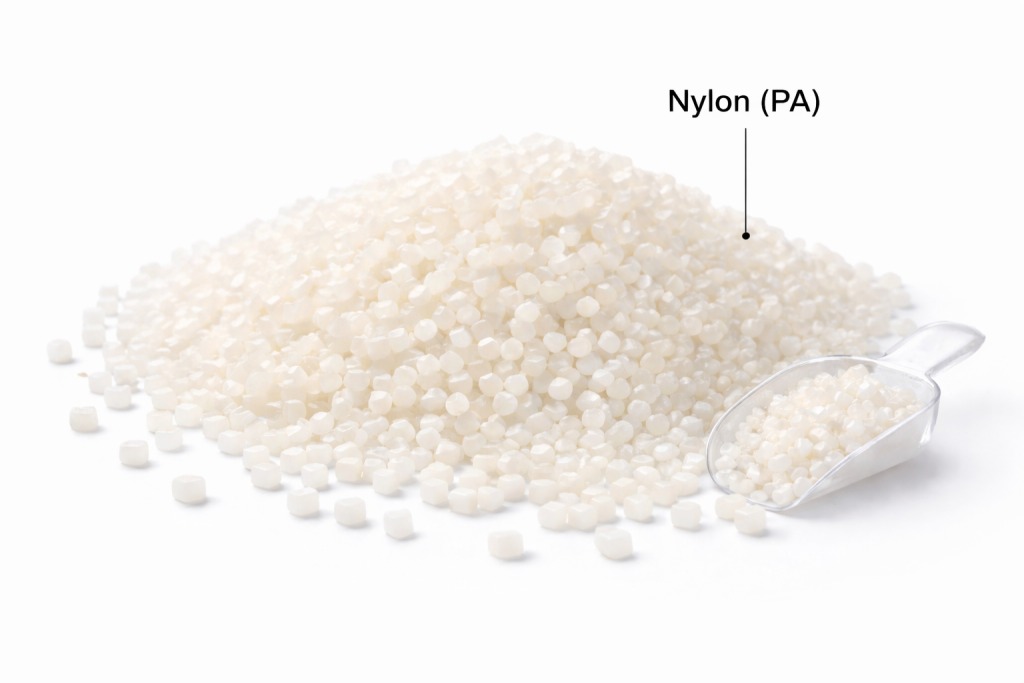
Moisture absorption (2.5-3.5%) requires post-molding annealing, self-lubricating bushings and automotive cable ties.
Price: $0
Lead Time:
Tolerances:
Max part size:
Extreme processing temps (380-400°C), low shrinkage (0.1-0.3%), aerospace bushings and surgical sterilization trays.
Price: $0
Lead Time:
Tolerances:
Max part size:
Heat distortion resistance (150°C), electrical insulation, glass-fiber reinforced automotive connectors.
Price: $0
Lead Time:
Tolerances:
Max part size:
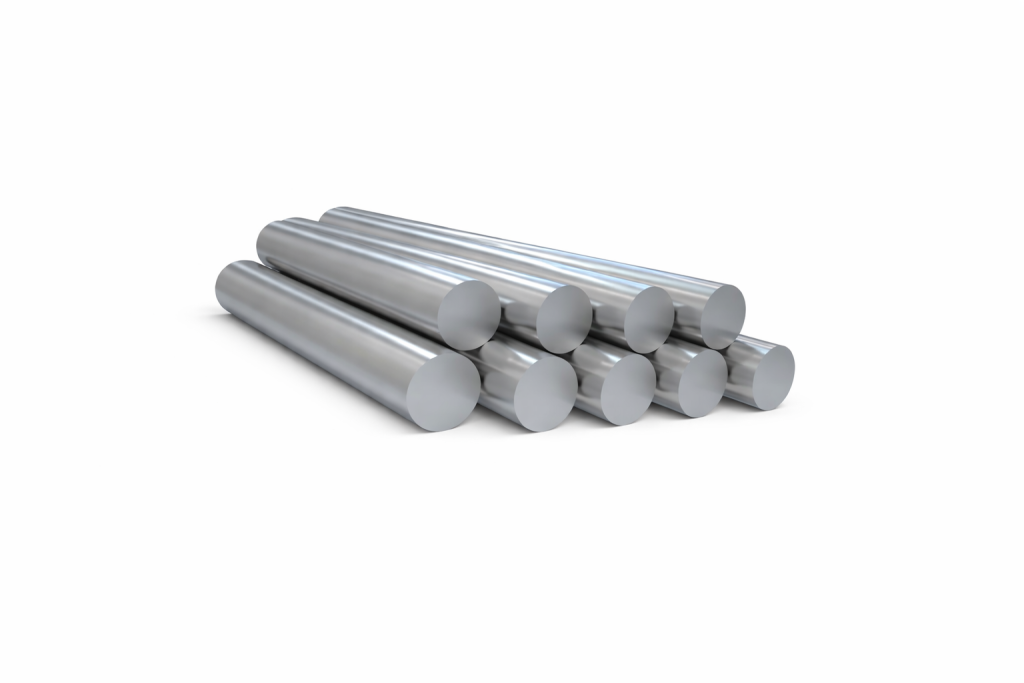
Aerospace-grade strength, biocompatible, seawater corrosion resistance, difficult to machine.
Price: $0
Lead Time: < 10 days
Tolerances: ±0.005″ (±0.125mm)
Max part size: 200 cm x 80 cm x 100 cm
Lightweight, high thermal conductivity, Excellent Machinability, Superior Dimensional Stability, Tight-Tolerance Capable, Perfect for Complex CNC Milling and Turning.
Price: $0
Lead Time: < 5 days
Tolerances: ±0.005″ (±0.125mm)
Max part size: 200 cm x 80 cm x 100 cm
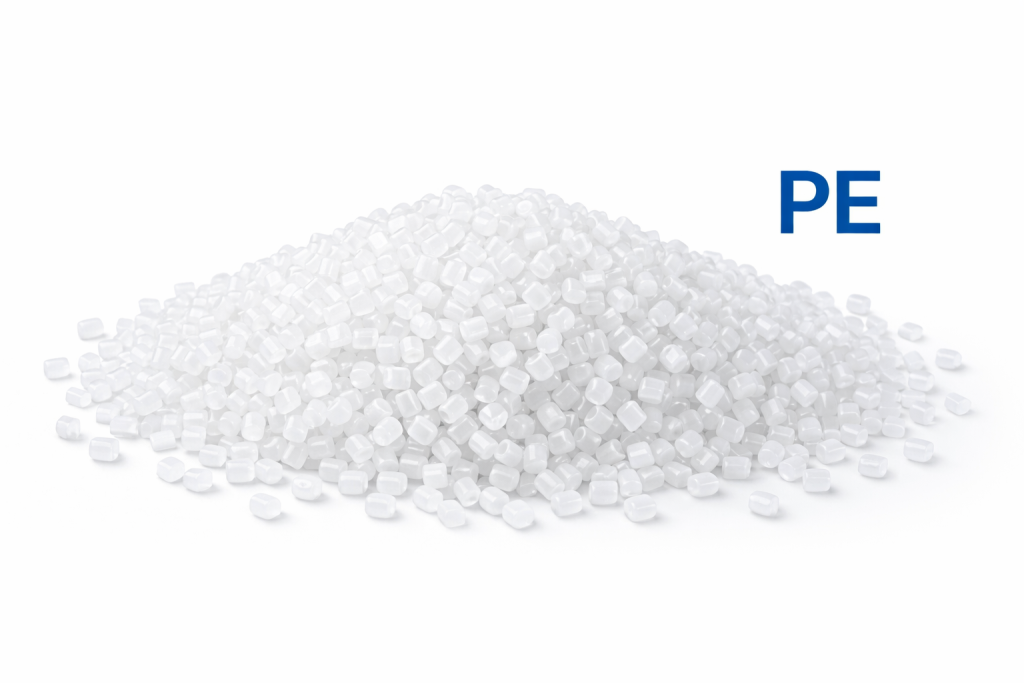
Low melt strength (LDPE: 160-240°C), high flow rate for thin-wall containers and chemical-resistant pipeline fittings.
Price: $0
Lead Time:
Tolerances:
Max part size:
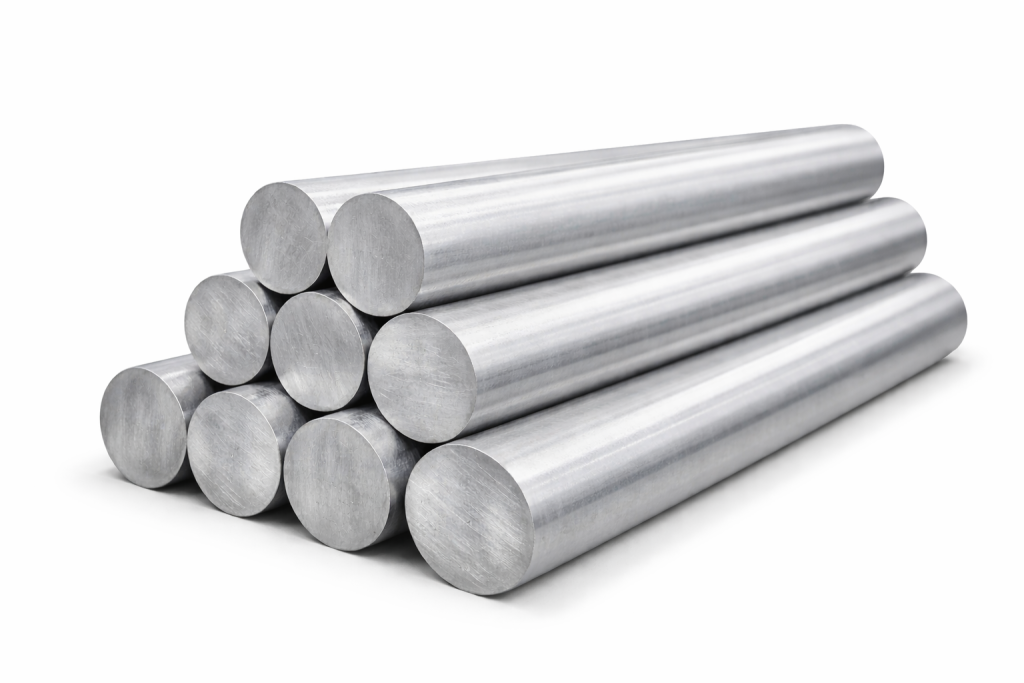
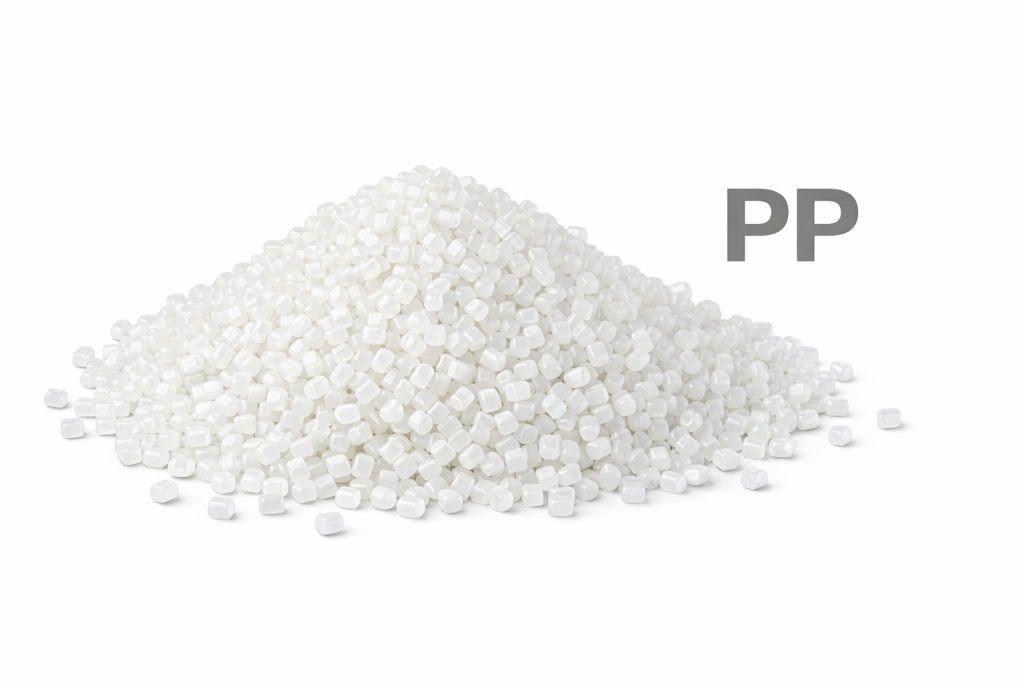
Low density (0.9g/cm³), living hinge capability, disposable syringes and automotive HVAC ducts.
Price: $0
Lead Time:
Tolerances:
Max part size:
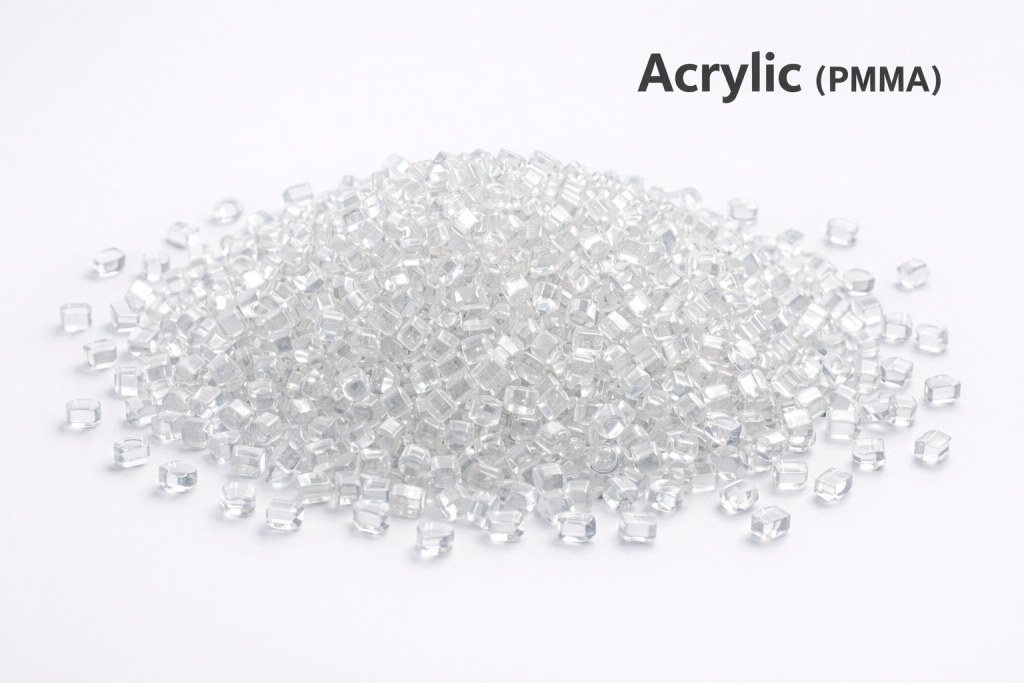
High mold temperature (60-80°C) reduces internal stress, low warpage, replaces glass in automotive taillights and cosmetic packaging.
Price: $0
Lead Time:
Tolerances:
Max part size:
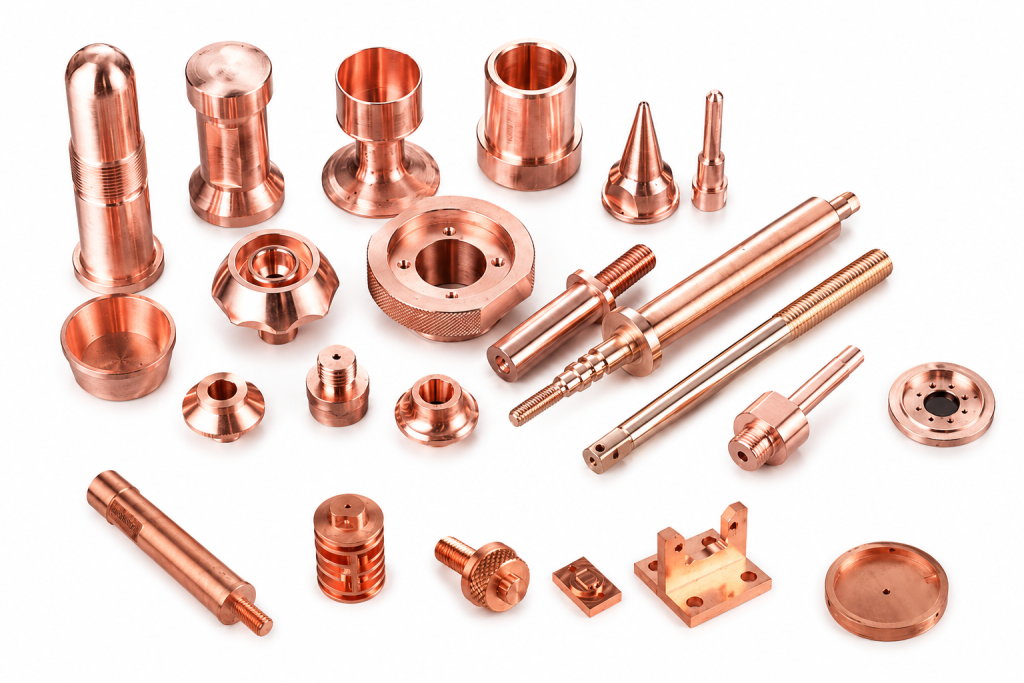
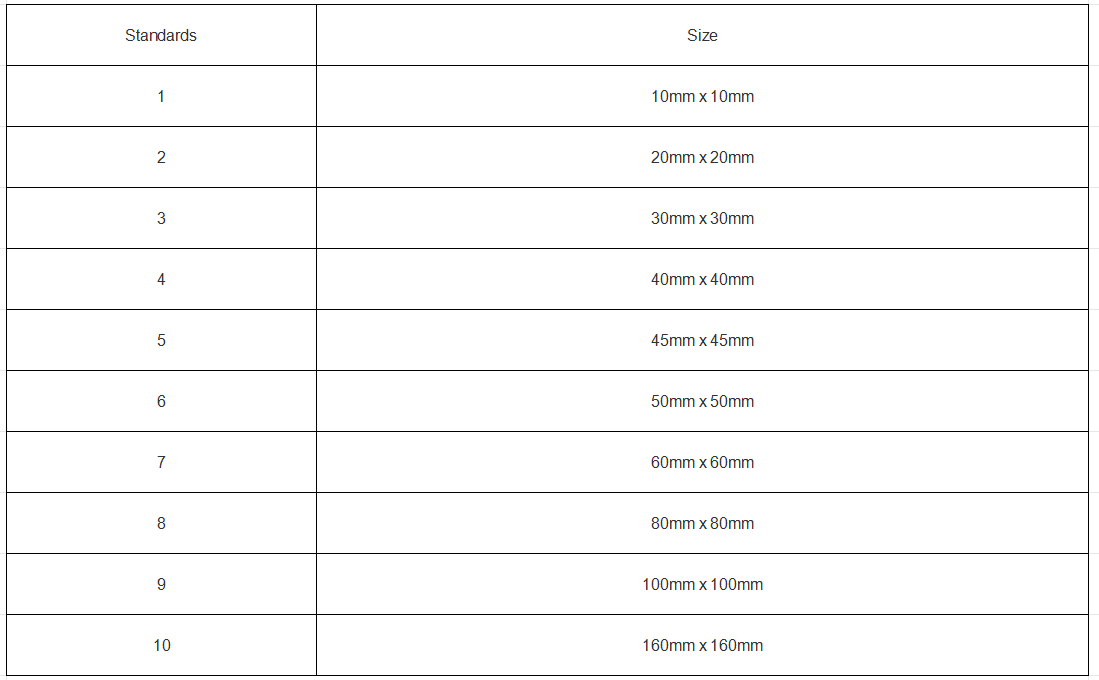
Extruded Aluminum Profiles Standard Dimensions
Surface Finishes by Material
Different materials require different finishing processes. Explore the most suitable surface finishes for aluminum, stainless steel, titanium, brass, copper, engineering plastics, and more to achieve the ideal balance of protection, appearance, and performance.
What is Aluminum Extrusion?How Does Aluminum Extrusion Work?
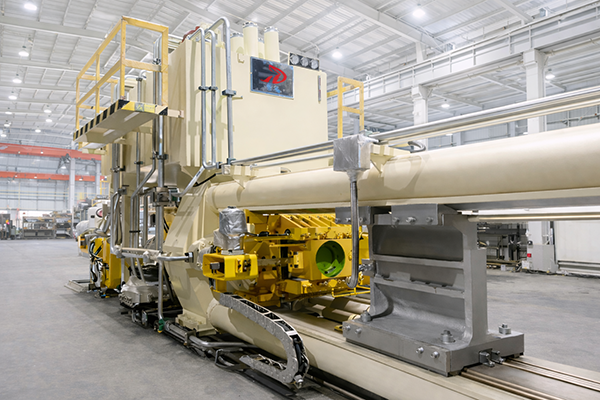
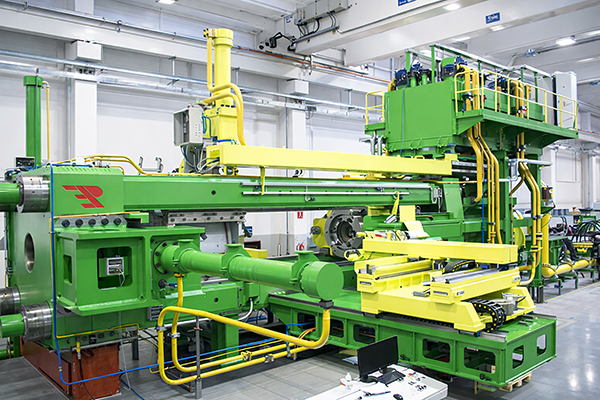
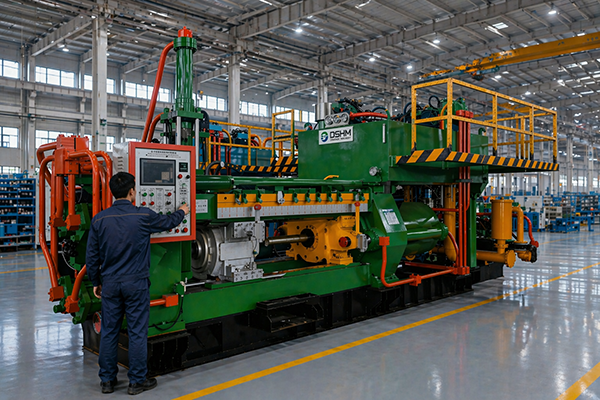
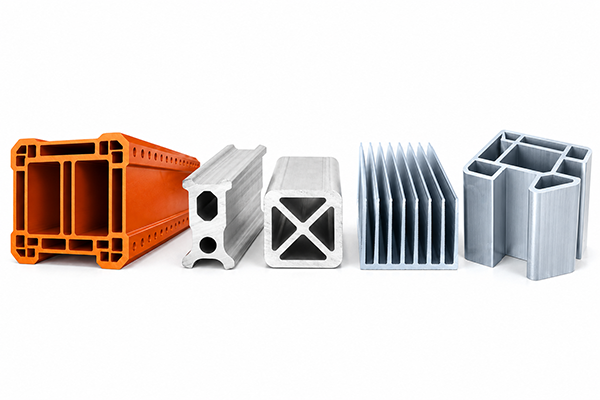
Aluminum Extrusion is a manufacturing process that shapes aluminum alloy into specific cross-sectional profiles by forcing heated material through a precision die. This method produces lightweight, strong, and corrosion-resistant components used in construction, automotive, aerospace, and consumer goods. Common examples include window frames, heat sinks, and structural beams.
- Billet Preparation:Aluminum alloy billets (cylindrical blocks) are heated to 400–500°C to make them malleable for extrusion. Lubricants are applied to reduce friction during the process.
- Die & Tooling Setup:A custom-designed steel die with the desired profile shape is mounted into the extrusion press.The press applies hydraulic or mechanical force to push the billet through the die opening.
- Extrusion Process:The softened aluminum flows through the die, taking its shape while maintaining consistent cross-sectional dimensions. Quenching (rapid cooling) with air or water preserves mechanical properties and minimizes distortion.
- Post-Processing:Extruded profiles are stretched to straighten and relieve internal stresses. Cutting, aging (heat treatment), and surface finishing (anodizing, powder coating) enhance strength and aesthetics.
Success Stories of Aluminum Extrusion Projects
FAQs
How thick can an aluminum extrusion be?
Standard aluminum extrusions range from 0.5mm (0.02″) precision thin-walls to 250mm (10″) thick profiles. Maximum achievable thickness depends
on alloy properties (6061 permits thicker sections than 6063), press capacity (up to 10,000 tons), and die design capabilities. Industrial applications
typically utilize 1-50mm thicknesses for optimal structural performance.
Is extruded aluminum stronger than steel?
While steel exhibits higher absolute strength, extruded aluminum offers superior strength-to-weight ratios (approximately 1/3 steel’s density). This,
combined with inherent corrosion resistance and thermal conductivity, makes aluminum extrusions preferable for weight-sensitive applications in
aerospace, automotive, and building systems. Material selection requires careful engineering analysis of structural requirements.
What is the most common aluminum extrusion?
The 6063 aluminum alloy dominates extrusion applications due to its exceptional extrudability, superior surface finish, and excellent anodizing response.
Its optimal mechanical properties make it ideal for architectural profiles and thin-walled components across construction and manufacturing sectors.