High-Accuracy Sheet Metal Bending Services
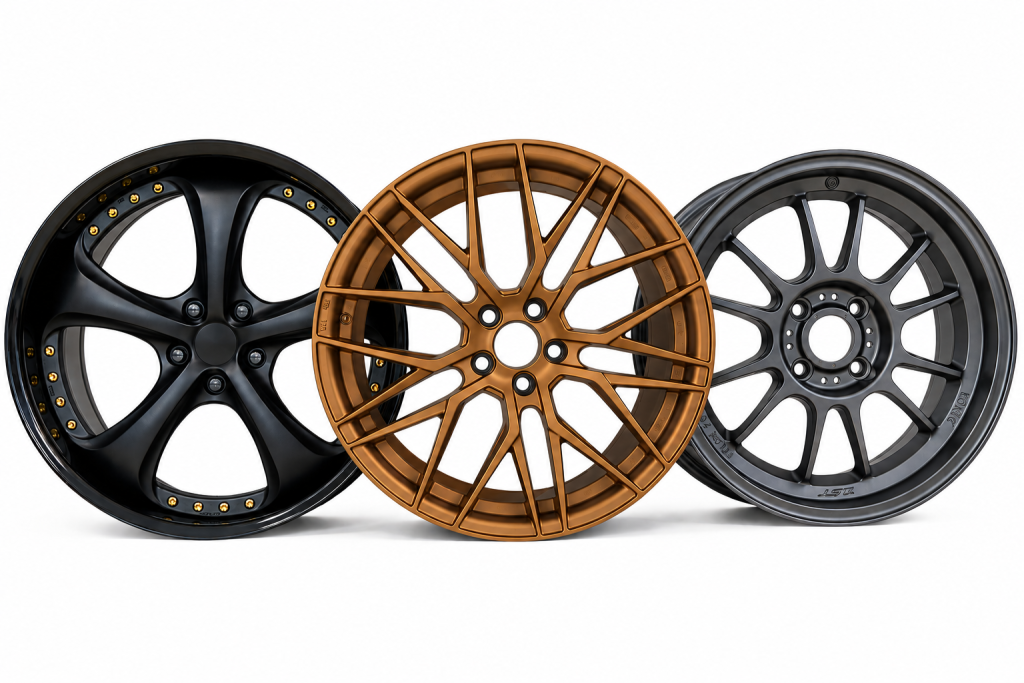
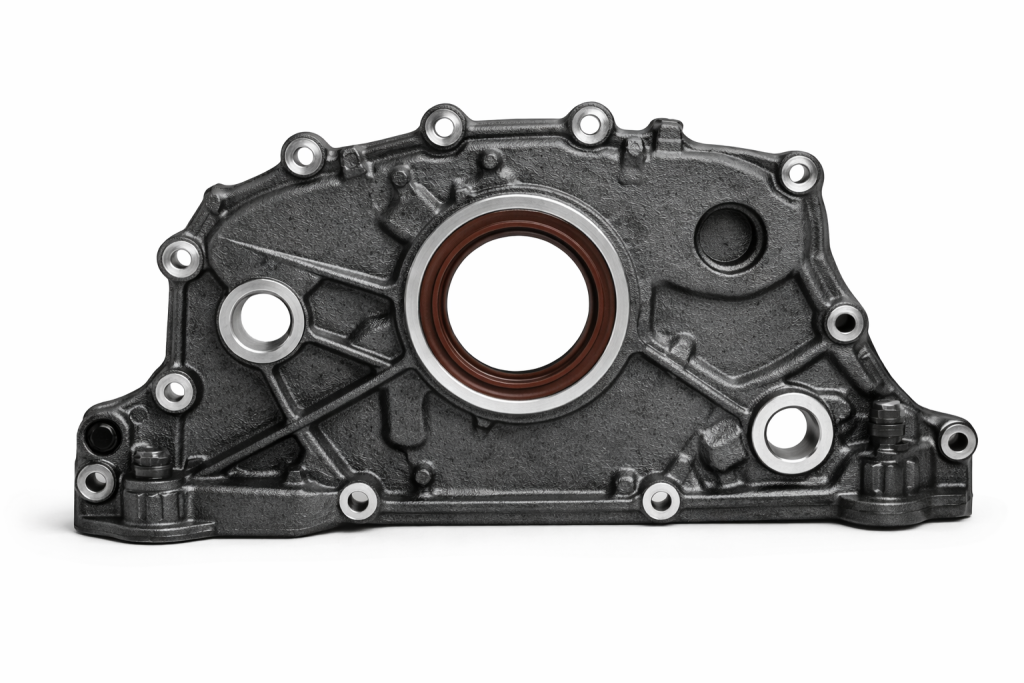
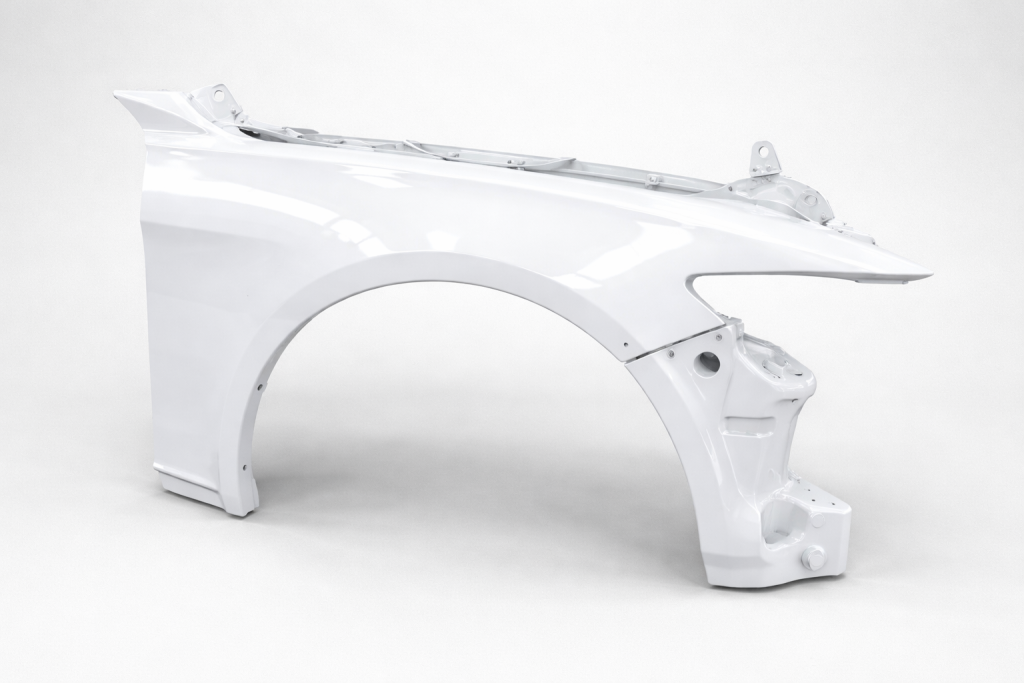
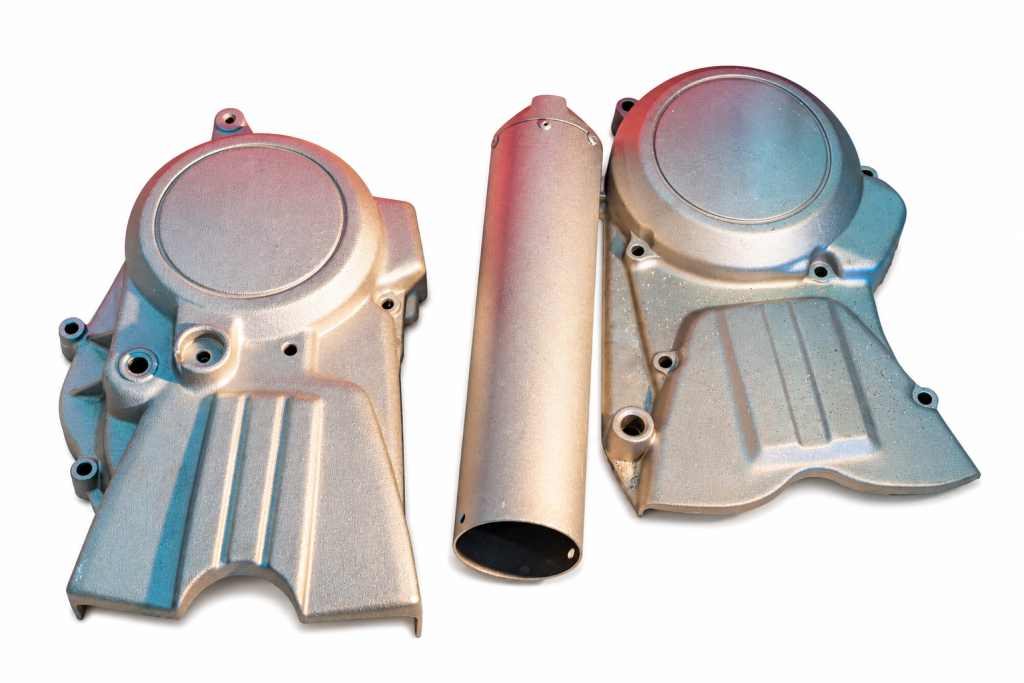
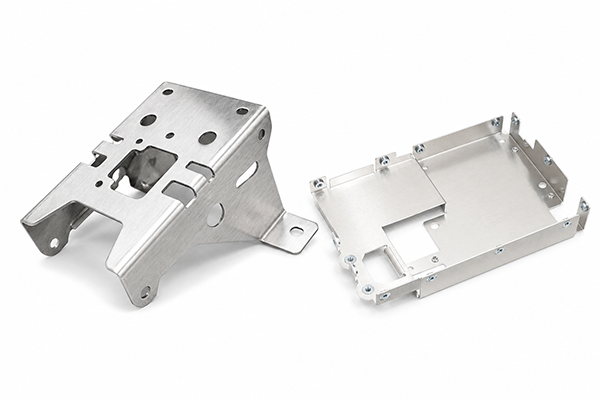
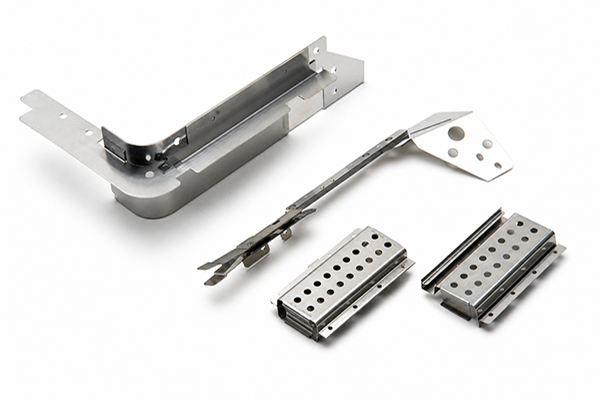
Metal Bending is critical for appliance, transportation, and industrial equipment manufacturers. Key products:
- Electrical cabinet components
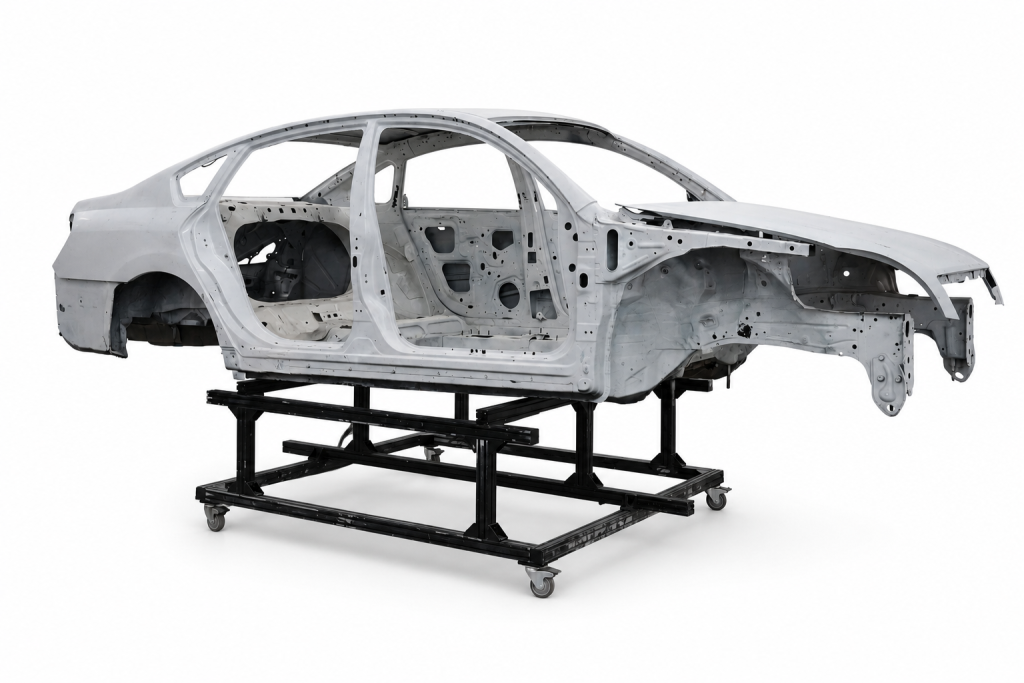
- Automotive body panels
- Conveyor system parts
- Furniture structural frames
- HVAC mounting brackets
- Agricultural machinery covers
Start A New Metal Bending Quote
STEP | STP I SLDPRT I IPT I PRT I SAT FLES
Advanced Manufacturing Capabilities
Integrating Engineering Expertise, Advanced Manufacturing Processes, and Flexible Production Capabilities to Support Product Development from Initial Prototypes to Scalable Production.
Precision Sheet Metal Bending
We provide high-accuracy (±0.10mm) sheet metal bending for prototypes to mass production, with ISO-certified quality control, repeatable precision, fast turnaround, and reliable performance across industrial applications.
Free (air) Metal Bending
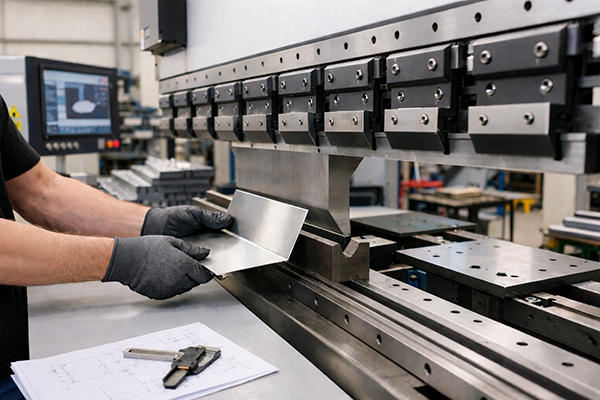
Commonly used for large-sized or small-batch production. Achieved with universal dies on CNC press brake machines for flexible sheet metal forming, delivering accurate bends, faster lead times, and cost-effective fabrication.
CNC Press Brake Bending
We deliver precision CNC press brake bending for complex sheet metal parts, ensuring consistent angles, tight tolerances (±0.10mm), and repeatable accuracy from prototype runs to high-volume production.
Sheet Metal Mass Production
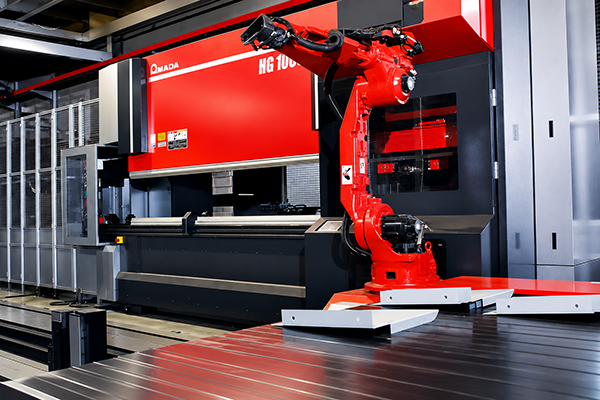
We deliver high-volume, cost-optimized sheet metal components with tight tolerances (±0.1mm) and guaranteed consistency, supported by end-to-end quality control, scalable production, rapid fulfillment, and dependable manufacturing.
Our Powerful Metal Bending Part
Functional Bending
- 10+ Years of CNC Machining Services
- Tight Tolerance of 0.005mm
- Instant Quote As fast as 2 Hours
- 2 working days deliver time at fastest
Appearance Bending
- 10+ Years of CNC Machining Services
- Tight Tolerance of 0.005mm
- Instant Quote As fast as 2 Hours
- 2 working days deliver time at fastest
Assembly-Ready Bending
- 10+ Years of CNC Machining Services
- Tight Tolerance of 0.005mm
- Instant Quote As fast as 2 Hours
- 2 working days deliver time at fastest
Metal Bending Materials
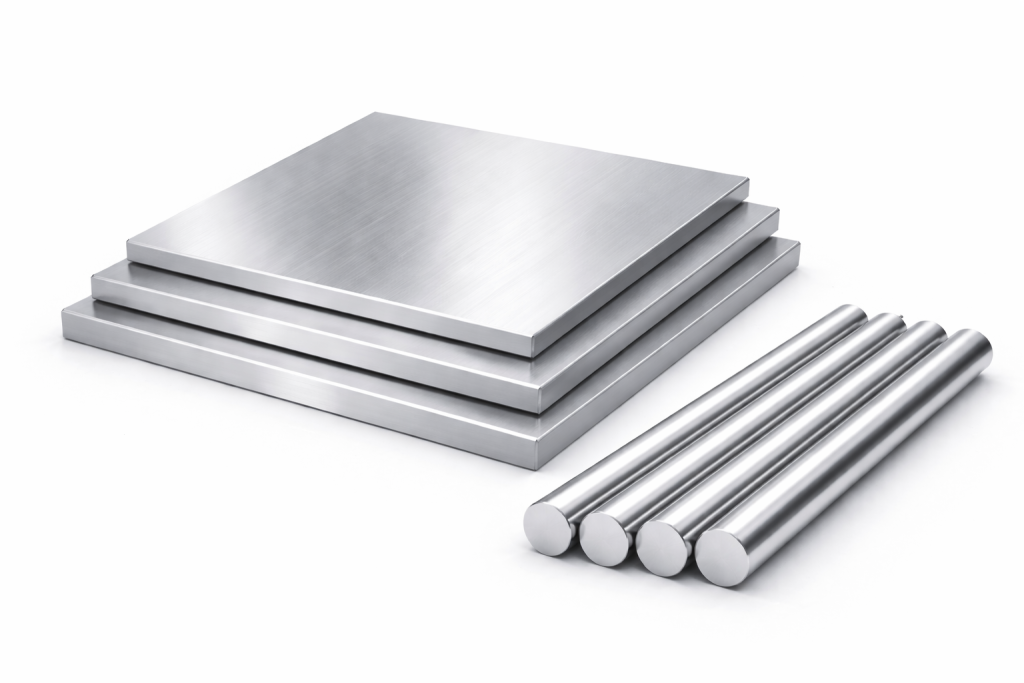
Forming 0.5-6mm thick metals (A36 mild steel, aluminum 6061-T6) with 0.3° angle accuracy using CNC press brakes. Specializing in complex bends with 1T radius in springback-controlled materials for automotive brackets and electrical cabinets.
Metals
Lightweight, high thermal conductivity, Excellent Machinability, Superior Dimensional Stability, Tight-Tolerance Capable, Perfect for Complex CNC Milling and Turning.
Price: $0
Lead Time: < 5 days
Tolerances: ±0.005″ (±0.125mm)
Max part size: 200 cm x 80 cm x 100 cm
Extremely lightweight (67% aluminum density), good vibration damping, requires surface treatment.
Price: $0
Lead Time: < 10 days
Tolerances: ±0.005″ (±0.125mm)
Max part size: 200 cm x 80 cm x 100 cm
Excellent malleability, corrosion-resistant, decorative finishes, suitable for intricate stamped panels.
Price: $0
Lead Time:
Tolerances:
Max part size:
High electrical conductivity, soft yet work-hardening, requires annealing during multi-stage forming.
Price: $0
Lead Time:
Tolerances:
Max part size:

Cost-effective formability, high strength-to-weight ratio, requires anti-rust coating for exposed edges.
Price: $0
Lead Time:
Tolerances:
Max part size:
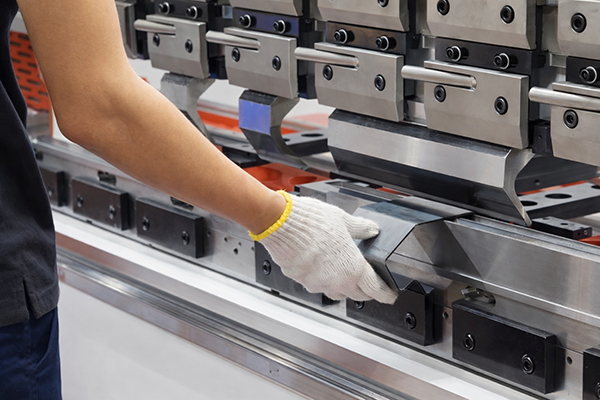
Corrosion-resistant, retains strength after welding, maintains integrity in harsh environments.
Price: $0
Lead Time:
Tolerances:
Max part size:
Aerospace-grade strength, biocompatible, seawater corrosion resistance, difficult to machine.
Price: $0
Lead Time: < 10 days
Tolerances: ±0.005″ (±0.125mm)
Max part size: 200 cm x 80 cm x 100 cm
Lightweight, high thermal conductivity, Excellent Machinability, Superior Dimensional Stability, Tight-Tolerance Capable, Perfect for Complex CNC Milling and Turning.
Price: $0
Lead Time: < 5 days
Tolerances: ±0.005″ (±0.125mm)
Max part size: 200 cm x 80 cm x 100 cm
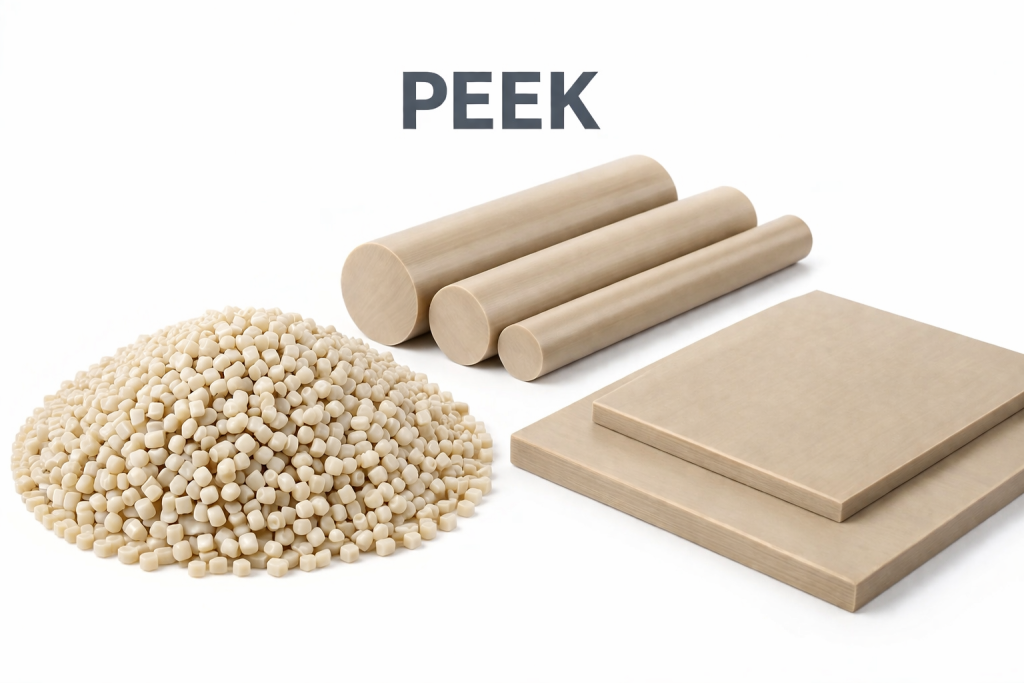
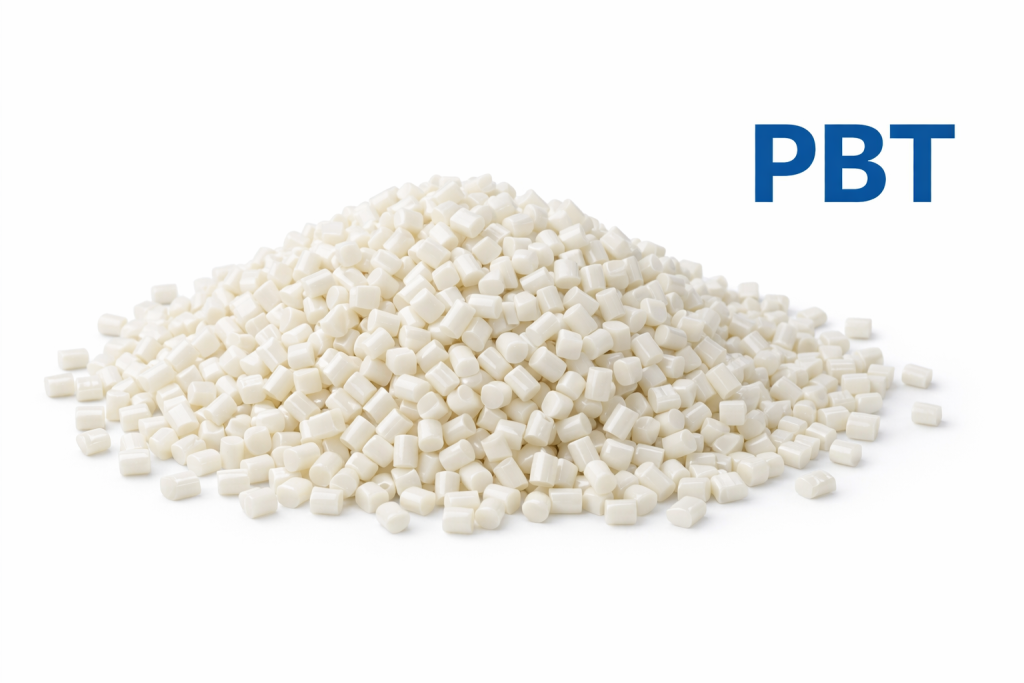
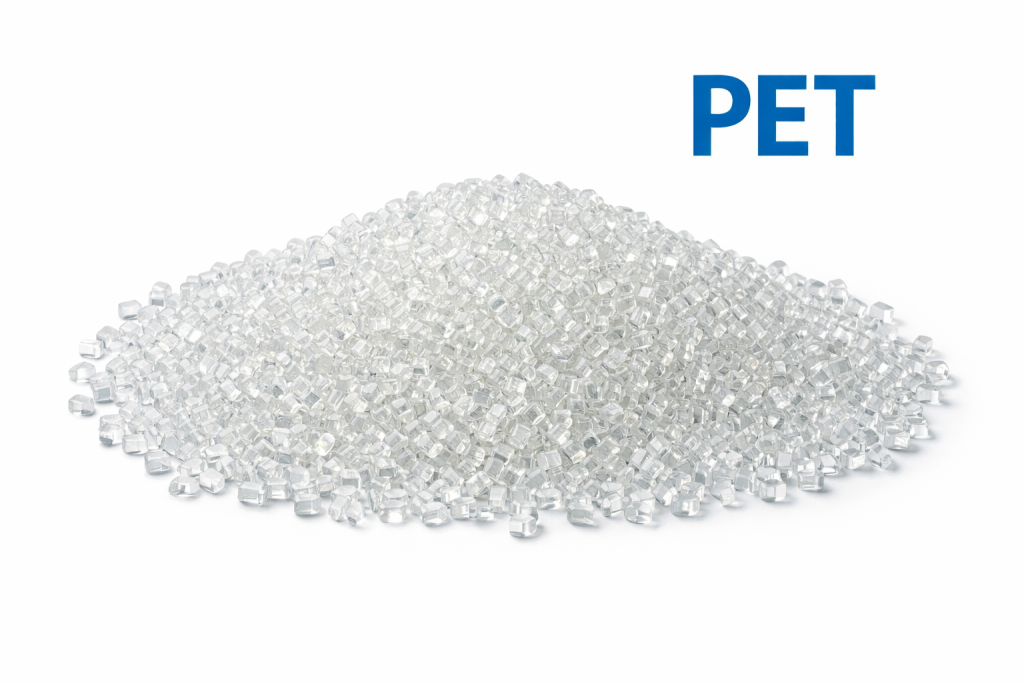
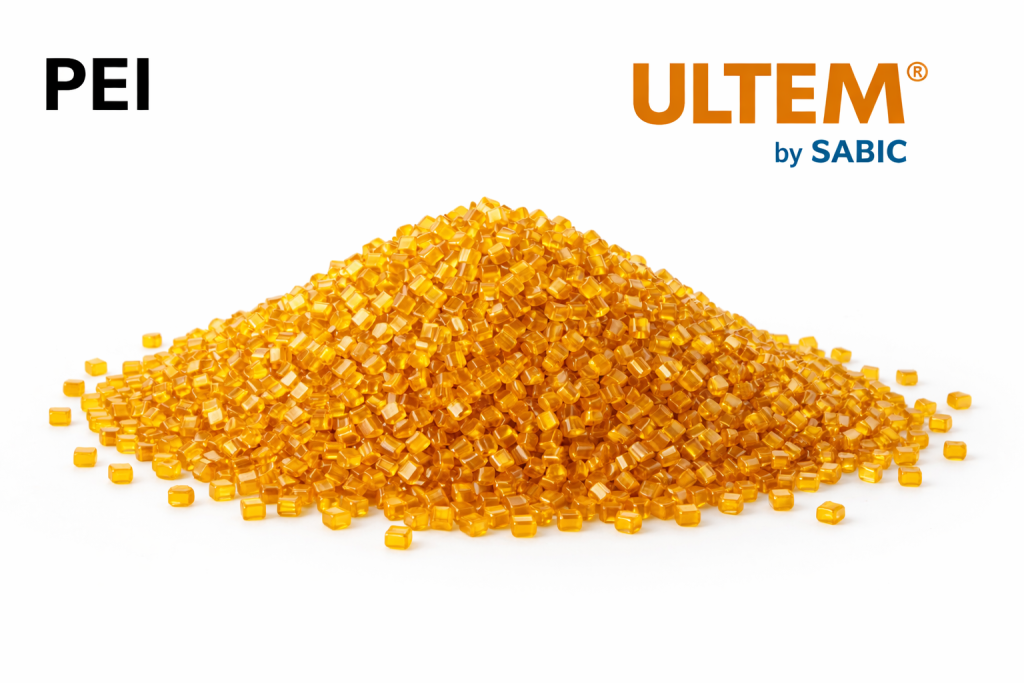
Plastics
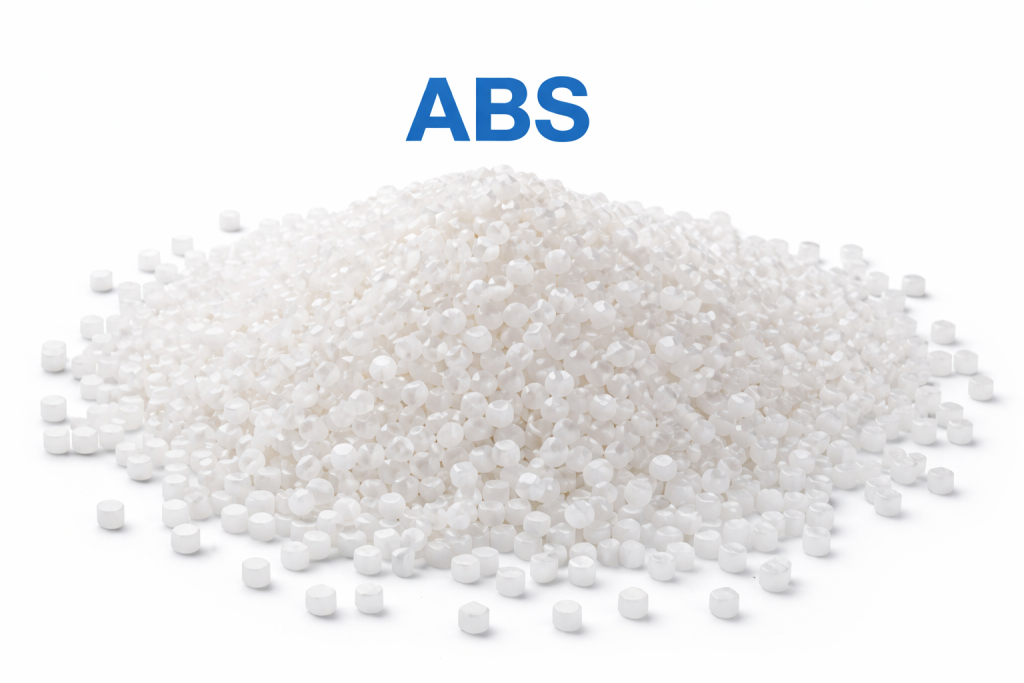
Fast-flowing melt, low shrinkage (0.4-0.7%), requires pre-drying (80°C/4h), ideal for automotive dashboards and consumer electronics housings.
Price: $0
Lead Time:
Tolerances:
Max part size:
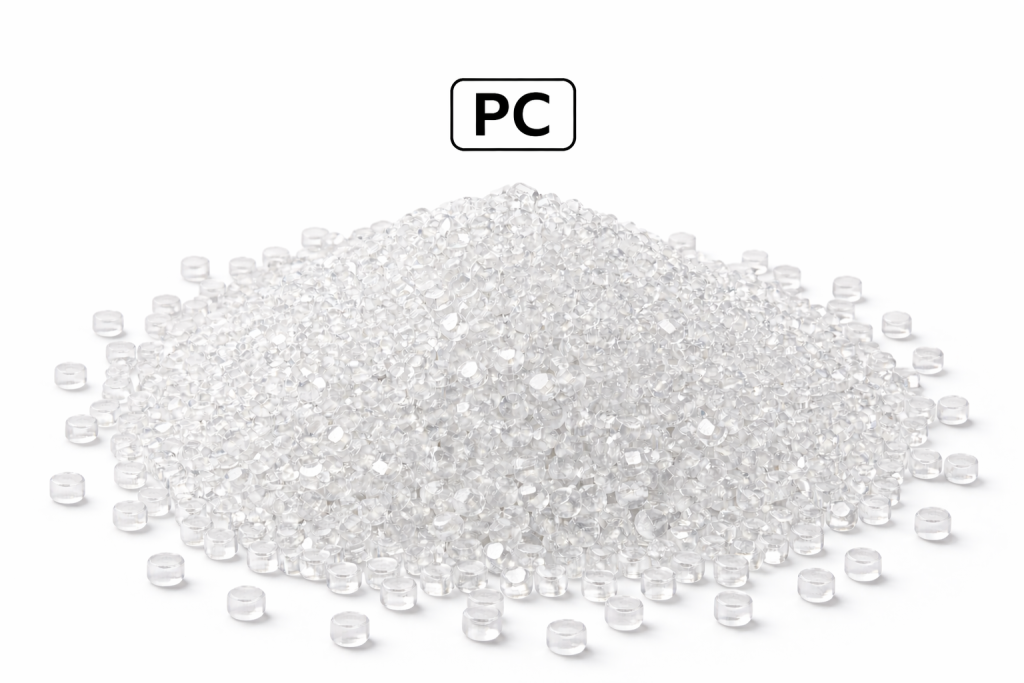
High melt viscosity (300-350°C processing), moisture-sensitive (0.02% max), optical-grade clarity for LED lenses and medical device components.
Price: $0
Lead Time:
Tolerances:
Max part size:
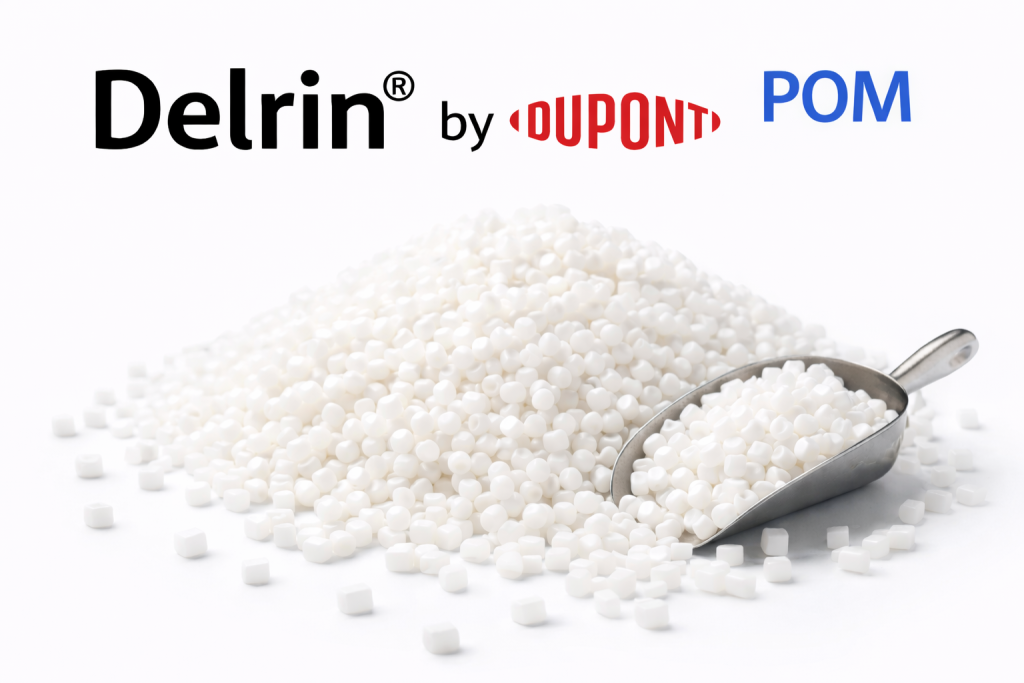
Crystallization-sensitive cooling (80-120°C mold), high dimensional stability, precision gears and fuel system valves.
Price: $0
Lead Time:
Tolerances:
Max part size:
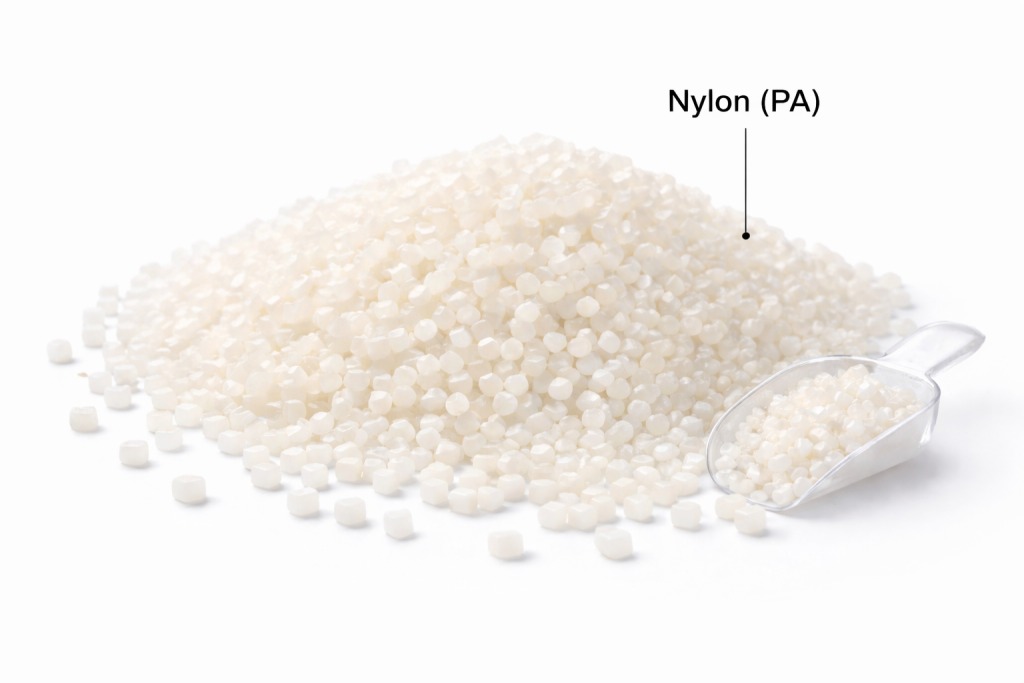
Moisture absorption (2.5-3.5%) requires post-molding annealing, self-lubricating bushings and automotive cable ties.
Price: $0
Lead Time:
Tolerances:
Max part size:
Extreme processing temps (380-400°C), low shrinkage (0.1-0.3%), aerospace bushings and surgical sterilization trays.
Price: $0
Lead Time:
Tolerances:
Max part size:
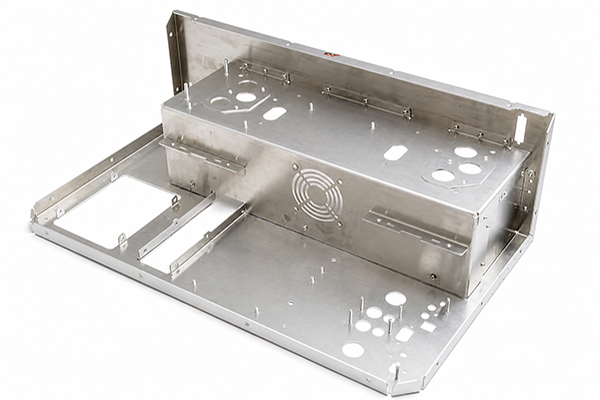
Heat distortion resistance (150°C), electrical insulation, glass-fiber reinforced automotive connectors.
Price: $0
Lead Time:
Tolerances:
Max part size:
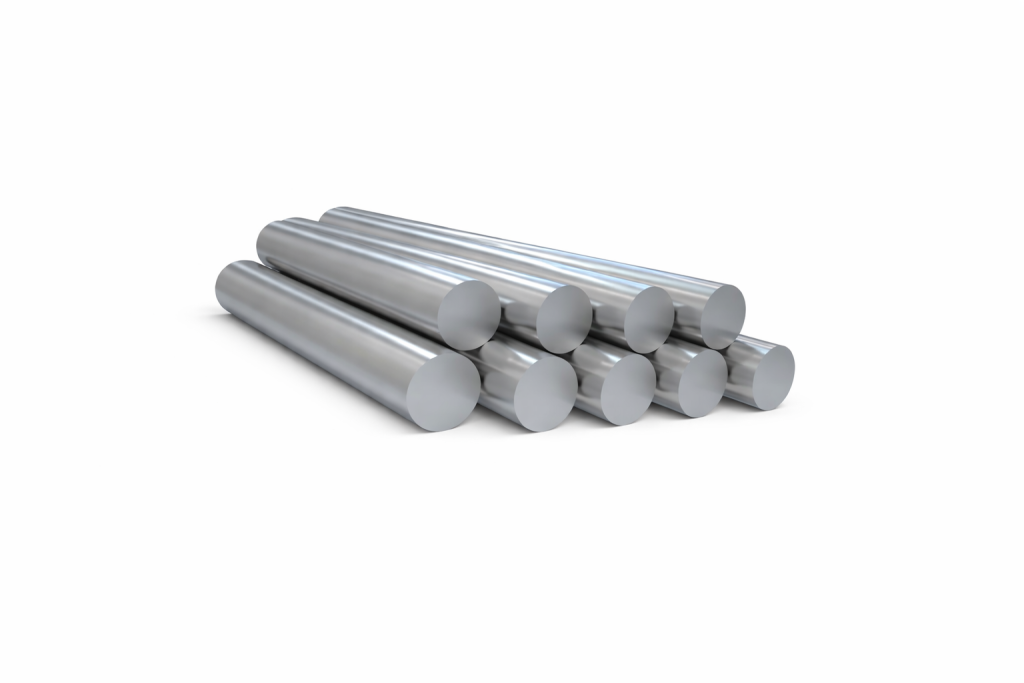
Aerospace-grade strength, biocompatible, seawater corrosion resistance, difficult to machine.
Price: $0
Lead Time: < 10 days
Tolerances: ±0.005″ (±0.125mm)
Max part size: 200 cm x 80 cm x 100 cm
Lightweight, high thermal conductivity, Excellent Machinability, Superior Dimensional Stability, Tight-Tolerance Capable, Perfect for Complex CNC Milling and Turning.
Price: $0
Lead Time: < 5 days
Tolerances: ±0.005″ (±0.125mm)
Max part size: 200 cm x 80 cm x 100 cm
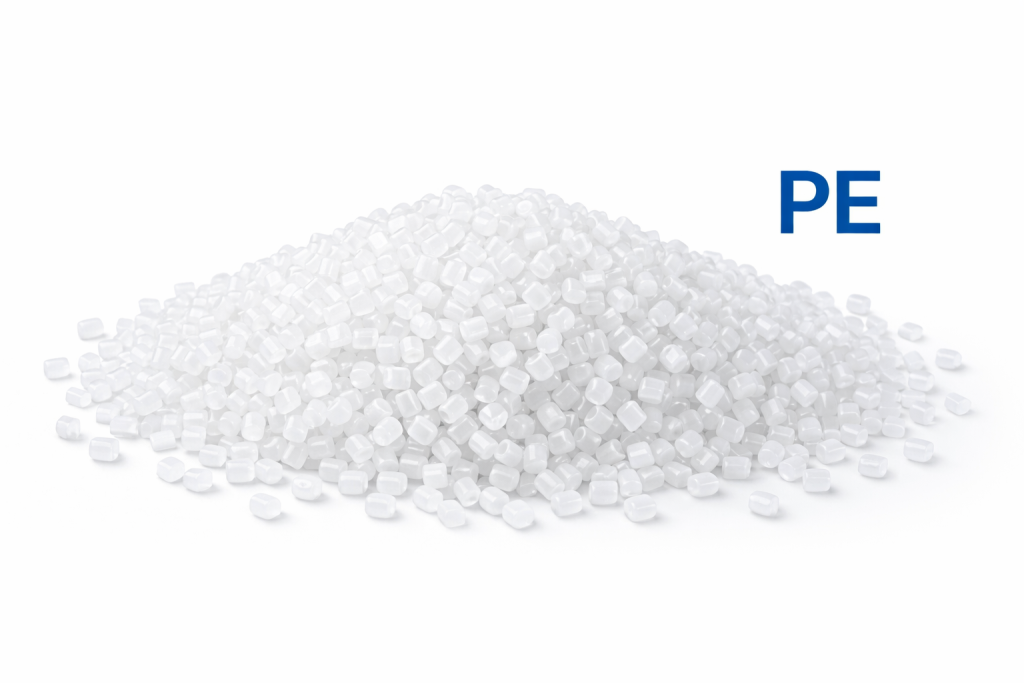
Low melt strength (LDPE: 160-240°C), high flow rate for thin-wall containers and chemical-resistant pipeline fittings.
Price: $0
Lead Time:
Tolerances:
Max part size:
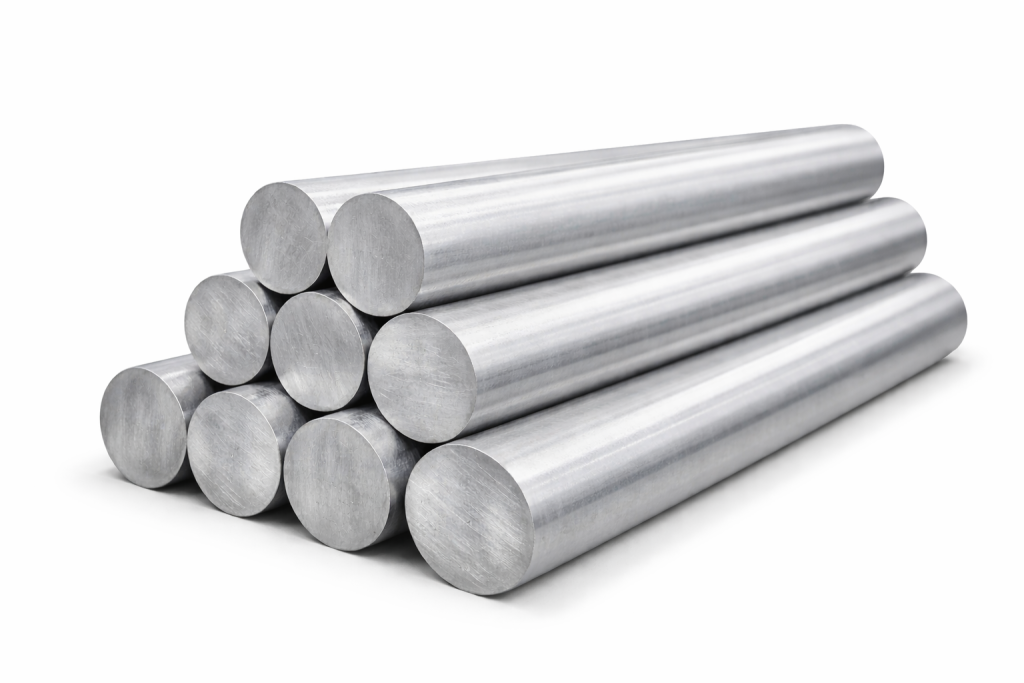
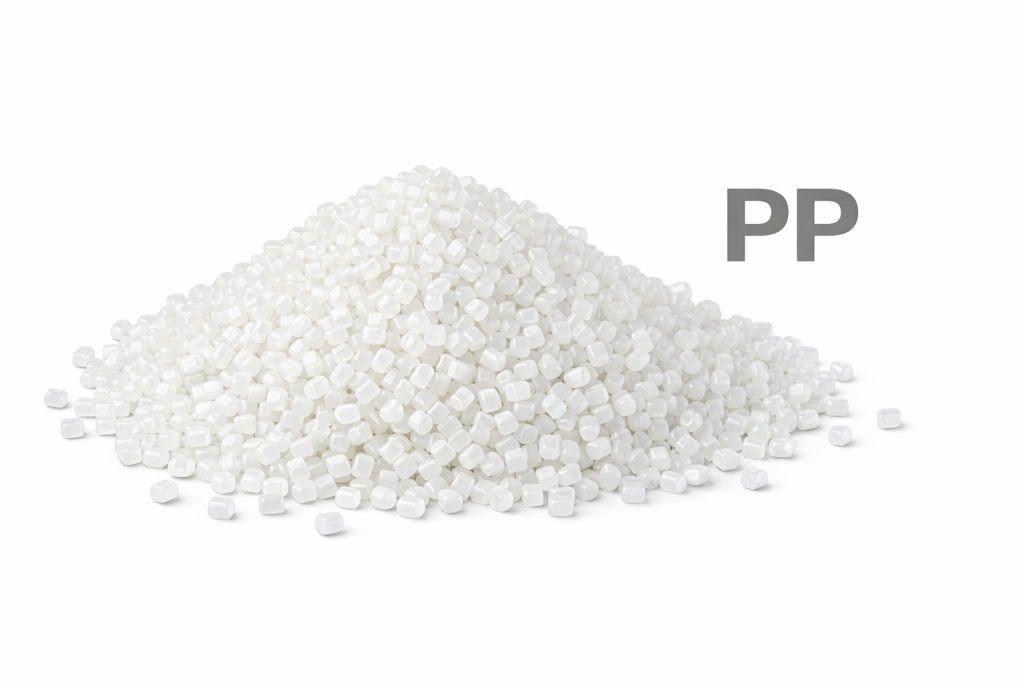
Low density (0.9g/cm³), living hinge capability, disposable syringes and automotive HVAC ducts.
Price: $0
Lead Time:
Tolerances:
Max part size:
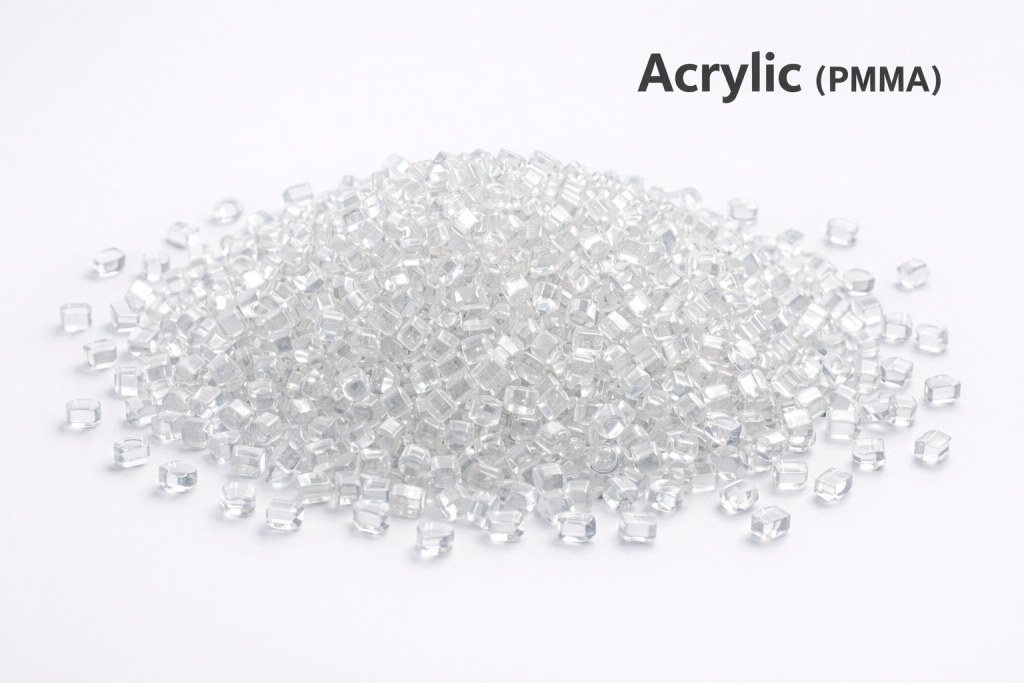
High mold temperature (60-80°C) reduces internal stress, low warpage, replaces glass in automotive taillights and cosmetic packaging.
Price: $0
Lead Time:
Tolerances:
Max part size:
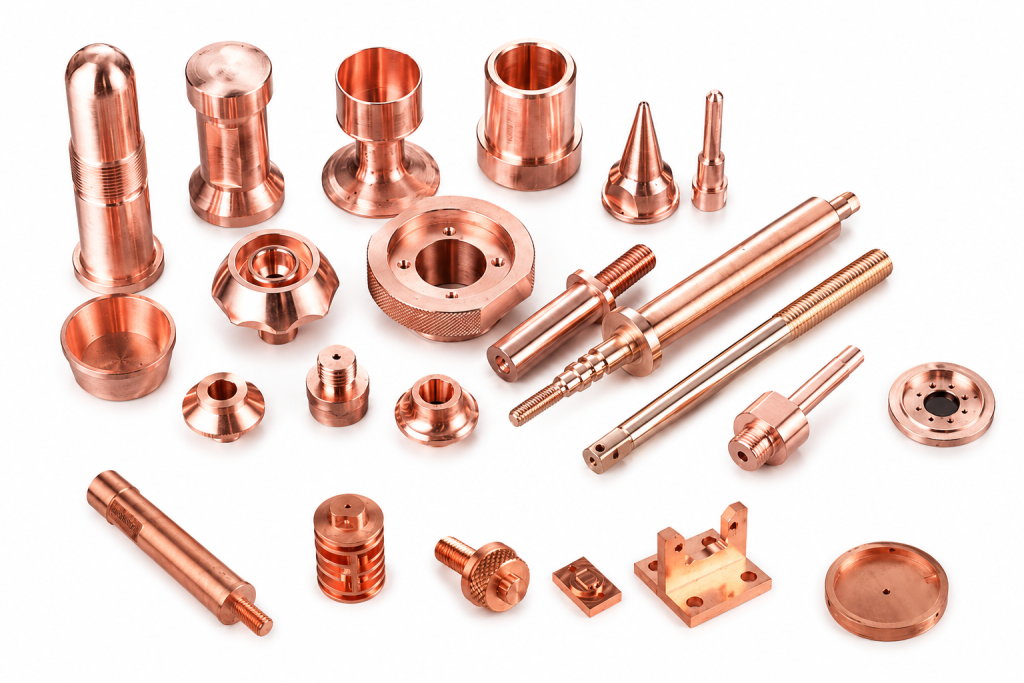
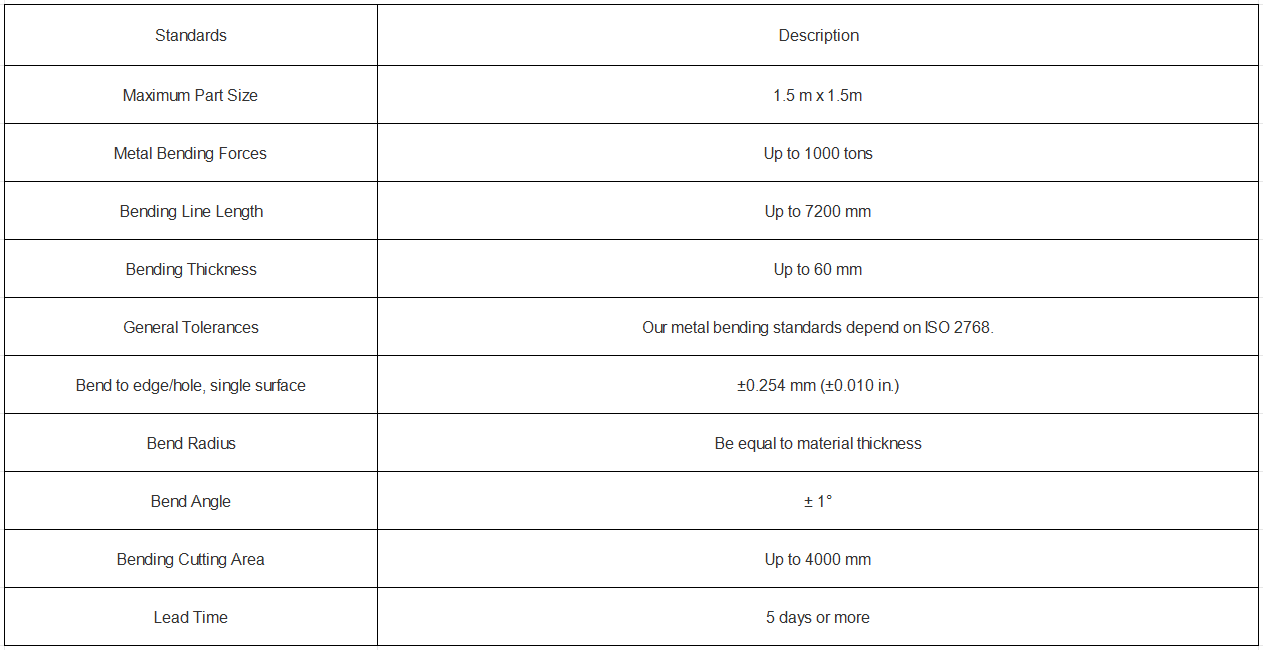
Sheet Metal Bending Tolerances and Standards
Surface Finishes by Material
Different materials require different finishing processes. Explore the most suitable surface finishes for aluminum, stainless steel, titanium, brass, copper, engineering plastics, and more to achieve the ideal balance of protection, appearance, and performance.
What is Bending?How Does Bending Work?
Bending is a fundamental metalworking process that reshapes sheet metal, tubes, or bars into angled or curved forms by applying force. It is widely used to create V-shapes, U-channels, flanges, and complex geometries for applications like brackets, enclosures, frames, and structural components. Common materials include aluminum, stainless steel, carbon steel, and copper, with thicknesses ranging from thin foils (0.5 mm) to heavy plates (12 mm+).
- Design & Tooling Setup:CAD models specify bend angles, radii, and tolerances.Custom tooling (dies and punches) is selected based on material type and thickness.
- Material Clamping:The workpiece is securely clamped onto a press brake or bending machine to prevent slippage.
- Bending Process:Press Brake Bending: A punch presses the material into a die, forming precise angles (e.g., 90° bends).
- Roll Bending: Material passes through rollers to create curves or cylindrical shapes (e.g., pipes, rings).
- Rotary Bending: A rotating die forms complex contours with minimal surface distortion.
- Springback Compensation:Materials naturally "spring back" slightly after bending. Tools are adjusted to account for this rebound and achieve target angles.
Success Stories of Metal Bending Projects
FAQs
Does aluminum bend more easily than steel?
Aluminum alloys demonstrate superior formability versus steel counterparts, with approximately 50% greater elongation capacity. However, performance
varies significantly by alloy composition (e.g., 3003 vs 6061 aluminum) and steel grade (mild vs HSLA), with additional considerations for material temper,
section geometry, and bending methodology.
What metal cannot be bent?
High-strength refractory metals including tungsten and certain titanium alloys exhibit limited ductility, rendering them unsuitable for conventional
bending operations due to their extreme hardness and fracture susceptibility.
How thick of sheet metal can you bend?
Standard cold forming accommodates steel sheets from 0.5-0.8 inches (12-20mm) with minimum bend radii of 2.5x material thickness for transverse
bends and 3.75x for longitudinal bends. Thicker materials (0.8-2 inches/20-50mm) require thermal forming processes.