Reliable Sheet Metal Welding Services
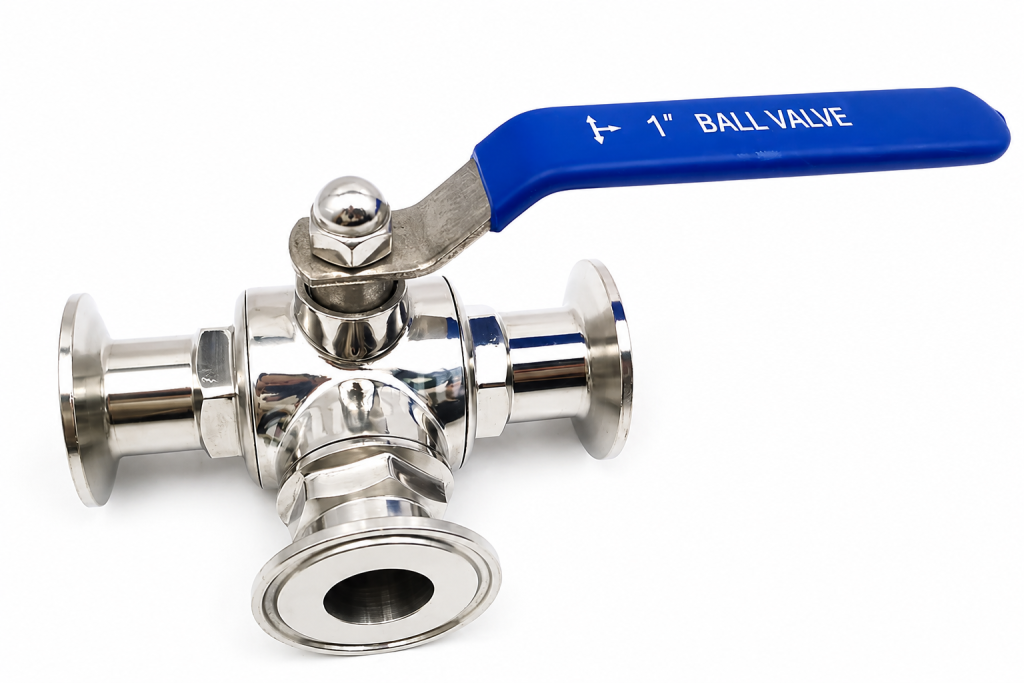
Metal Welding is fundamental for energy, shipbuilding, and construction sectors. Common assemblies:
- Pressure containment vessels
- Pipeline systems
- Structural support beams
- Marine vessel hulls
- Industrial storage tanks
- Power plant components
Start A New Metal Welding Quote
STEP | STP I SLDPRT I IPT I PRT I SAT FLES
Advanced Manufacturing Capabilities
Integrating Engineering Expertise, Advanced Manufacturing Processes, and Flexible Production Capabilities to Support Product Development from Initial Prototypes to Scalable Production.
Gas Metal Arc Welding
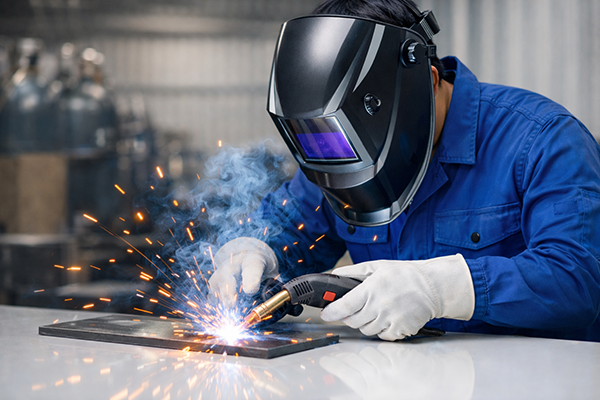
GMAW (MIG) uses a continuous wire electrode and shielding gas (argon/CO₂) for versatile, user-friendly welding of steel, aluminum, and stainless steel. It’s ideal for high-speed applications with minimal cleanup.
Gas Tungsten Arc Welding
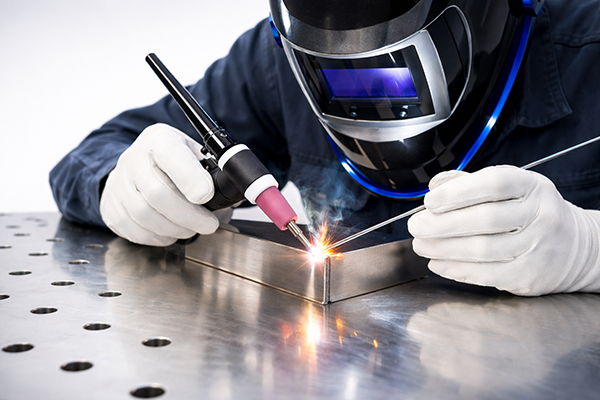
TIG welding employs a non-consumable tungsten electrode and inert gas (e.g., argon) for precise, high-quality welds on metals like aluminum and titanium. Preferred for aesthetic finishes and critical applications.
Shielded Metal Arc Welding
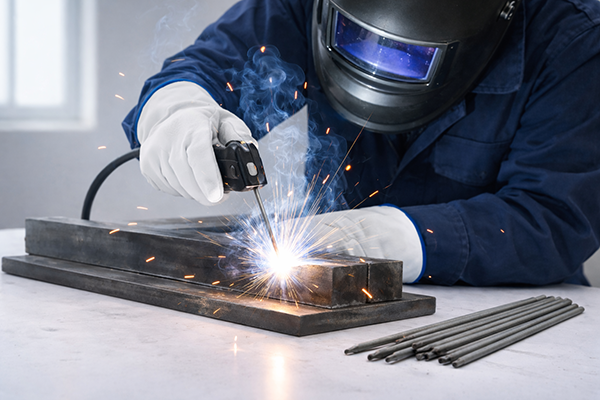
SMAW (“stick welding”) uses flux-coated electrodes to create welds, eliminating the need for external gas shielding. It’s adaptable for steel, stainless steel, and cast iron, even in rough conditions.
Flux-Cored Arc Welding
FCAW utilizes flux-filled wire for self-shielding, enabling deep penetration and high deposition rates. Commonly used in construction and shipbuilding for thick materials or outdoor work, delivering consistent weld quality.
Our Advanced Metal Welding Parts
Certified to AWS D1.1/ASME IX standards, we provide TIG, MIG, spot, and laser welding for structural and hermetic assemblies. Our robotic welding cells achieve 0.2mm repeatability on stainless steel, aluminum, and exotic alloys, complemented by X-ray/UT testing for critical joints in pressure vessels and load-bearing frames.
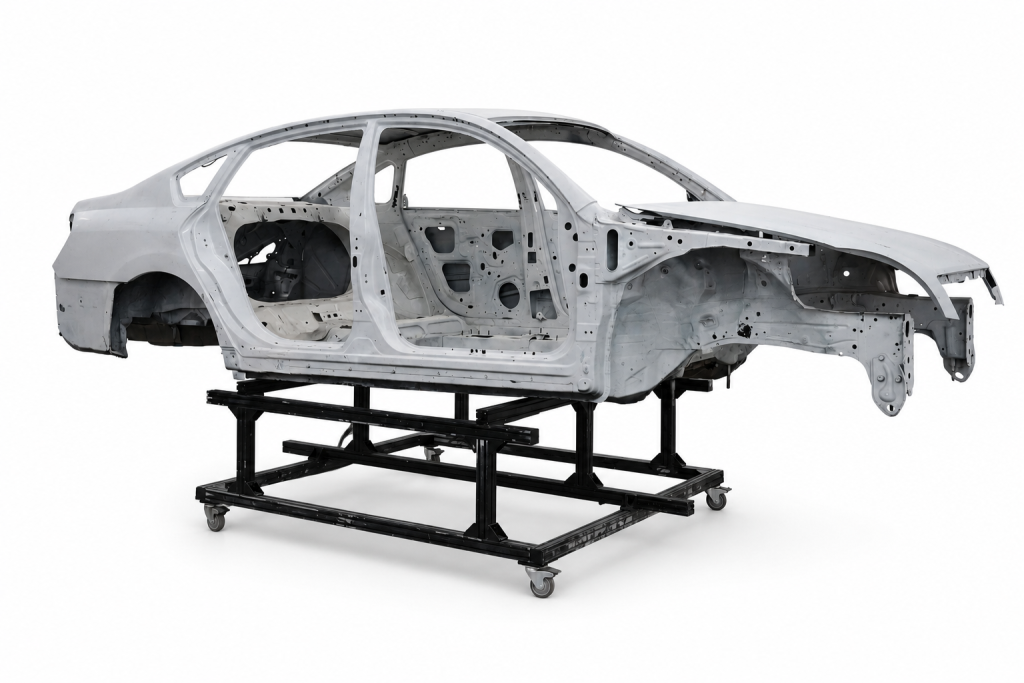
Structural Welding
- 10+ Years of Metal Welding Services
- Tolerances as tight as ±0.0012 in.(0.03mm)
- Part size: ≤3000MM*1500MM
- Lead times as fast as 3 working days
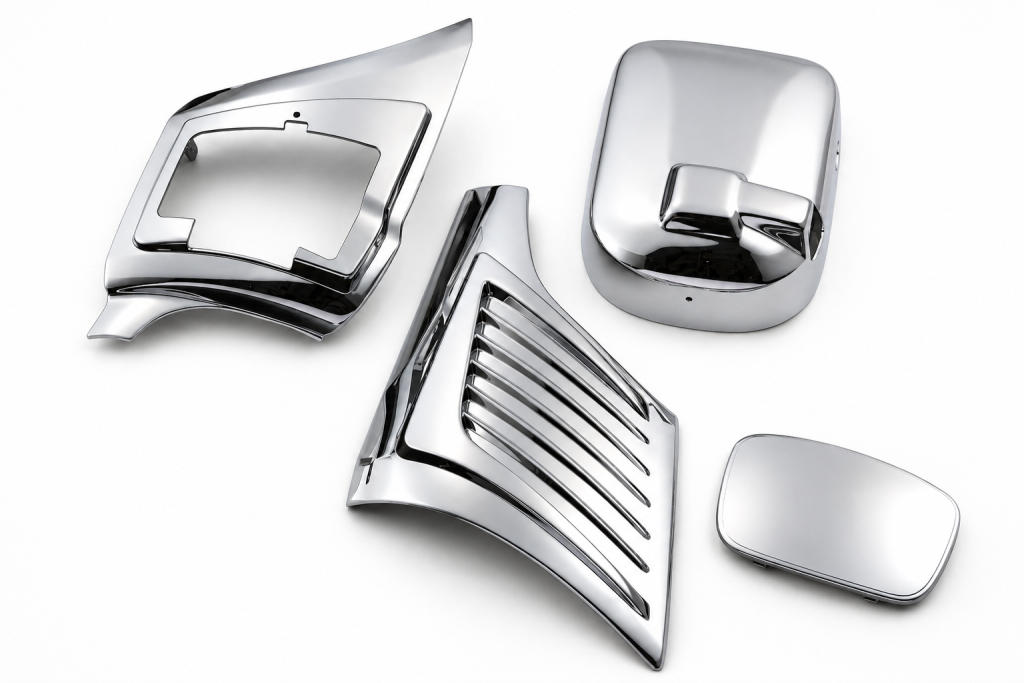
Enclosure & Appearance Welding
- 10+ Years of Metal Welding Services
- Tolerances as tight as ±0.0012 in.(0.03mm)
- Part size: ≤3000MM*1500MM
- Lead times as fast as 3 working days
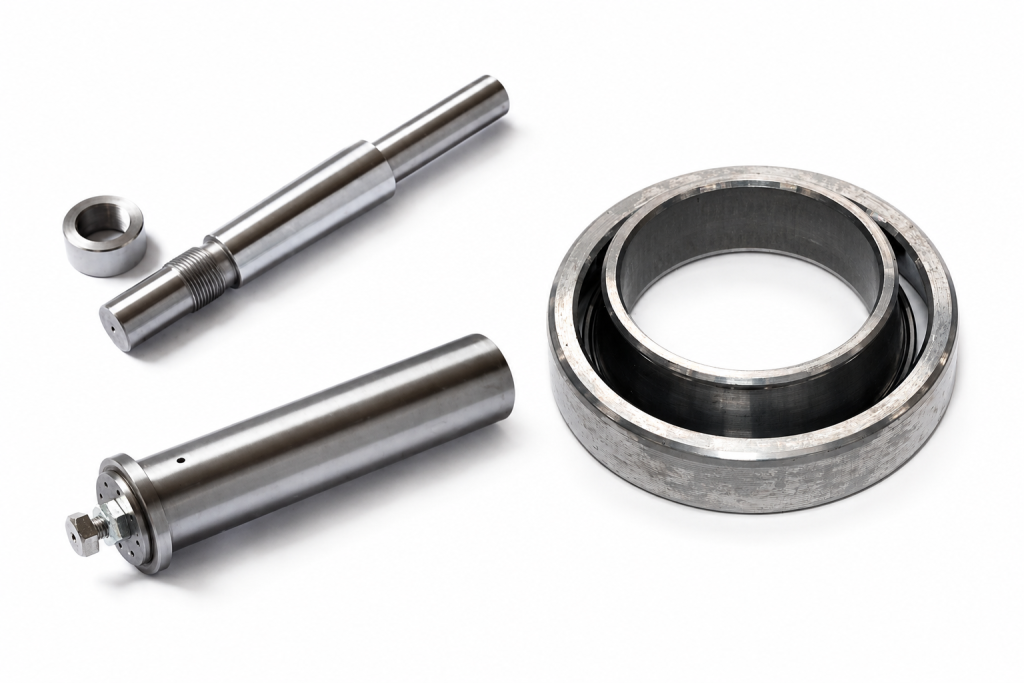
Precision & Custom Welding
- 10+ Years of Metal Welding Services
- Tolerances as tight as ±0.0012 in.(0.03mm)
- Part size: ≤3000MM*1500MM
- Lead times as fast as 3 working days
Metal Welding Materials
Joining dissimilar metals (stainless to carbon steel) via TIG/MIG/spot welding with X-ray certified seams. Expert in aluminum 6063 welding (50-200A parameters) and brazing copper alloys for heat exchangers and pressure vessels.
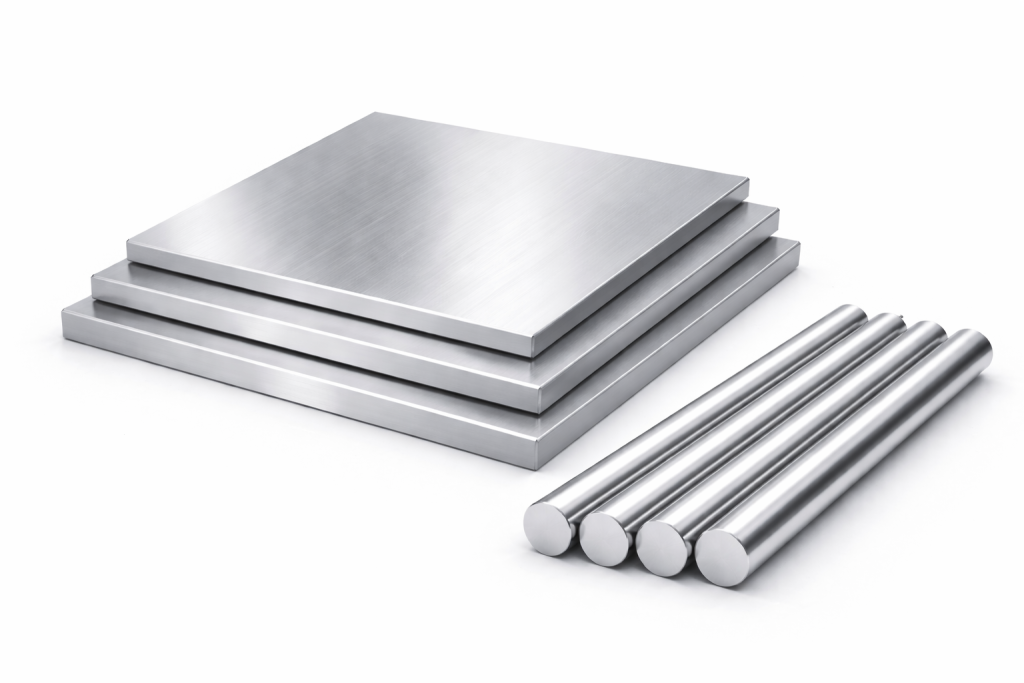
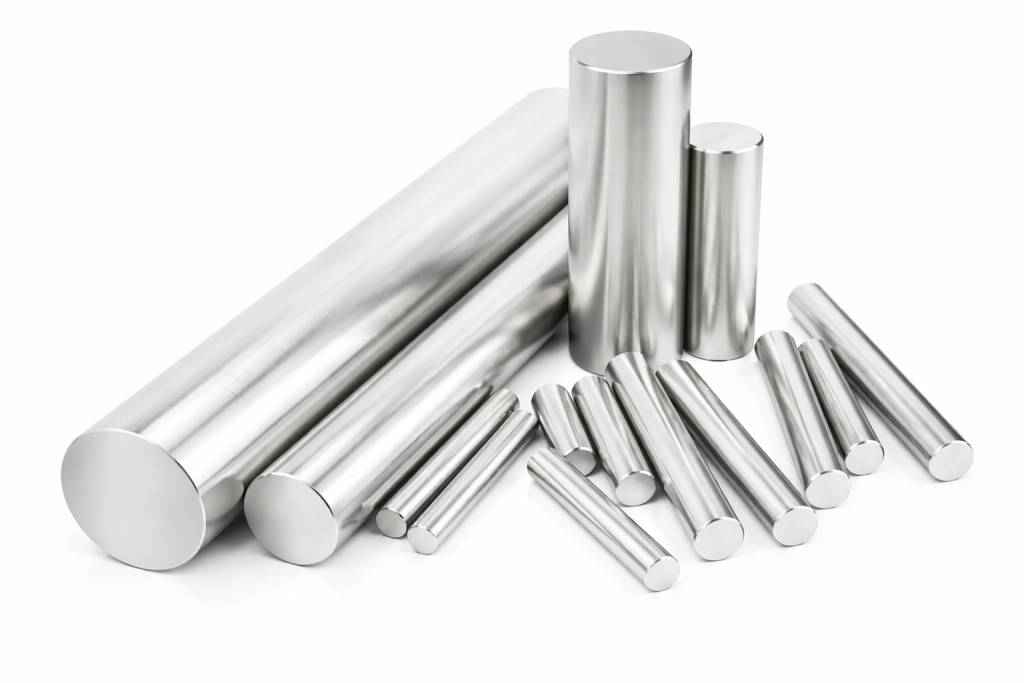
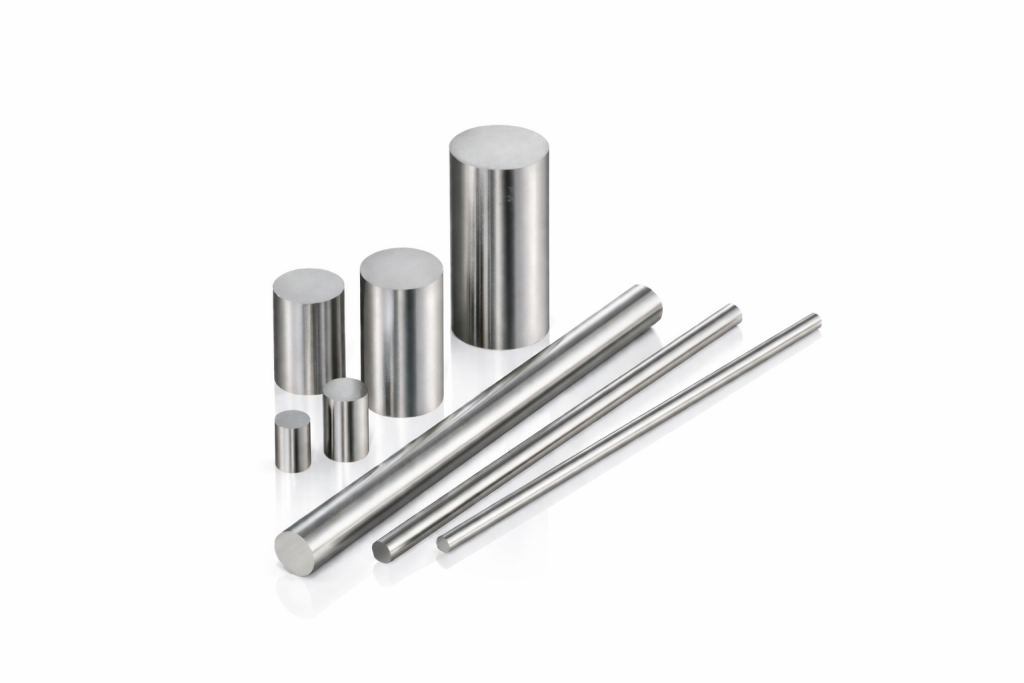
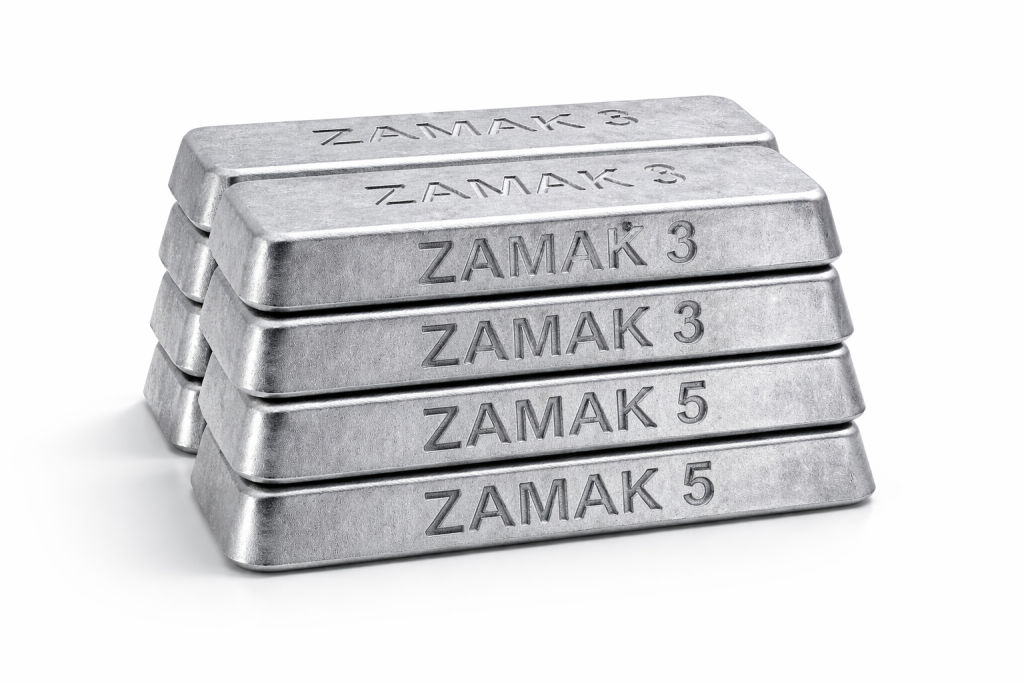
Metals
Lightweight, high thermal conductivity, Excellent Machinability, Superior Dimensional Stability, Tight-Tolerance Capable, Perfect for Complex CNC Milling and Turning.
Price: $0
Lead Time: < 5 days
Tolerances: ±0.005″ (±0.125mm)
Max part size: 200 cm x 80 cm x 100 cm
Extremely lightweight (67% aluminum density), good vibration damping, requires surface treatment.
Price: $0
Lead Time: < 10 days
Tolerances: ±0.005″ (±0.125mm)
Max part size: 200 cm x 80 cm x 100 cm
Excellent malleability, corrosion-resistant, decorative finishes, suitable for intricate stamped panels.
Price: $0
Lead Time:
Tolerances:
Max part size:
High electrical conductivity, soft yet work-hardening, requires annealing during multi-stage forming.
Price: $0
Lead Time:
Tolerances:
Max part size:

Cost-effective formability, high strength-to-weight ratio, requires anti-rust coating for exposed edges.
Price: $0
Lead Time:
Tolerances:
Max part size:
Corrosion-resistant, retains strength after welding, maintains integrity in harsh environments.
Price: $0
Lead Time:
Tolerances:
Max part size:
Aerospace-grade strength, biocompatible, seawater corrosion resistance, difficult to machine.
Price: $0
Lead Time: < 10 days
Tolerances: ±0.005″ (±0.125mm)
Max part size: 200 cm x 80 cm x 100 cm
Lightweight, high thermal conductivity, Excellent Machinability, Superior Dimensional Stability, Tight-Tolerance Capable, Perfect for Complex CNC Milling and Turning.
Price: $0
Lead Time: < 5 days
Tolerances: ±0.005″ (±0.125mm)
Max part size: 200 cm x 80 cm x 100 cm
Plastics
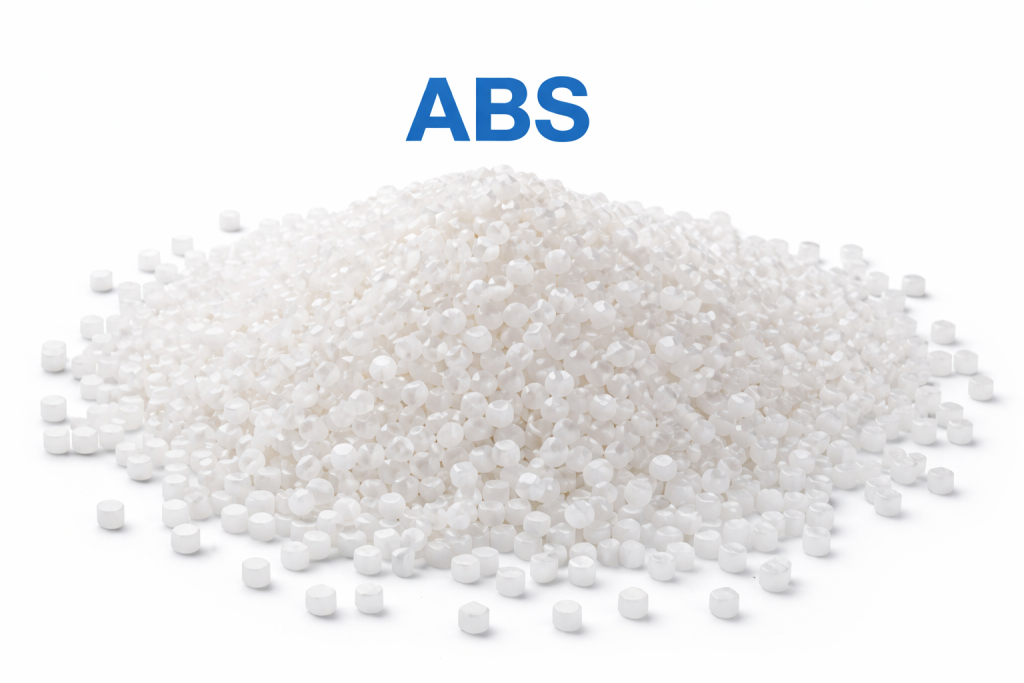
Fast-flowing melt, low shrinkage (0.4-0.7%), requires pre-drying (80°C/4h), ideal for automotive dashboards and consumer electronics housings.
Price: $0
Lead Time:
Tolerances:
Max part size:
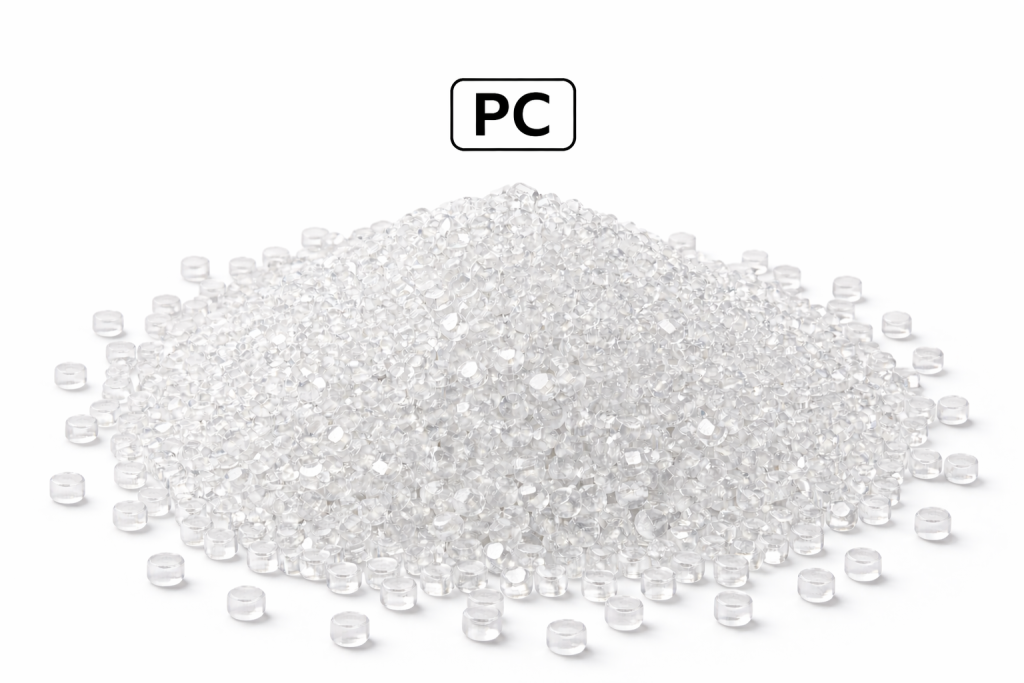
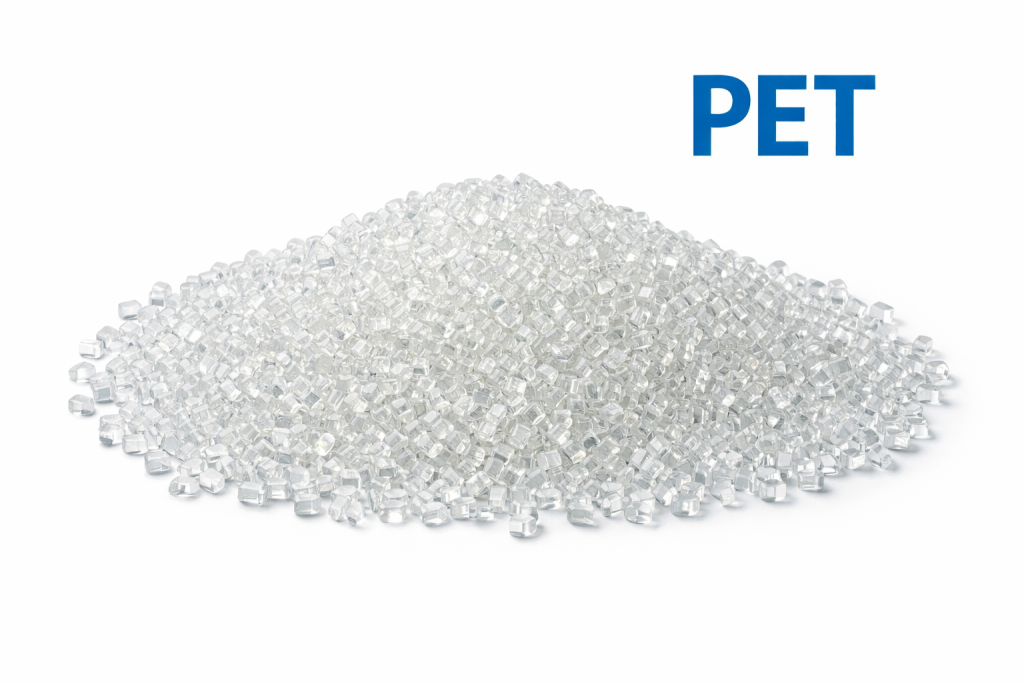
High melt viscosity (300-350°C processing), moisture-sensitive (0.02% max), optical-grade clarity for LED lenses and medical device components.
Price: $0
Lead Time:
Tolerances:
Max part size:
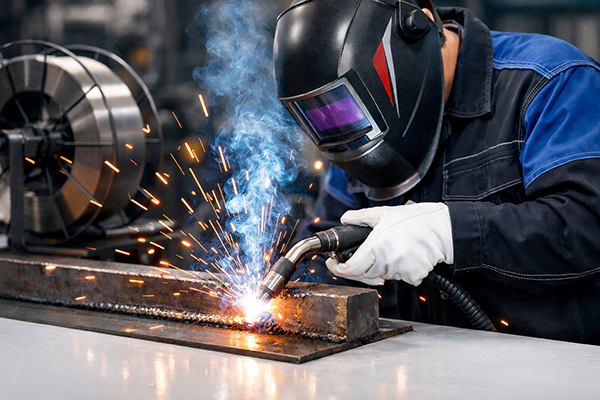
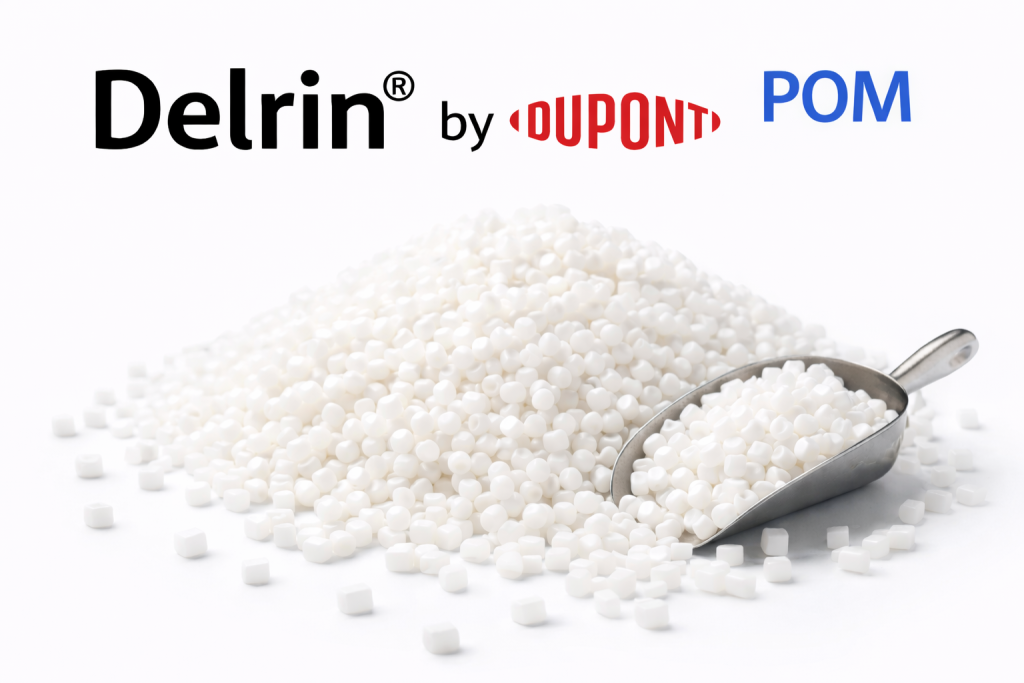
Crystallization-sensitive cooling (80-120°C mold), high dimensional stability, precision gears and fuel system valves.
Price: $0
Lead Time:
Tolerances:
Max part size:
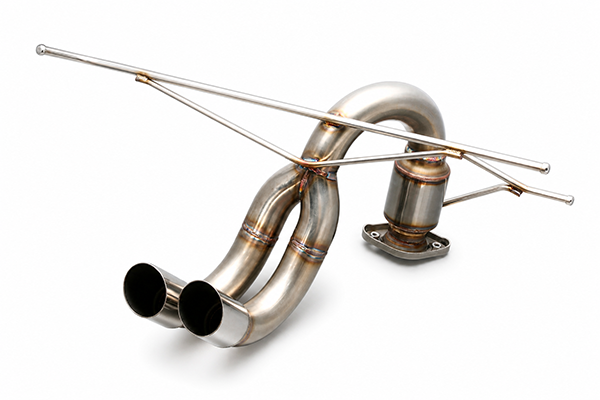
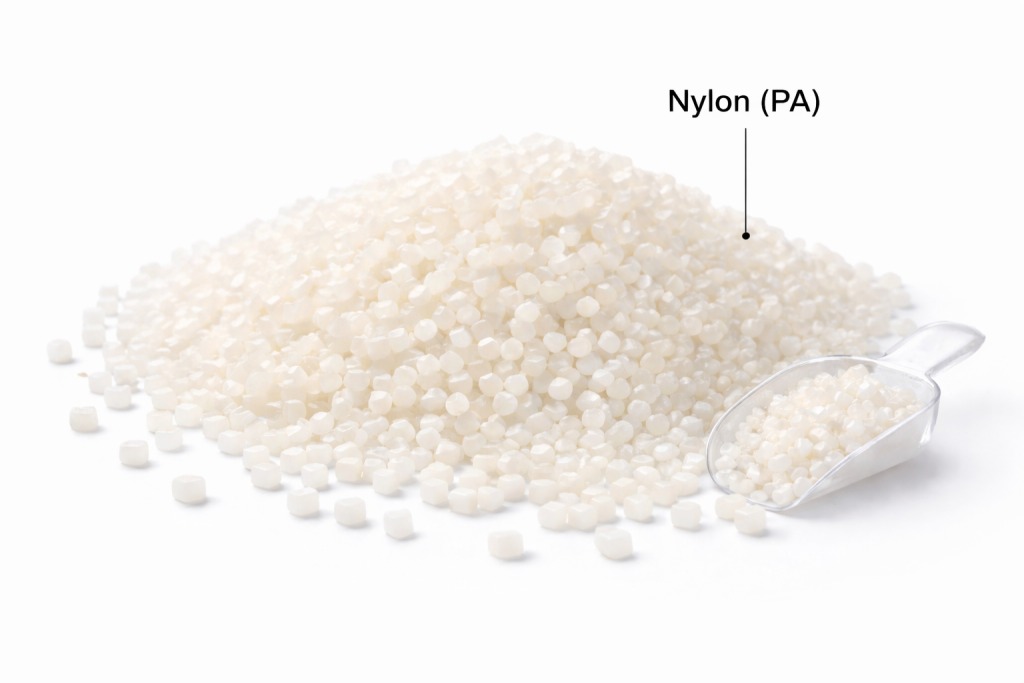
Moisture absorption (2.5-3.5%) requires post-molding annealing, self-lubricating bushings and automotive cable ties.
Price: $0
Lead Time:
Tolerances:
Max part size:
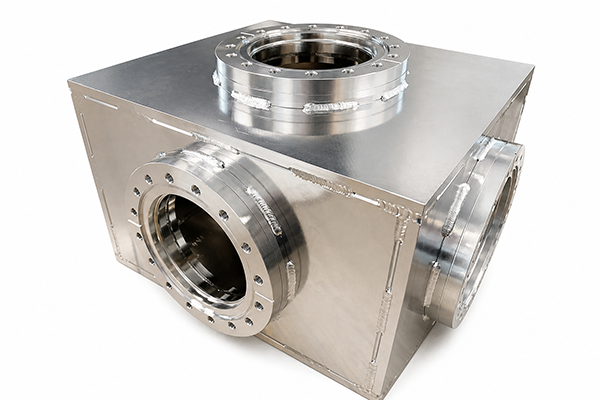
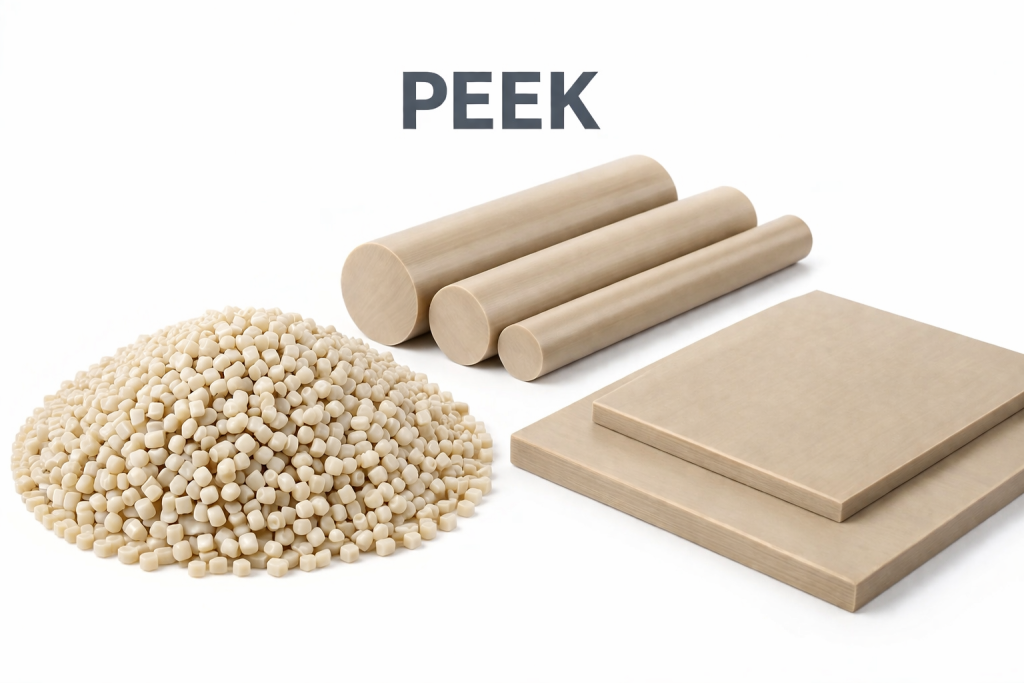
Extreme processing temps (380-400°C), low shrinkage (0.1-0.3%), aerospace bushings and surgical sterilization trays.
Price: $0
Lead Time:
Tolerances:
Max part size:
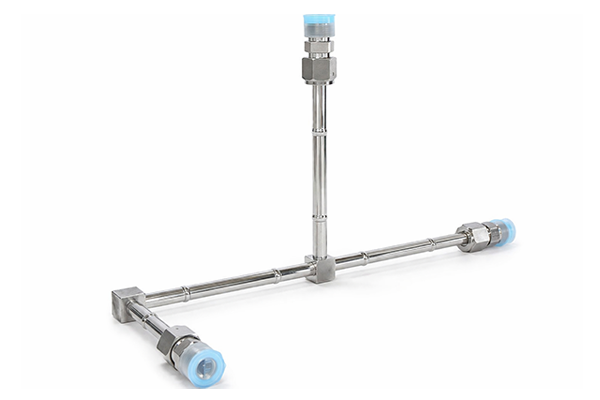
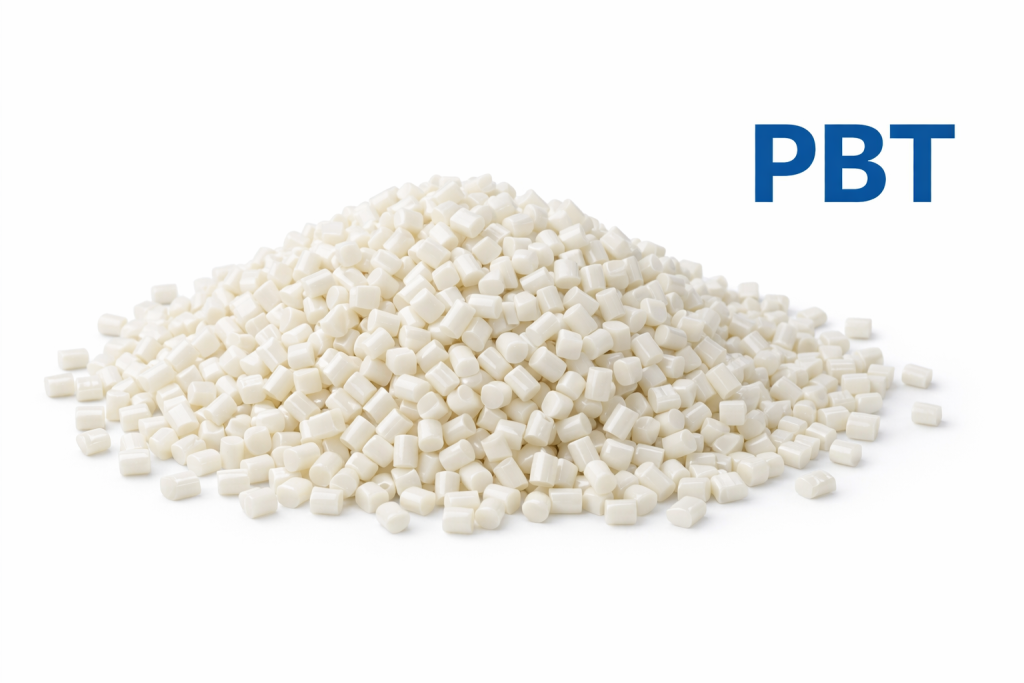
Heat distortion resistance (150°C), electrical insulation, glass-fiber reinforced automotive connectors.
Price: $0
Lead Time:
Tolerances:
Max part size:
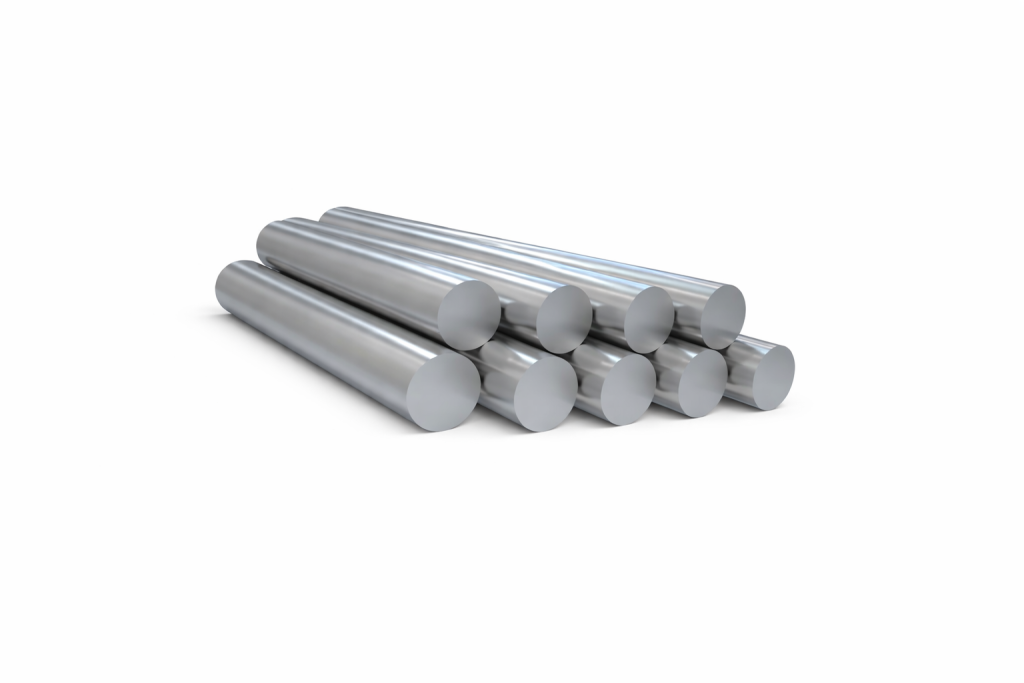
Aerospace-grade strength, biocompatible, seawater corrosion resistance, difficult to machine.
Price: $0
Lead Time: < 10 days
Tolerances: ±0.005″ (±0.125mm)
Max part size: 200 cm x 80 cm x 100 cm
Lightweight, high thermal conductivity, Excellent Machinability, Superior Dimensional Stability, Tight-Tolerance Capable, Perfect for Complex CNC Milling and Turning.
Price: $0
Lead Time: < 5 days
Tolerances: ±0.005″ (±0.125mm)
Max part size: 200 cm x 80 cm x 100 cm
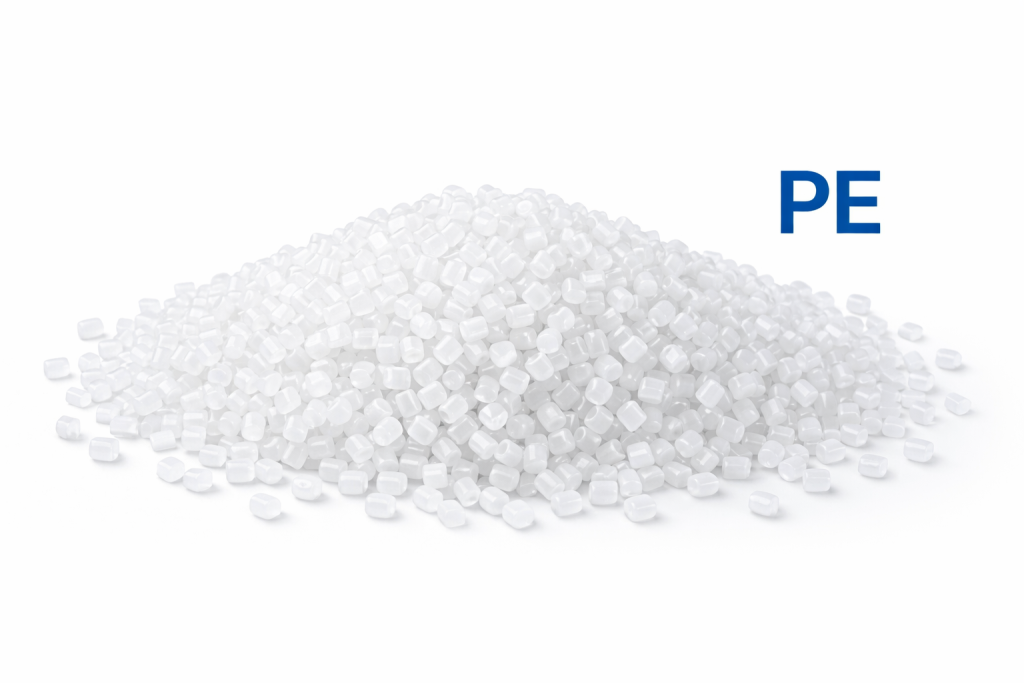
Low melt strength (LDPE: 160-240°C), high flow rate for thin-wall containers and chemical-resistant pipeline fittings.
Price: $0
Lead Time:
Tolerances:
Max part size:
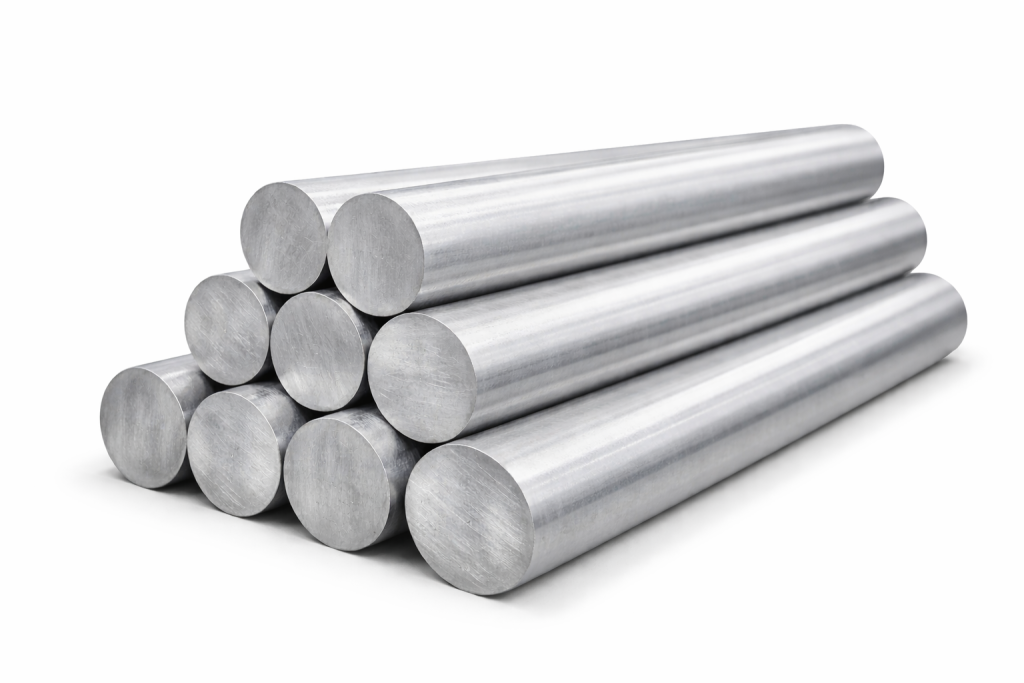
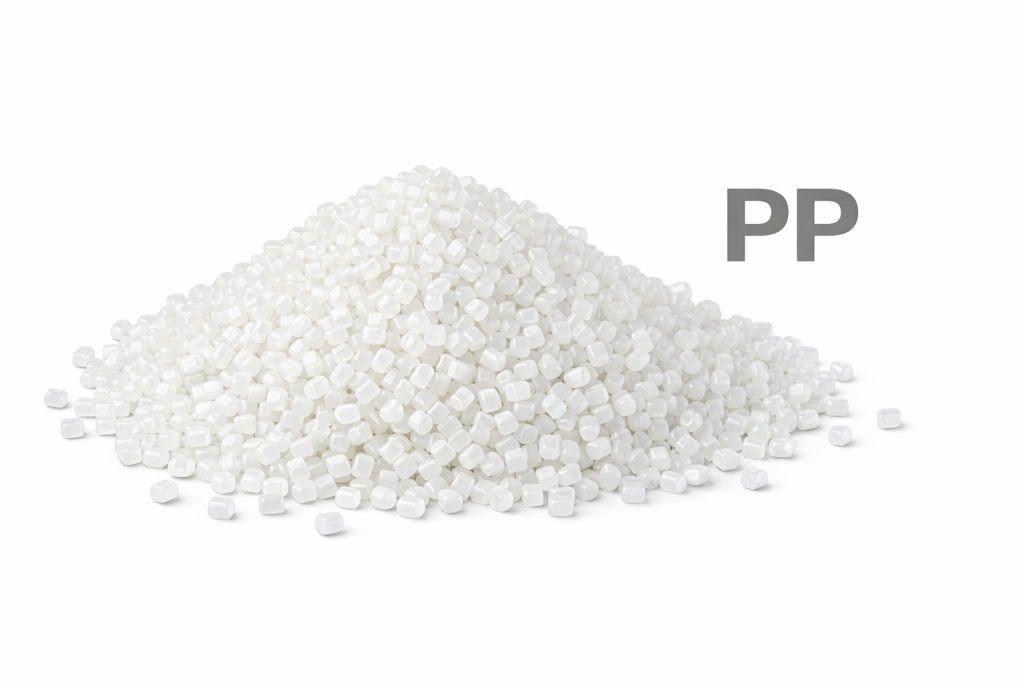
Low density (0.9g/cm³), living hinge capability, disposable syringes and automotive HVAC ducts.
Price: $0
Lead Time:
Tolerances:
Max part size:
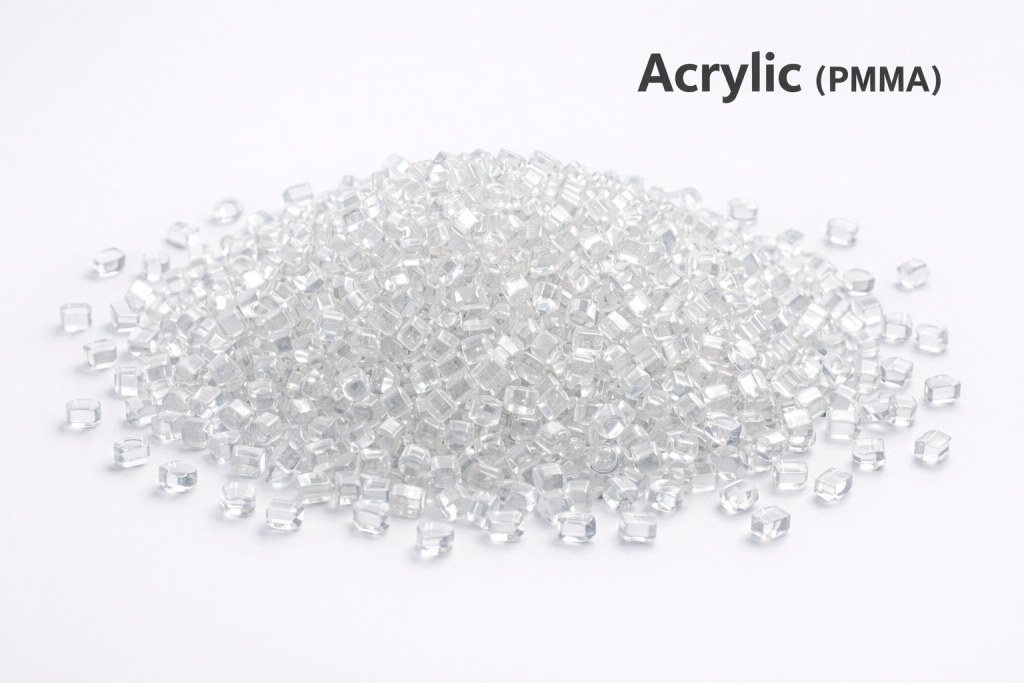
High mold temperature (60-80°C) reduces internal stress, low warpage, replaces glass in automotive taillights and cosmetic packaging.
Price: $0
Lead Time:
Tolerances:
Max part size:
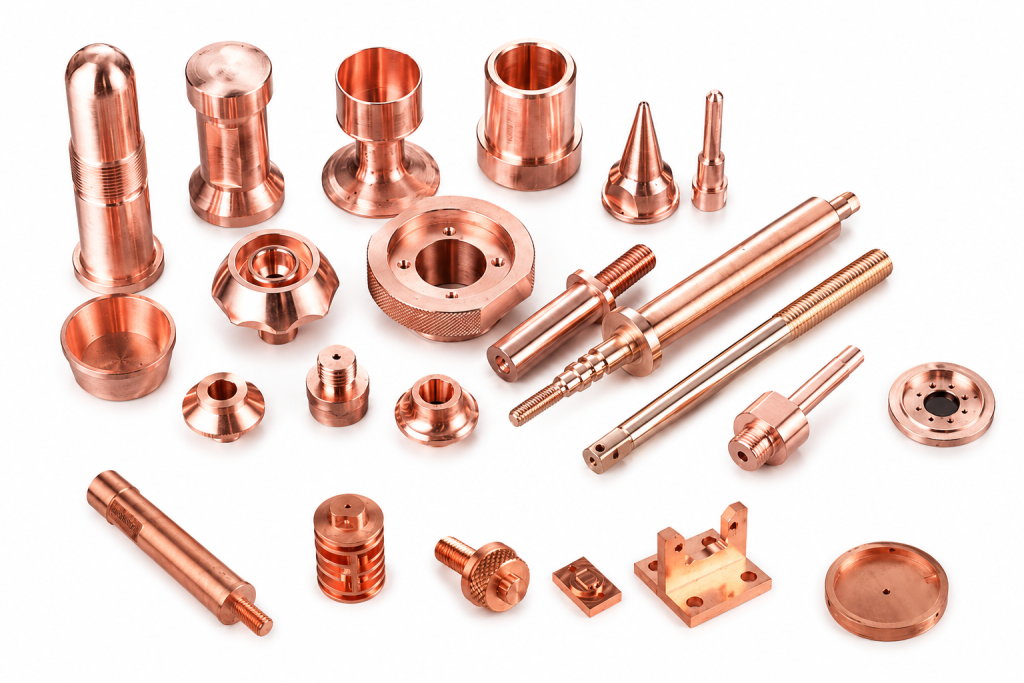
Surface Finishes by Material
Different materials require different finishing processes. Explore the most suitable surface finishes for aluminum, stainless steel, titanium, brass, copper, engineering plastics, and more to achieve the ideal balance of protection, appearance, and performance.
What is Sheet Metal Welding?How Does Sheet Metal Welding Work?
- Common welding methods for sheet metal include:
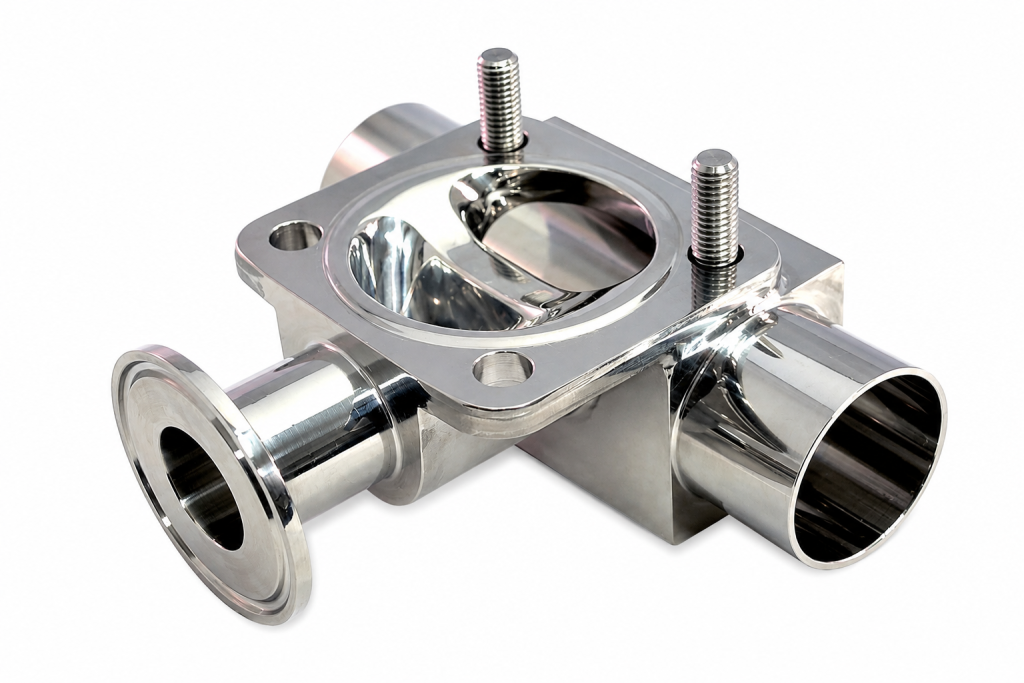
- TIG Welding (GTAW):Uses a non-consumable tungsten electrode and inert gas (argon/helium) to produce precise, clean welds. Ideal for thin sheets (0.5–3 mm).
- MIG Welding (GMAW):Employs a continuous wire electrode and shielding gas for faster, high-deposition welding. Suitable for medium-thickness sheets (1–6 mm).
- Resistance Spot Welding:Applies pressure and electric current to localized points, melting metal to form nugget joints. Widely used in automotive panels.
- Laser Welding:Focuses a high-power laser beam for ultra-precise, low-distortion seams (common in electronics and medical devices).
Success Stories of Metal Welding Projects
FAQs
Which sheet metal welding is most difficult?
TIG welding represents the most technically demanding sheet metal joining method, requiring advanced operator skills and extensive training due
to its precise parameter control needs. This complexity yields industry-leading weld integrity and longevity, justifying its adoption for critical applications.
What type of sheet metal welding is strongest?
Tungsten Inert Gas (TIG) welding delivers superior mechanical properties for sheet metal applications, with its high-temperature arc and controlled
cooling cycle producing exceptional tensile strength and material ductility. Metal Inert Gas (MIG) welding also provides robust joints, making both
processes ideal for structural applications.
What are the 3 main types of sheet metal welding?
The three fundamental sheet metal welding techniques are arc welding, gas welding, and resistance welding – each offering distinct technological
advantages for specific applications. Selection criteria include base material compatibility, required joint strength, production specifications, and
operator expertise.