High-Performance Insert Molding Solutions
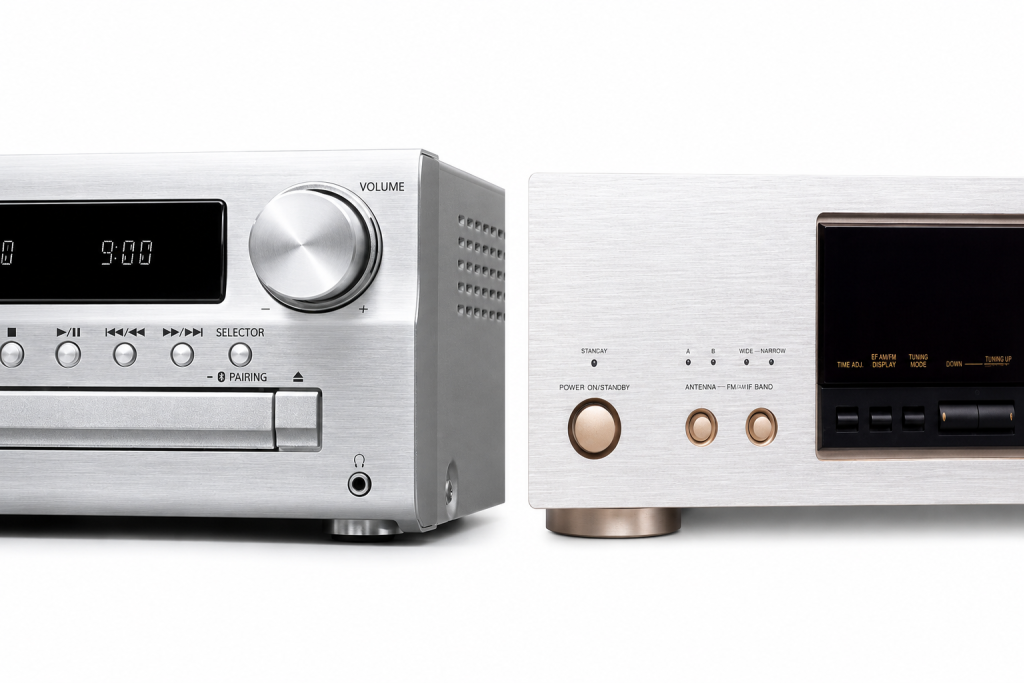
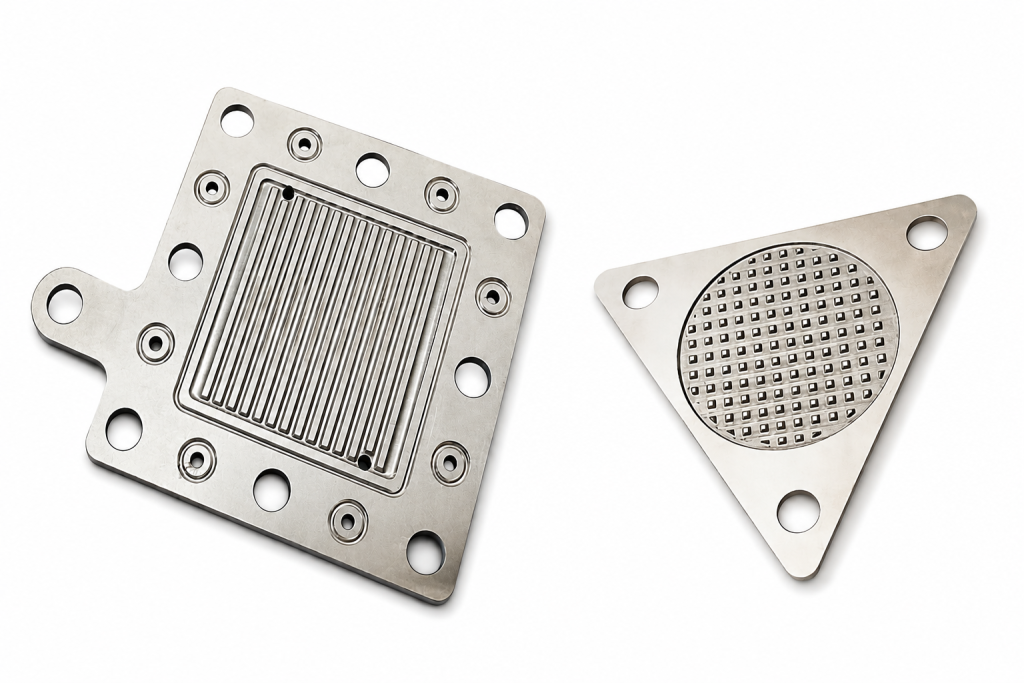
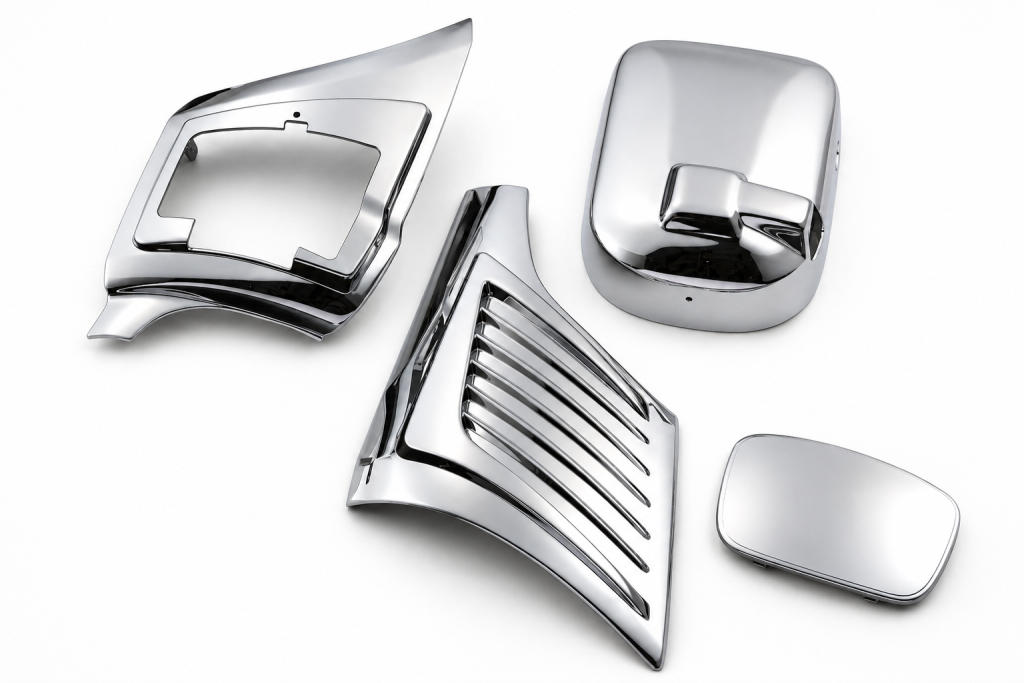
Insert Molding dominates electronics, automotive, and energy sectors for hybrid assemblies. Typical applications:
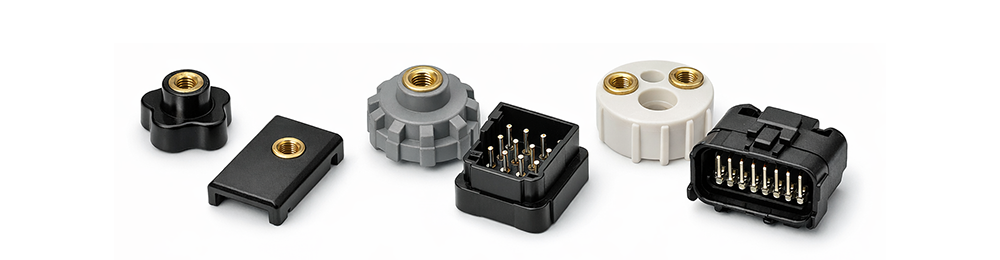
- Threaded metal fasteners in plastic
- Sensor-embedded housings
- Circuit board encapsulation
- Automotive fluid system hybrids
- Reinforced electrical contacts
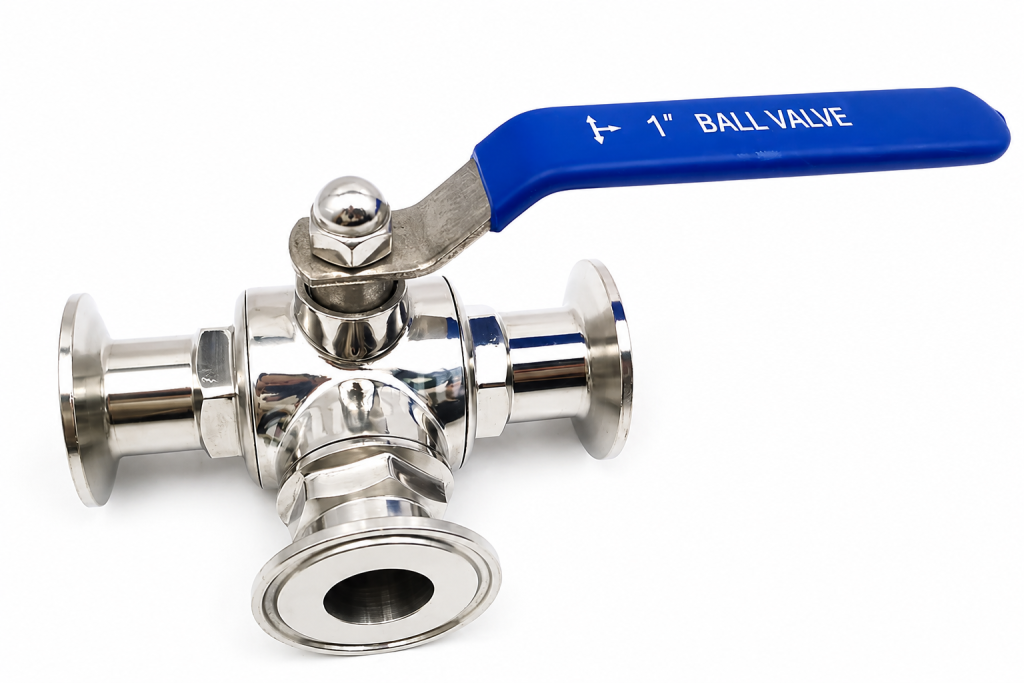
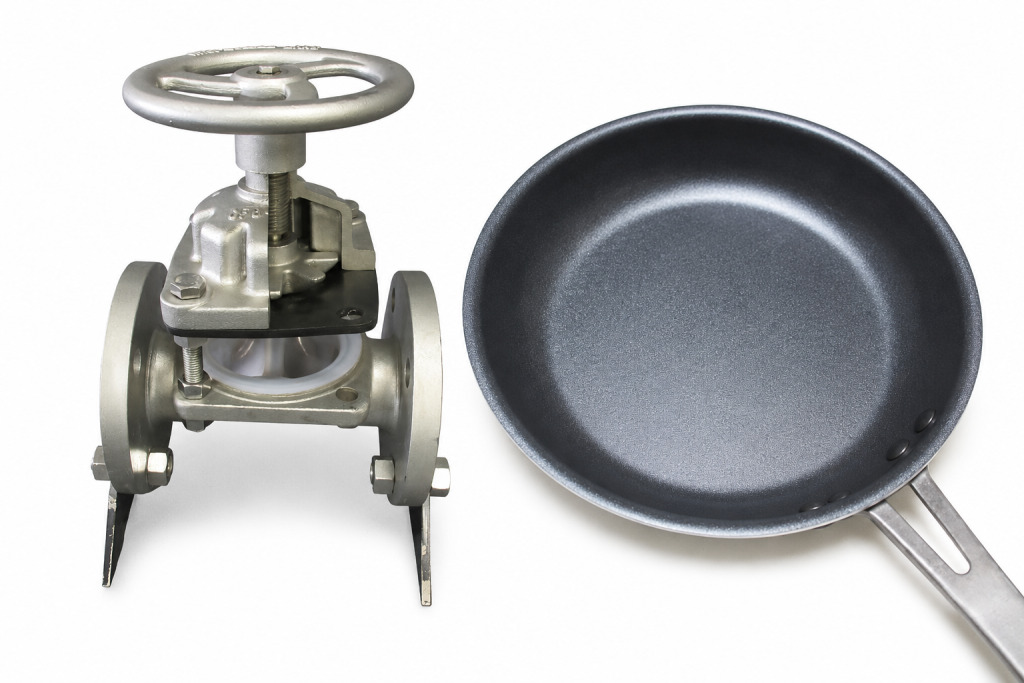
- Valve component assemblies
Start A New Insert Molding Quote
STEP | STP I SLDPRT I IPT I PRT I SAT FLES
Advanced Manufacturing Capabilities
Integrating Engineering Expertise, Advanced Manufacturing Processes, and Flexible Production Capabilities to Support Product Development from Initial Prototypes to Scalable Production.
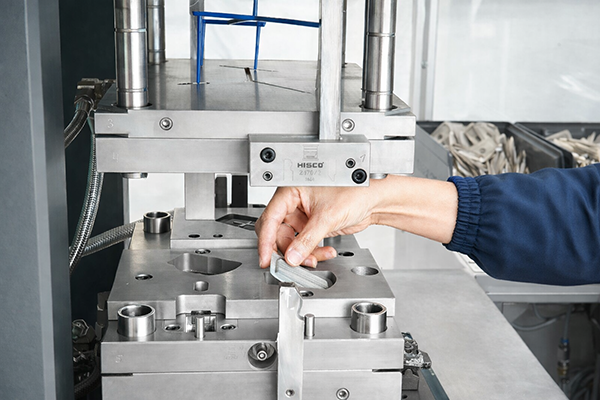
Manual Insert Molding
Requires manual placement of inserts into molds before injection (±0.5mm tolerance). Ideal for low-volume prototypes and complex geometries like surgical tool components.
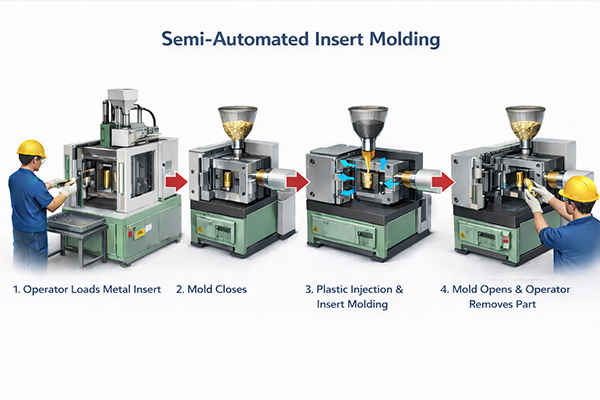
Semi-Automated Insert Molding
Combines manual loading with mechanized molding (±0.3mm tolerance). Cost-effective for mid-volume medical housings requiring ISO cleanliness standards.
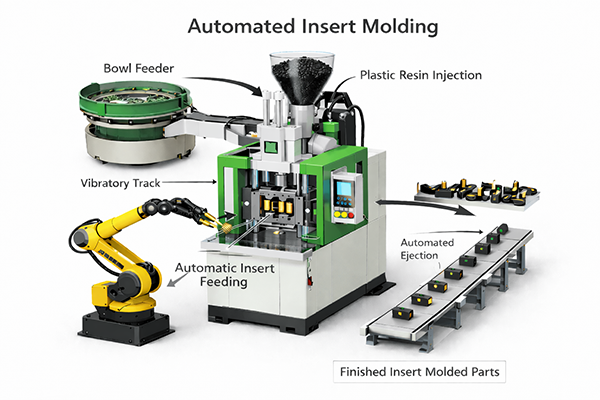
Automated Insert Molding
Uses robotics for high-speed insert placement (±0.1mm tolerance). Dominates mass production of automotive fasteners and micro-USB connectors.
Insert Molding Mass Production
Automates insert placement and injection molding for large-scale manufacturing (±0.1mm tolerance). Ideal for high-volume assemblies requiring strong bonding and consistent part integration.
Our Expert Insert Molding Parts
Precisely encapsulating metal/ceramic inserts (M2 screws, sensors, connectors) with 0.01mm positional tolerance. Automated vision inspection ensures 100% insert alignment verification for electrical and mechatronic assemblies.
Threaded Insert Parts
- 10+ Years of Insert Molding Services
- Tight Tolerance of 0.005mm
- Instant Quote As fast as 2 Hours
- 2 working days deliver time at fastest
Connector & Electronic Insert Parts
- 10+ Years of Insert Molding Services
- Tight Tolerance of 0.005mm
- Instant Quote As fast as 2 Hours
- 2 working days deliver time at fastest
Structural Insert Molded Parts
- 10+ Years of Insert Molding Services
- Tight Tolerance of 0.005mm
- Instant Quote As fast as 2 Hours
- 2 working days deliver time at fastest
Insert Molding Materials
Encapsulating brass/steel inserts in high-flow materials (PP, POM) with <0.1mm warpage. Special formulations prevent cracking around metal components in electrical connectors and sensor housings after thermal cycling.
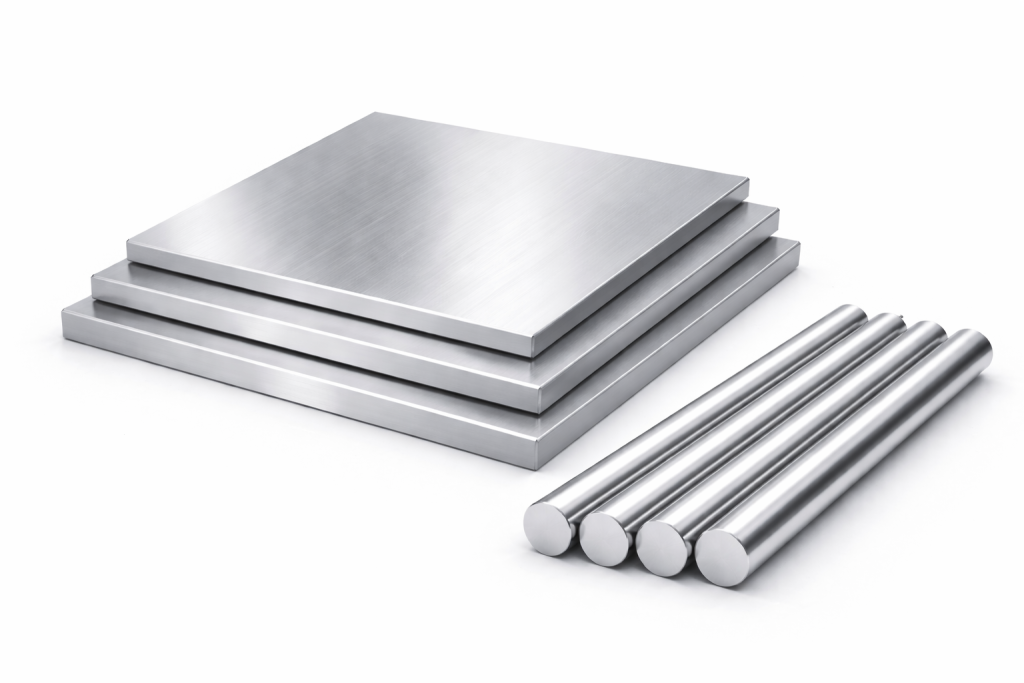
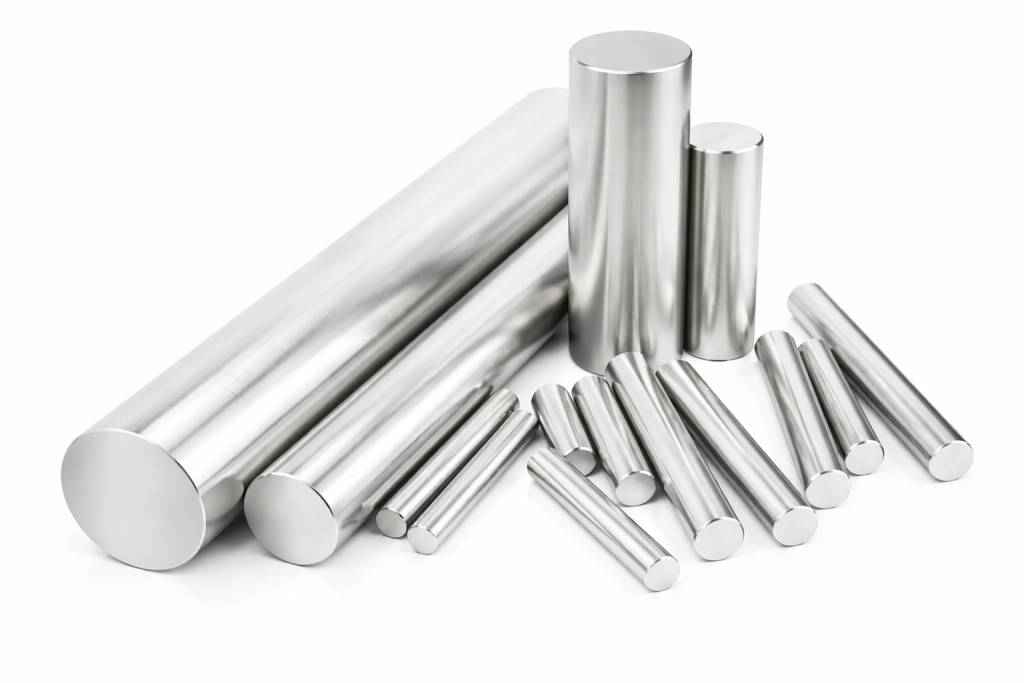
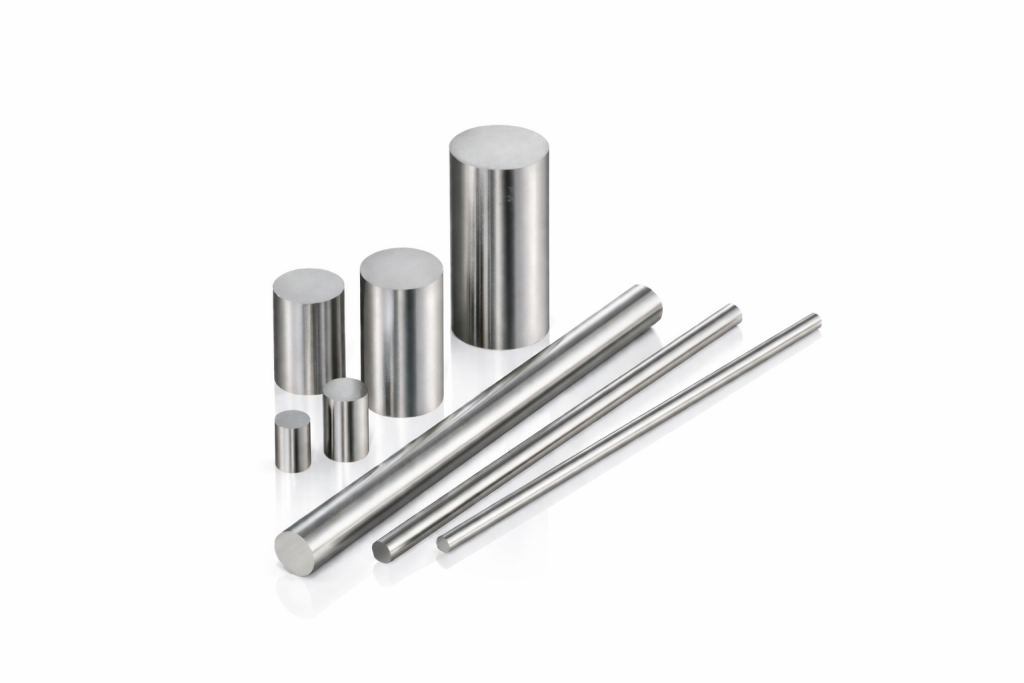
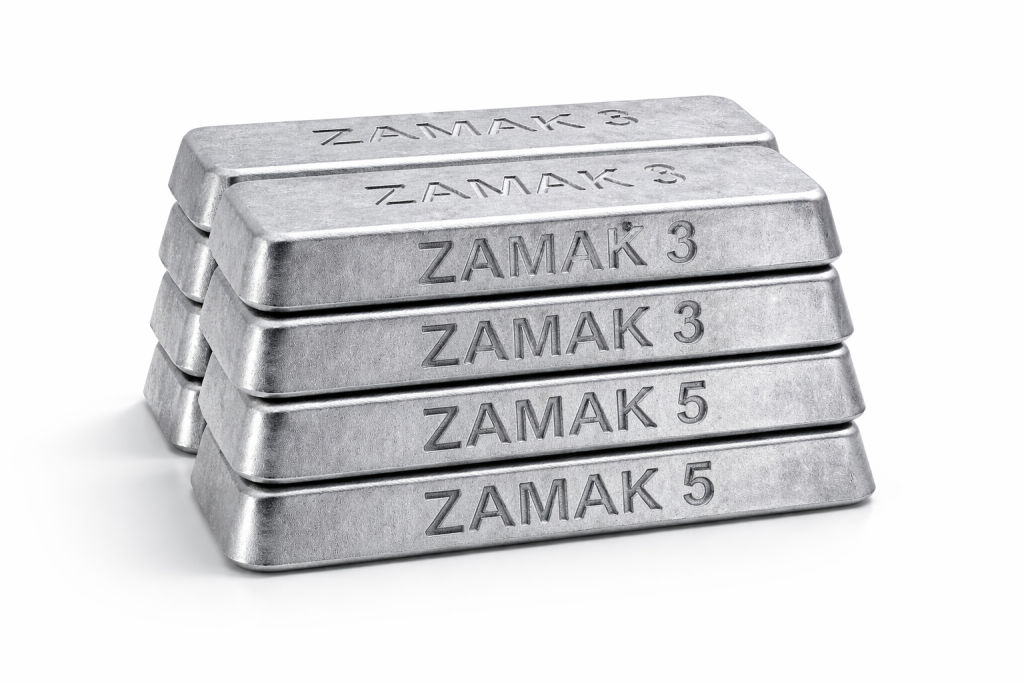
Metals
Lightweight, high thermal conductivity, Excellent Machinability, Superior Dimensional Stability, Tight-Tolerance Capable, Perfect for Complex CNC Milling and Turning.
Price: $0
Lead Time: < 5 days
Tolerances: ±0.005″ (±0.125mm)
Max part size: 200 cm x 80 cm x 100 cm
Extremely lightweight (67% aluminum density), good vibration damping, requires surface treatment.
Price: $0
Lead Time: < 10 days
Tolerances: ±0.005″ (±0.125mm)
Max part size: 200 cm x 80 cm x 100 cm
Excellent malleability, corrosion-resistant, decorative finishes, suitable for intricate stamped panels.
Price: $0
Lead Time:
Tolerances:
Max part size:
High electrical conductivity, soft yet work-hardening, requires annealing during multi-stage forming.
Price: $0
Lead Time:
Tolerances:
Max part size:
Cost-effective formability, high strength-to-weight ratio, requires anti-rust coating for exposed edges.
Price: $0
Lead Time:
Tolerances:
Max part size:
Corrosion-resistant, retains strength after welding, maintains integrity in harsh environments.
Price: $0
Lead Time:
Tolerances:
Max part size:
Aerospace-grade strength, biocompatible, seawater corrosion resistance, difficult to machine.
Price: $0
Lead Time: < 10 days
Tolerances: ±0.005″ (±0.125mm)
Max part size: 200 cm x 80 cm x 100 cm
Lightweight, high thermal conductivity, Excellent Machinability, Superior Dimensional Stability, Tight-Tolerance Capable, Perfect for Complex CNC Milling and Turning.
Price: $0
Lead Time: < 5 days
Tolerances: ±0.005″ (±0.125mm)
Max part size: 200 cm x 80 cm x 100 cm
Plastics
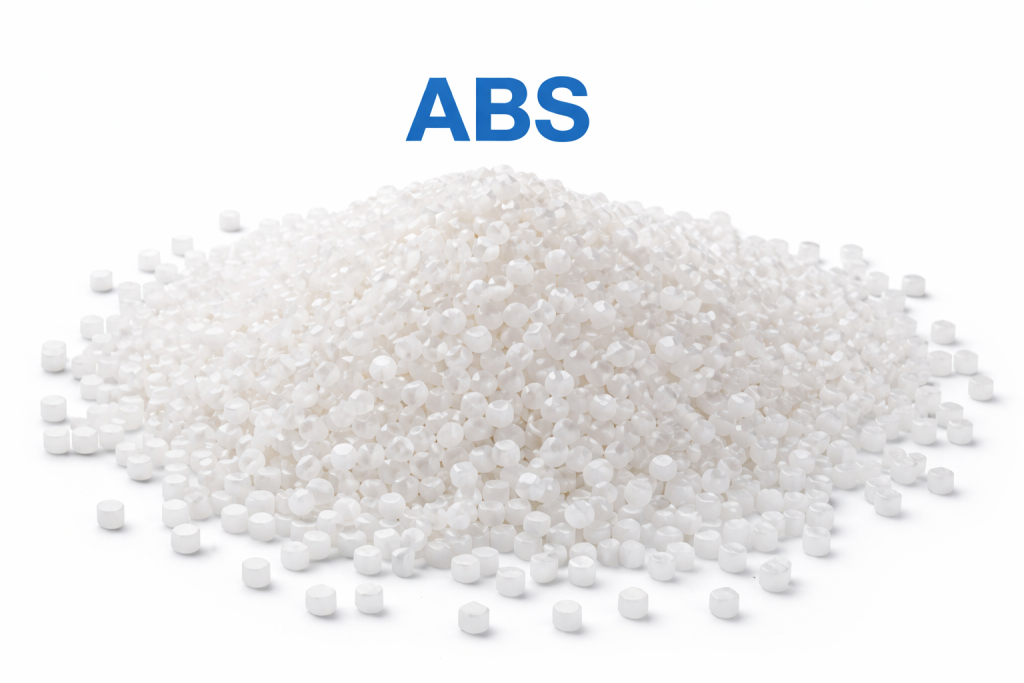
Fast-flowing melt, low shrinkage (0.4-0.7%), requires pre-drying (80°C/4h), ideal for automotive dashboards and consumer electronics housings.
Price: $0
Lead Time:
Tolerances:
Max part size:
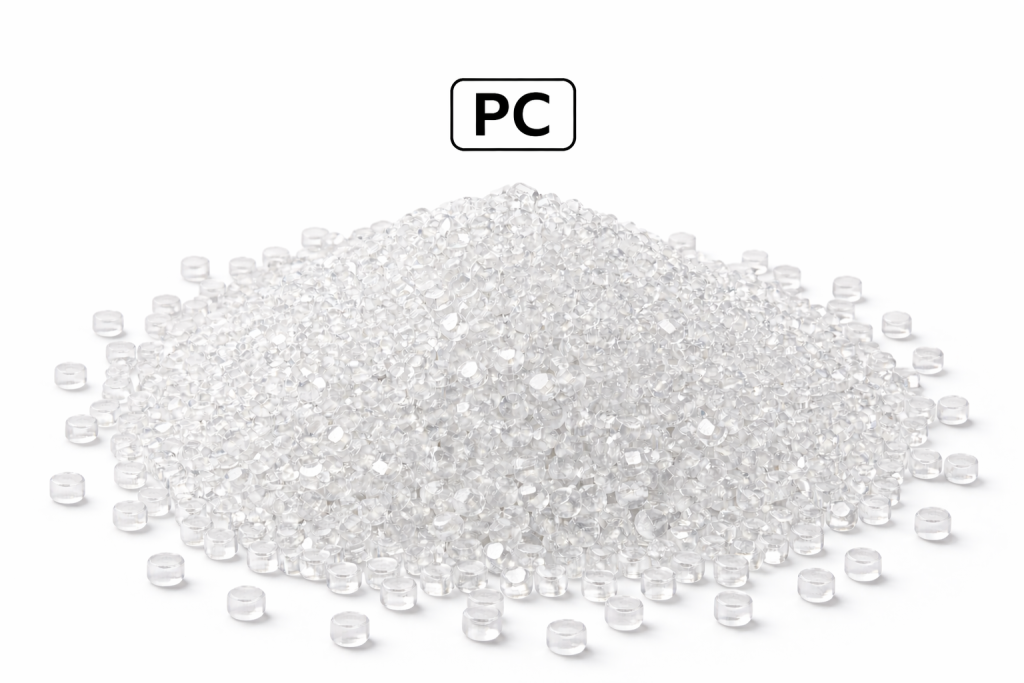
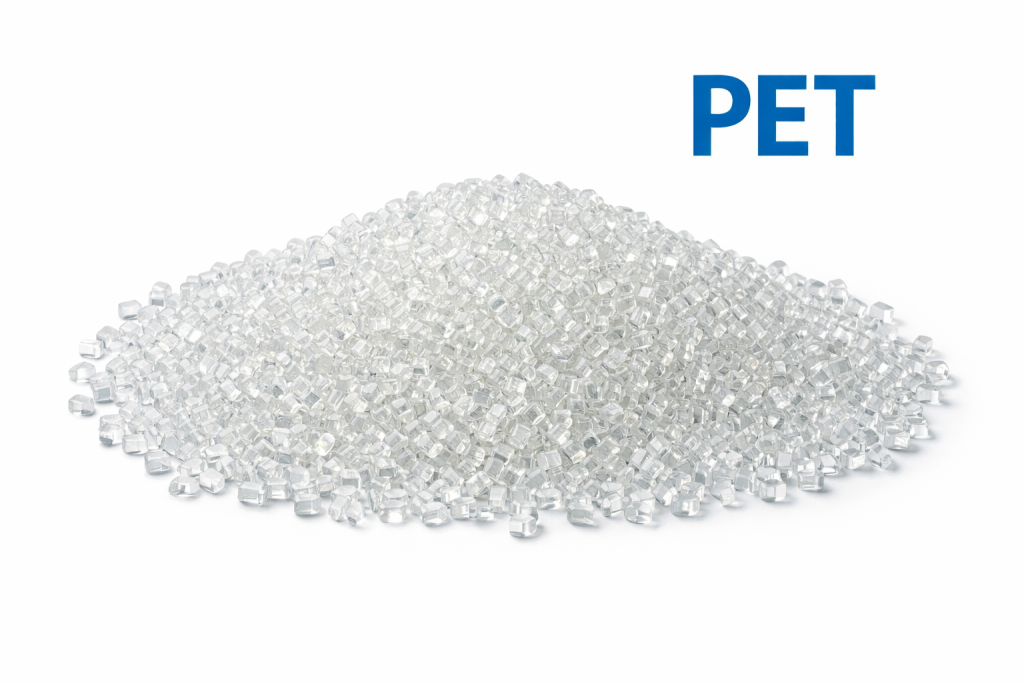
High melt viscosity (300-350°C processing), moisture-sensitive (0.02% max), optical-grade clarity for LED lenses and medical device components.
Price: $0
Lead Time:
Tolerances:
Max part size:
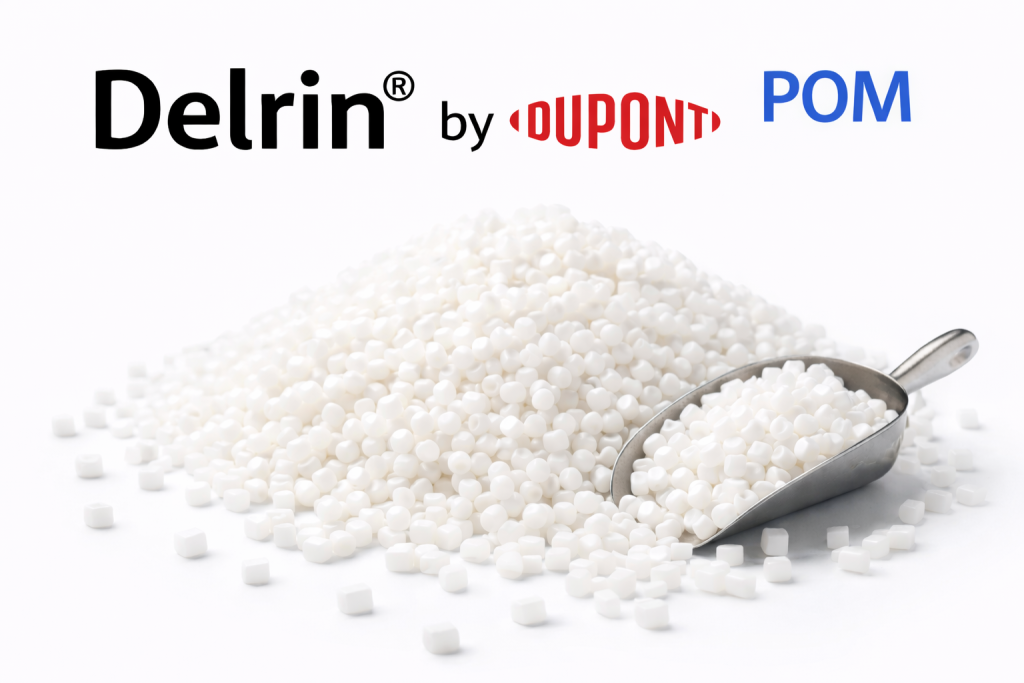
Crystallization-sensitive cooling (80-120°C mold), high dimensional stability, precision gears and fuel system valves.
Price: $0
Lead Time:
Tolerances:
Max part size:
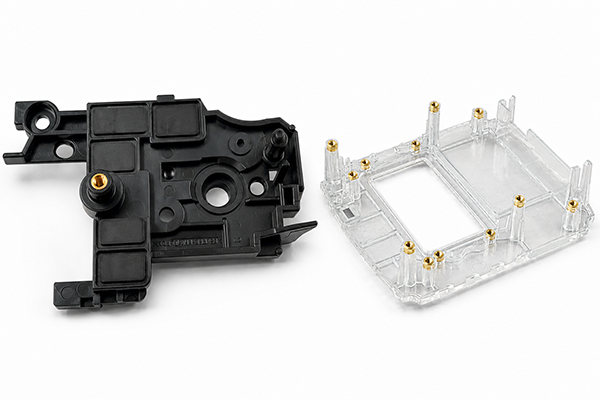
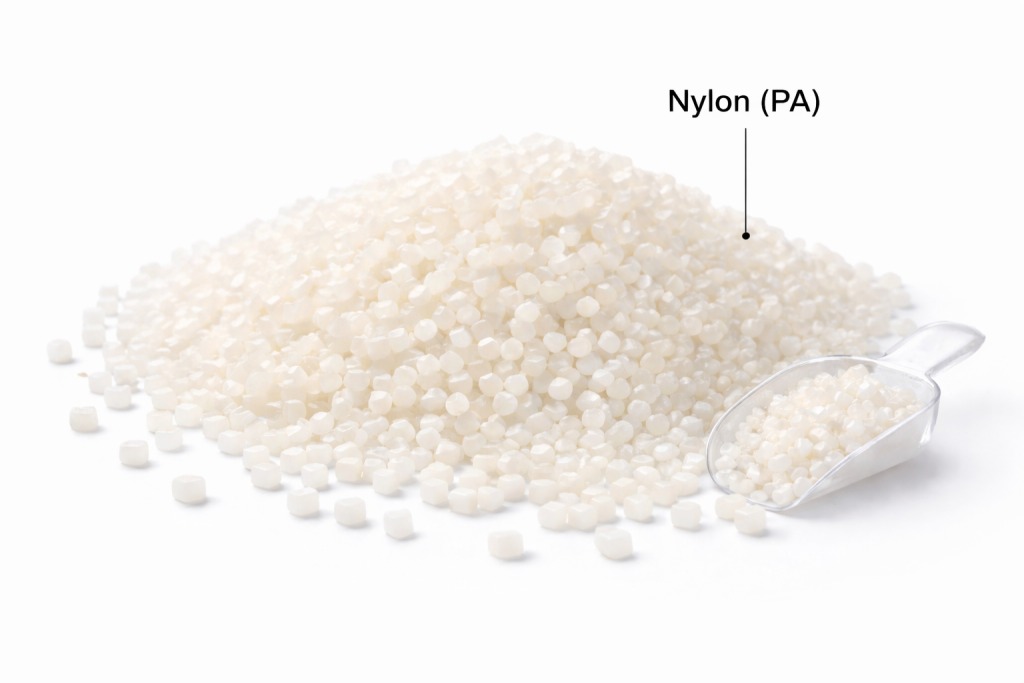
Moisture absorption (2.5-3.5%) requires post-molding annealing, self-lubricating bushings and automotive cable ties.
Price: $0
Lead Time:
Tolerances:
Max part size:
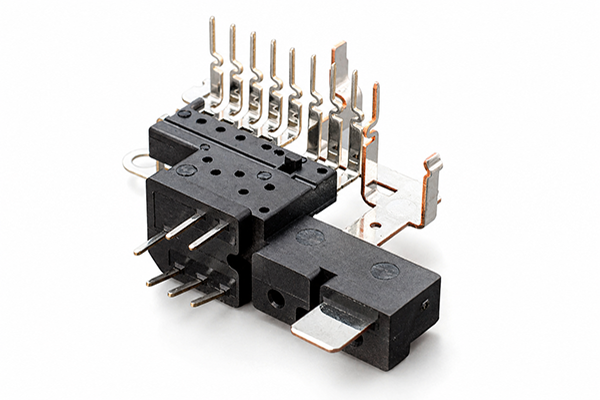
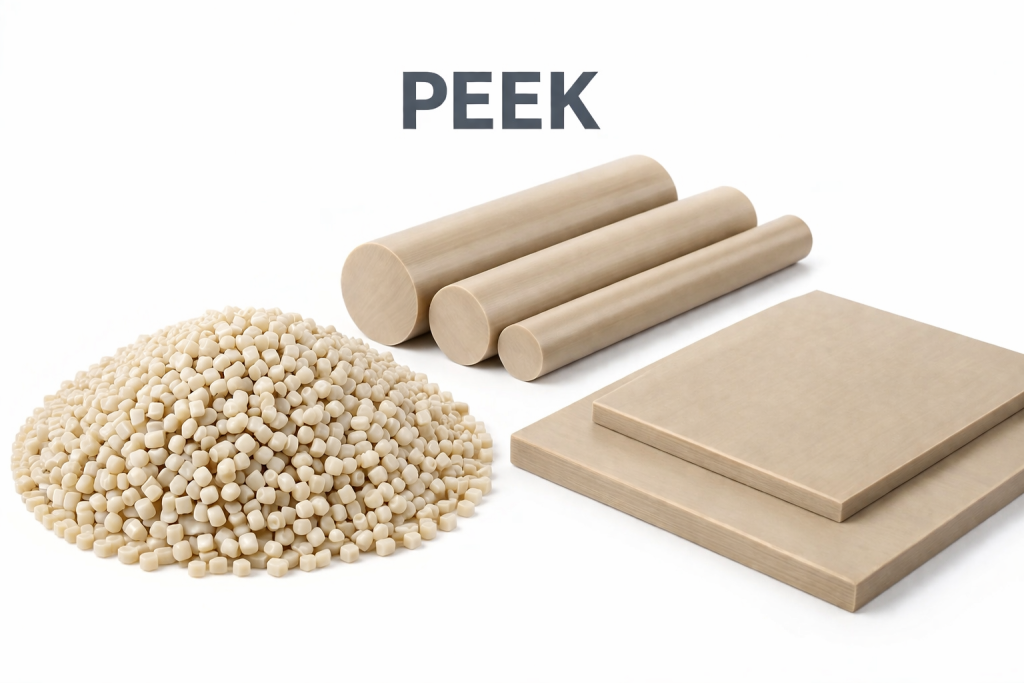
Extreme processing temps (380-400°C), low shrinkage (0.1-0.3%), aerospace bushings and surgical sterilization trays.
Price: $0
Lead Time:
Tolerances:
Max part size:
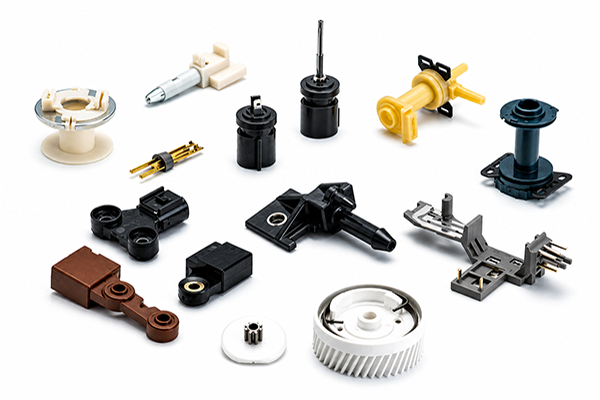
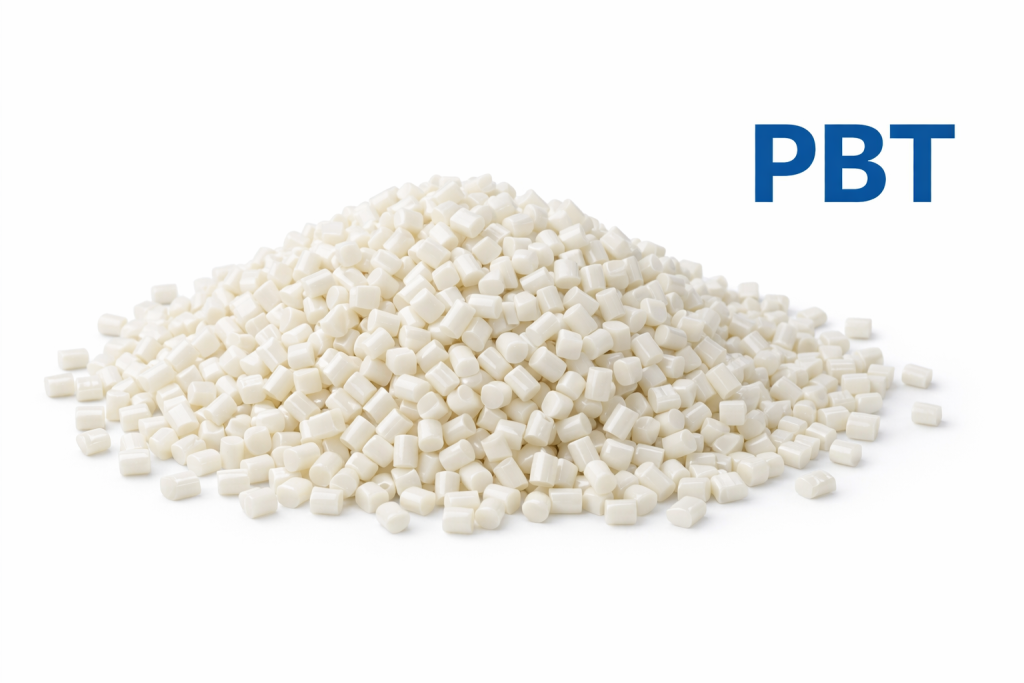
Heat distortion resistance (150°C), electrical insulation, glass-fiber reinforced automotive connectors.
Price: $0
Lead Time:
Tolerances:
Max part size:
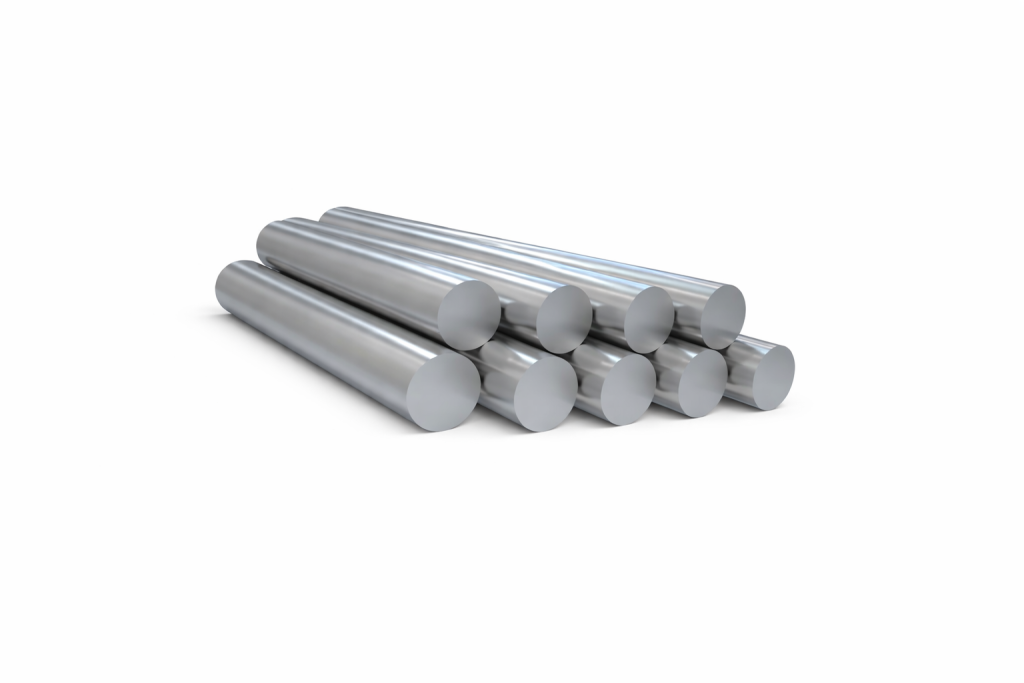
Aerospace-grade strength, biocompatible, seawater corrosion resistance, difficult to machine.
Price: $0
Lead Time: < 10 days
Tolerances: ±0.005″ (±0.125mm)
Max part size: 200 cm x 80 cm x 100 cm
Lightweight, high thermal conductivity, Excellent Machinability, Superior Dimensional Stability, Tight-Tolerance Capable, Perfect for Complex CNC Milling and Turning.
Price: $0
Lead Time: < 5 days
Tolerances: ±0.005″ (±0.125mm)
Max part size: 200 cm x 80 cm x 100 cm
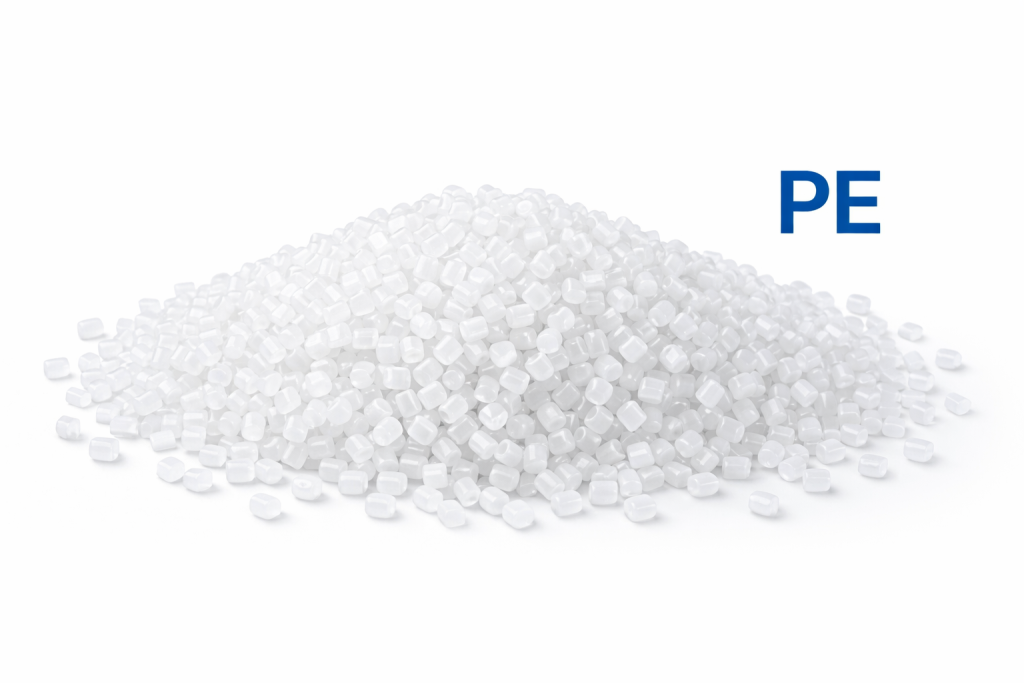
Low melt strength (LDPE: 160-240°C), high flow rate for thin-wall containers and chemical-resistant pipeline fittings.
Price: $0
Lead Time:
Tolerances:
Max part size:
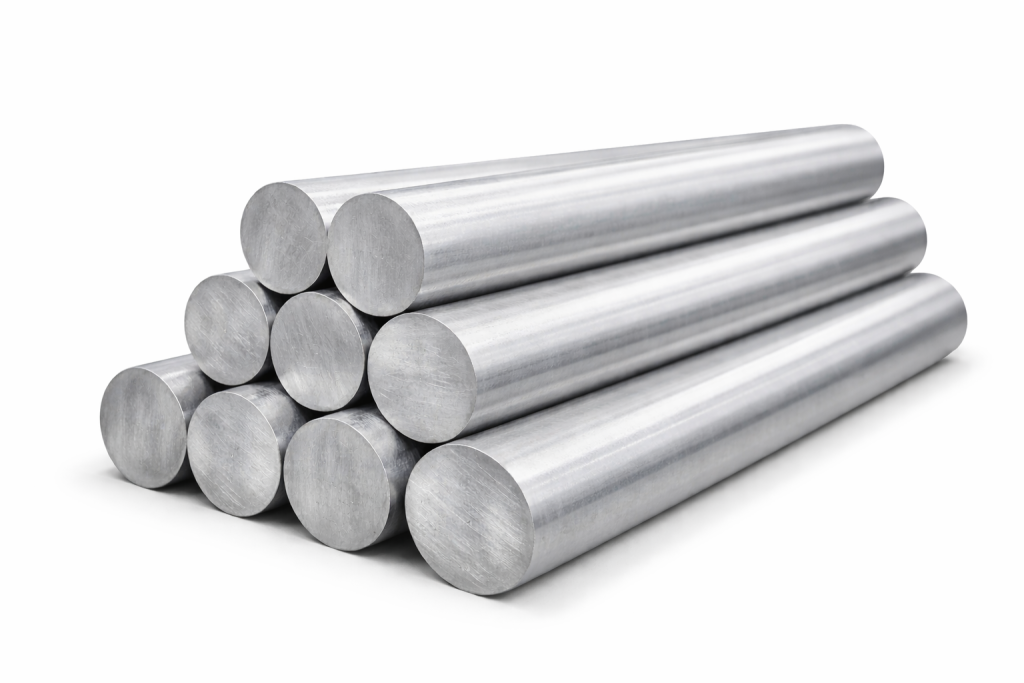
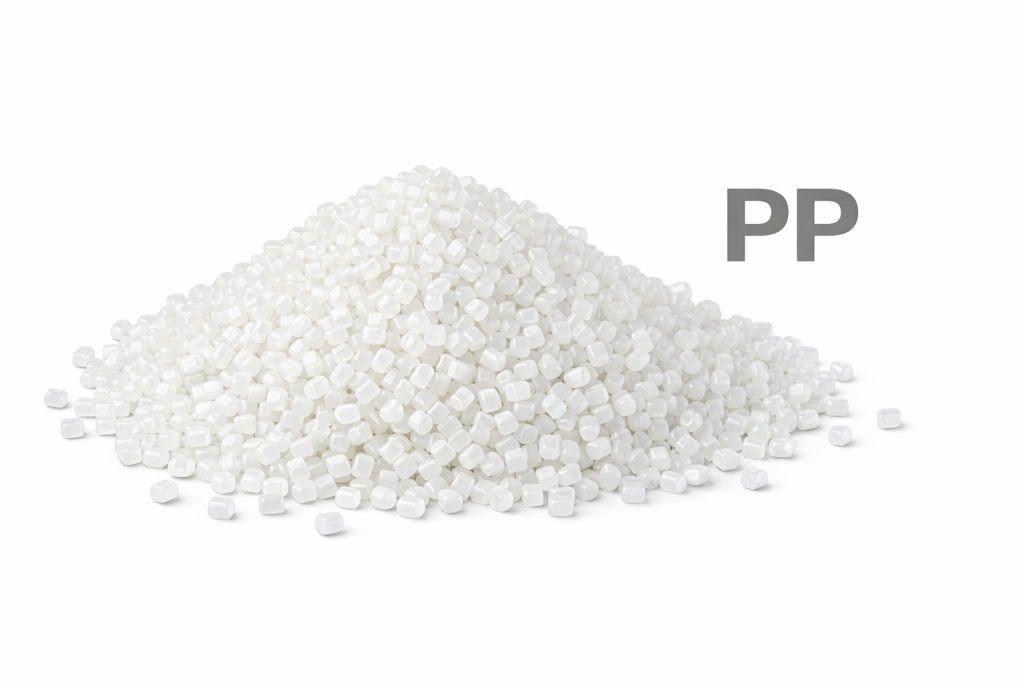
Low density (0.9g/cm³), living hinge capability, disposable syringes and automotive HVAC ducts.
Price: $0
Lead Time:
Tolerances:
Max part size:
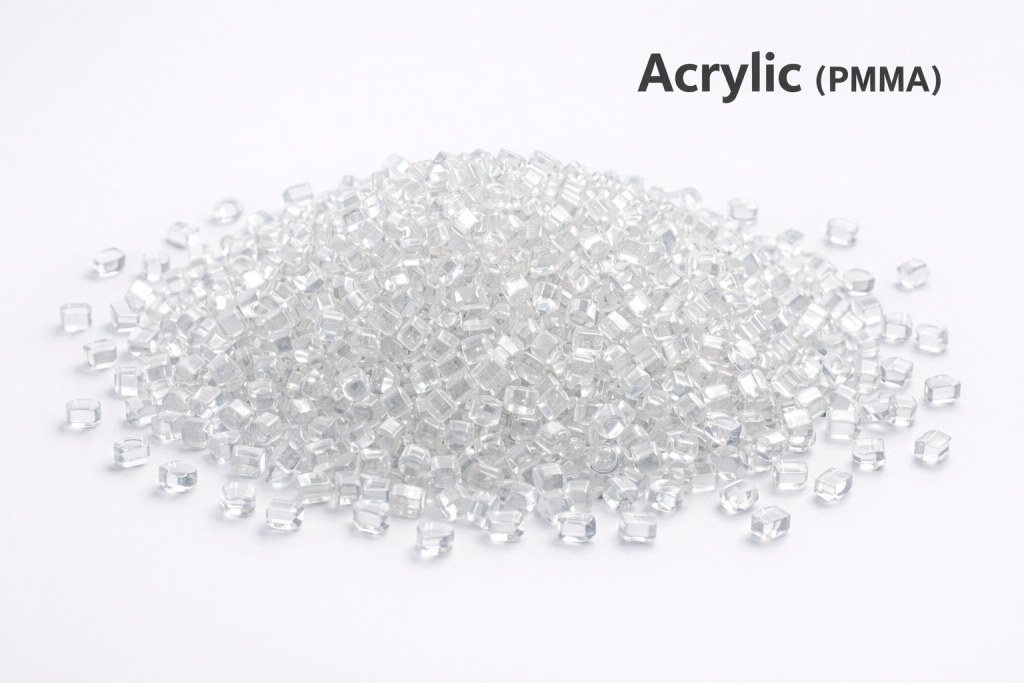
High mold temperature (60-80°C) reduces internal stress, low warpage, replaces glass in automotive taillights and cosmetic packaging.
Price: $0
Lead Time:
Tolerances:
Max part size:
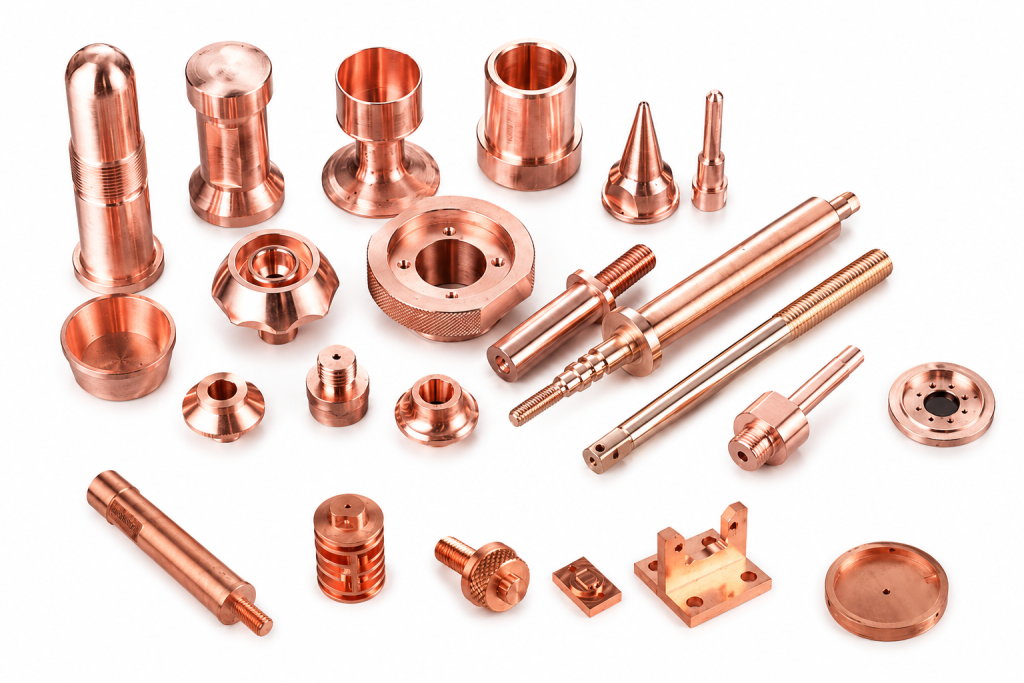
Insert Molding Tolerances and Standards
For your convenience and to solve your problem more efficiently, refer to the following information to improve part manufacturability and reduce lead times. Let’s unlock the potential of your insert molding project.
Surface Finishes by Material
Different materials require different finishing processes. Explore the most suitable surface finishes for aluminum, stainless steel, titanium, brass, copper, engineering plastics, and more to achieve the ideal balance of protection, appearance, and performance.
What is Insert Molding?How Does Insert Molding Work?
Insert Molding is a specialized injection molding process where pre-fabricated inserts (e.g., metal parts, threaded fasteners, or electronic components) are embedded into molten plastic to form a single, unified part. This method integrates dissimilar materials seamlessly, enhancing structural integrity and functionality in applications like electrical connectors, automotive sensors, and medical devices.
- Insert Preparation:Inserts (e.g., brass threads, metal pins, or ceramic substrates) are manufactured via machining, stamping, or 3D printing.
- Surfaces may be treated (e.g., roughening or coating) to improve adhesion with the plastic.
- Mold Setup:Inserts are manually or robotically placed into designated cavities within the injection mold. Precision alignment ensures the insert remains fixed during plastic injection.
- Injection Molding:Molten thermoplastic (e.g., nylon, ABS, or PEEK) is injected into the mold, encapsulating the insert under controlled temperature and pressure.Cooling systems solidify the plastic around the insert, forming a permanent bond.
- Post-Processing:Excess material (flash) is trimmed, and parts are inspected for bonding quality and dimensional accuracy.
Success Stories of Insert Molding Projects
FAQs
What materials are used in insert molding?
Insert molding utilizes engineering-grade thermoplastics (nylon, PEEK, ABS) paired with metal inserts (stainless steel, brass, aluminum). The process
requires materials with compatible thermal expansion coefficients and bonding characteristics to ensure structural integrity under operational stresses.
What is the difference between insert molding and overmolding?
While both processes create multi-material components, insert molding embeds pre-formed metal/plastic inserts during injection, primarily for
structural enhancement. Overmolding sequentially molds thermoplastic elastomers (TPE) over substrates to improve grip or aesthetics. Insert
molding accommodates various processes, whereas overmolding is exclusively injection-based.
How do you design an insert molding?
Insert molding design requires strategic planning of part specifications, material selection, and process parameters. Key considerations include:
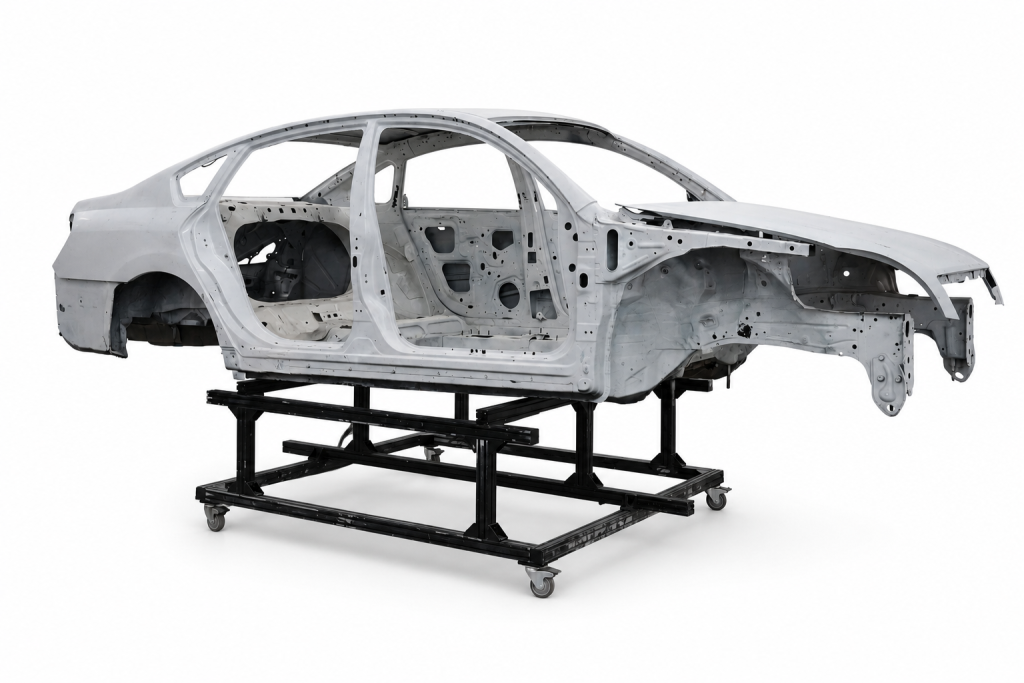
defining mechanical/thermal requirements, selecting compatible metal/plastic combinations, optimizing insert geometry for mold integration,
and validating through prototyping. The process demands precise control of injection parameters to ensure proper material bonding and
dimensional accuracy.