Industrial-Grade 3D Printing Services
3D Printing is essential for aerospace, medical, and automotive industries requiring complex geometries. Typical applications:
- Functional prototype components
- Custom medical implants
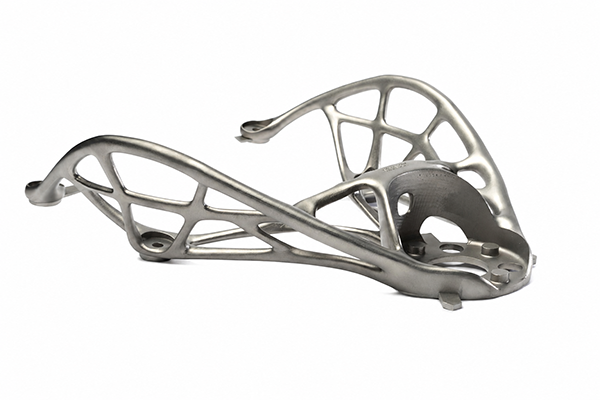
- Lightweight aerospace brackets
- Automotive ductwork systems
- Electronic housing prototypes
- Architectural scale models
Start A New 3D Printing Quote
STEP | STP I SLDPRT I IPT I PRT I SAT FLES
Advanced Manufacturing Capabilities
Integrating Engineering Expertise, Advanced Manufacturing Processes, and Flexible Production Capabilities to Support Product Development from Initial Prototypes to Scalable Production.
FDM 3D Printing
Suitable for rapid prototyping and functional parts. Uses cost-effective thermoplastics (e.g., PLA, ABS) with layer resolutions of 100–300 μm.
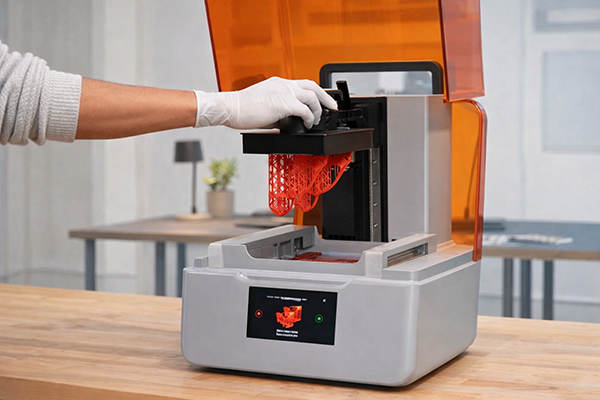
SLA/DLP Resin 3D Printing
Achieves ±25μm precision using UV-cured resins, ideal for dental models and microfluidic devices requiring sub-100μm details.
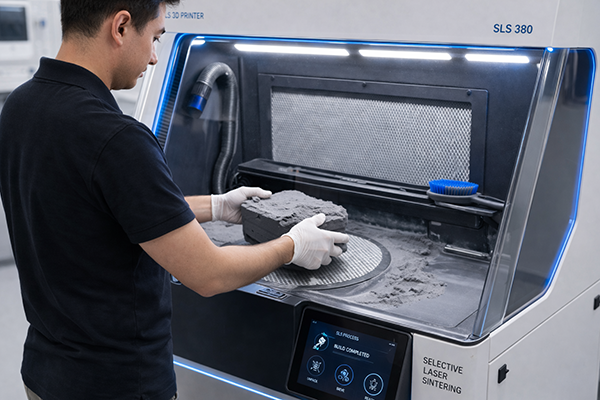
SLS Nylon 3D Printing
Produces complex geometries without supports. Common for nylon-based aerospace/automotive functional components.
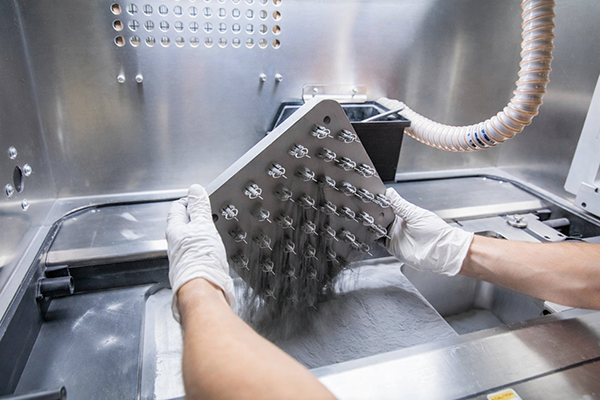
SLM/DMLS Metal 3D Printing
Produces >99.5% dense metal parts (Ti-6Al-4V, Inconel) for aerospace and medical implants with complex internal structures.
Our Powerful 3D Printing Parts
3D Printing Rapid Prototyping
- 10+ Years of 3D Printing Services
- Tolerances as good as ±0.0008 in (±0.02 mm)
- MOQ as low as only 1 pc
- Lead times as fast as 2 working days
3D Plastic Printing
- 10+ Years of 3D Printing Services
- Tolerances as good as ±0.0008 in (±0.02 mm)
- MOQ as low as only 1 pc
- Lead times as fast as 2 working days
3D Metal Printing
- 10+ Years of 3D Printing Services
- Tolerances as good as ±0.0008 in (±0.02 mm)
- MOQ as low as only 1 pc
- Lead times as fast as 2 working days
3D Printing Materials
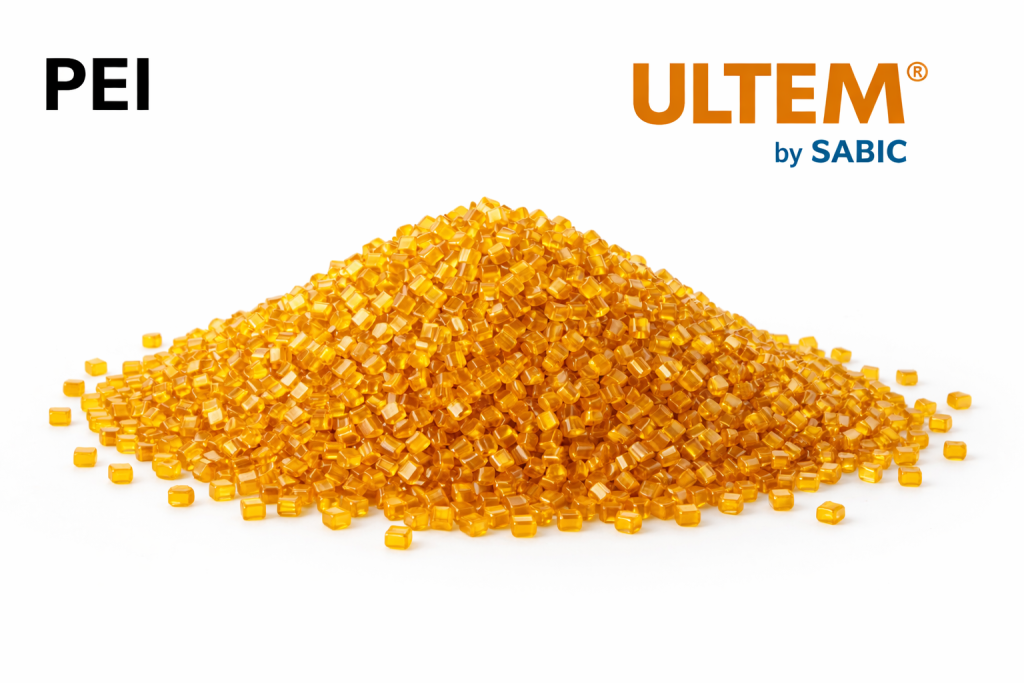
Processing 50+ industrial-grade filaments and resins including ABS-M30, ULTEM 1010, and medical-certified PEKK (ISO 13485). Specializing in carbon-fiber reinforced nylon (Onyx) and fire-retardant materials (UL94 HB) for functional prototypes and end-use parts with 0.1mm layer resolution.
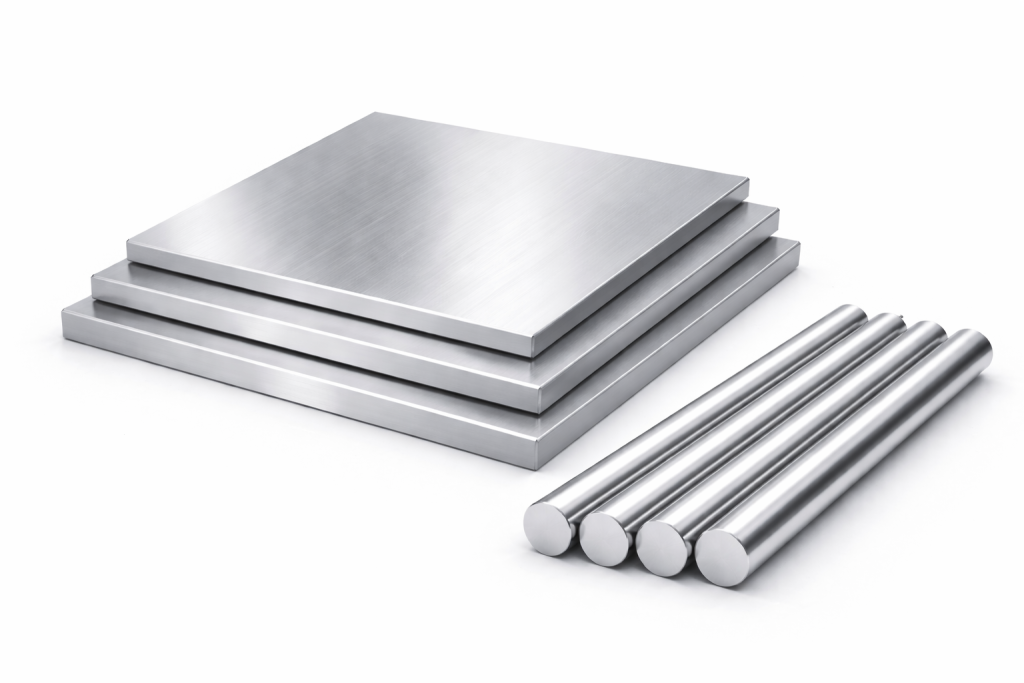
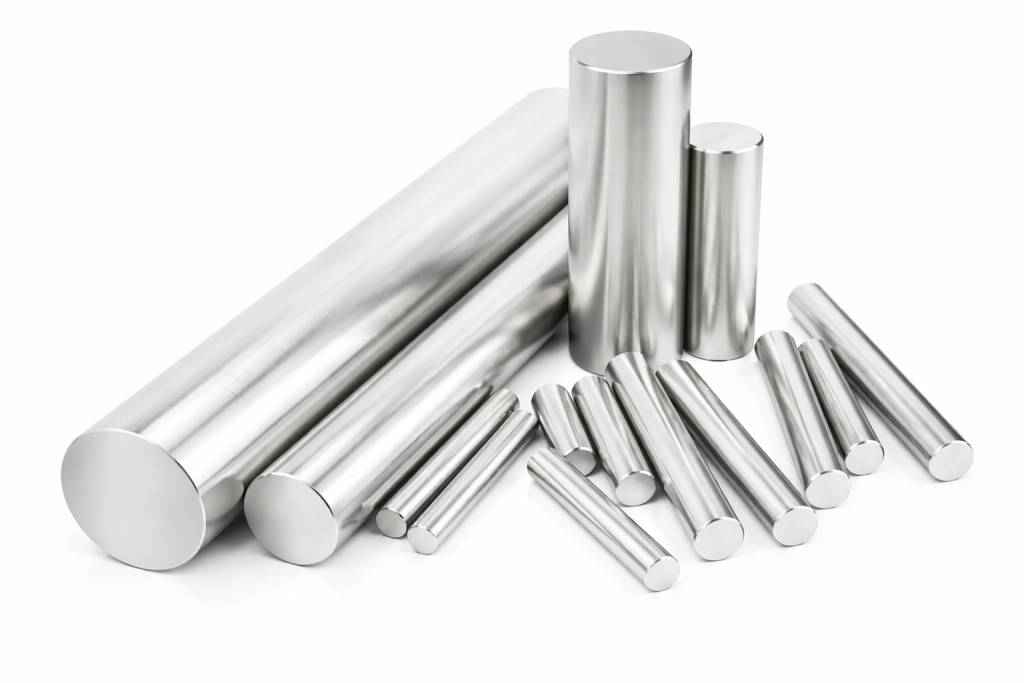
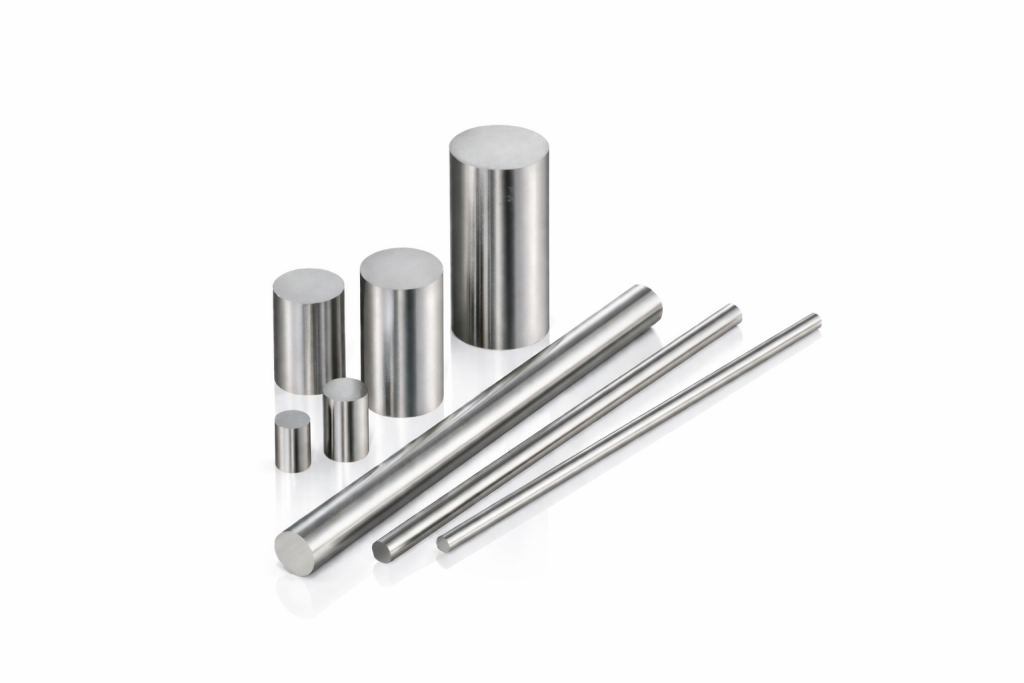
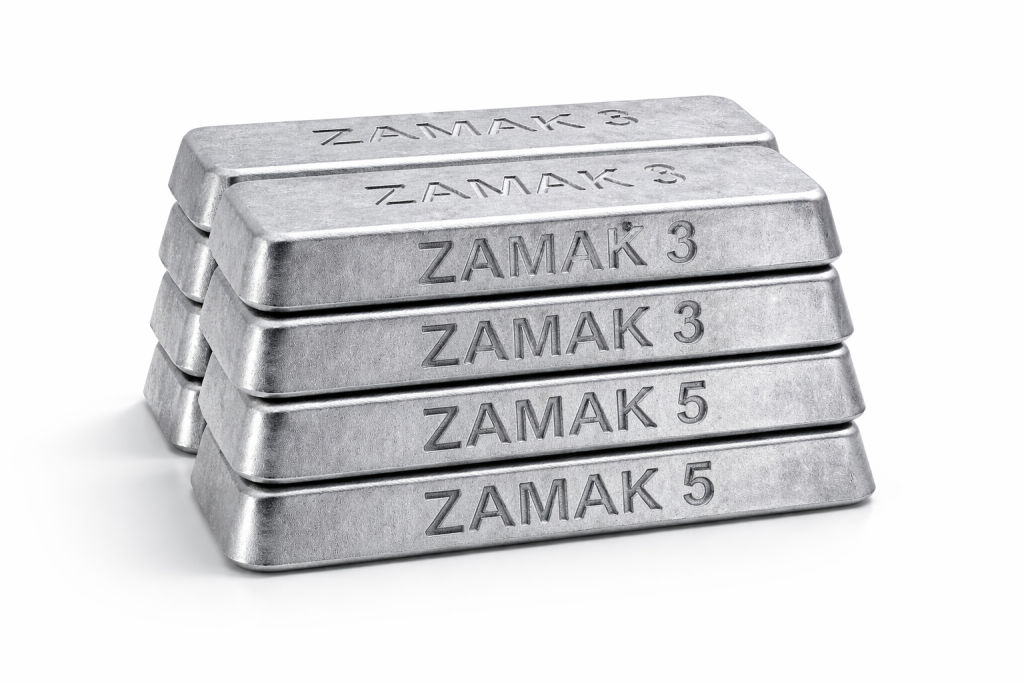
Metals
Lightweight, high thermal conductivity, Excellent Machinability, Superior Dimensional Stability, Tight-Tolerance Capable, Perfect for Complex CNC Milling and Turning.
Price: $0
Lead Time: < 5 days
Tolerances: ±0.005″ (±0.125mm)
Max part size: 200 cm x 80 cm x 100 cm
Extremely lightweight (67% aluminum density), good vibration damping, requires surface treatment.
Price: $0
Lead Time: < 10 days
Tolerances: ±0.005″ (±0.125mm)
Max part size: 200 cm x 80 cm x 100 cm
Excellent malleability, corrosion-resistant, decorative finishes, suitable for intricate stamped panels.
Price: $0
Lead Time:
Tolerances:
Max part size:
High electrical conductivity, soft yet work-hardening, requires annealing during multi-stage forming.
Price: $0
Lead Time:
Tolerances:
Max part size:

Cost-effective formability, high strength-to-weight ratio, requires anti-rust coating for exposed edges.
Price: $0
Lead Time:
Tolerances:
Max part size:
Corrosion-resistant, retains strength after welding, maintains integrity in harsh environments.
Price: $0
Lead Time:
Tolerances:
Max part size:
Aerospace-grade strength, biocompatible, seawater corrosion resistance, difficult to machine.
Price: $0
Lead Time: < 10 days
Tolerances: ±0.005″ (±0.125mm)
Max part size: 200 cm x 80 cm x 100 cm
Lightweight, high thermal conductivity, Excellent Machinability, Superior Dimensional Stability, Tight-Tolerance Capable, Perfect for Complex CNC Milling and Turning.
Price: $0
Lead Time: < 5 days
Tolerances: ±0.005″ (±0.125mm)
Max part size: 200 cm x 80 cm x 100 cm
Plastics
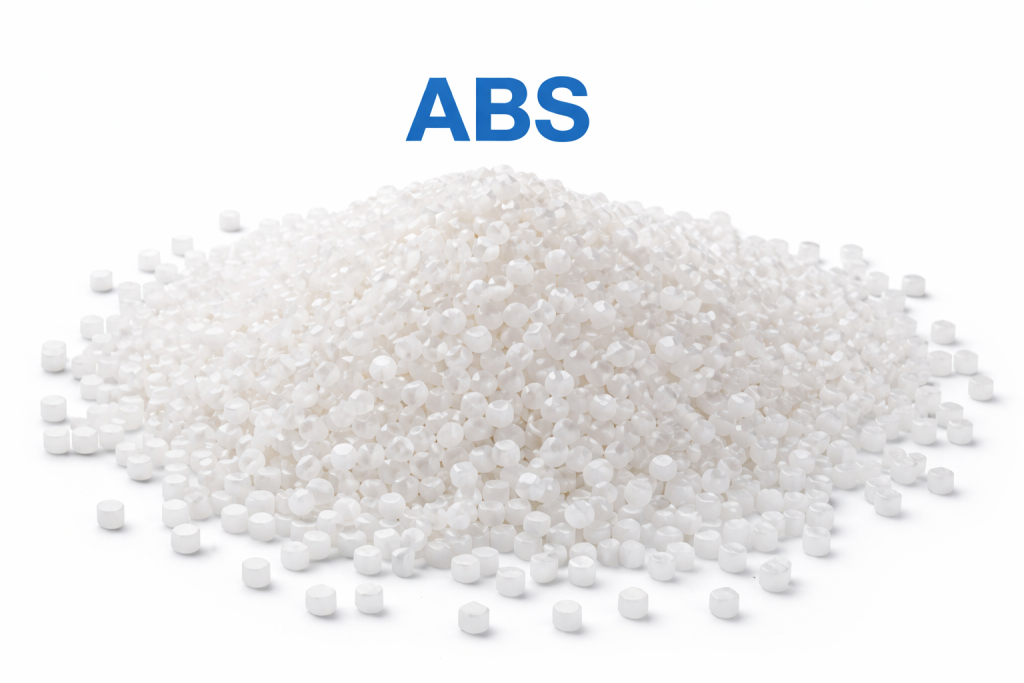
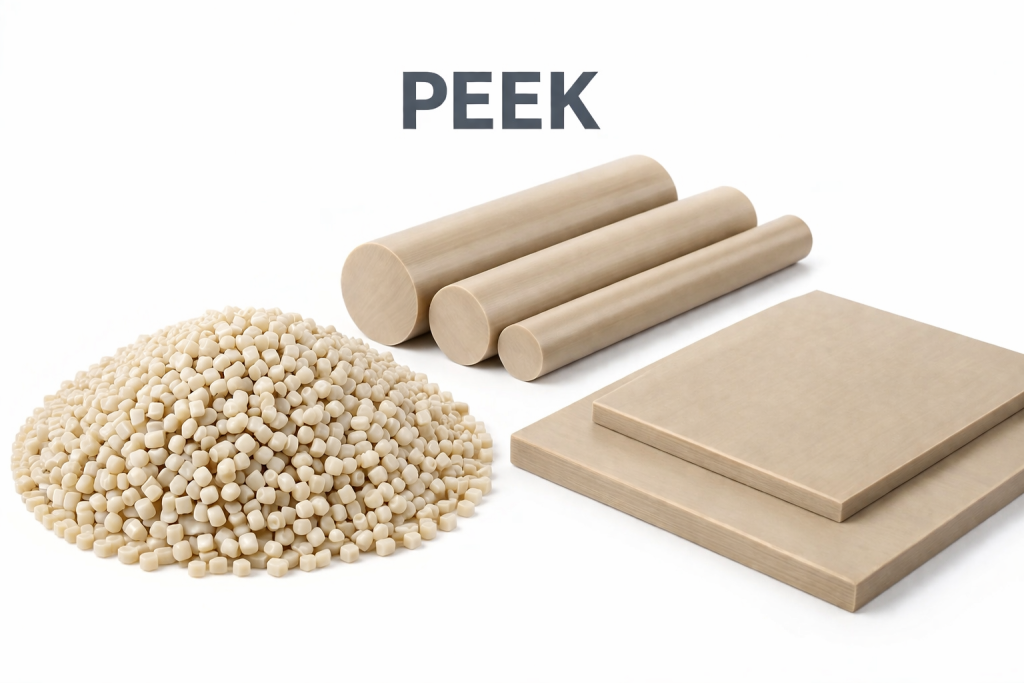
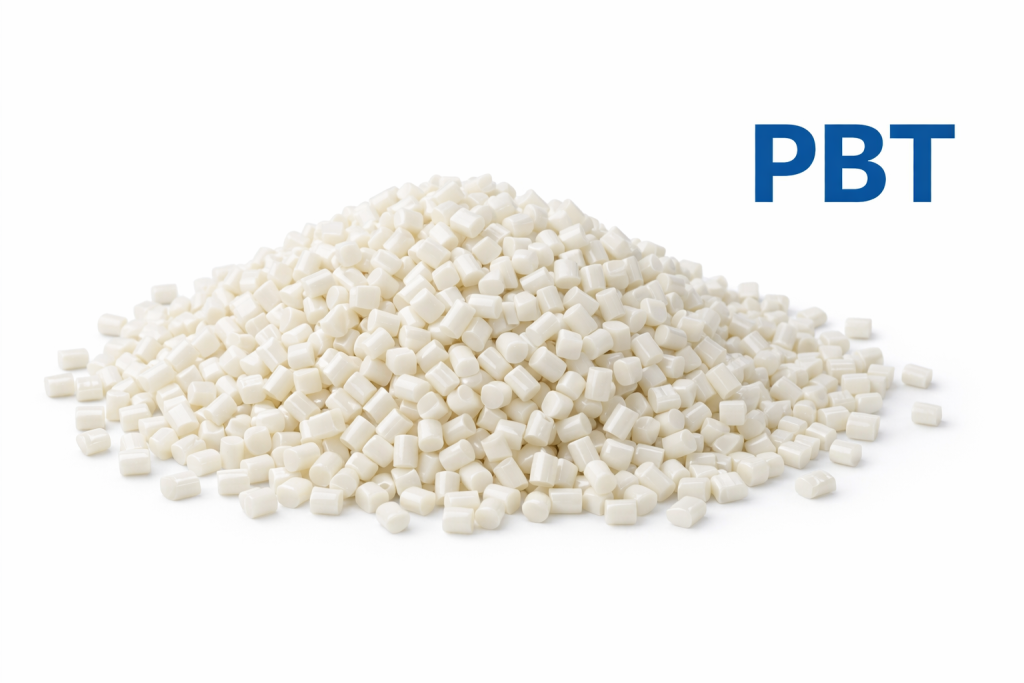
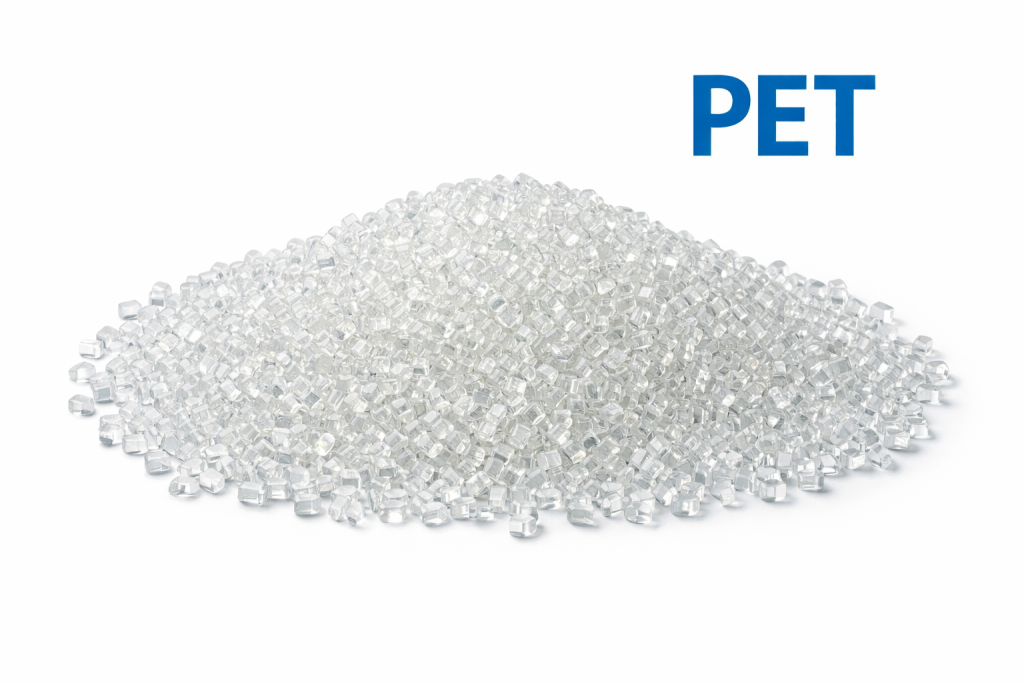
Fast-flowing melt, low shrinkage (0.4-0.7%), requires pre-drying (80°C/4h), ideal for automotive dashboards and consumer electronics housings.
Price: $0
Lead Time:
Tolerances:
Max part size:
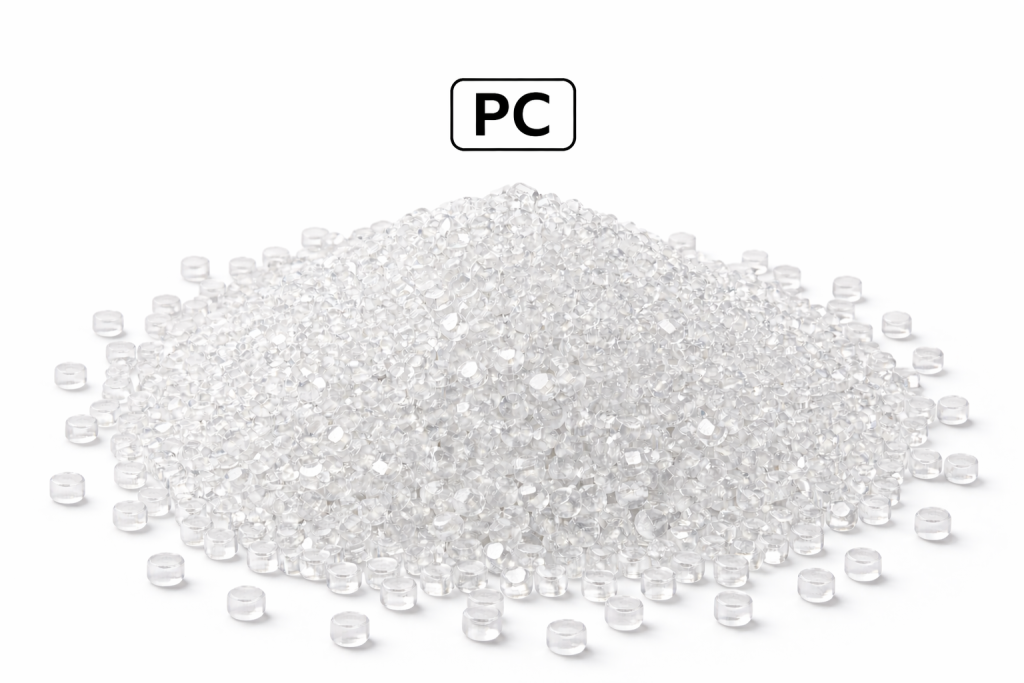
High melt viscosity (300-350°C processing), moisture-sensitive (0.02% max), optical-grade clarity for LED lenses and medical device components.
Price: $0
Lead Time:
Tolerances:
Max part size:
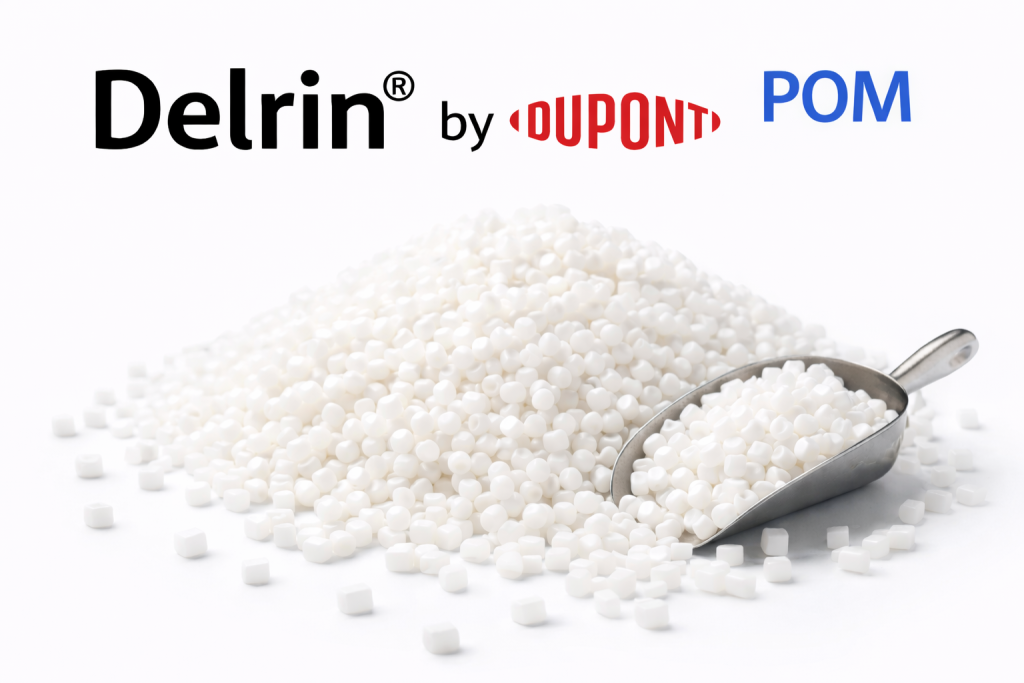
Crystallization-sensitive cooling (80-120°C mold), high dimensional stability, precision gears and fuel system valves.
Price: $0
Lead Time:
Tolerances:
Max part size:
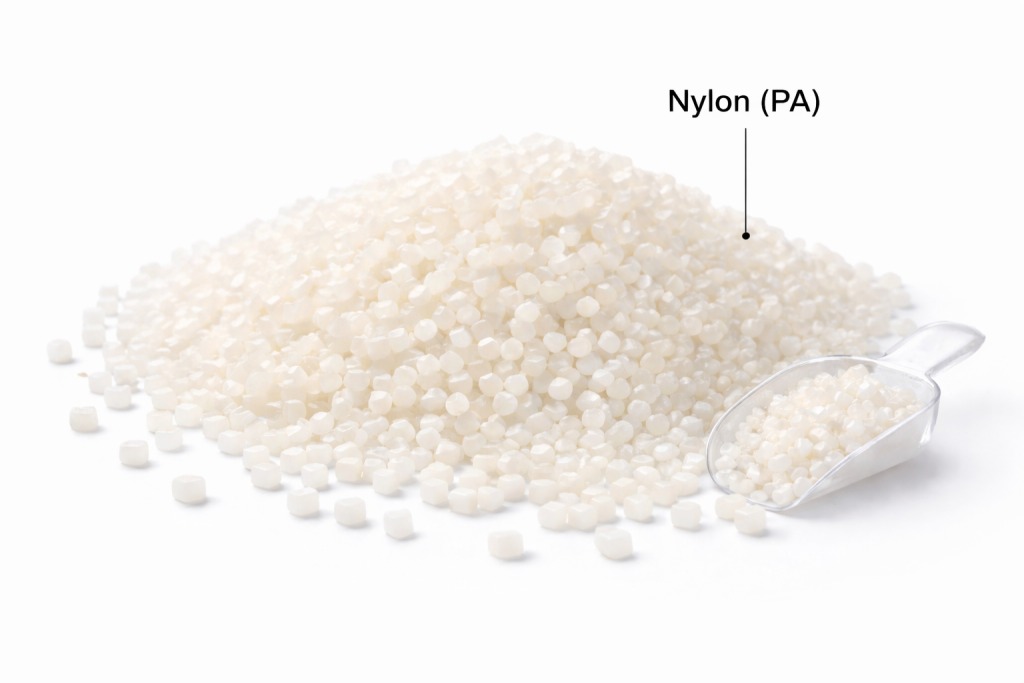
Moisture absorption (2.5-3.5%) requires post-molding annealing, self-lubricating bushings and automotive cable ties.
Price: $0
Lead Time:
Tolerances:
Max part size:
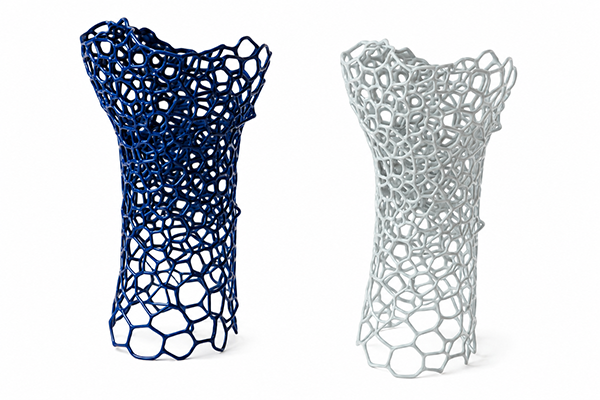
Extreme processing temps (380-400°C), low shrinkage (0.1-0.3%), aerospace bushings and surgical sterilization trays.
Price: $0
Lead Time:
Tolerances:
Max part size:
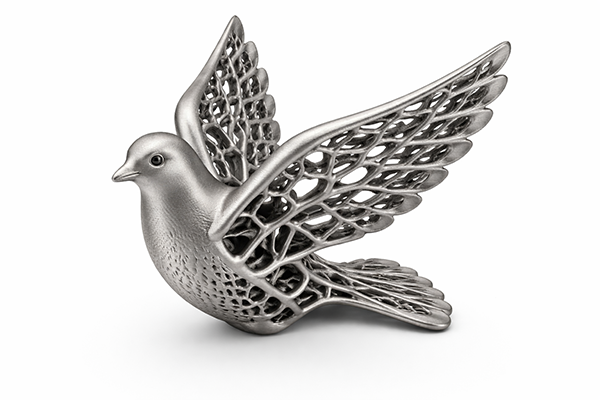
Heat distortion resistance (150°C), electrical insulation, glass-fiber reinforced automotive connectors.
Price: $0
Lead Time:
Tolerances:
Max part size:
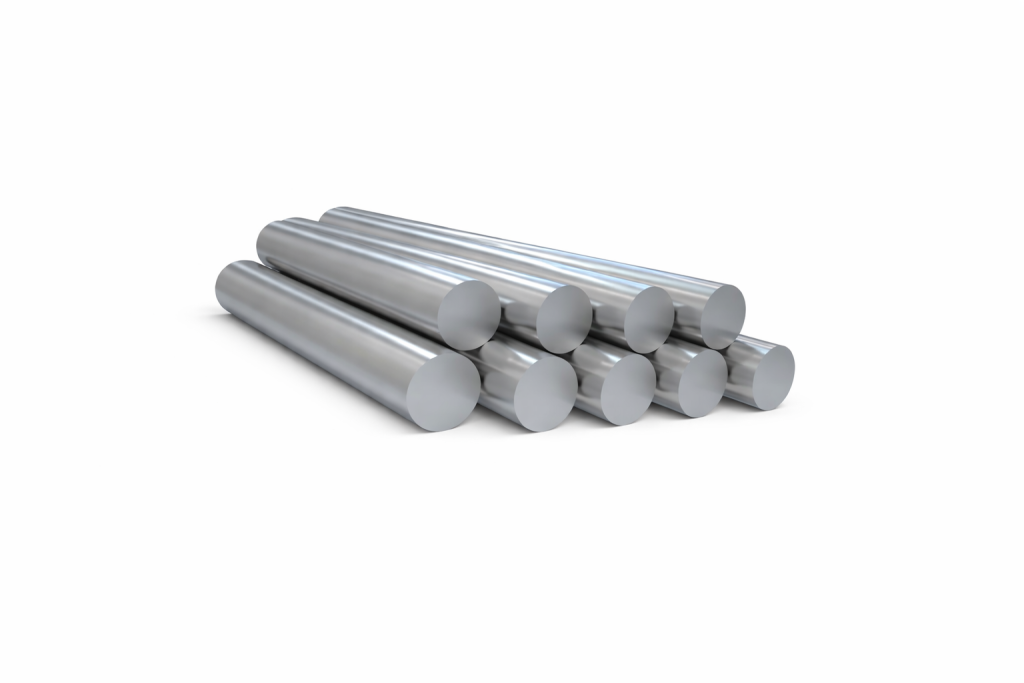
Aerospace-grade strength, biocompatible, seawater corrosion resistance, difficult to machine.
Price: $0
Lead Time: < 10 days
Tolerances: ±0.005″ (±0.125mm)
Max part size: 200 cm x 80 cm x 100 cm
Lightweight, high thermal conductivity, Excellent Machinability, Superior Dimensional Stability, Tight-Tolerance Capable, Perfect for Complex CNC Milling and Turning.
Price: $0
Lead Time: < 5 days
Tolerances: ±0.005″ (±0.125mm)
Max part size: 200 cm x 80 cm x 100 cm
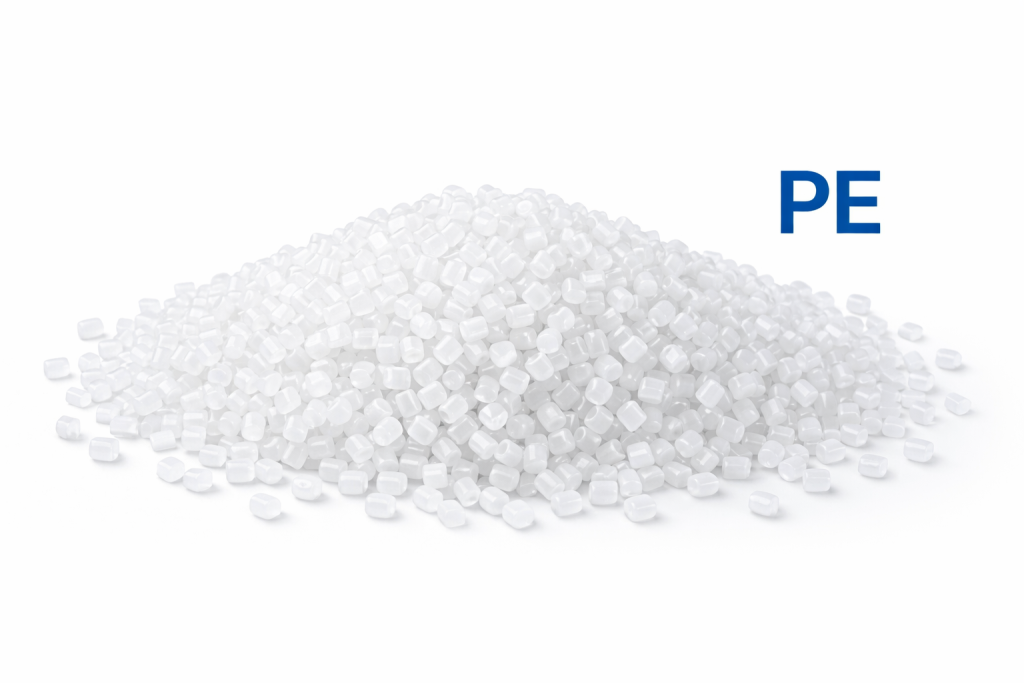
Low melt strength (LDPE: 160-240°C), high flow rate for thin-wall containers and chemical-resistant pipeline fittings.
Price: $0
Lead Time:
Tolerances:
Max part size:
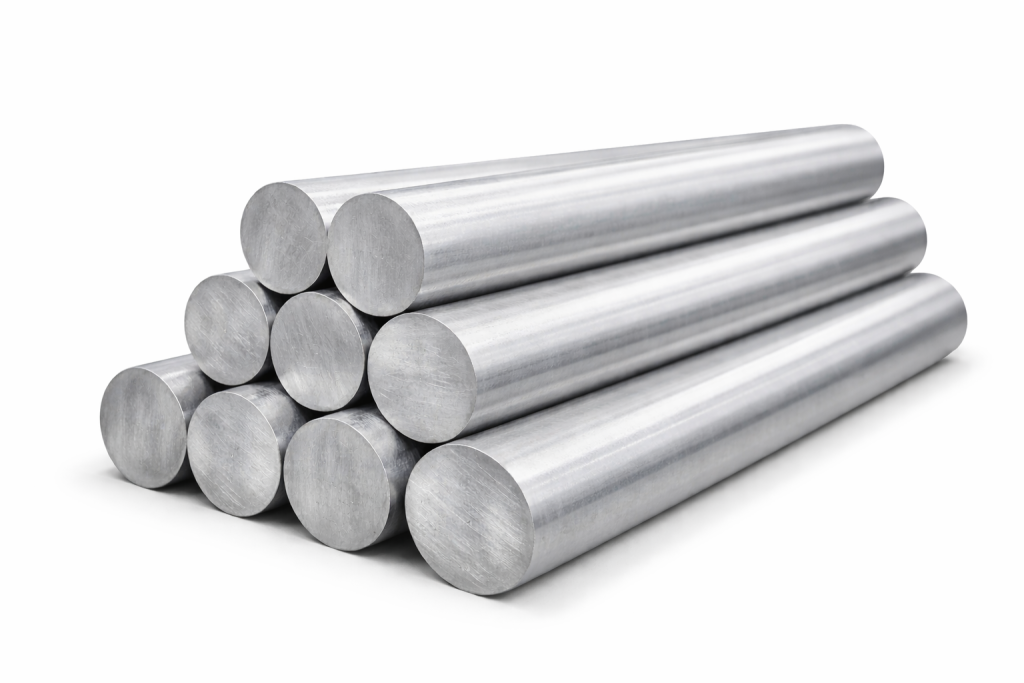
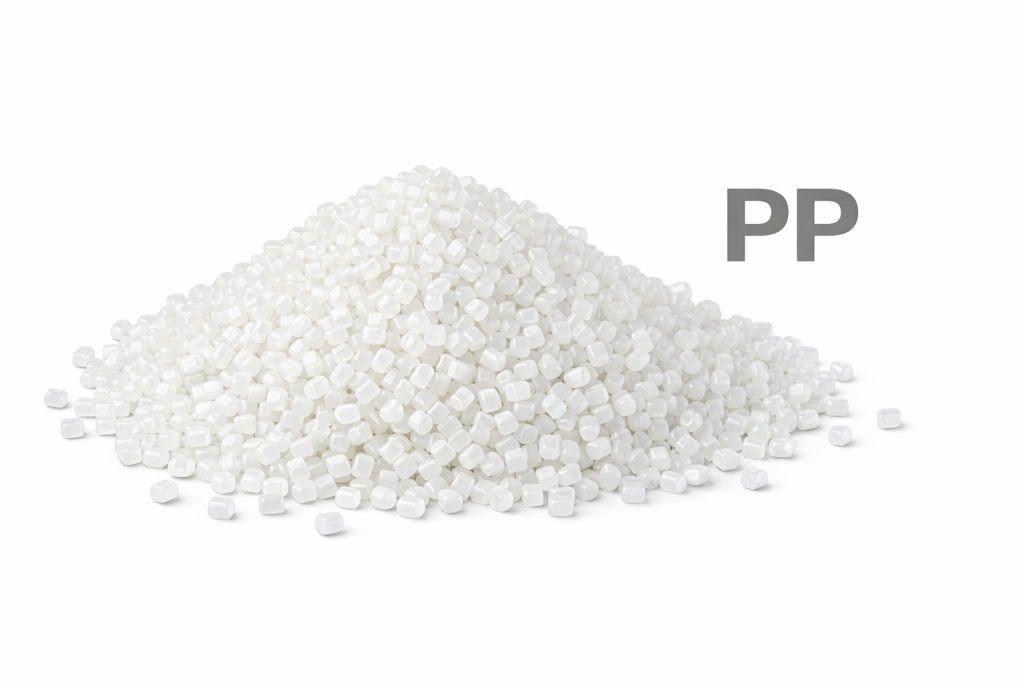
Low density (0.9g/cm³), living hinge capability, disposable syringes and automotive HVAC ducts.
Price: $0
Lead Time:
Tolerances:
Max part size:
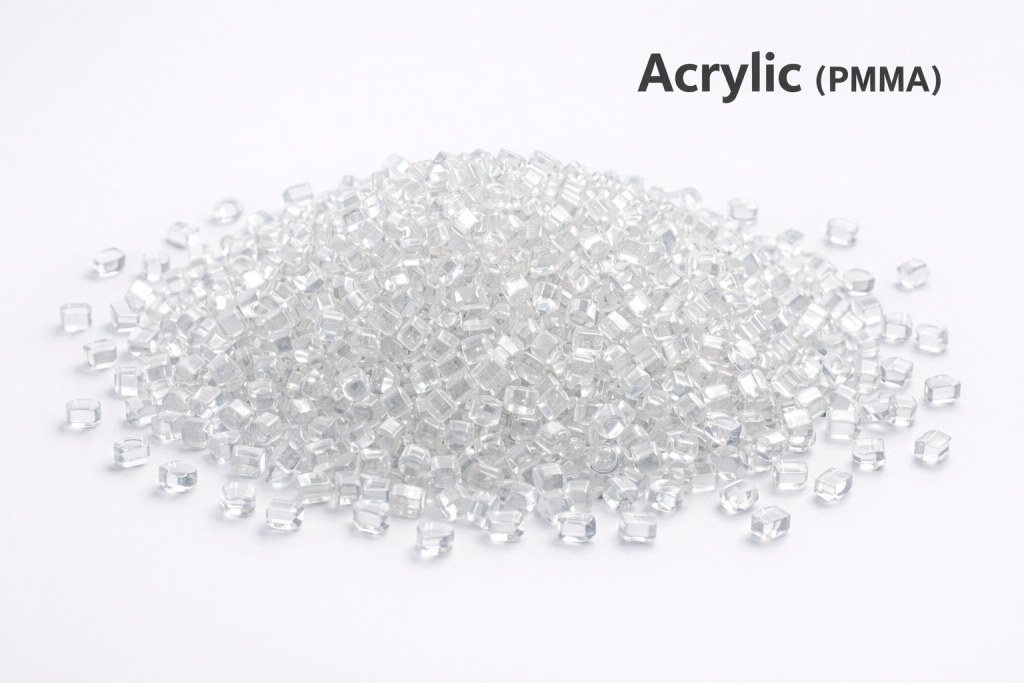
High mold temperature (60-80°C) reduces internal stress, low warpage, replaces glass in automotive taillights and cosmetic packaging.
Price: $0
Lead Time:
Tolerances:
Max part size:
3D Printing Standards
Surface Finishes by Material
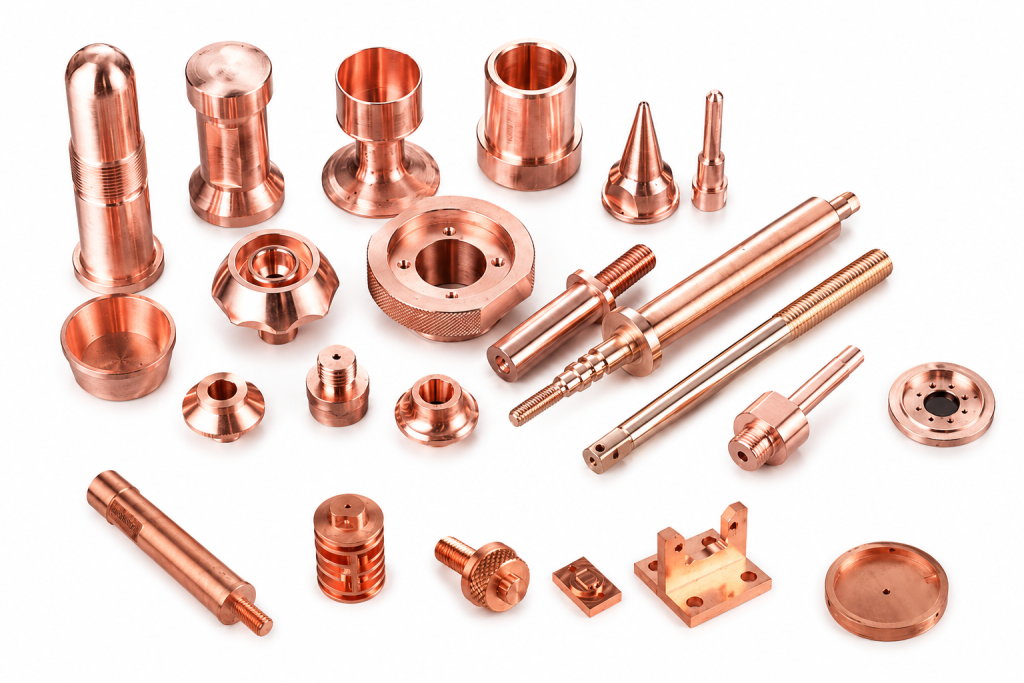
Different materials require different finishing processes. Explore the most suitable surface finishes for aluminum, stainless steel, titanium, brass, copper, engineering plastics, and more to achieve the ideal balance of protection, appearance, and performance.
What is 3D Printing?How Does 3D Printing Work?
3D Printing, also known as additive manufacturing, is a process of creating three-dimensional objects by depositing material layer-by-layer based on a digital model (CAD file). Unlike traditional subtractive methods, it builds parts directly from materials such as plastics, metals, ceramics, or composites, enabling complex geometries and customized designs. Widely used for prototyping, tooling, and end-use parts, it revolutionizes industries like healthcare, aerospace, and automotive with its flexibility and rapid production capabilities.
- Digital Design & Preparation:A 3D model is created using CAD software or 3D scanning, then sliced into thin horizontal layers (0.05–0.3 mm thick) using slicing software.The file is uploaded to the 3D printer, and parameters (e.g., layer height, temperature) are set based on material and design requirements.
- Material Deposition:Fused Deposition Modeling (FDM): Thermoplastic filaments (e.g., ABS, PLA) are heated and extruded through a nozzle, building layers on a print bed.Stereolithography (SLA): UV lasers cure liquid resin layer-by-layer to form high-resolution parts.Selective Laser Sintering (SLS): Lasers fuse powdered materials (nylon, metal) into solid structures.
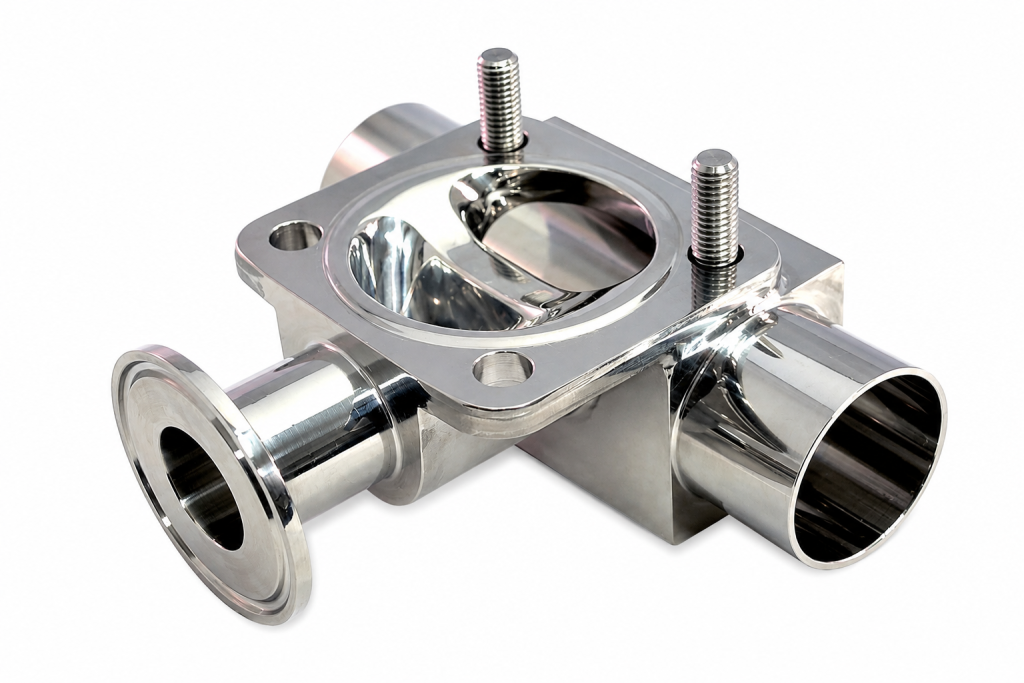
- Layer Bonding & Solidification:Each layer fuses with the previous one through heat, light, or chemical bonding, gradually forming the final object.Support structures (for overhangs) are added and later removed during post-processing.
- Post-Processing:Parts are cleaned (e.g., excess powder removal, resin rinsing) and polished, painted, or heat-treated for enhanced durability and aesthetics.Machining or assembly may be required for multi-component systems.
Success Stories of 3D Printing Projects
FAQs
What should be considered in 3D printing?
Key 3D printing considerations include material selection (PLA, ABS, resin), build orientation, layer resolution (50-300 microns), and post-processing
requirements. Our engineering team provides comprehensive DFM analysis to optimize your design for specific additive manufacturing
technologies (FDM, SLA, SLS).
What are the applications of 3D printing?
3D printing serves critical functions across multiple sectors: aerospace (lightweight components), automotive (rapid prototyping), medical (custom
prosthetics), industrial (jigs/fixtures), and construction (architectural models). The technology enables cost-effective production of complex geometries
unachievable through traditional manufacturing.
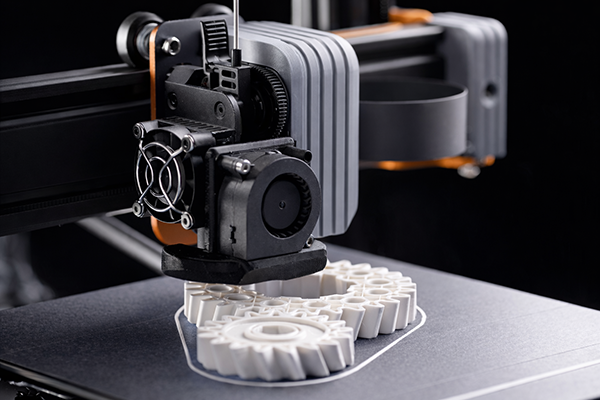
What is the structure of a 3D printer?
A 3D printer’s core components include the frame, print bed, extruder assembly (hot end and cold end), motion control system (stepper motors and
linear rails), and control electronics. These elements work synergistically to transform digital models into physical objects through additive
manufacturing processes.