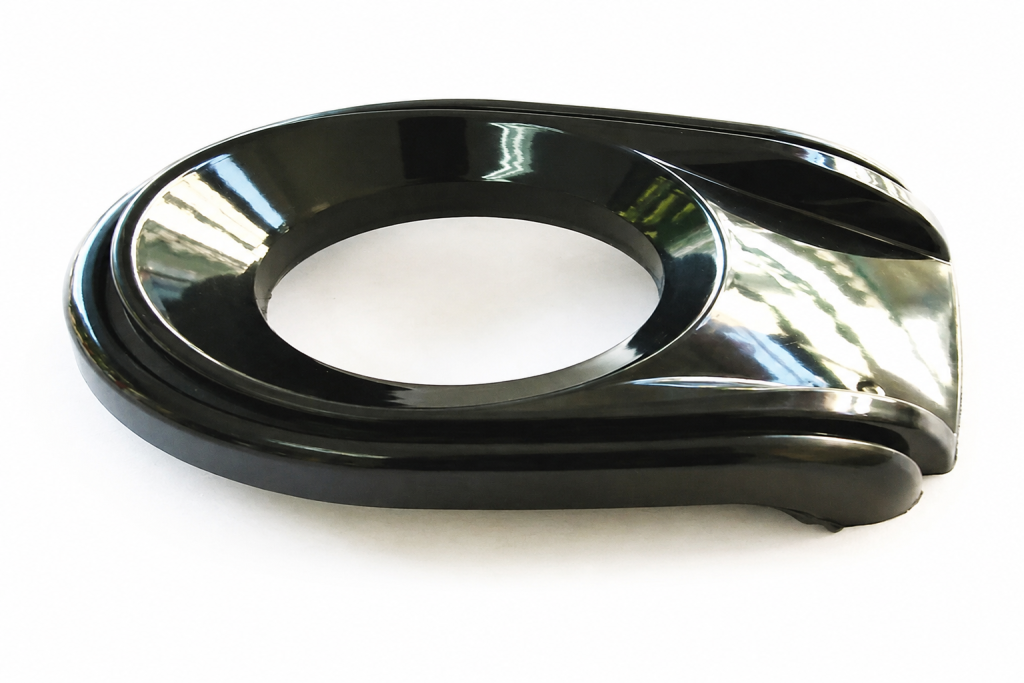
Advanced Sheet Metal Stamping Solutions

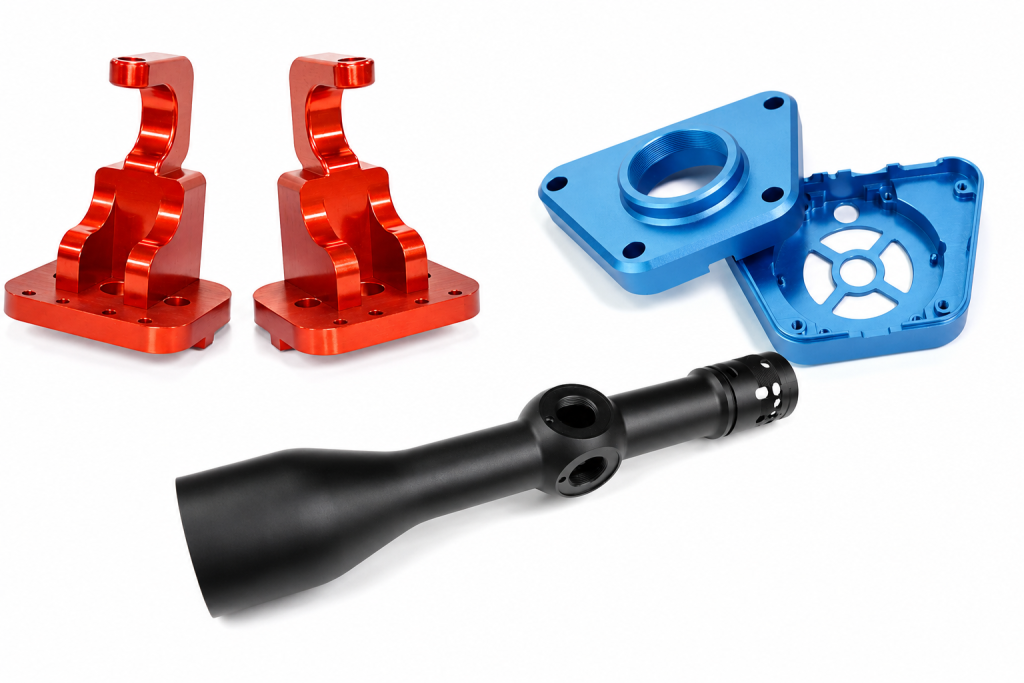
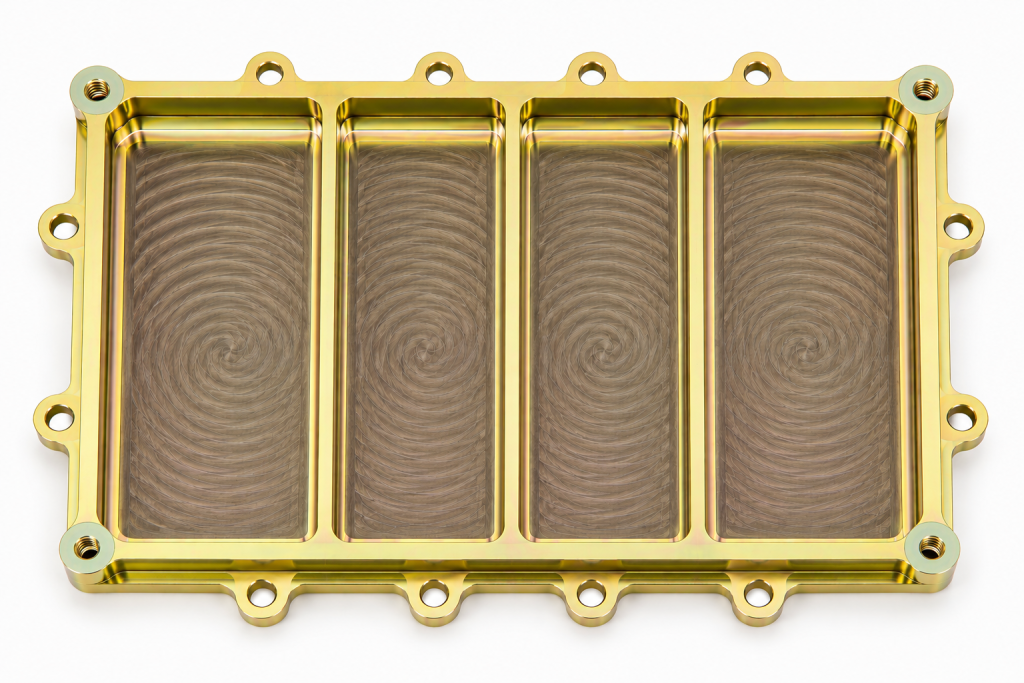
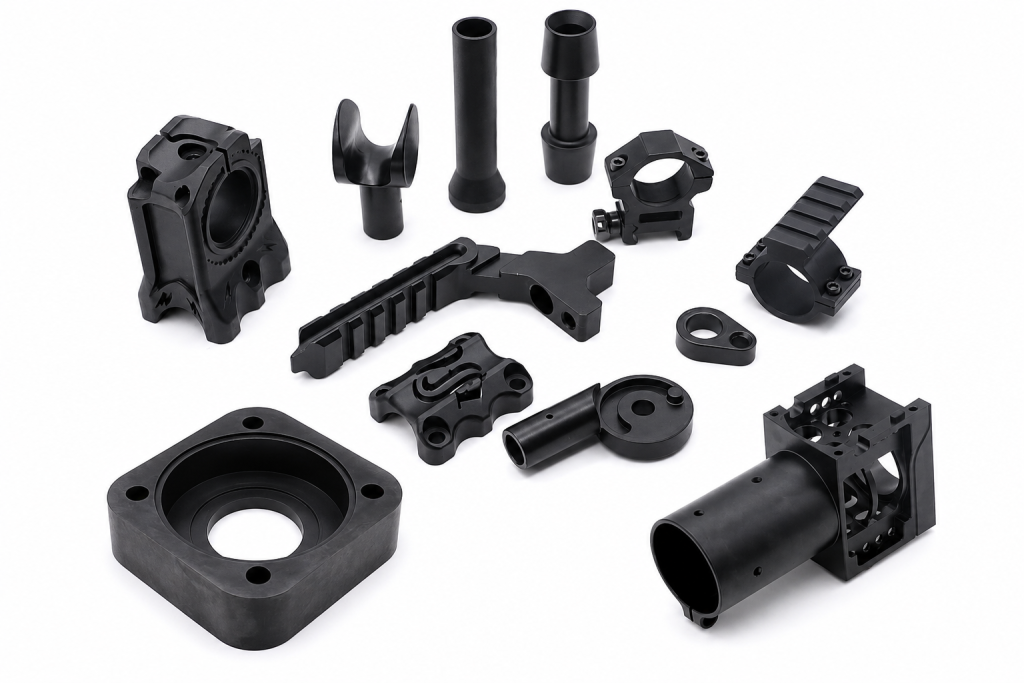
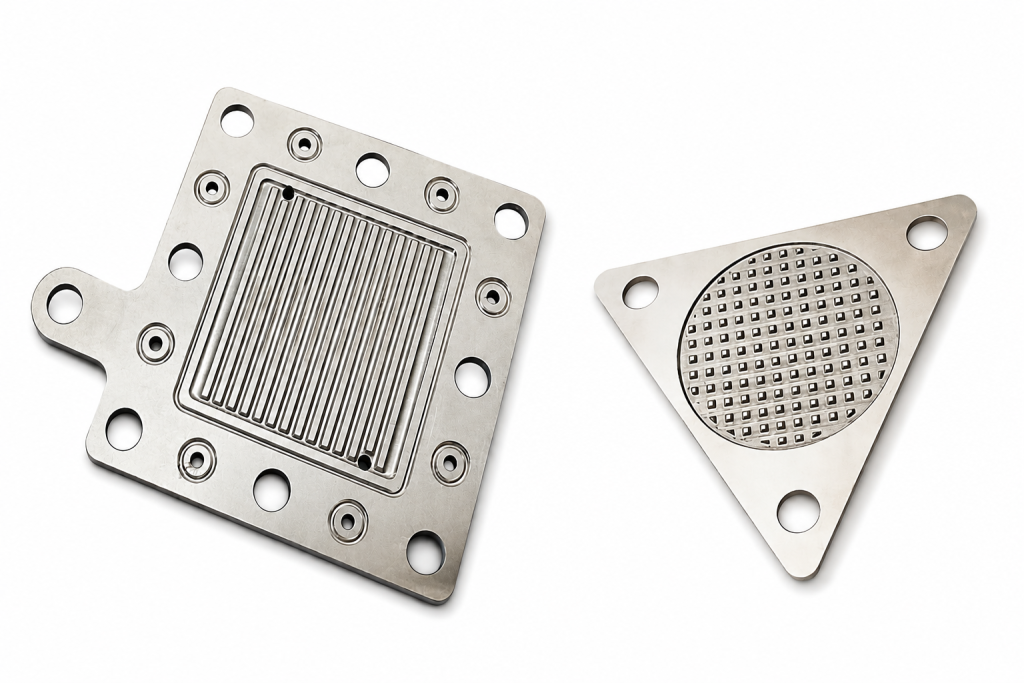
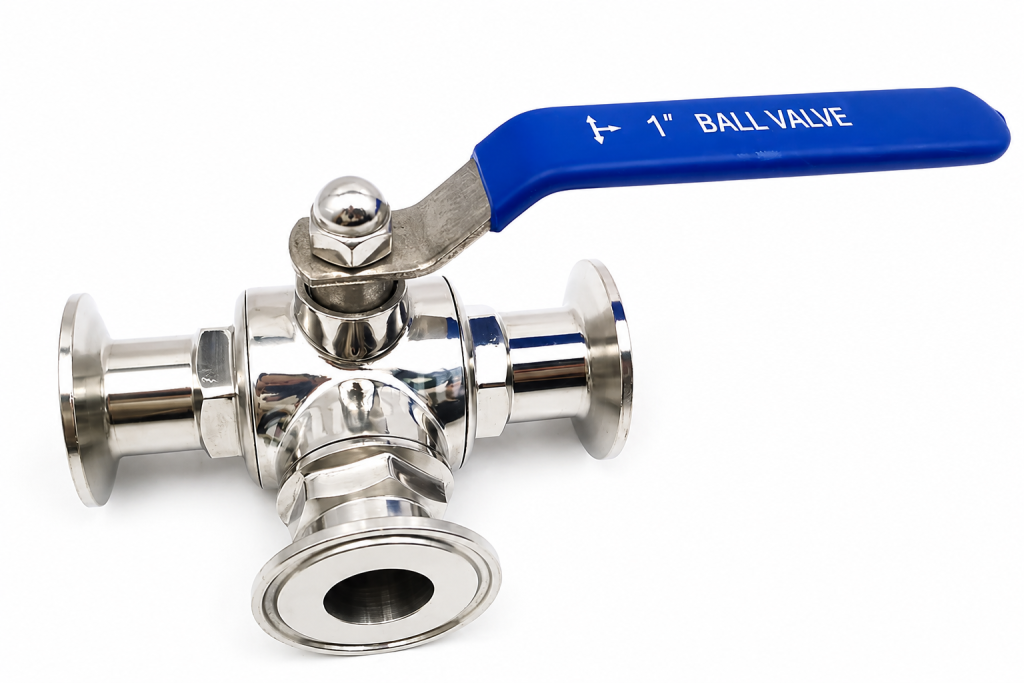
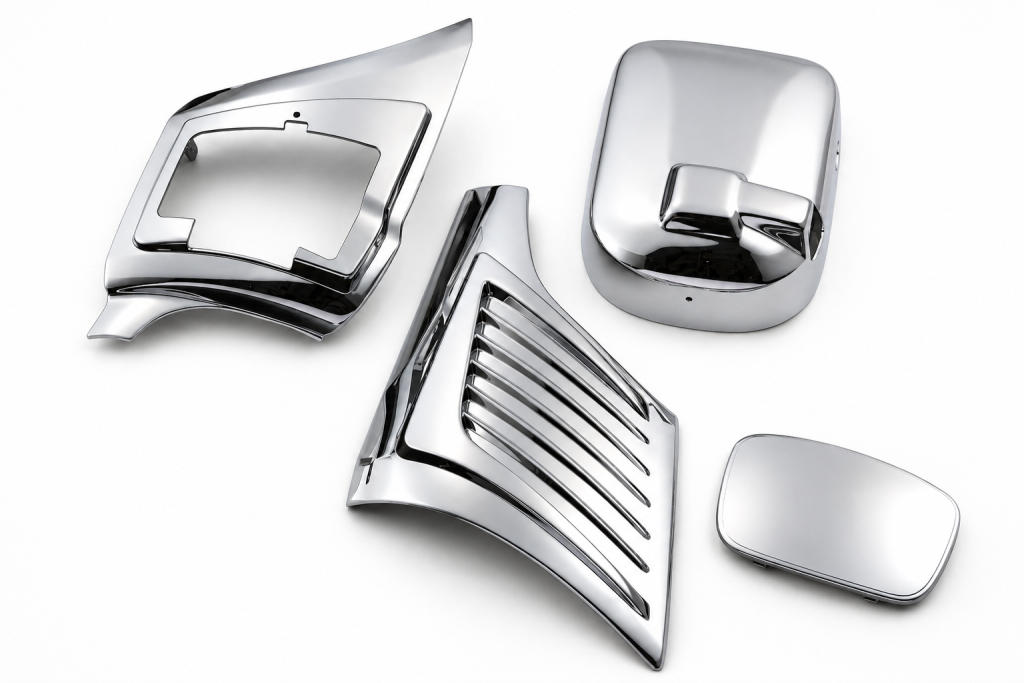
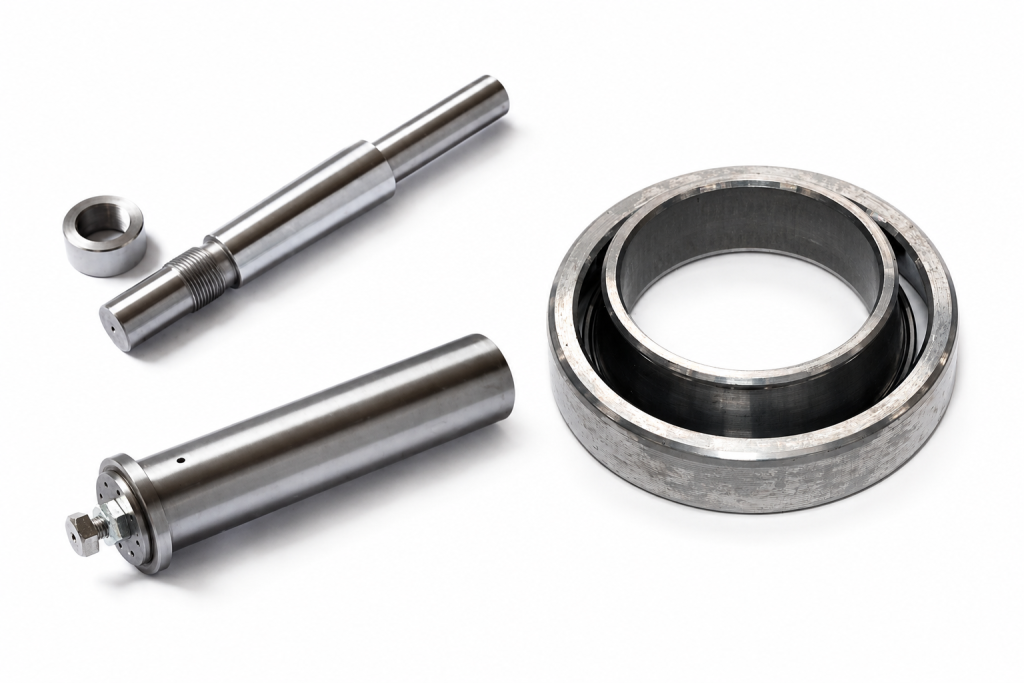
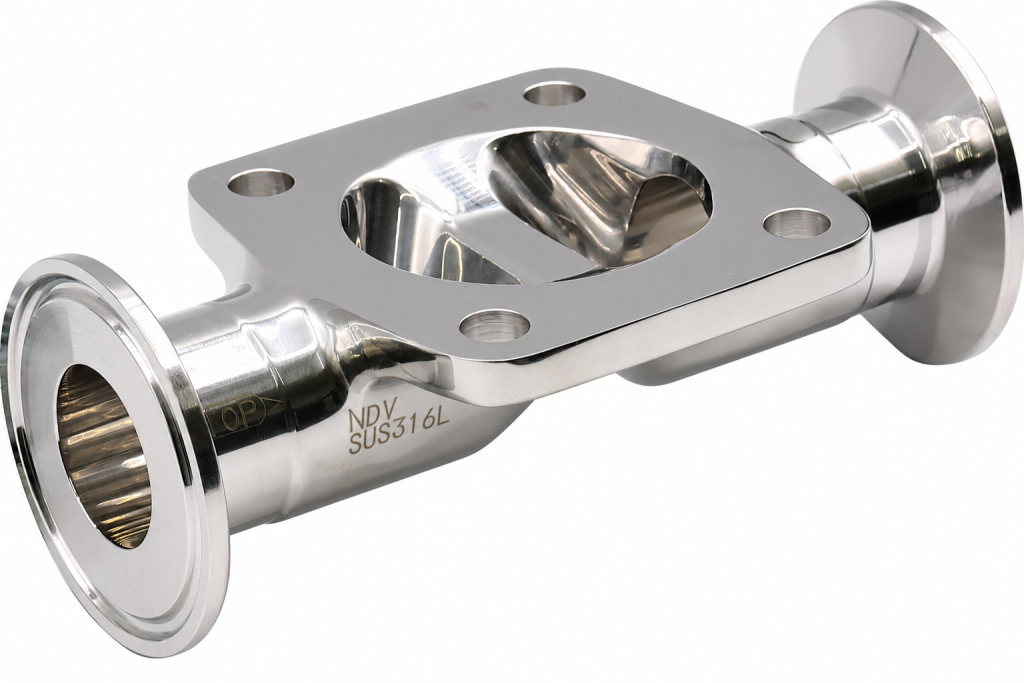
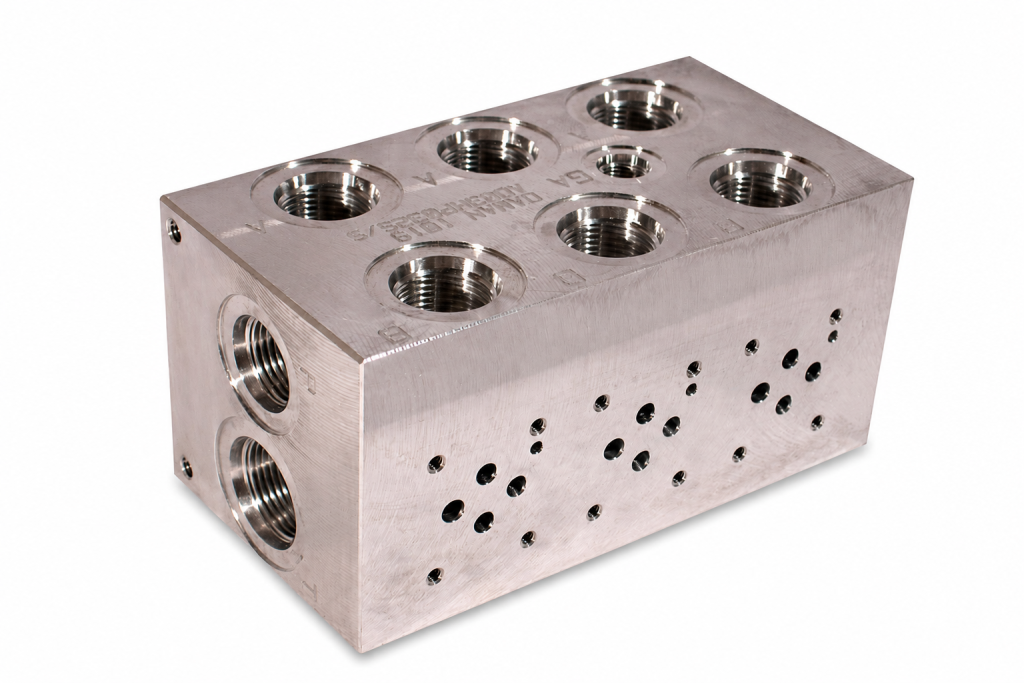
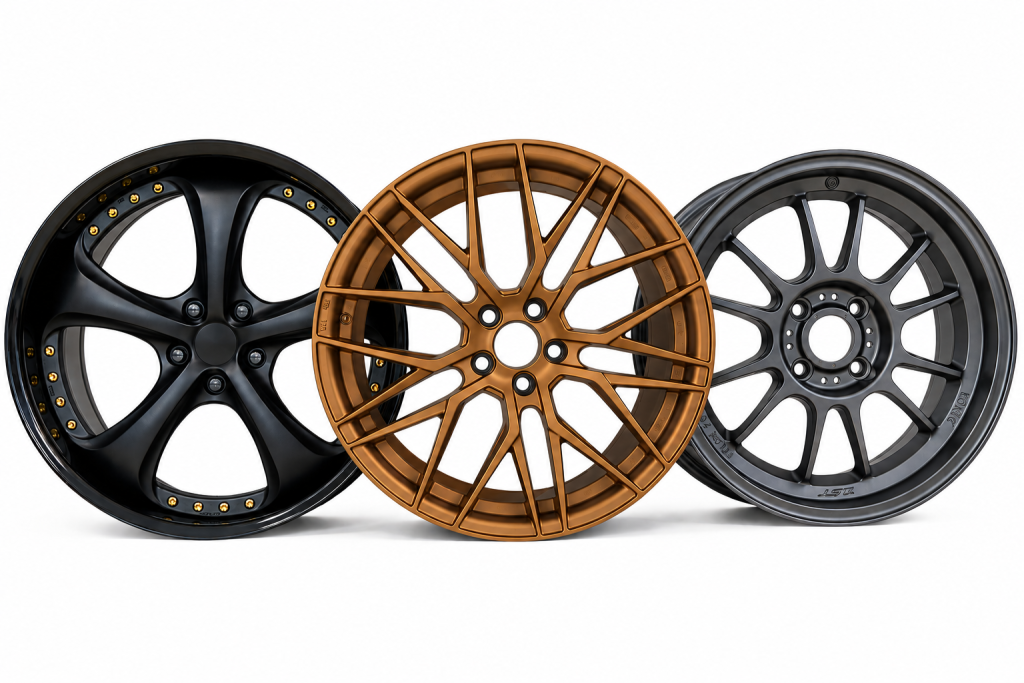
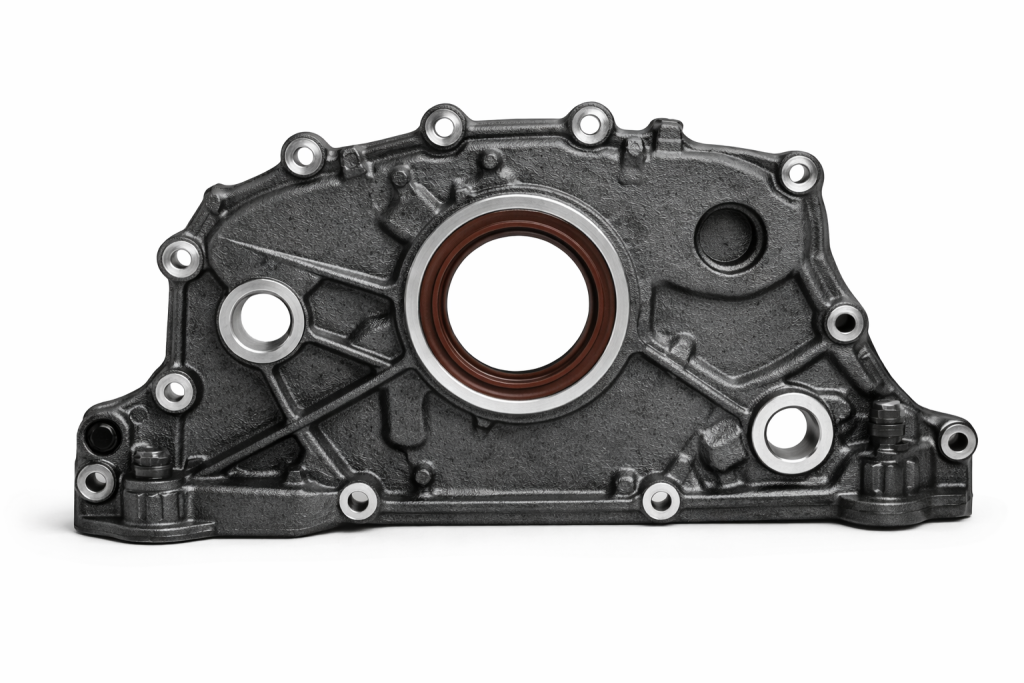
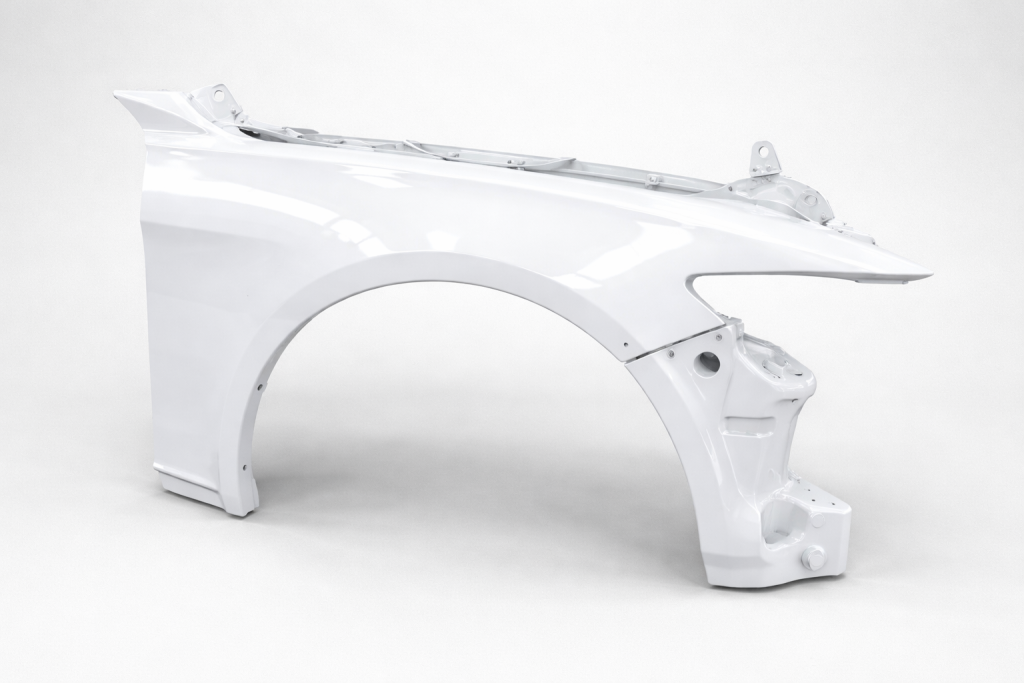
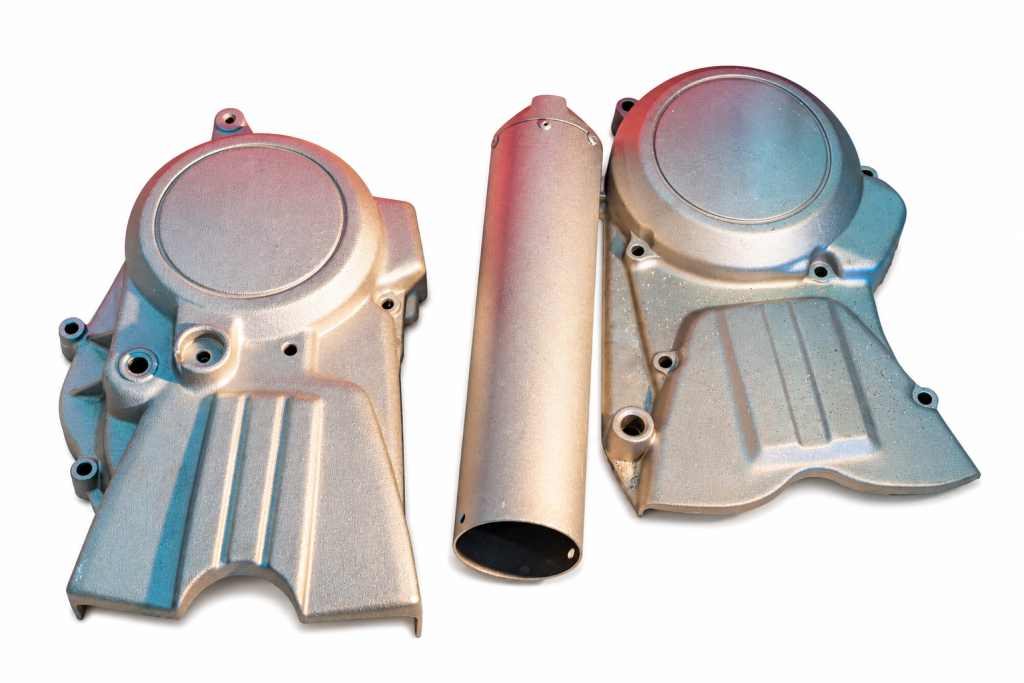
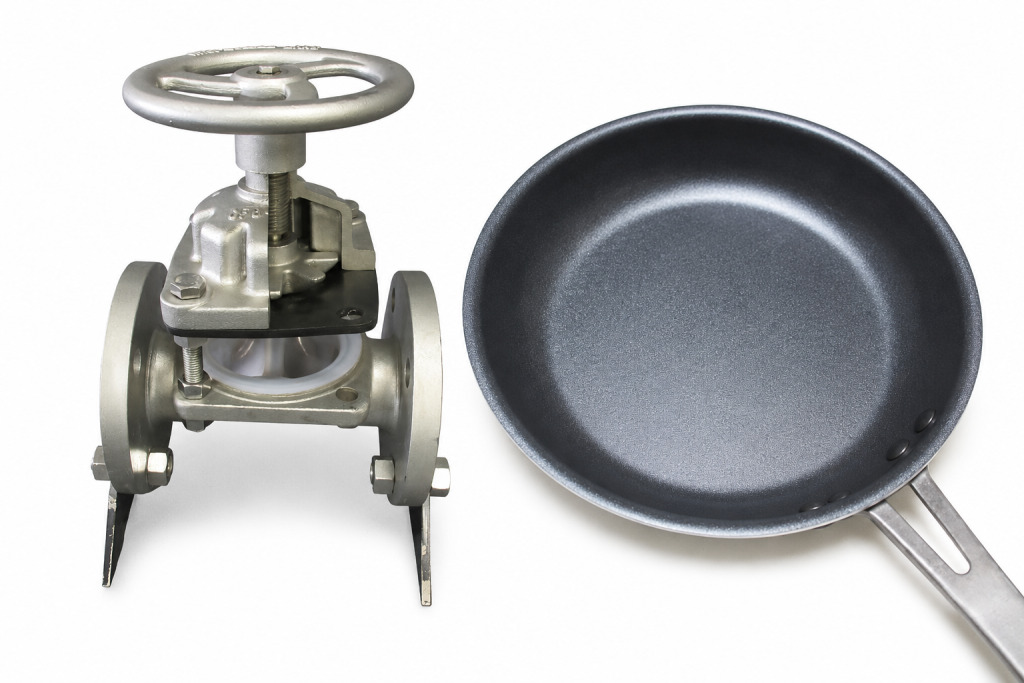
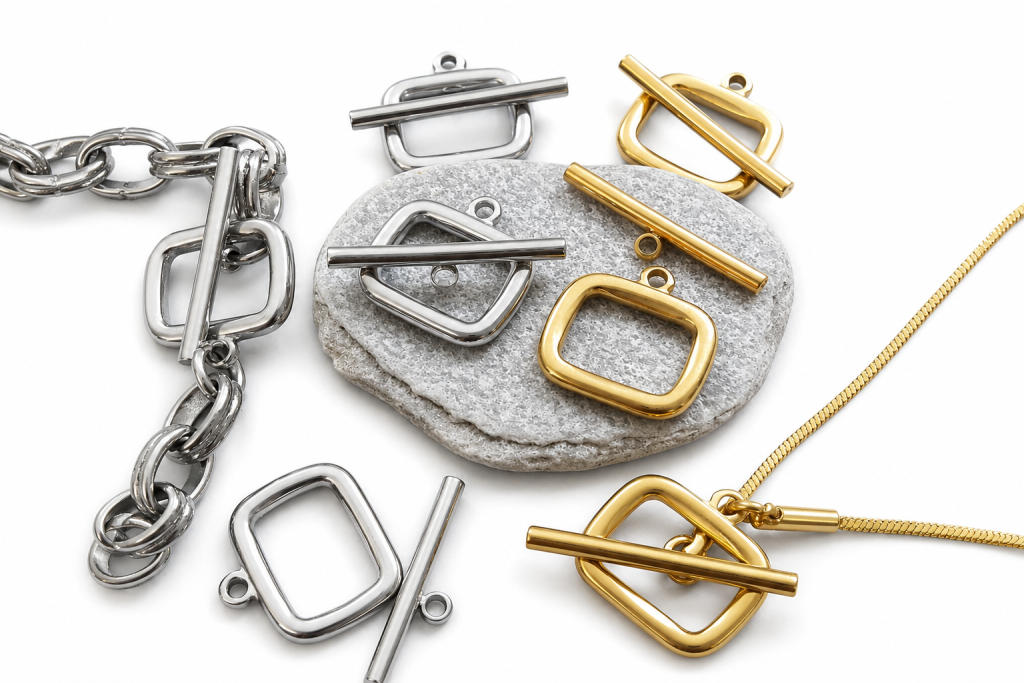
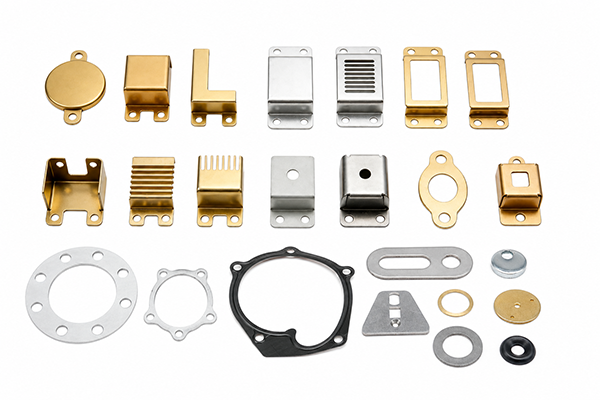
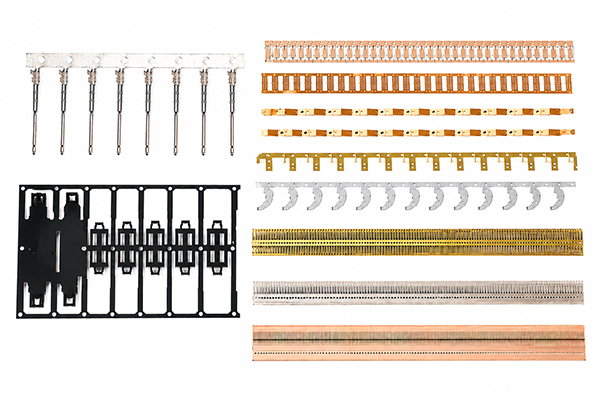
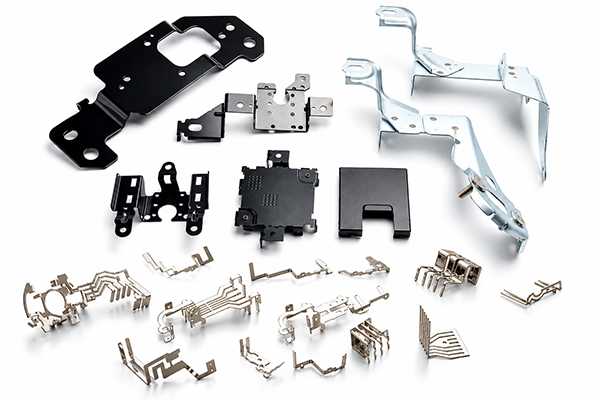
Metal Stamping dominates automotive, electronics, and appliance industries for high-volume production. Typical parts:

Start A New Metal Stamping Quote

Drag and drop file here or click the button below or
STEP | STP I SLDPRT I IPT I PRT I SAT FLES
All uploads are secure and confidential.

Advanced Manufacturing Capabilities

Integrating Engineering Expertise, Advanced Manufacturing Processes, and Flexible Production Capabilities to Support Product Development from Initial Prototypes to Scalable Production.

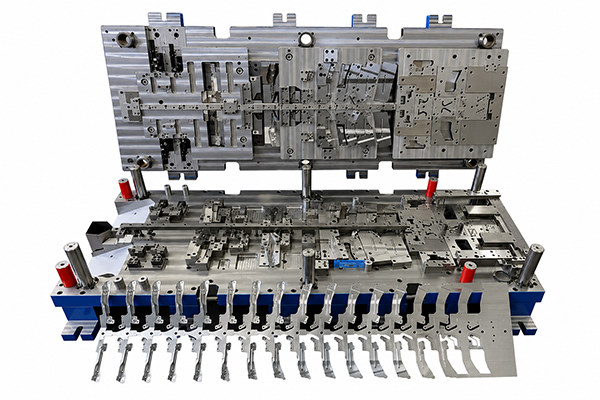
Single-Operation Die Stamping

Performs one forming or punching operation per press stroke, providing flexibility for simple parts, rapid tooling changes, and cost-effective production with consistent dimensional accuracy.

Progressive Die Stamping

Employs automated multi-stage dies for high-volume production, enabling simultaneous feature creation with reduced cycle time, lower costs, and excellent repeatability.

Compound Die Stamping

Combines operations in a single press cycle, enabling efficient small/medium batch production with precise forming and excellent dimensional stability.

Metal Stamping Mass Production

Supports scalable metal stamping with automated workflows, delivering dependable output, optimized manufacturing efficiency, and stable supply for large-volume production.

Our Powerful Metal Stamping Parts

Producing high-volume stamped parts (up to 1M+ monthly), our progressive and transfer dies maintain ±0.05mm tolerances on 0.2-6mm materials. With 20+ stamping presses (50-800T), we manufacture electrical contacts, washers, and automotive components with secondary operations like tapping and deburring included.
Single-Operation Die Stamping Parts
Progressive Die Stamping Parts
Compound Die Stamping Parts

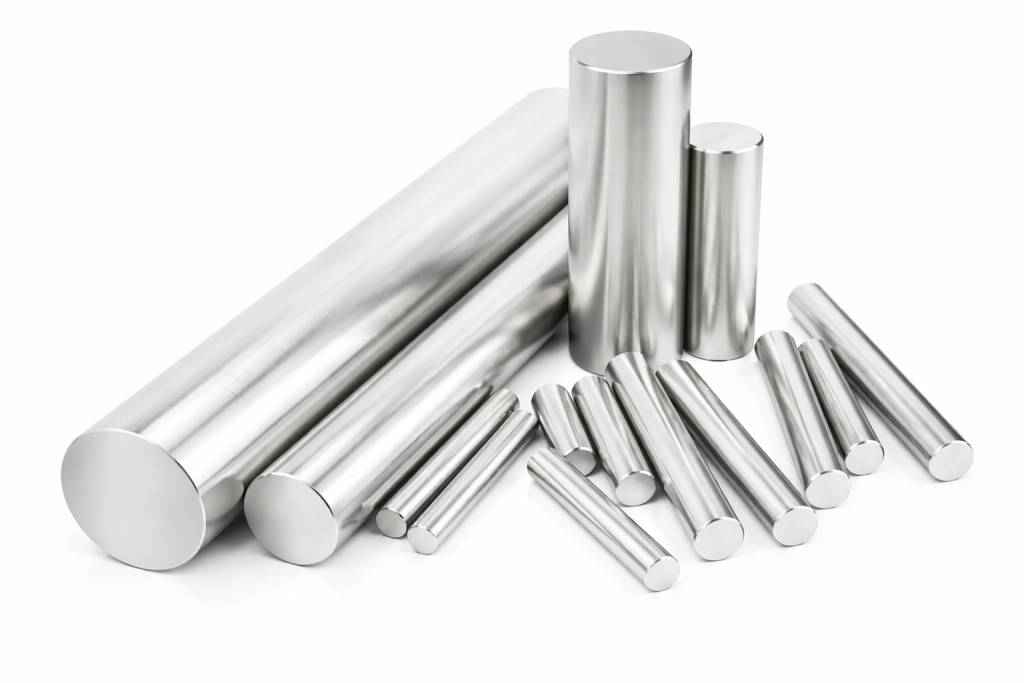
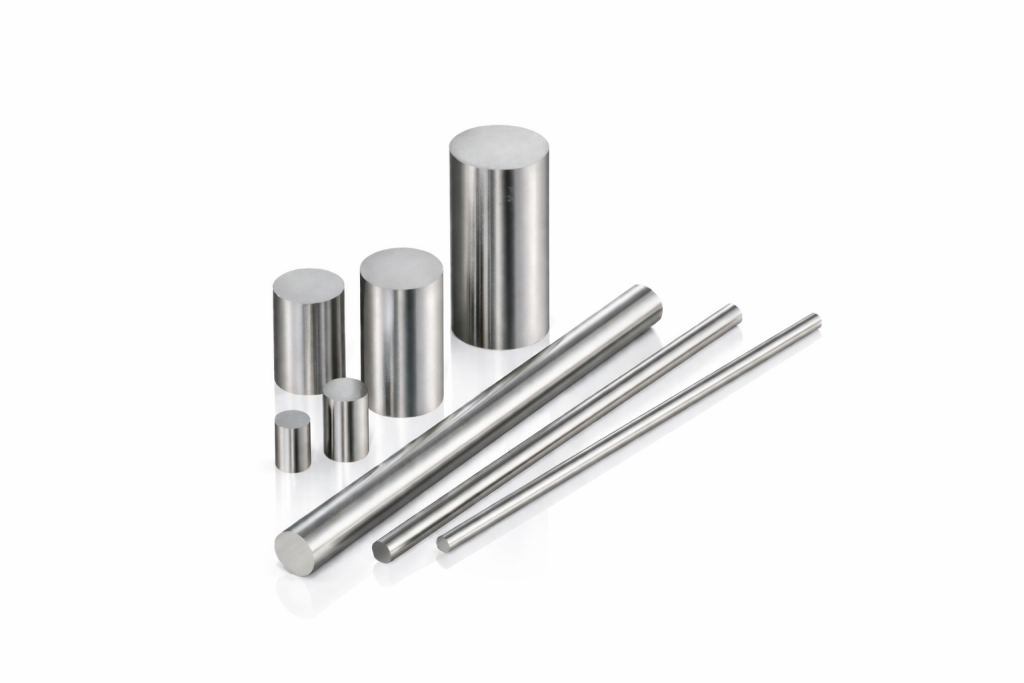
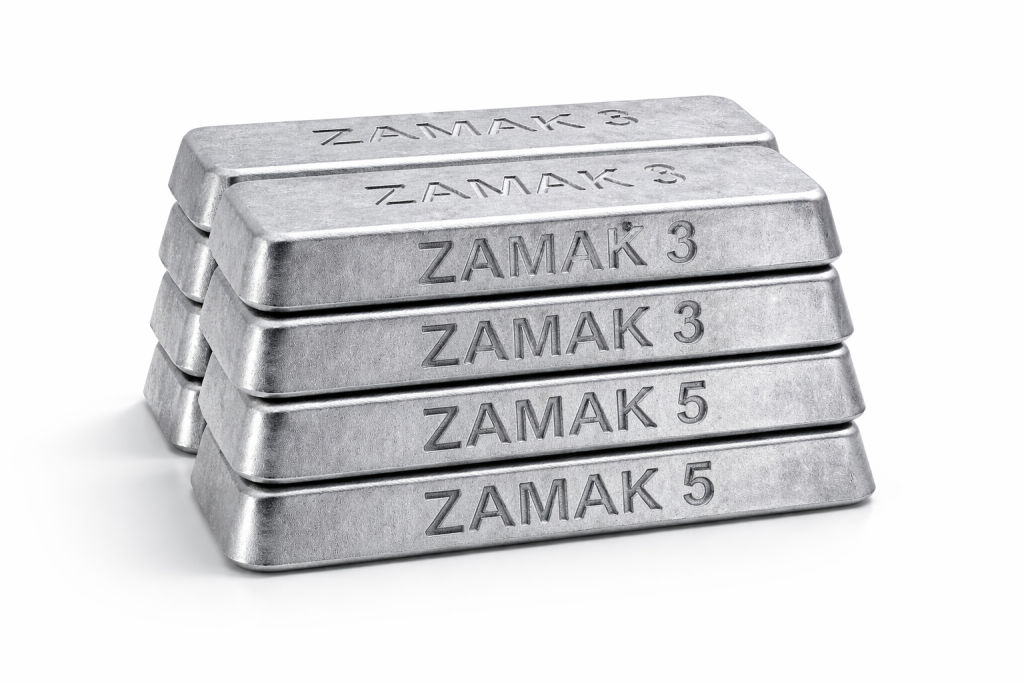
Metal Stamping Materials

Stamping 0.2-8mm thick coils (SPCC cold-rolled steel, brass C2600) with 300-ton progressive dies. Achieves ±0.05mm dimensional stability for high-volume electrical contacts, washers, and EMI shielding components.

Metals

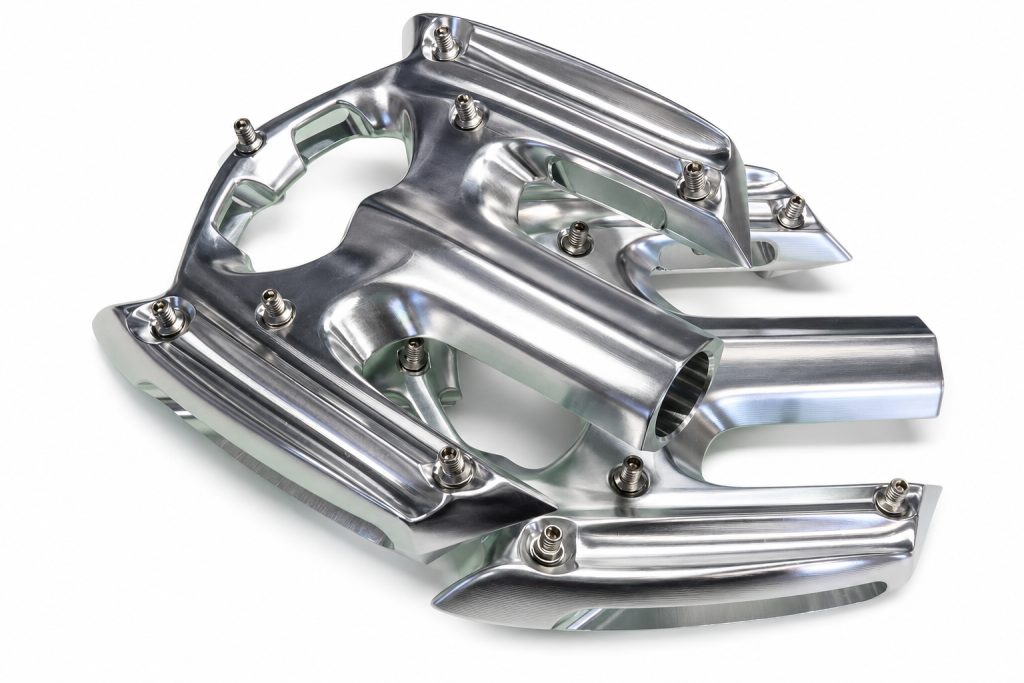
Lightweight, high thermal conductivity, Excellent Machinability, Superior Dimensional Stability, Tight-Tolerance Capable, Perfect for Complex CNC Milling and Turning.
Price: $0
Lead Time: < 5 days
Tolerances: ±0.005″ (±0.125mm)
Max part size: 200 cm x 80 cm x 100 cm

Extremely lightweight (67% aluminum density), good vibration damping, requires surface treatment.
Price: $0
Lead Time: < 10 days
Tolerances: ±0.005″ (±0.125mm)
Max part size: 200 cm x 80 cm x 100 cm

Excellent malleability, corrosion-resistant, decorative finishes, suitable for intricate stamped panels.
Price: $0
Lead Time:
Tolerances:
Max part size:


High electrical conductivity, soft yet work-hardening, requires annealing during multi-stage forming.
Price: $0
Lead Time:
Tolerances:
Max part size:
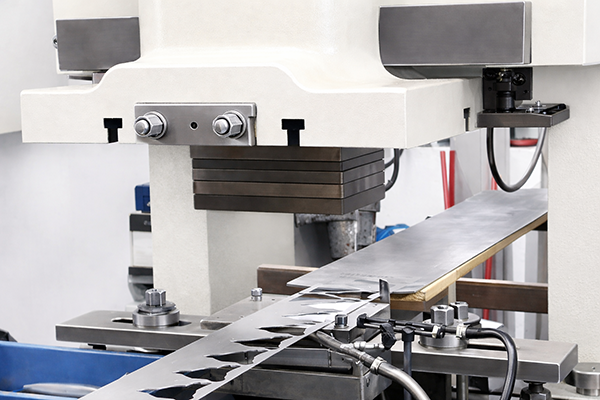
Cost-effective formability, high strength-to-weight ratio, requires anti-rust coating for exposed edges.
Price: $0
Lead Time:
Tolerances:
Max part size:
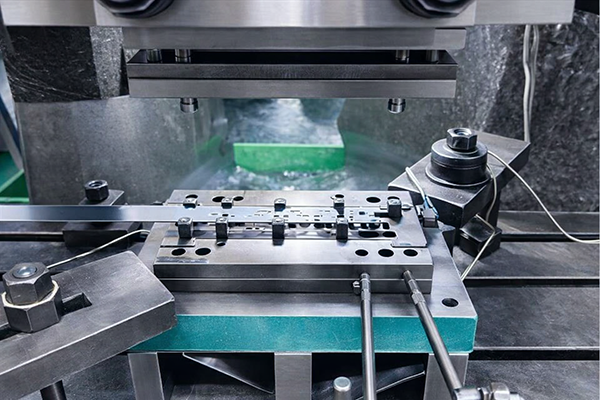
Corrosion-resistant, retains strength after welding, maintains integrity in harsh environments.
Price: $0
Lead Time:
Tolerances:
Max part size:
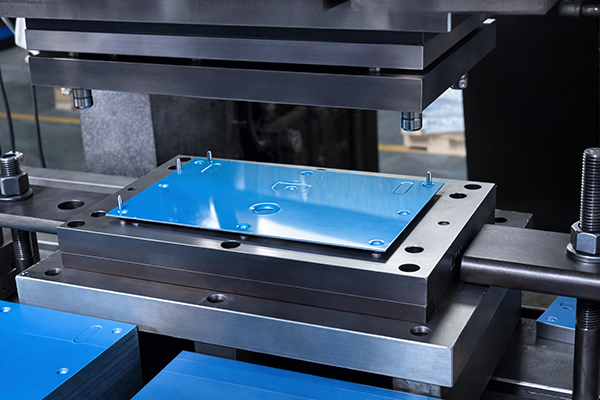
Aerospace-grade strength, biocompatible, seawater corrosion resistance, difficult to machine.
Price: $0
Lead Time: < 10 days
Tolerances: ±0.005″ (±0.125mm)
Max part size: 200 cm x 80 cm x 100 cm

Lightweight, high thermal conductivity, Excellent Machinability, Superior Dimensional Stability, Tight-Tolerance Capable, Perfect for Complex CNC Milling and Turning.
Price: $0
Lead Time: < 5 days
Tolerances: ±0.005″ (±0.125mm)
Max part size: 200 cm x 80 cm x 100 cm

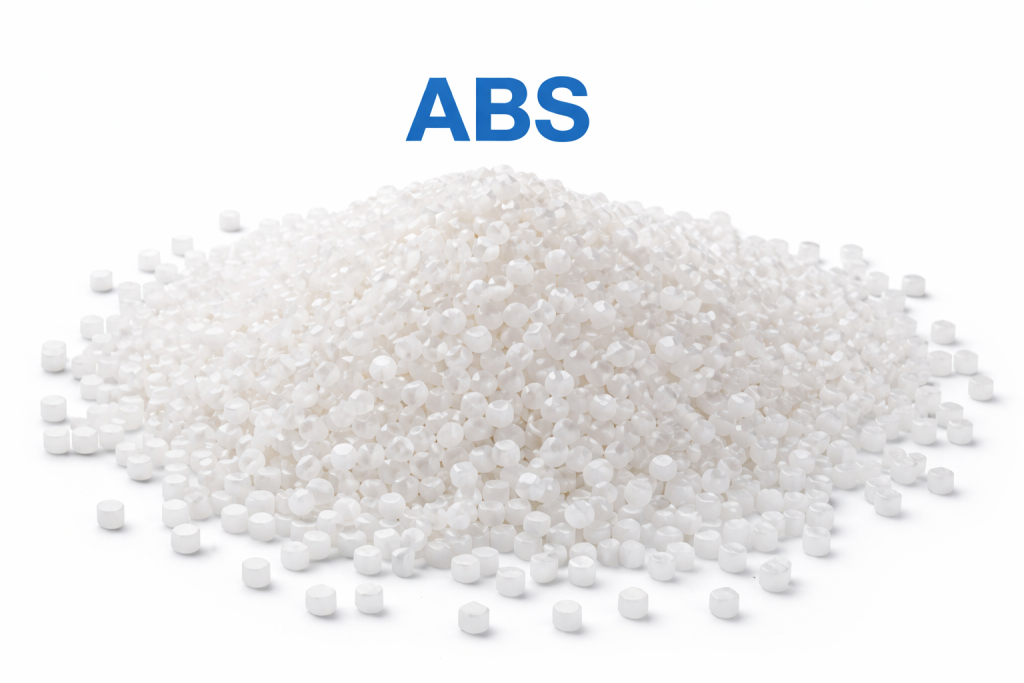
Plastics

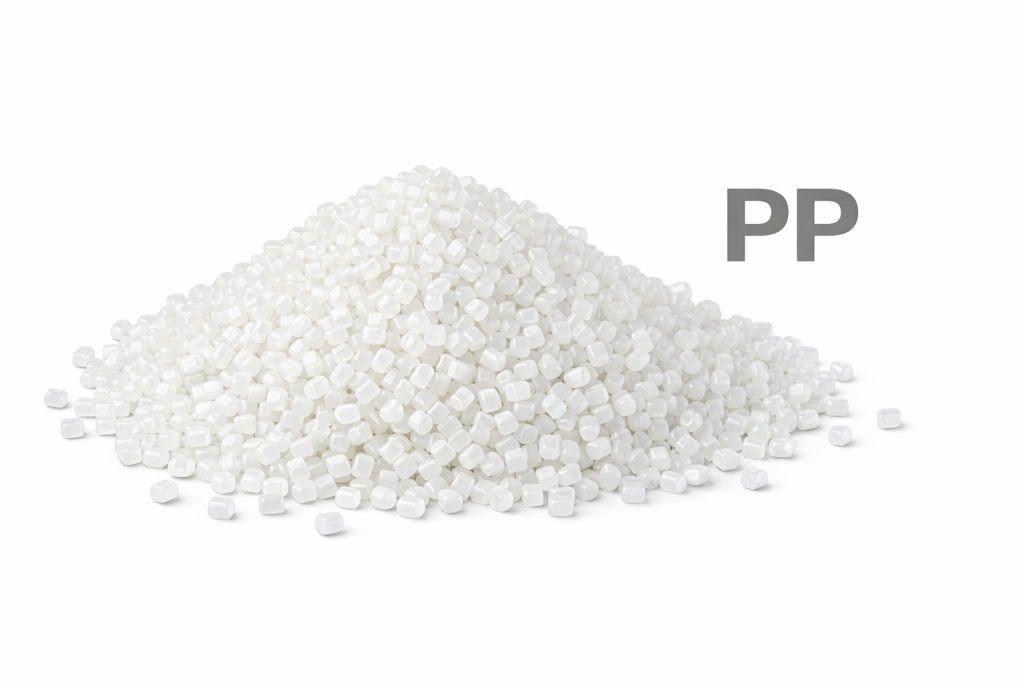
Fast-flowing melt, low shrinkage (0.4-0.7%), requires pre-drying (80°C/4h), ideal for automotive dashboards and consumer electronics housings.
Price: $0
Lead Time:
Tolerances:
Max part size:
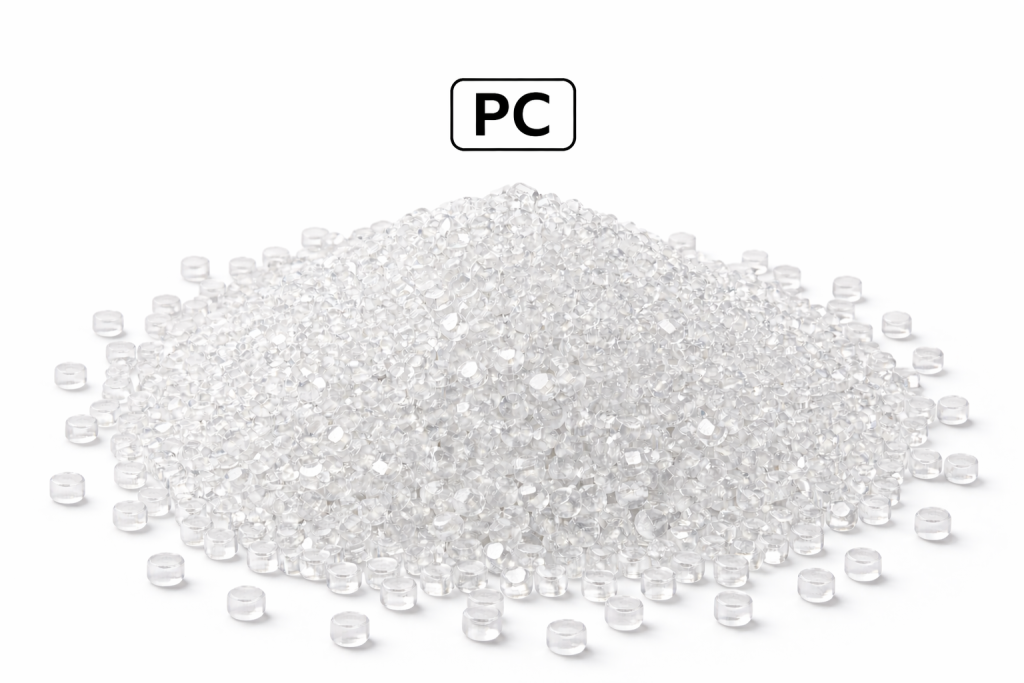
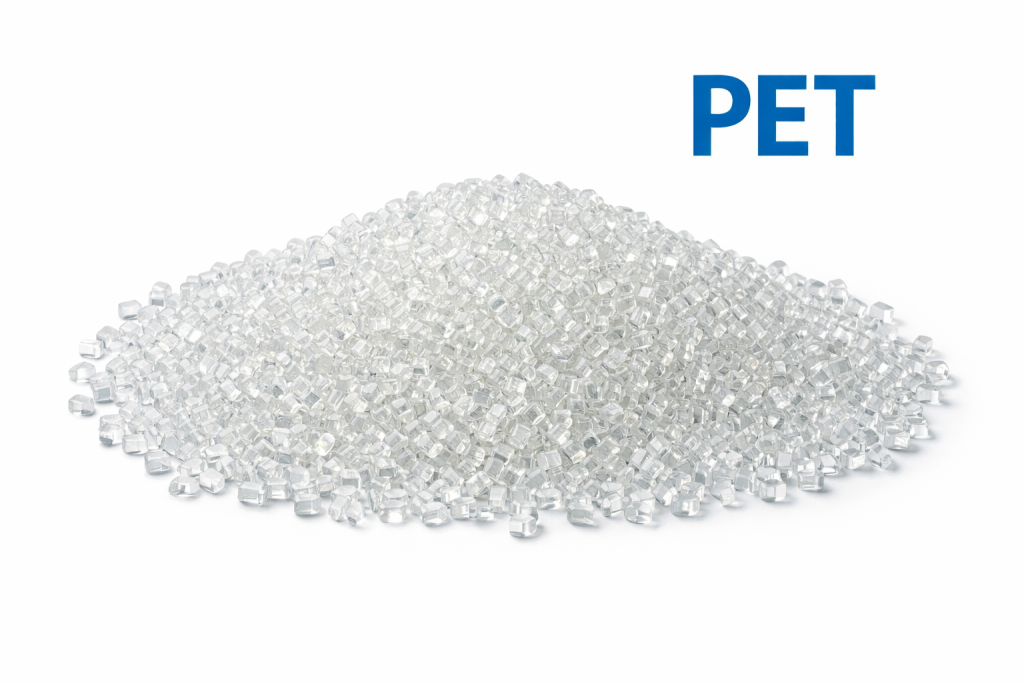
High melt viscosity (300-350°C processing), moisture-sensitive (0.02% max), optical-grade clarity for LED lenses and medical device components.
Price: $0
Lead Time:
Tolerances:
Max part size:
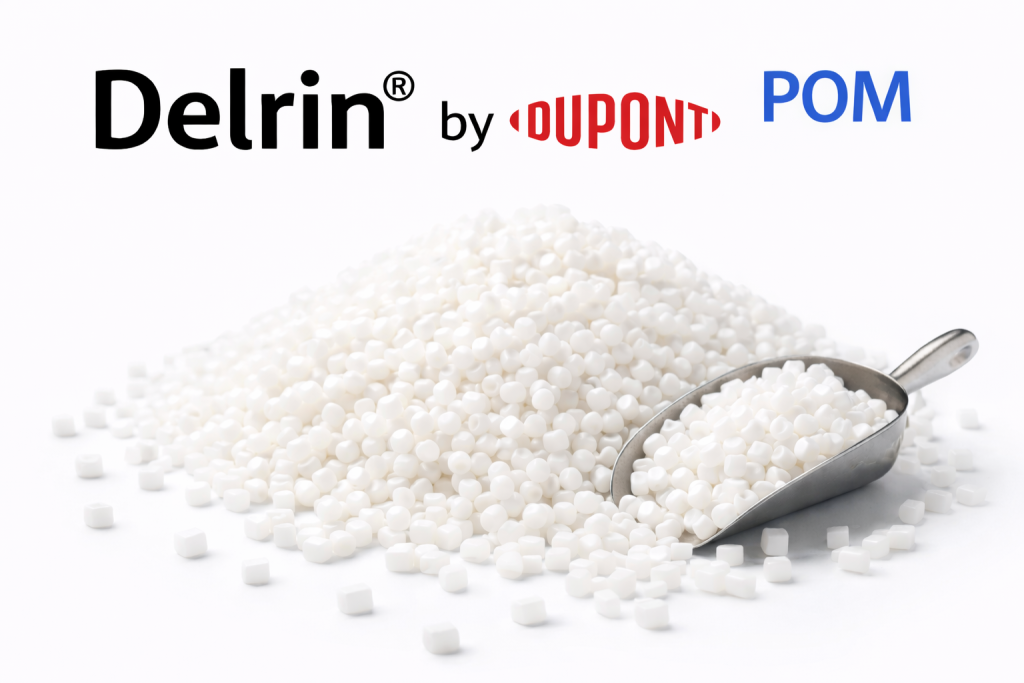
Crystallization-sensitive cooling (80-120°C mold), high dimensional stability, precision gears and fuel system valves.
Price: $0
Lead Time:
Tolerances:
Max part size:
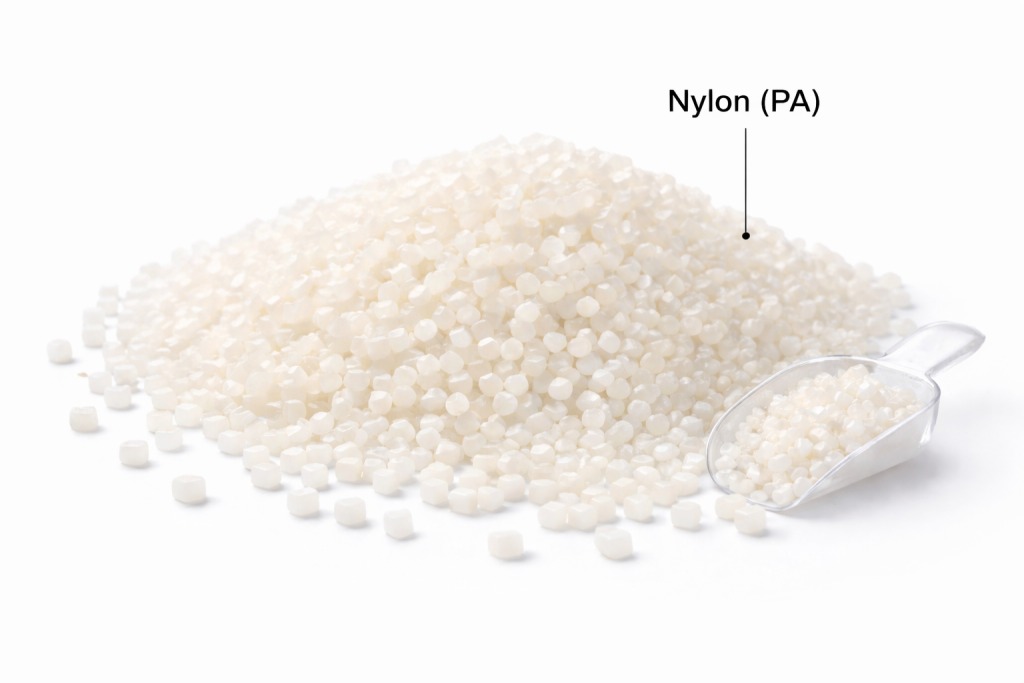
Moisture absorption (2.5-3.5%) requires post-molding annealing, self-lubricating bushings and automotive cable ties.
Price: $0
Lead Time:
Tolerances:
Max part size:
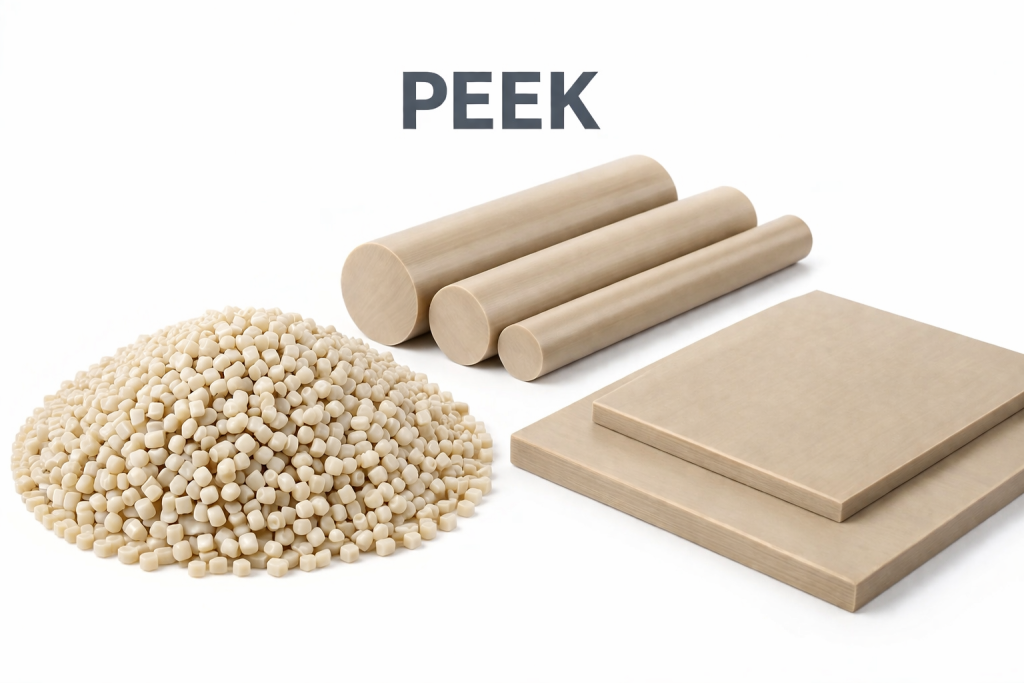
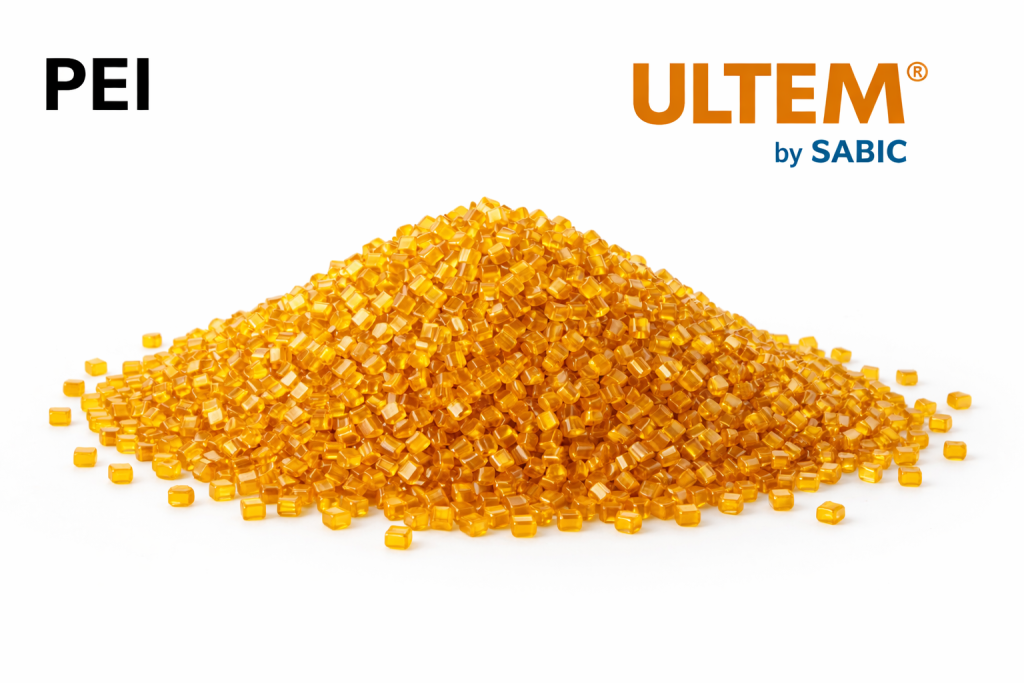
Extreme processing temps (380-400°C), low shrinkage (0.1-0.3%), aerospace bushings and surgical sterilization trays.
Price: $0
Lead Time:
Tolerances:
Max part size:
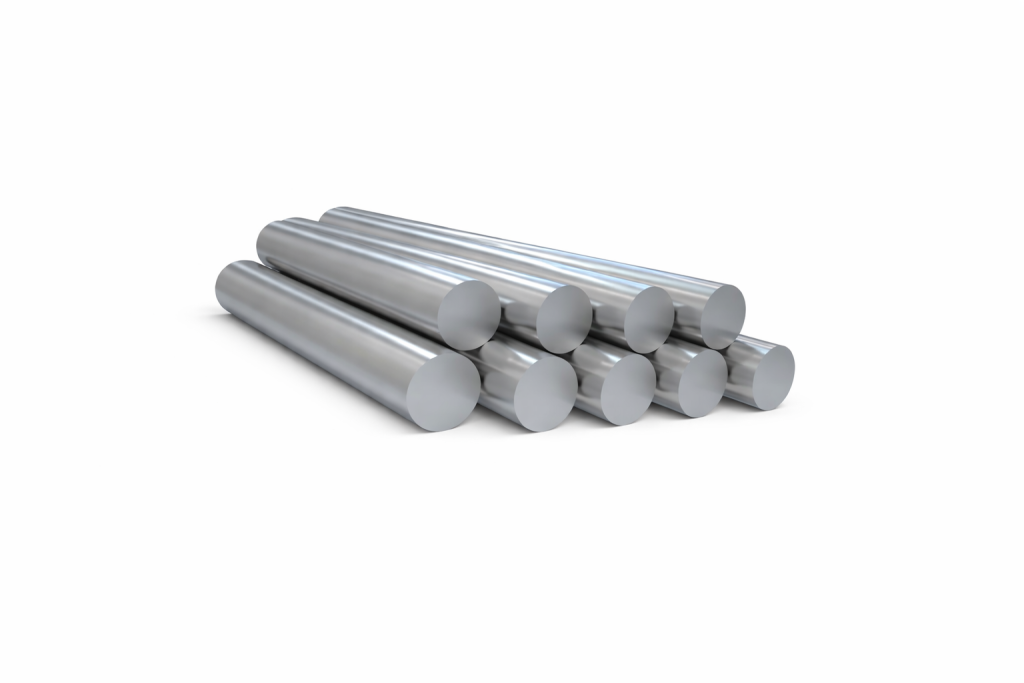
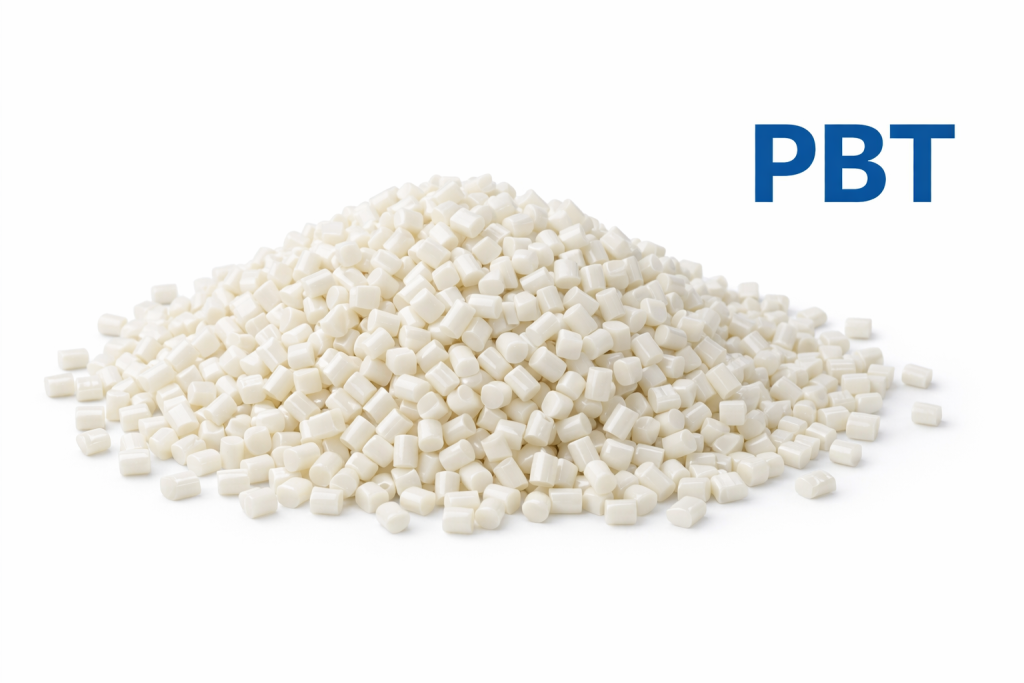
Heat distortion resistance (150°C), electrical insulation, glass-fiber reinforced automotive connectors.
Price: $0
Lead Time:
Tolerances:
Max part size:
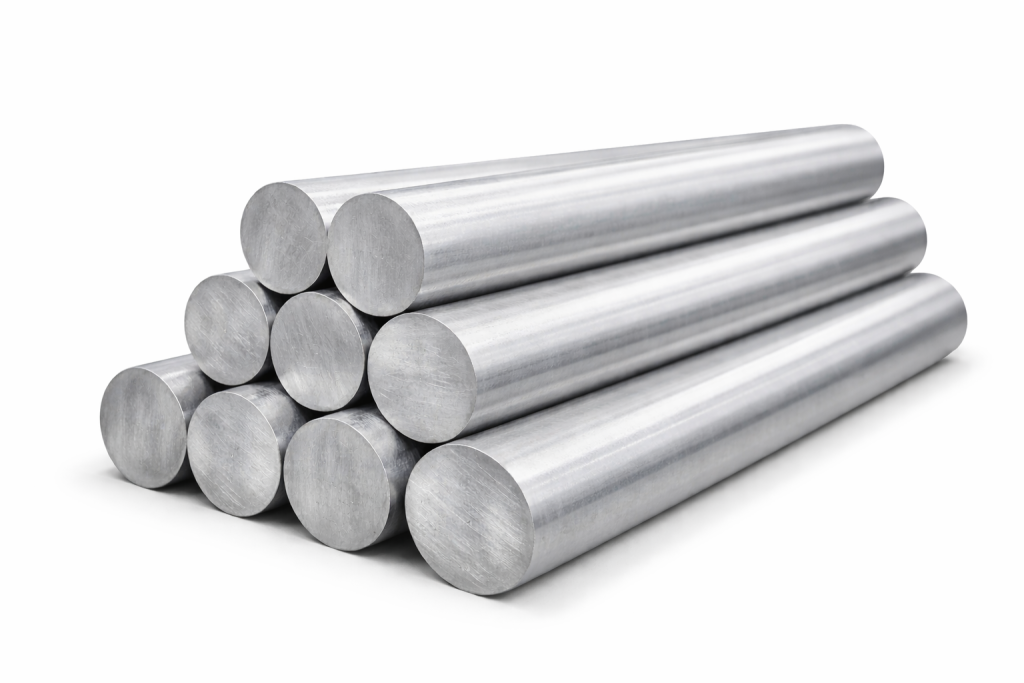
Aerospace-grade strength, biocompatible, seawater corrosion resistance, difficult to machine.
Price: $0
Lead Time: < 10 days
Tolerances: ±0.005″ (±0.125mm)
Max part size: 200 cm x 80 cm x 100 cm

Lightweight, high thermal conductivity, Excellent Machinability, Superior Dimensional Stability, Tight-Tolerance Capable, Perfect for Complex CNC Milling and Turning.
Price: $0
Lead Time: < 5 days
Tolerances: ±0.005″ (±0.125mm)
Max part size: 200 cm x 80 cm x 100 cm

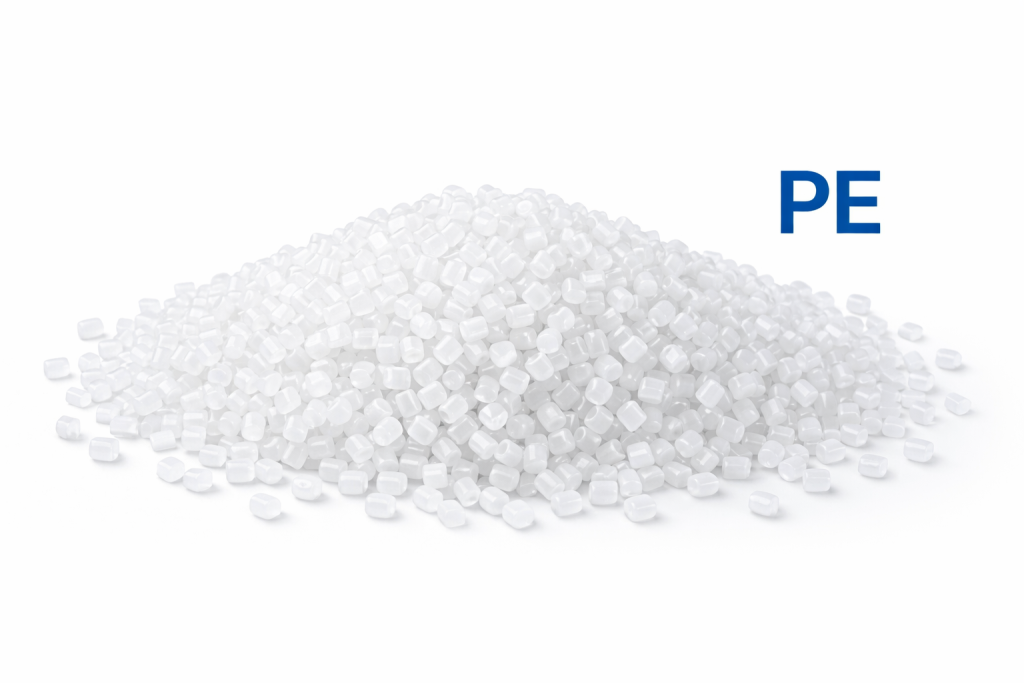
Low melt strength (LDPE: 160-240°C), high flow rate for thin-wall containers and chemical-resistant pipeline fittings.
Price: $0
Lead Time:
Tolerances:
Max part size:

Low density (0.9g/cm³), living hinge capability, disposable syringes and automotive HVAC ducts.
Price: $0
Lead Time:
Tolerances:
Max part size:
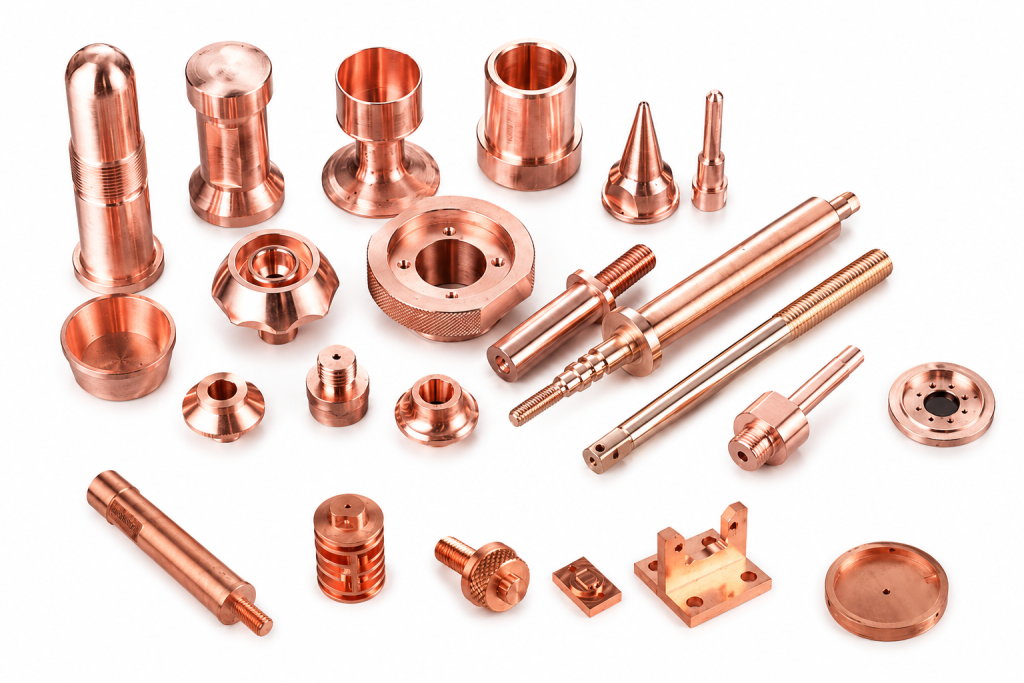
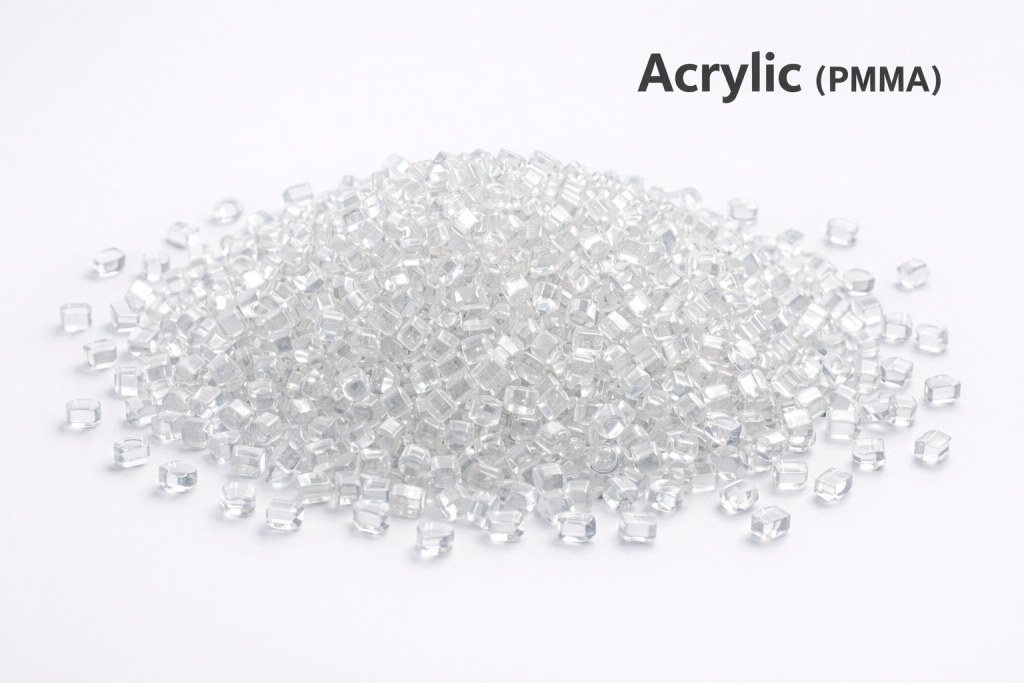
High mold temperature (60-80°C) reduces internal stress, low warpage, replaces glass in automotive taillights and cosmetic packaging.
Price: $0
Lead Time:
Tolerances:
Max part size:
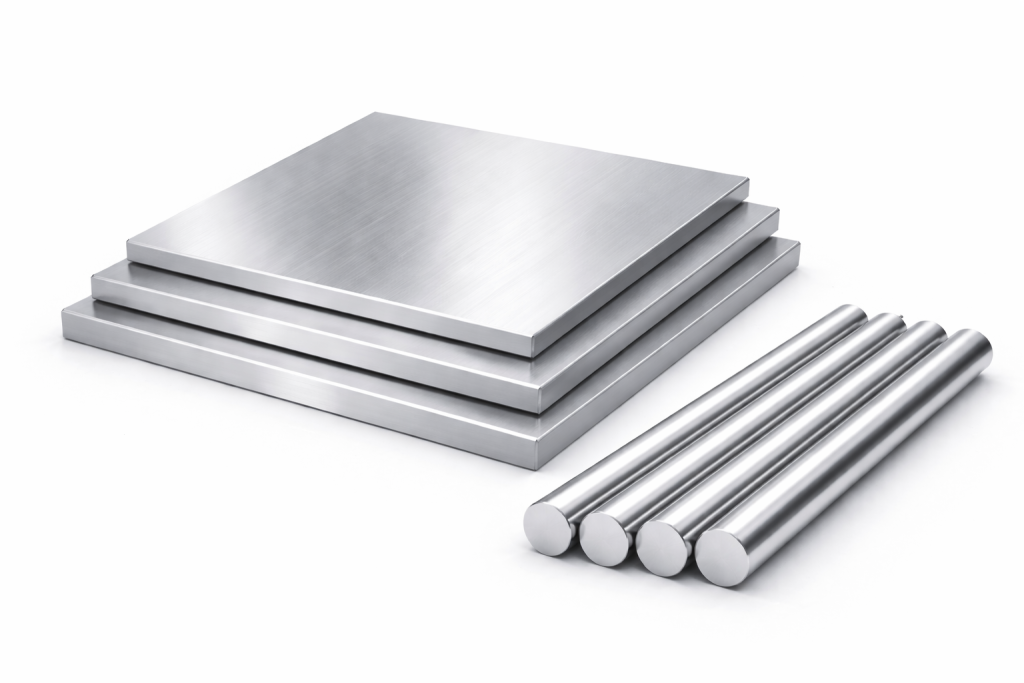
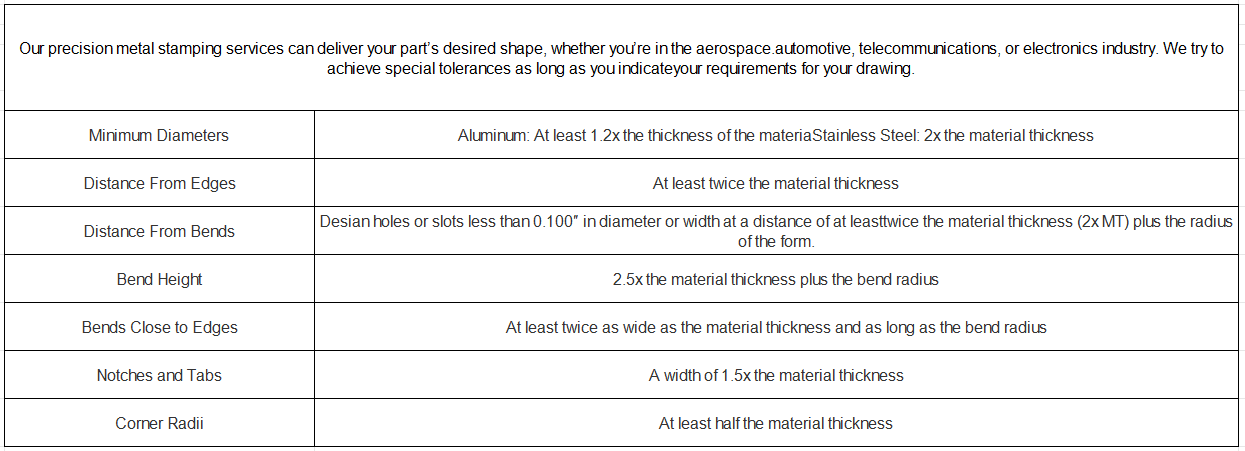
Sheet Metal Stamping Tolerances and Standards

Surface Finishes by Material

Different materials require different finishing processes. Explore the most suitable surface finishes for aluminum, stainless steel, titanium, brass, copper, engineering plastics, and more to achieve the ideal balance of protection, appearance, and performance.

As Machined
As Machined
Description: Standard finish with surface roughness of 3.2 μm (126 μin), removes sharp edges and deburrs parts cleanly. Key Use: Functional parts requiring no post-processing (e.g., brackets, gears). Process Tolerance: Dimensional ±0.1 mm, Ra 3.2±0.5 μm Process Specifications: ISO 2768-m standard, burr height ≤0.05 mm
Anodizing
Anodizing
Description: Electrochemical oxide layer for corrosion resistance and aesthetics. Process Compatibility: Post-machining surface treatment Key Use: Aerospace components, consumer electronics (e.g., phone frames). Process Tolerance: Coating thickness 10-25 μm±2 μm, color consistency ΔE≤1.5 Process Specifications: MIL-A-8625 or ISO 7599, sealing pH 5.5-6.5
Alodine
Alodine
Description: Chemical film for corrosion protection and paint adhesion. Process Compatibility: Post-cleaning chemical immersion Key Use: Aviation and automotive electrical housings. Process Tolerance: Film thickness 0.5-3 μm, visual uniformity Process Specifications: Immersion time 3-10 min, bath temp. 20-30℃
Black Oxide
Black Oxide
Description: Thin magnetite layer for corrosion resistance and reduced glare. Process Compatibility: Post-machining chemical treatment Key Use: Tools, firearms, automotive fasteners. Process Tolerance: Coating thickness 0.5-1.5 μm, salt spray ≥24 hrs Process Specifications: Alkaline bath pH 13-14, process time 5-30 min
Brushed Finish
Brushed finish
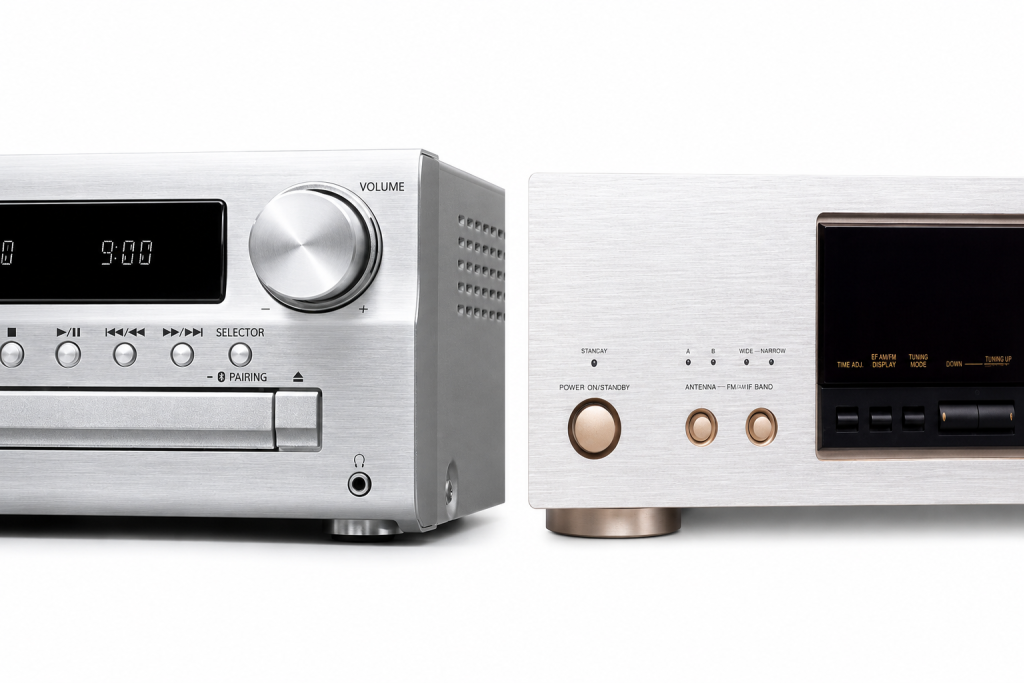
Description: Linear abrasive finish for decorative texture. Process Compatibility: Manual/CNC abrasive belts Key Use: Appliance panels, architectural trims. Process Tolerance: Texture depth 0.05-0.2 mm, angle deviation ≤5° Process Specifications: Abrasive belt grit 80-240, feed speed 10-30 m/min
Etching
Etching
Description: Chemical/mechanical removal for micro-texturing or marking. Process Compatibility: Laser/chemical masking Key Use: Circuit boards, decorative logos. Process Tolerance: Etch depth 0.01-0.5 mm±5%, alignment ±0.1 mm Process Specifications: Etchant concentration 10-30%, laser power 20-100 W
Electroless Plating
Electroless Plating
Description: Uniform metal coating (e.g., nickel) without electricity. Process Compatibility: Chemical bath deposition Key Use: Wear-resistant industrial valves, connectors. Process Tolerance: Coating thickness 5-50 μm±5%, porosity ≤5/cm² Process Specifications: Bath temp. 85-95℃, pH 4.5-5.5
Electroplating
Electroplating
Description: Electrochemical metal coating (e.g., chrome, zinc) for durability. Process Compatibility: Post-machining electrodeposition Key Use: Automotive trim, jewelry. Process Tolerance: Coating thickness 5-25 μm±2 μm, adhesion ≥4B (ASTM B571) Process Specifications: Current density 1-10 A/dm², bath temp. 40-60℃
Electrophoretic Coating
Electrophoretic
Description: Polymer coating via electric field for corrosion resistance. Process Compatibility: Post-cleaning immersion Key Use: Automotive frames, HVAC components. Process Tolerance: Coating thickness 15-30 μm±3 μm, edge coverage ≥80% Process Specifications: Voltage 50-300 V, cure 160-200℃×20 min
Electropolishing
Electropolish
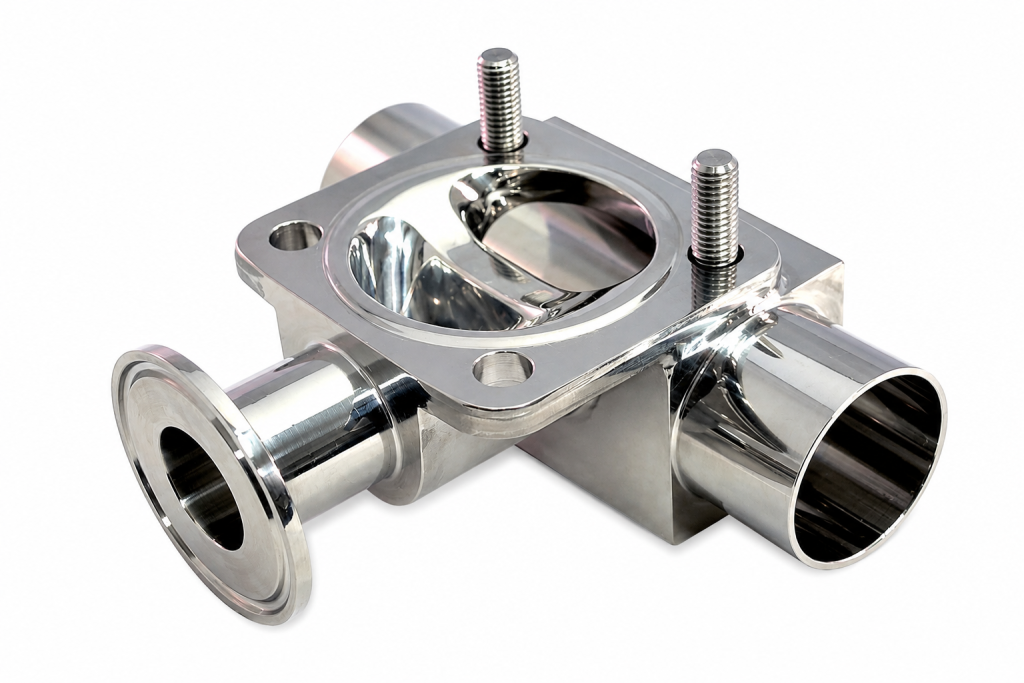
Description: Electrochemical finishing for smoother, cleaner, corrosion-resistant surfaces with a bright finish. Process Compatibility: Post-machining. Key Use: Medical, pharmaceutical, semiconductor, and aerospace parts. Process Tolerance: Material removal 5–25 μm, Ra 0.1–0.4 μm. Process Specifications: ASTM B912 or ISO 15730 with controlled electrolyte and current density.
Grinding
Grinding
Description: Precision abrasive finish for tight tolerances. Process Compatibility: Surface/cylindrical grinding Key Use: Bearing races, hydraulic shafts. Process Tolerance: Dimensional ±0.005 mm, Ra 0.4-0.8 μm Process Specifications: Wheel grit 60-120, coolant flow 5-20 L/min
Heat Treatment
Heat Treatment
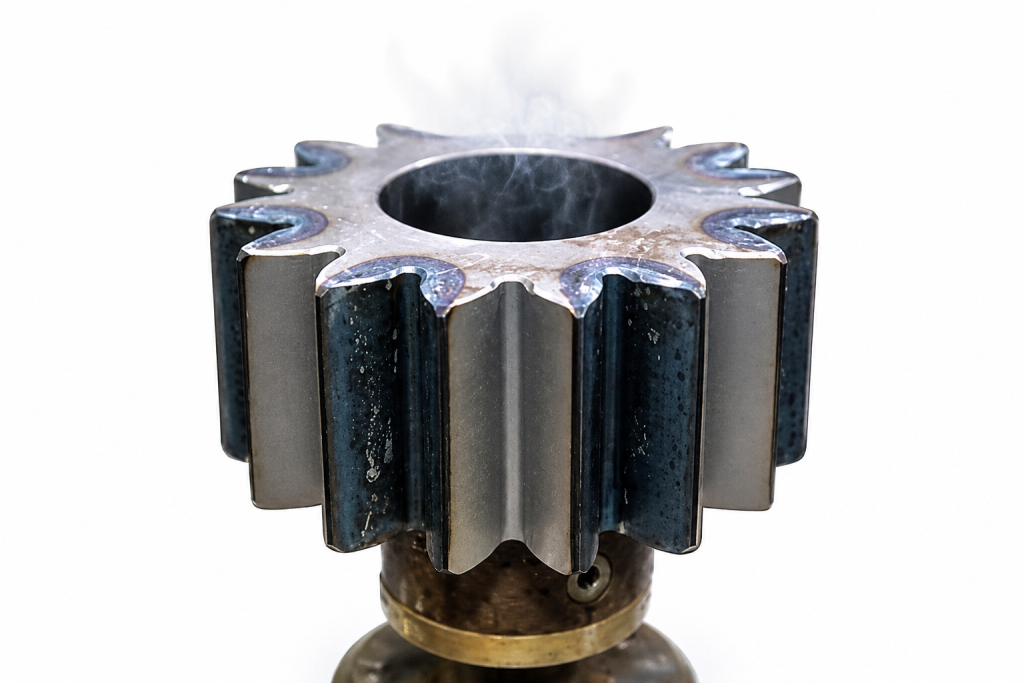
Description: Thermal process to alter material hardness/toughness. Process Compatibility: Post-machining quenching/tempering Key Use: Gears, cutting tools. Process Tolerance: Hardness HRC 45-60±2, distortion ≤0.1% Process Specifications: Quench temp. 800-1000℃, temper time 1-4 hrs
Knurling
Knurling
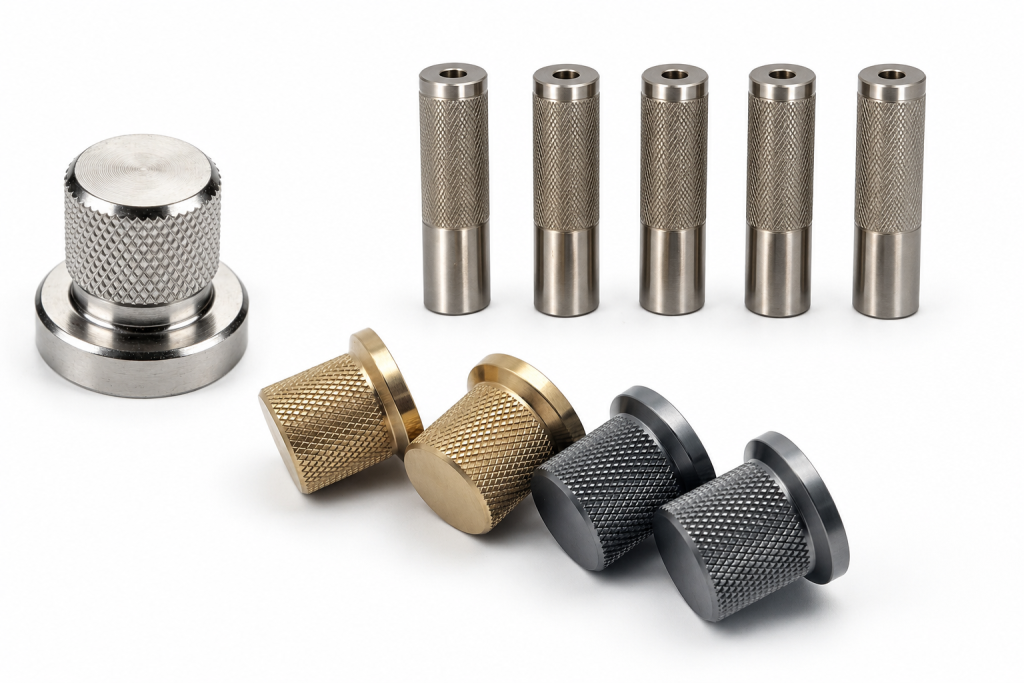
Description: Diamond or linear pattern for improved grip. Process Compatibility: CNC lathe rolling Key Use: Handles, adjustment knobs. Process Tolerance: Pattern depth 0.2-0.5 mm, pitch ±0.05 mm Process Specifications: Roller pressure 200-500 N, feed 10-50 mm/min
Laser Engraving
Laser Engraving
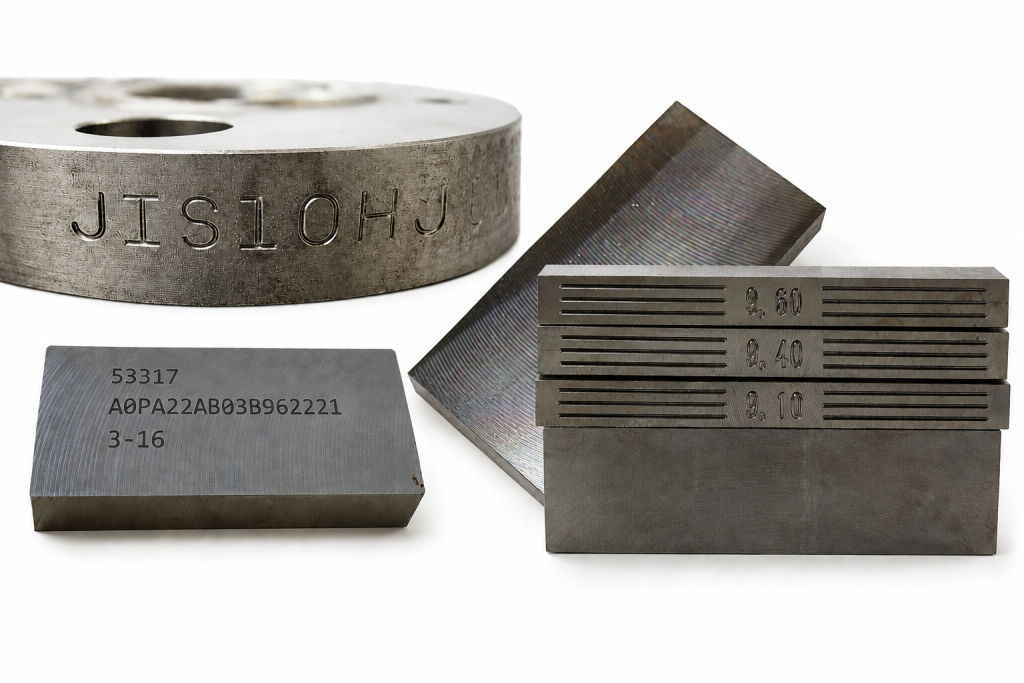
Description: Permanent marking via laser ablation. Process Compatibility: Post-processing laser systems Materials: Metals, plastics, wood Key Use: Serial numbers, branding on industrial parts.
Overmolding
Overmolding
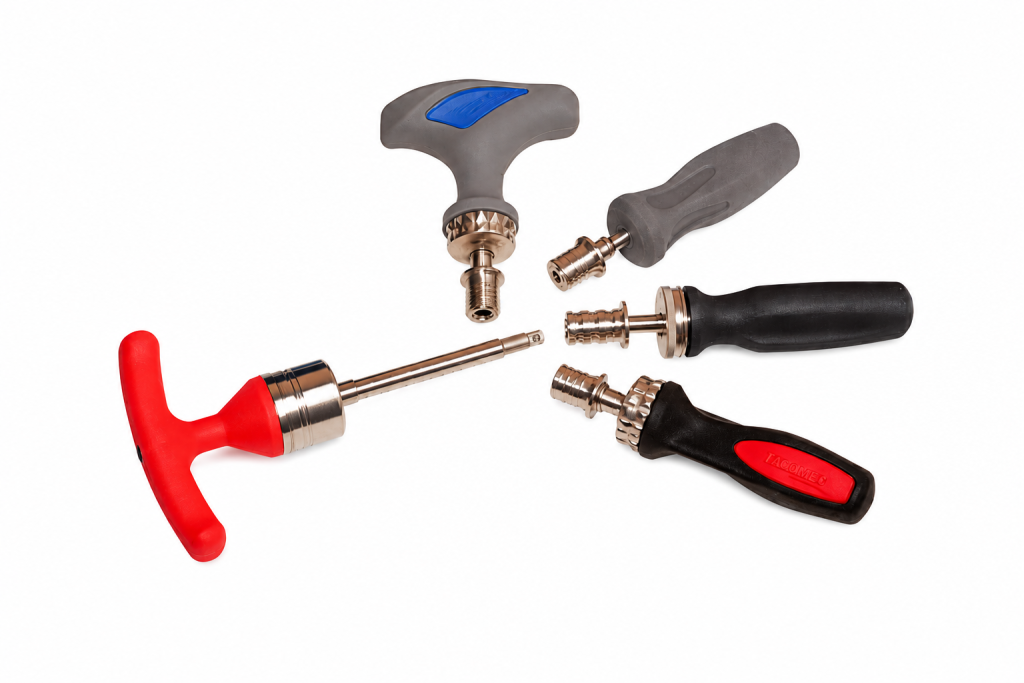
Description: Molding soft material (TPU/silicone) over rigid inserts. Process Compatibility: Injection molding Materials: Plastics, metals (as inserts) Key Use: Ergonomic handles, waterproof seals. Process Tolerance: Overmold thickness 1-5 mm±0.2 mm, bond strength ≥5 MPa Process Specifications: Injection pressure >5 MPa, mold temp. 40-80℃
Polishing
Polishing
Description: Mirror-like finish via abrasive compounds. Process Compatibility: Manual/robotic buffing Key Use: Medical instruments, luxury fixtures. Process Tolerance: Ra 0.025-0.1 μm, gloss ≥90 GU Process Specifications: Wheel speed 1000-3000 rpm, compound grit 2000-5000
Passivation
Passivation
Description: Acid treatment to remove free iron and enhance corrosion resistance. Process Compatibility: Post-cleaning chemical immersion Key Use: Surgical tools, food processing equipment. Process Tolerance: Film thickness 0.001-0.01 μm, salt spray ≥96 hrs Process Specifications: Nitric acid 20-50%, process time 20-60 min
Powder Coating
Powder Coating
Description: Electrostatic polymer powder cured into durable film. Process Compatibility: Post-cleaning spray and bake Key Use: Outdoor furniture, automotive wheels. Process Tolerance: Coating thickness 60-120 μm±10 μm, ΔE≤1.0 Process Specifications: Voltage 30-90 kV, cure 180-200℃×15 min
Phosphating
Phosphating
Description: Phosphate layer for lubrication and paint adhesion. Process Compatibility: Chemical immersion Key Use: Engine components, firearm parts. Process Tolerance: Coating weight 2-5 g/m², crystal size ≤5 μm Process Specifications: Bath pH 2-4, process temp. 40-70℃
Painting
Painting
Description: Liquid coating for color and protection. Process Compatibility: Spraying/dipping Materials: Metals, plastics Key Use: Consumer electronics, automotive body panels. Process Tolerance: Coating thickness 20-50 μm±5 μm, adhesion ≥3B (ASTM D3359) Process Specifications: Spray pressure 0.3-0.6 MPa, cure 80-120℃×30 min
Sandblasting
Sand blasting
Description: Abrasive jet finish for uniform matte texture. Process Compatibility: Post-machining blasting Materials: Metals, glass, stone Key Use: Architectural facades, engine blocks. Process Tolerance: Ra 1.6-6.3 μm, coverage ≥95% Process Specifications: Grit size 80-120, air pressure 0.4-0.7 MPa
Teflon Coating
Teflon Coating
Description: Non-stick, chemical-resistant polymer layer. Process Compatibility: Spraying/baking Materials: Metals, ceramics Key Use: Cookware, chemical valves. Process Tolerance: Coating thickness 15-50 μm±5%, non-stick cycles ≥1000 Process Specifications: Sintering 360-400℃, cure time 10-30 min
Tumbling
Tumbling
Description: Barrel polishing for edge rounding and deburring. Process Compatibility: Vibratory/rotary barrels Materials: Metals, plastics Key Use: Jewelry, small hardware components. Process Tolerance: Edge radius R0.1-0.5 mm, weight loss ≤1% Process Specifications: Media size 3-10 mm, speed 10-30 rpm, time 1-12 hrs
SPI Finish
SPI Finish
Description: Graded texture (e.g., SPI-A1 for glossy, SPI-C3 for matte). Process Compatibility: EDM, polishing Materials: Tool steel, aluminum molds Key Use: Plastic injection molds for consumer products. Process Tolerance: Ra 0.05-1.6 μm, texture replication ≥90% Process Specifications: SPI-SPE-1 standard, EDM current 5-50 A

What is CNC Stamping?How Does CNC Stamping Work?‌

CNC Stamping is a ‌computer-controlled metal forming process‌ that uses programmed commands to drive stamping presses or dies, shaping sheet metal into precise components‌. Combining CNC (Computer Numerical Control) technology with traditional stamping, it produces high-volume parts like brackets, connectors, and automotive panels with consistent accuracy‌. Common materials include steel, aluminum, and copper alloys, with thicknesses ranging from ‌0.1 mm to 6 mm‌‌.

Success Stories of Metal Stamping Projects

FAQs

What dimension works best for sheet metal stamping?

20-24 gauge sheet metals (0.8-1.2mm thickness) represent the ideal range for stamping operations. This includes brass, copper, and sterling silver variants,

 offering optimal formability while maintaining structural integrity during high-volume production.

Effective stamped part design requires strategic material choice, geometric optimization, tolerance analysis, appropriate draft angles, and bend radius 

specifications. Implementing DFM (Design for Manufacturability) methodologies ensures production efficiency while reducing manufacturing constraints.

The metal stamping workflow comprises: engineering design consultation, material specification, precision die fabrication, blanking operations, 

forming processes (bending/drawing), secondary machining (piercing/threading), quality verification, and surface finishing treatments.