Magnesium

Magnesium

Price:

Lead Time:

< 10 days

Wall Thickness:

0.75 mm

Tolerances:

±0.005″ (±0.125mm)
Max Part Size:
200 cm x 80 cm x 100 cm

Magnesium Alloy AZ31B

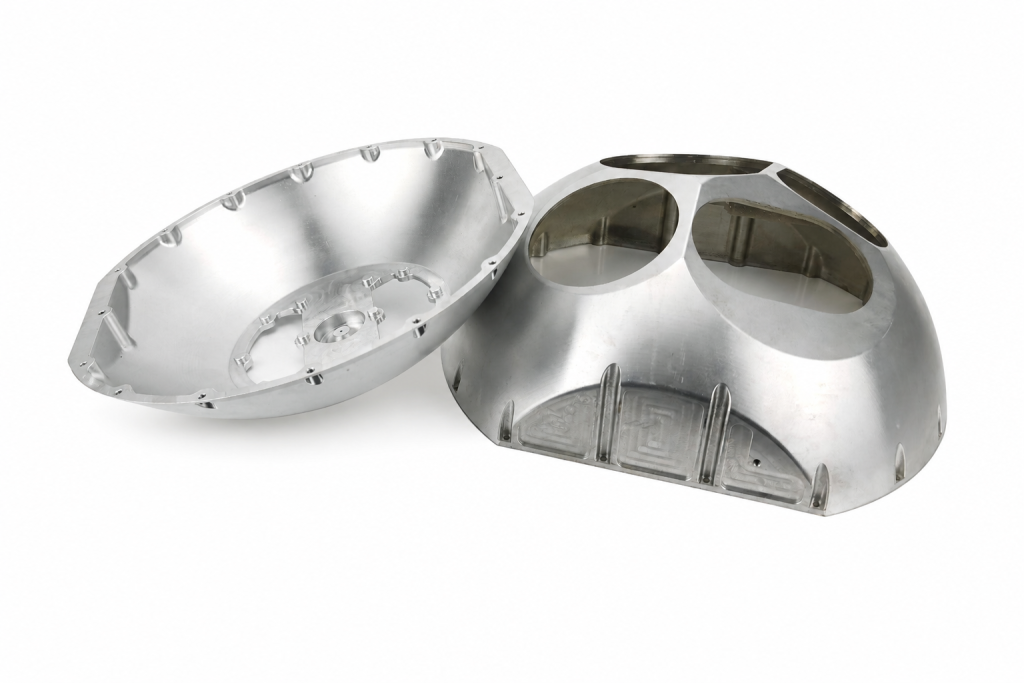
A wrought magnesium alloy containing 3% aluminum and 1% zinc, offering excellent strength-to-weight ratio and moderate corrosion resistance. ‌Suitable Processes‌: Hot rolling, extrusion, forging, welding (TIG). ‌Applications‌: Aerospace components, automotive body panels, laptop casings, and bicycle frames.
Tensile Strength, Yield (MPa)
Fatigue Strength (MPa)
Elongation at Break (%)
VHardness (Brinell)
Density (g/cm³)
180 - 240
100
6-20
50-70
1.77

Magnesium Alloy AZ91D

A die-cast magnesium alloy with 9% aluminum and 1% zinc, known for high fluidity and superior corrosion resistance among Mg alloys. ‌Suitable Processes‌: Die casting, injection molding, surface treatment (chromate conversion). ‌Applications‌: Automotive transmission cases, electronic housings, power tool bodies, and camera components.

Tensile Strength, Yield (MPa)
Fatigue Strength (MPa)
Elongation at Break (%)
VHardness (Brinell)
Density (g/cm³)
150-160
90
3-7
60-70
1.81

pros

  • Lightweight: Magnesium is one of the lightest structural metals, making it ideal for applications where weight reduction is crucial.
  • High Machinability: Magnesium’s superior machinability makes it easier to cut and shape using CNC machining processes. The material’s lower cutting forces help reduce the rate of tool wear, enhancing overall machining efficiency.
  • Complex Geometries: Magnesium alloys are ideal for producing custom parts with complex geometries due to their high machinability. Multi-axis CNC machines can machine magnesium alloys from various angles, ensuring high accuracy and adherence to specifications.
  • Good Damping Properties: Effective at absorbing vibrations, which is beneficial in automotive and aerospace applications.
  • Recyclable: Magnesium alloys are environmentally friendly and recyclable, making them ideal for sustainable manufacturing. CNC machining magnesium generates waste that can be recycled, contributing to eco-friendly production practices.

cons

  • Flammability: Machining magnesium alloys generates fine chips and dust that are highly flammable, posing a significant fire risk. Fires can ignite due to excessive heat or sparks produced during the machining process.
  • Heat Generation: Magnesium’s poor heat conductivity causes high heat concentration in the cutting zone, leading to elevated cutting temperatures. This can reduce tool life, cause workpiece deformation, and increase tool wear.
  • Tool Wear: Magnesium’s relatively soft and abrasive nature accelerates tool wear compared to other metals. This results in decreased machining efficiency and increased tool replacement costs.
  • Surface Deformation: Magnesium alloys are prone to burr formation and machining-induced deformation. Thus, achieving high-quality surface finishes without appropriate machining strategies and tooling selection is challenging.

Parts Delivered Into Supply Chains Including