Bronze

Bronze

Price:

Lead Time:

About 5 days

Wall Thickness:

0.5 mm

Tolerances:

±0.005″ (±0.125mm)
Max Part Size:
200 cm x 80 cm x 100 cm

Tin Bronze (C90300/C90500 Series)

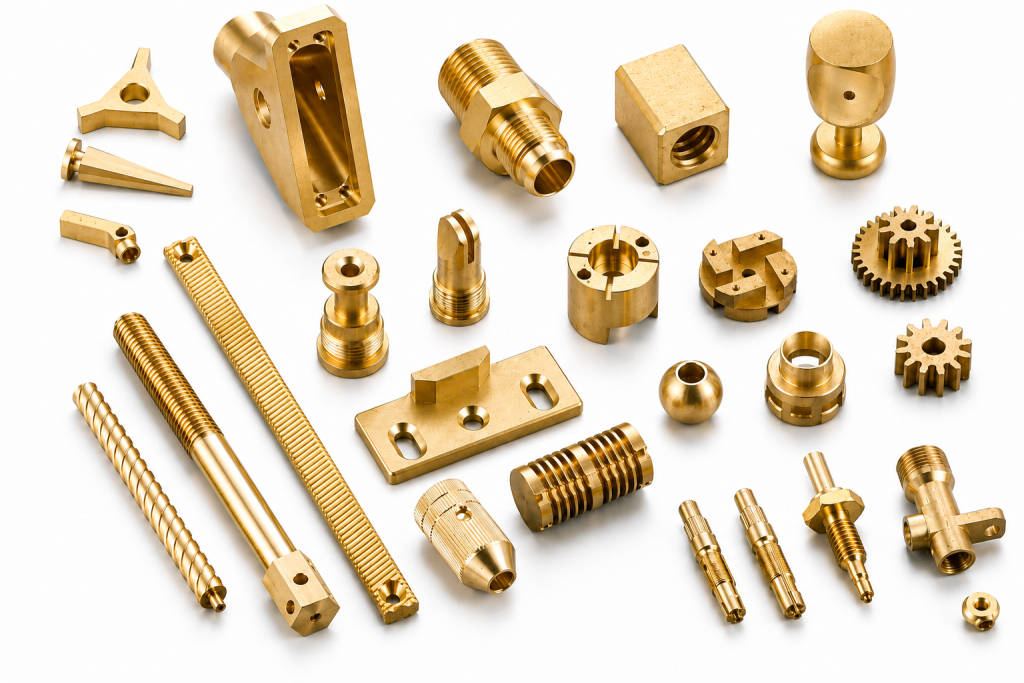
A copper-based alloy containing 8-14% tin, often with additions of zinc or lead, renowned for its exceptional wear resistance, corrosion stability, and historical use in maritime applications. ‌Suitable Processes‌: Sand casting, centrifugal casting, machining, brazing, and polishing. ‌Applications‌: Ship propellers, bearings, pump components, musical instruments (cymbals/bells), and antique restoration parts.
Tensile Strength, Yield (MPa)
Fatigue Strength (MPa)
Elongation at Break (%)
VHardness (Brinell)
Density (g/cm³)
150-370
100-250
5-30
6-150
8.7-8.9

pros

  • High Strength and Durability: Bronze offers excellent tensile strength and durability, making it suitable for heavy-duty applications.
  • Corrosion Resistance: It is highly resistant to corrosion, especially in marine environments, which enhances its longevity.
  • Excellent Machinability: Despite its hardness, bronze can be machined effectively with the right tools and settings. Thanks to the addition of lead.
  • Thermal Conductivity: Bronze’s good thermal conductivity makes it beneficial for heat exchange applications.
  • Low Friction Coefficient: This is highly beneficial in applications that require minimized friction and wear, such as sliding components and bearings.

cons

  • Higher Cost: Bronze can be more expensive than some other metals, which may impact project budgets.
  • Tool Wear: The hardness of bronze can cause significant tool wear, requiring frequent tool maintenance or replacement.
  • High Heat Production: Machining bronze typically produces a higher amount of heat compared to working with harder metals. This excessive heat can have an impact on the longevity and performance of the tools.

Parts Delivered Into Supply Chains Including